
How the machine should rest between juice runs
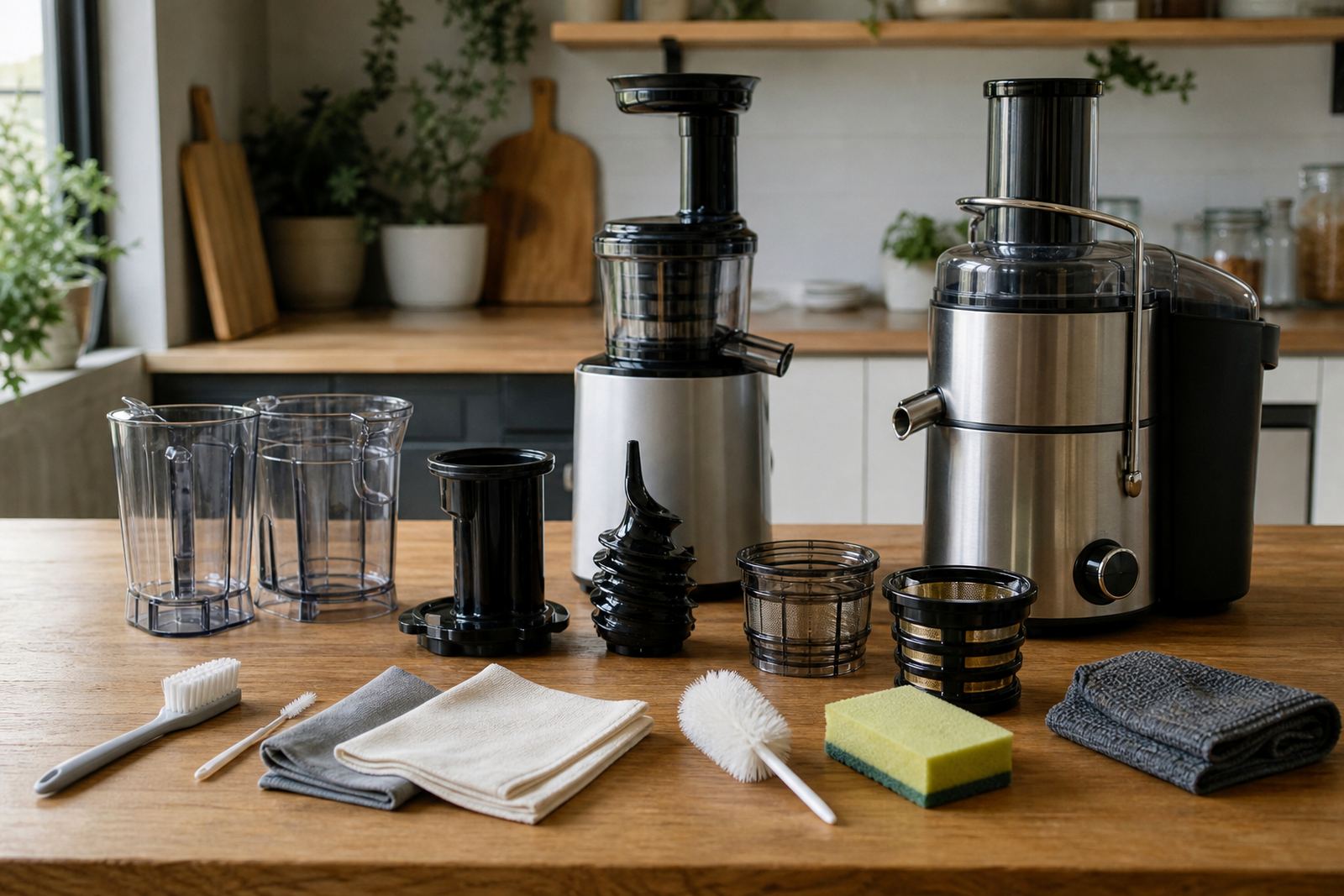
Storage starts after washing, when the machine is dry enough to put away without trapping moisture in the chamber, sieve, auger or pulp outlet. With slow masticating juicers, centrifugal juicers and cold presses, leftover water can sit in narrow sections and lead to smells, staining or sticky residue the next time you use it. We show you how to break the unit down, dry each piece and store it so the next setup is quicker and cleaner.
For coastal homes in Cape Town, Durban or George, humidity can slow drying, so we make room for airflow and recommend wiping down hidden edges, seals and lids before reassembly. In dry inland areas like Pretoria and Johannesburg, dust is the bigger issue, so covered cupboard storage matters just as much.
What the storage care service includes
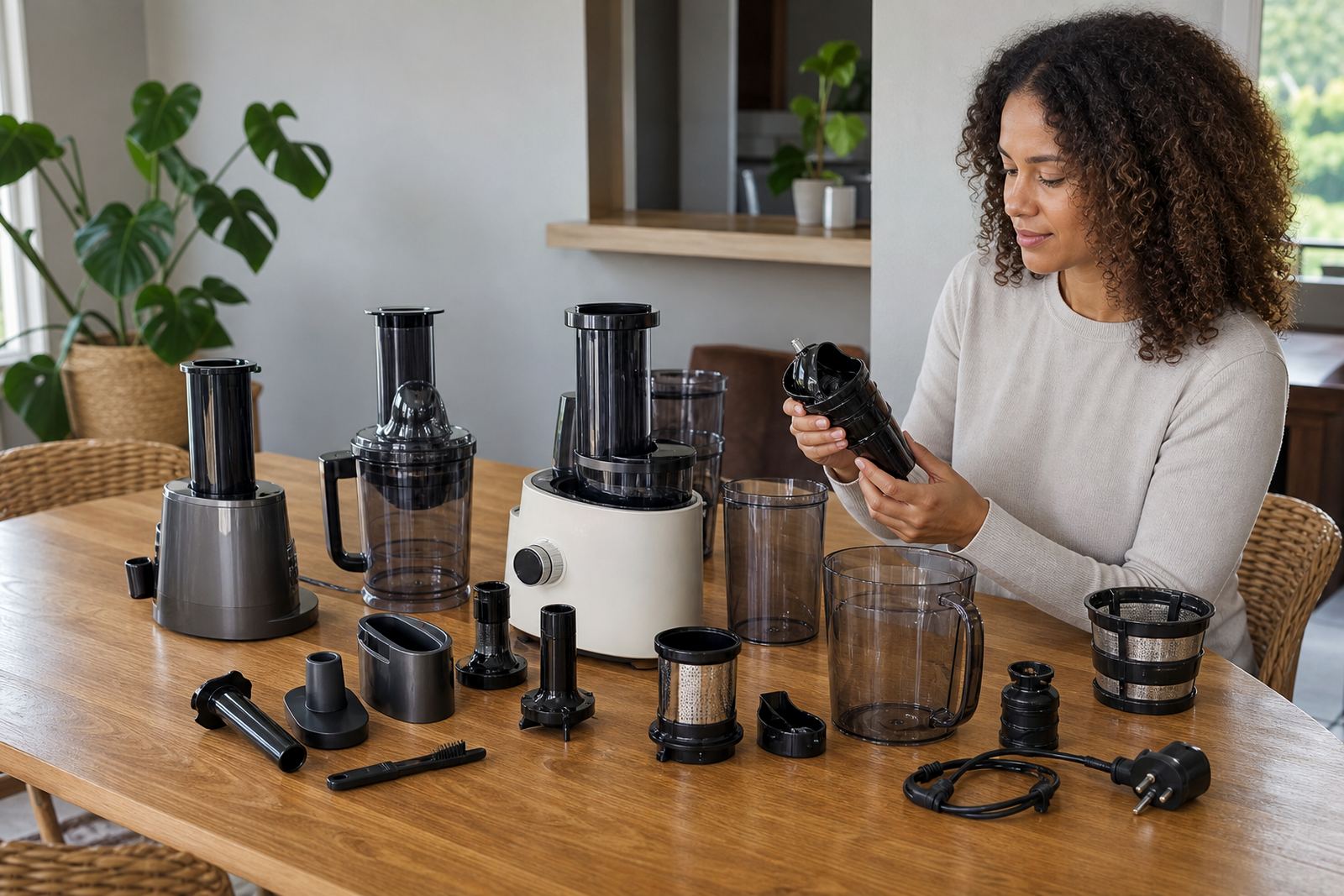
This service is practical and hands-on, with guidance that suits the style of juicer you own and the space you keep it in. We work through the parts that must be fully dry, the pieces that can stay lightly assembled and the bits that should be wrapped or separated for safekeeping.
- Drying guidance for chambers, lids, strainers, augers, pulp bins and feed chutes
- Reassembly checks so parts sit correctly without pinching seals
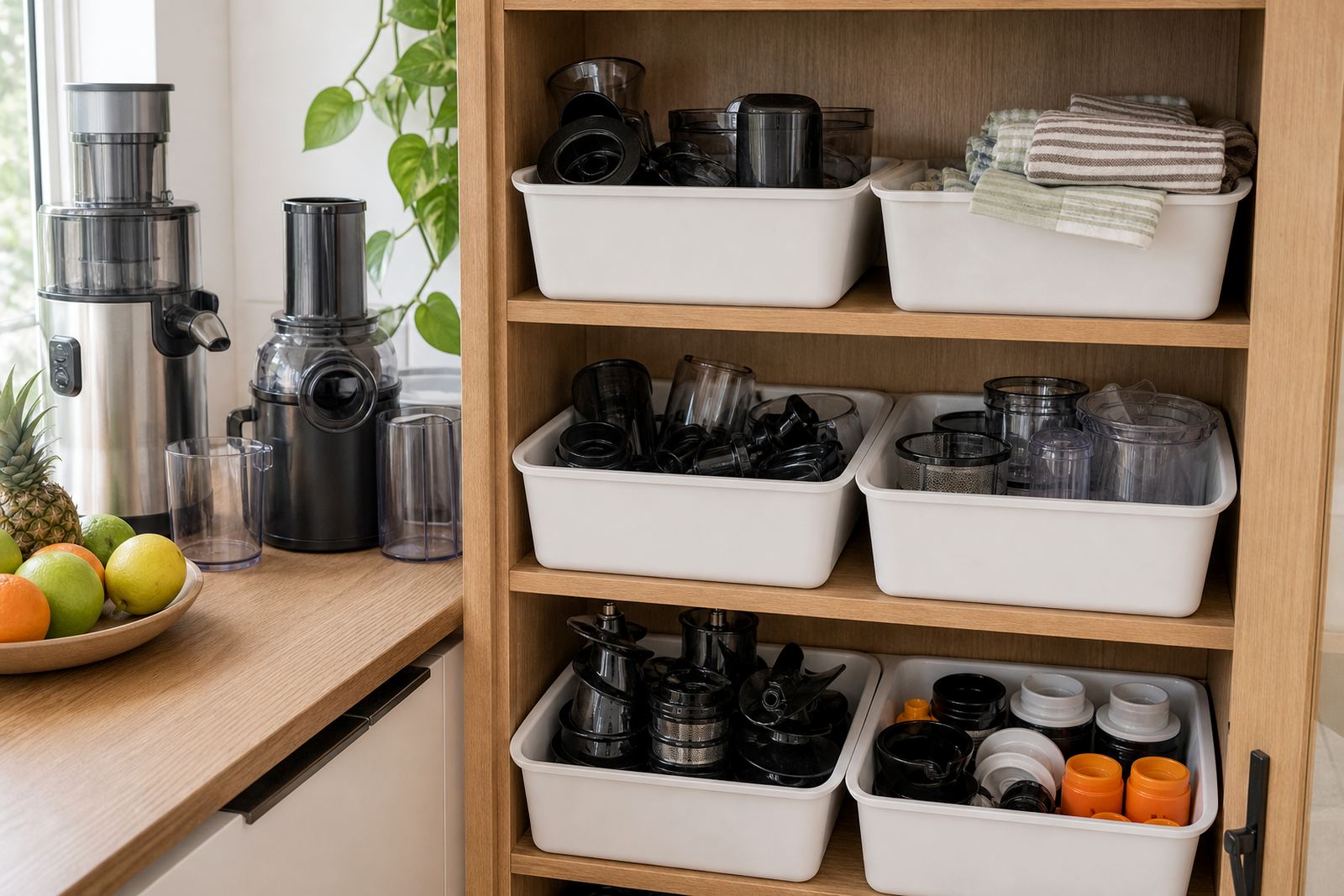
- Cupboard storage advice for kitchens, sculleries and utility shelves
- Seal and gasket check for damp, warping or trapped residue
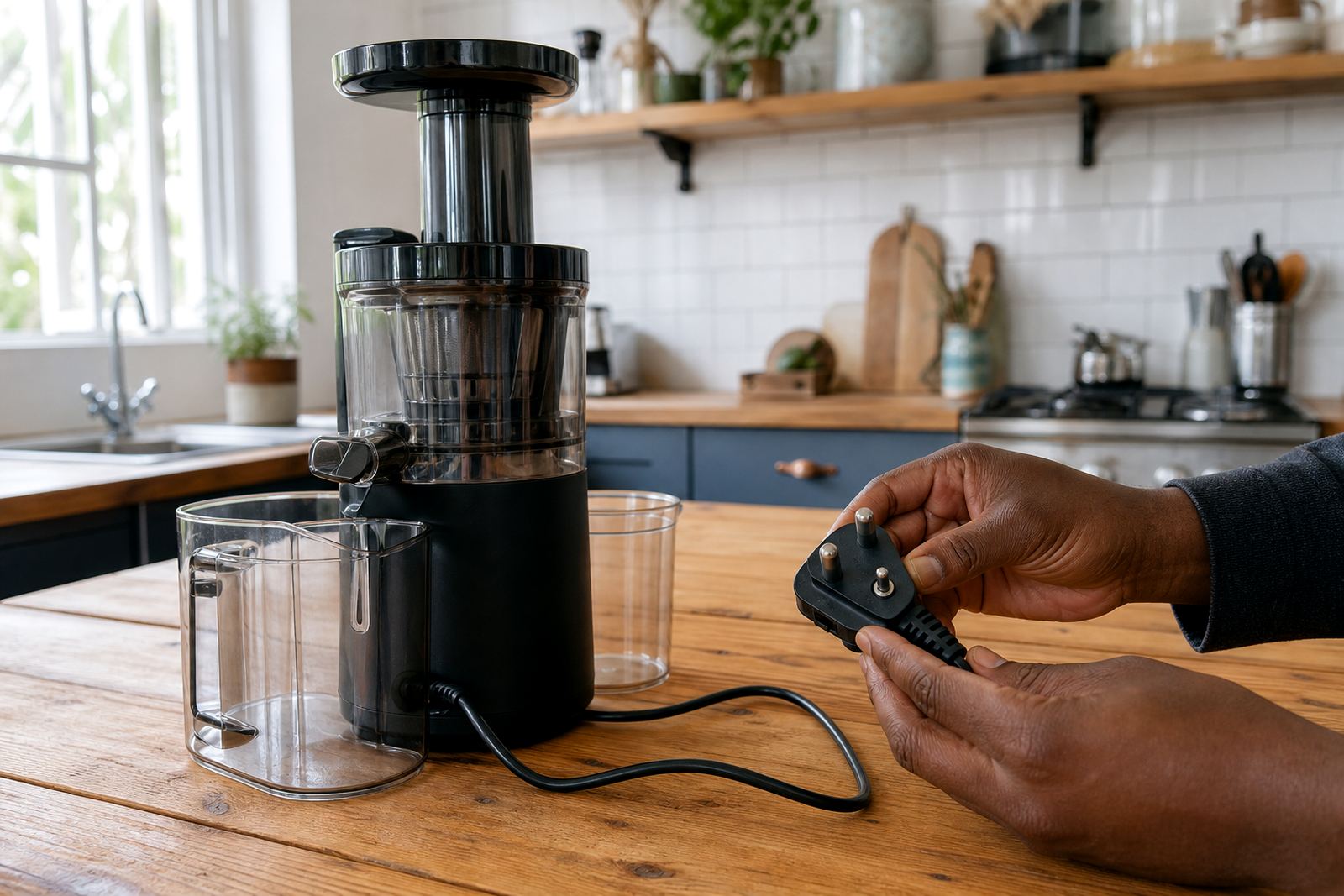
- Cable and plug storage checks where the power lead is kept with the unit
- Basic food safety guidance for clean contact surfaces between uses
If a part is not drying properly or a lid keeps sitting off-centre, we note it during the session and point out the likely cause.
Dry, then fit, then store
Our process is arranged so the machine is not packed away in a way that traps moisture. First we inspect the cleaned parts, then we show the drying order for the model in front of us. After that, we check how the pieces lock together and what should be stored loose rather than fitted.
- Inspect washed parts for wet spots, pulp traces and worn seals
- Dry the main body, removable parts and small fittings fully before storage
- Reassemble only what should stay together in the cupboard or box
- Set out a storage layout that keeps blades, screens and caps protected
- Confirm the next setup is quick, with no force needed on clips or threads
We also talk through where to place the unit in relation to gas hobs, dishwashers and sink spray, because steam and splashes can undo a good cleaning job very quickly.
Turnaround for in-home guidance and remote help
Storage Care is usually a short service because the work is more about method than repair. In most cases, an in-person session in Paarden Eiland or a scheduled video support call can cover the drying sequence and reassembly order in one visit. Where a unit has been stored with moisture inside, the session may take longer so we can check for odour, residue or stuck seals.
For clients in Cape Town delivery areas and nearby suburbs such as Stellenbosch and Somerset West, we can advise on storage after purchase or after a deep clean. For Johannesburg, Durban, Pretoria and George deliveries, the same service is handled through support and guided setup notes as needed.
Pricing shaped by the machine and the level of guidance
Pricing depends on the type of juicer, the number of parts involved and whether the job is a quick storage check or a fuller clean-down and reassembly session. A compact centrifugal unit with a small parts count takes less time than a twin-stage cold press with multiple filters, seals and pulp paths, so the pricing approach is matched to the work involved rather than a flat assumption.
We quote based on the actual care needed, which keeps the cost fair for the client and practical for the machine. If replacement seals or extra brushes are needed, those are discussed separately before anything is supplied or fitted.
- Quick storage guidance for a standard home juicer
- Extended storage advice where drying issues keep returning
- Combined support for reassembly, seal fit and cupboard packing
Aftercare once the machine is back in the cupboard
Good storage is only useful if the next unpack is easy. After the session, we leave you with care notes that explain how to open the cupboard, inspect the parts and check that no moisture has collected in the same place twice. If a unit has a cable plug, we show the safest way to coil and keep it clear of sharp bends or wet cloths.
For food safety, we advise keeping dry parts separate from cloths, sponges and cleaning liquids, and washing contact surfaces again if the machine sat with any damp residue. If a seal looks tired or a screen is difficult to dry, we can talk through the next step on a follow-up support call.
Why storage matters in South African kitchens
Kitchen conditions here change a lot from suburb to suburb.Cupboard storage also has to work around small kitchens, shared spaces and busy family routines, so the layout needs to be practical not perfect.
MiniPress works from Paarden Eiland and supports home owners across South Africa with storage care that suits the way juicers are actually used. Whether you have a slow masticating juicer, a centrifugal model or a cold press setup, the right drying and storage routine helps protect the parts between uses and keeps the next clean-up more manageable.
Key facts
| Service type | Storage Care for home juicers and cold presses |
|---|---|
| Focus | Drying, reassembly and cupboard storage between uses |
| Supported machine types | Slow masticating juicers, centrifugal juicers, cold presses |
| Service area | Paarden Eiland base, Cape Town delivery and nationwide support |
| Support methods | In-person guidance and video support call |
| Typical outcome | Cleaner storage, better airflow and easier next setup |