






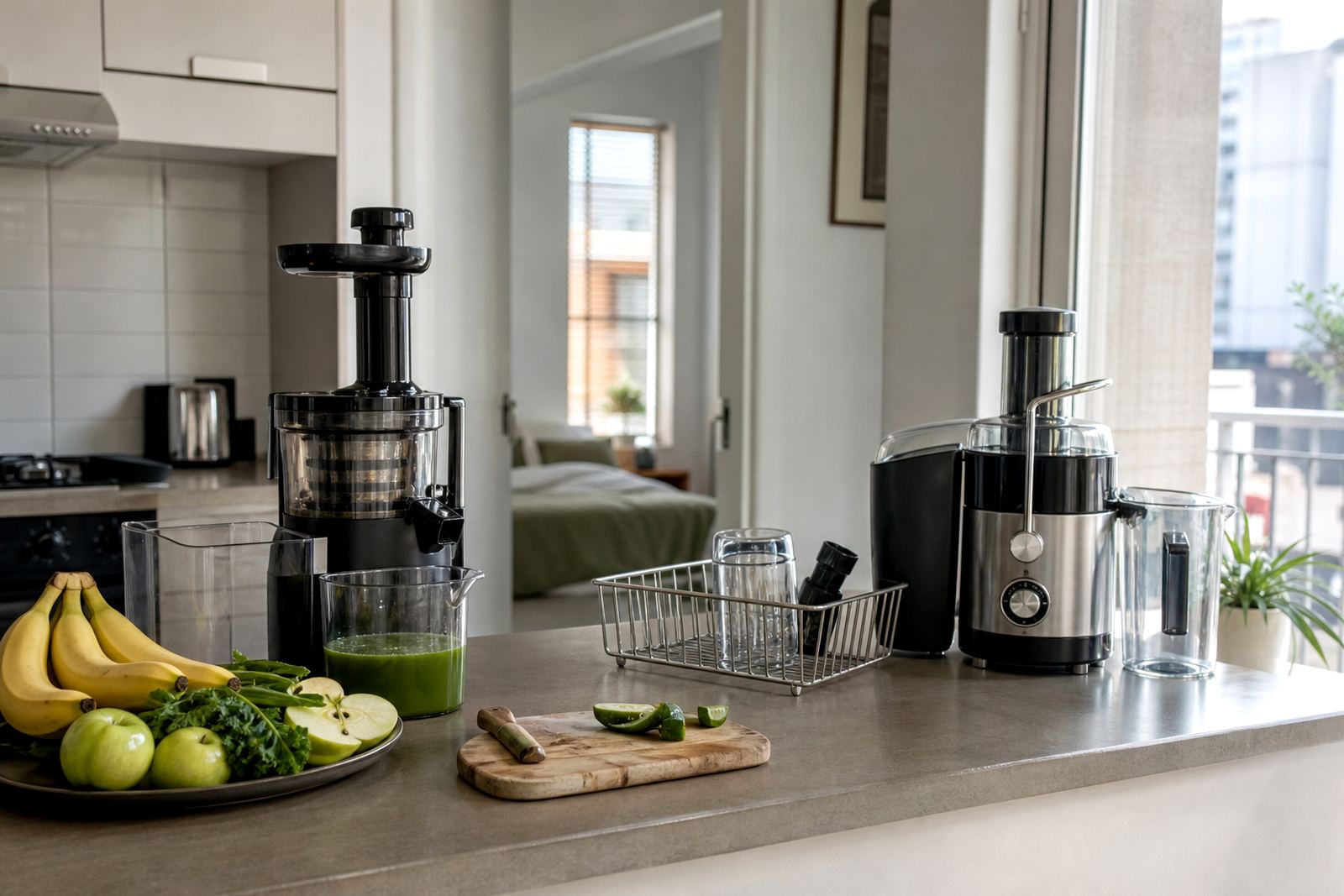

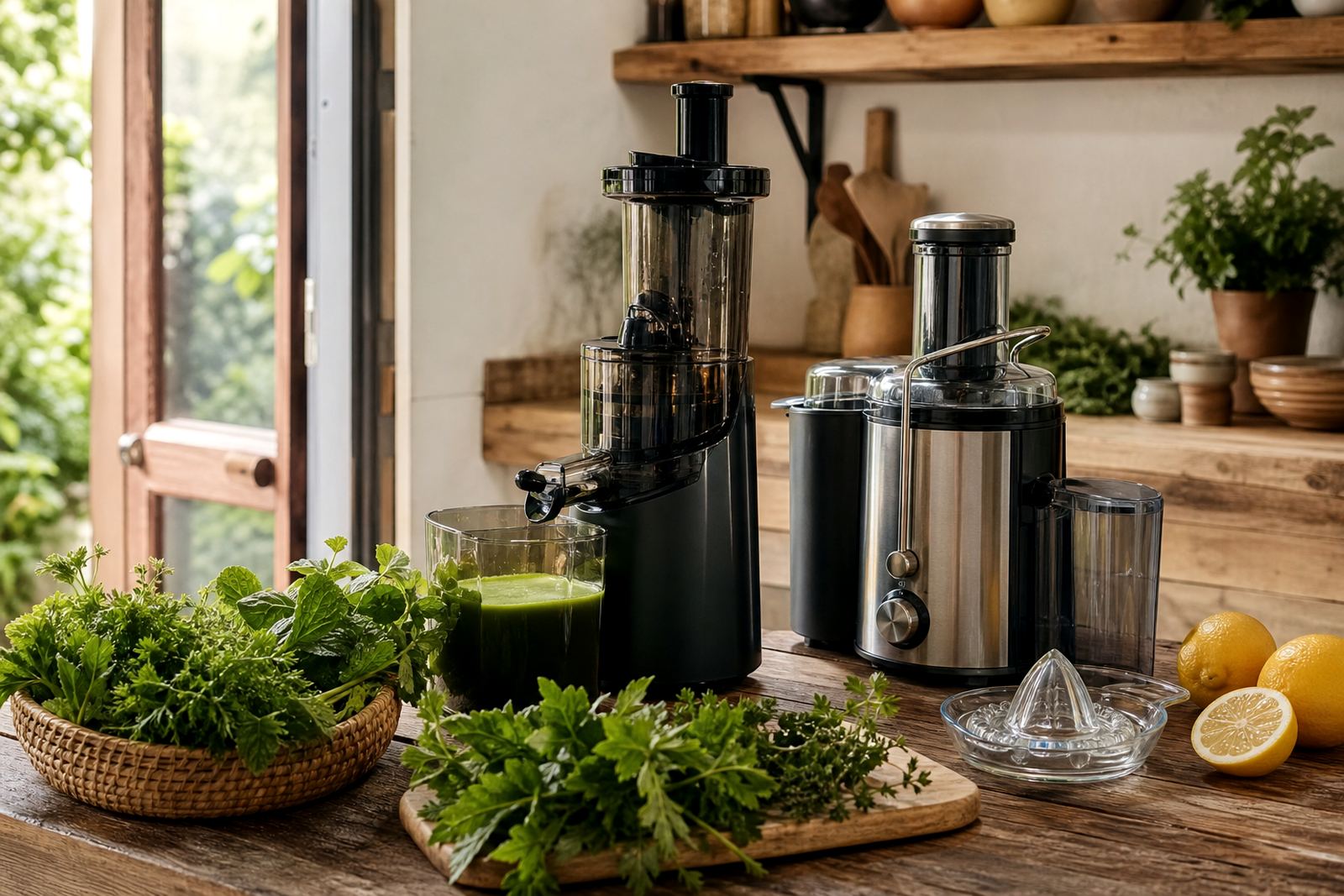

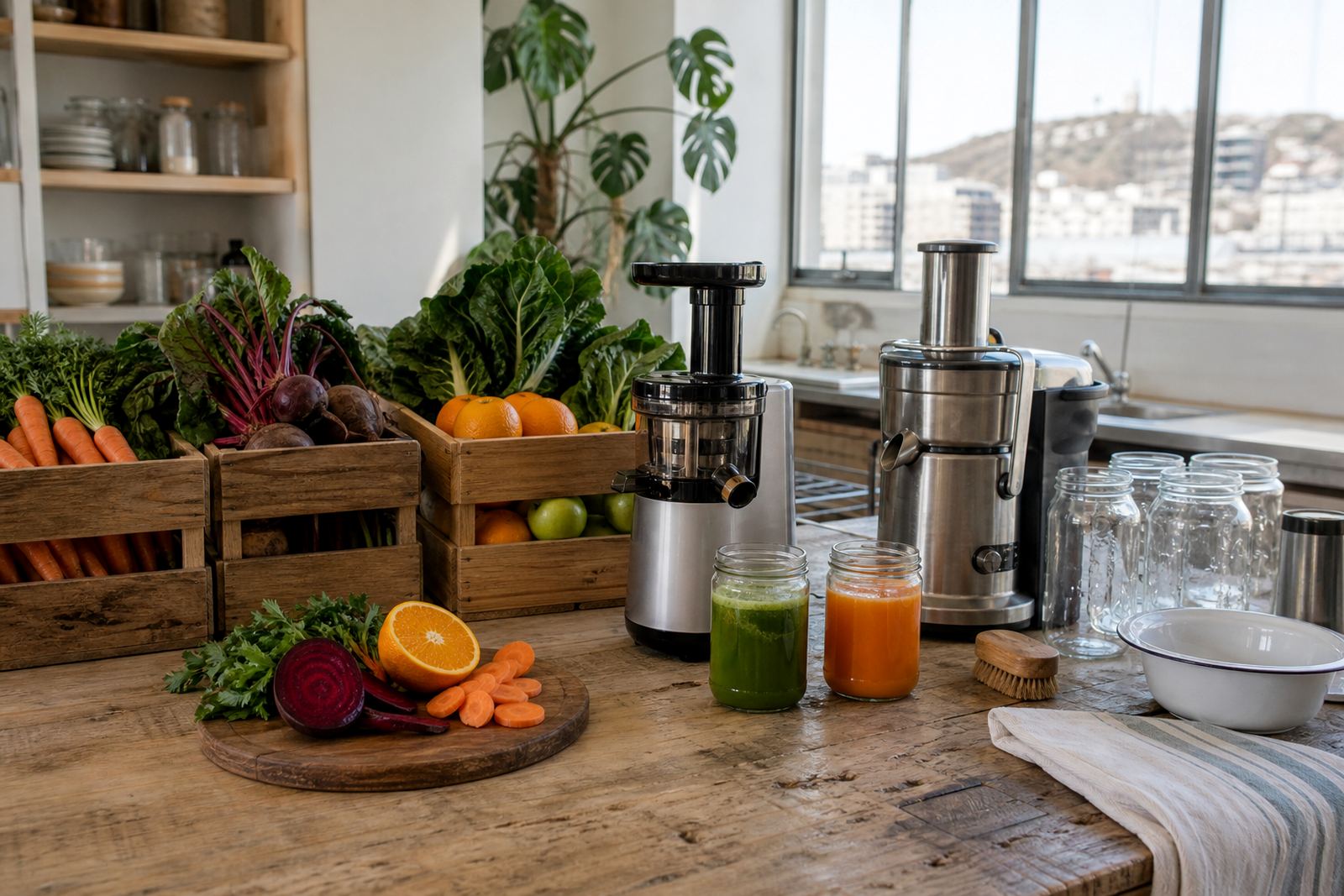
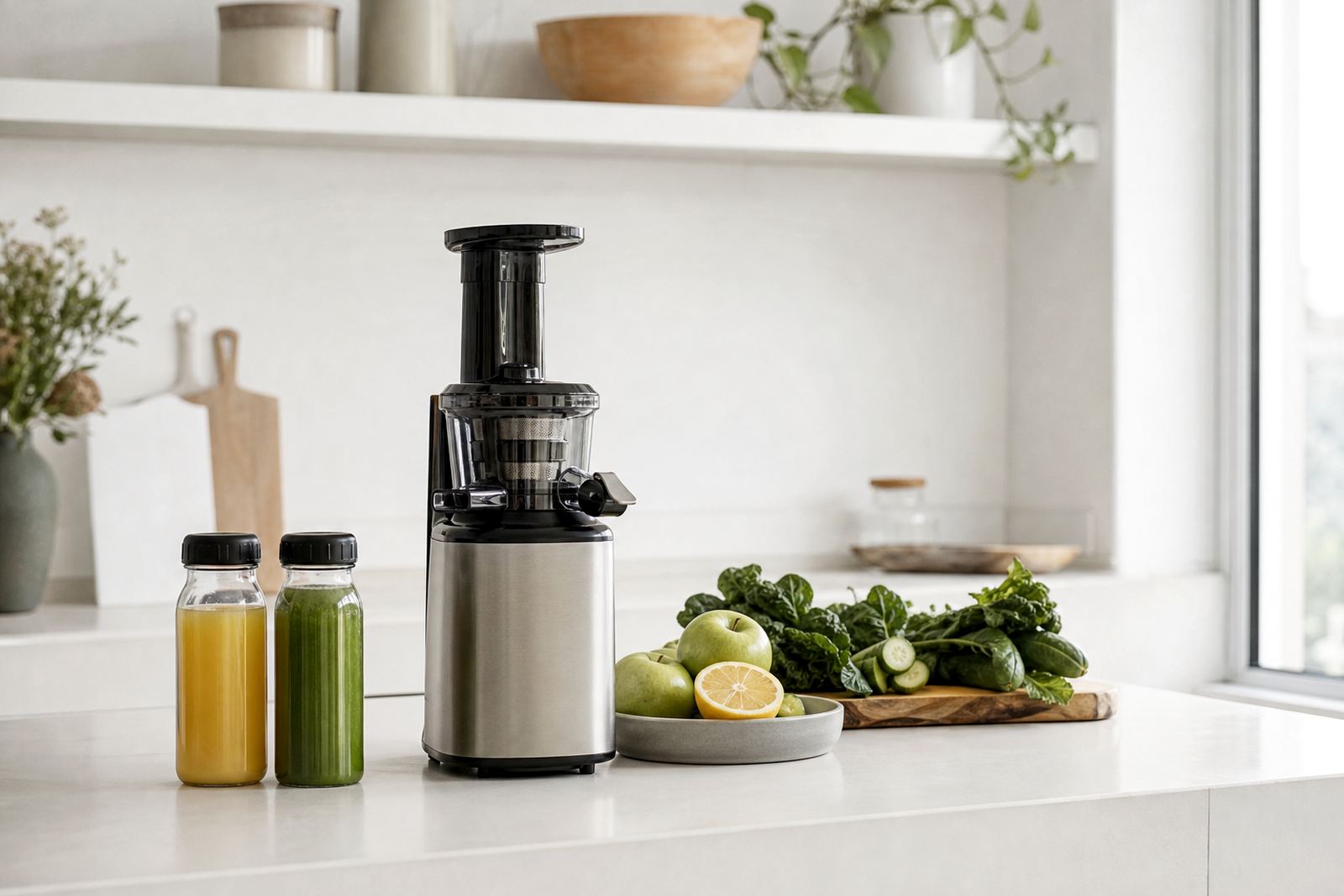
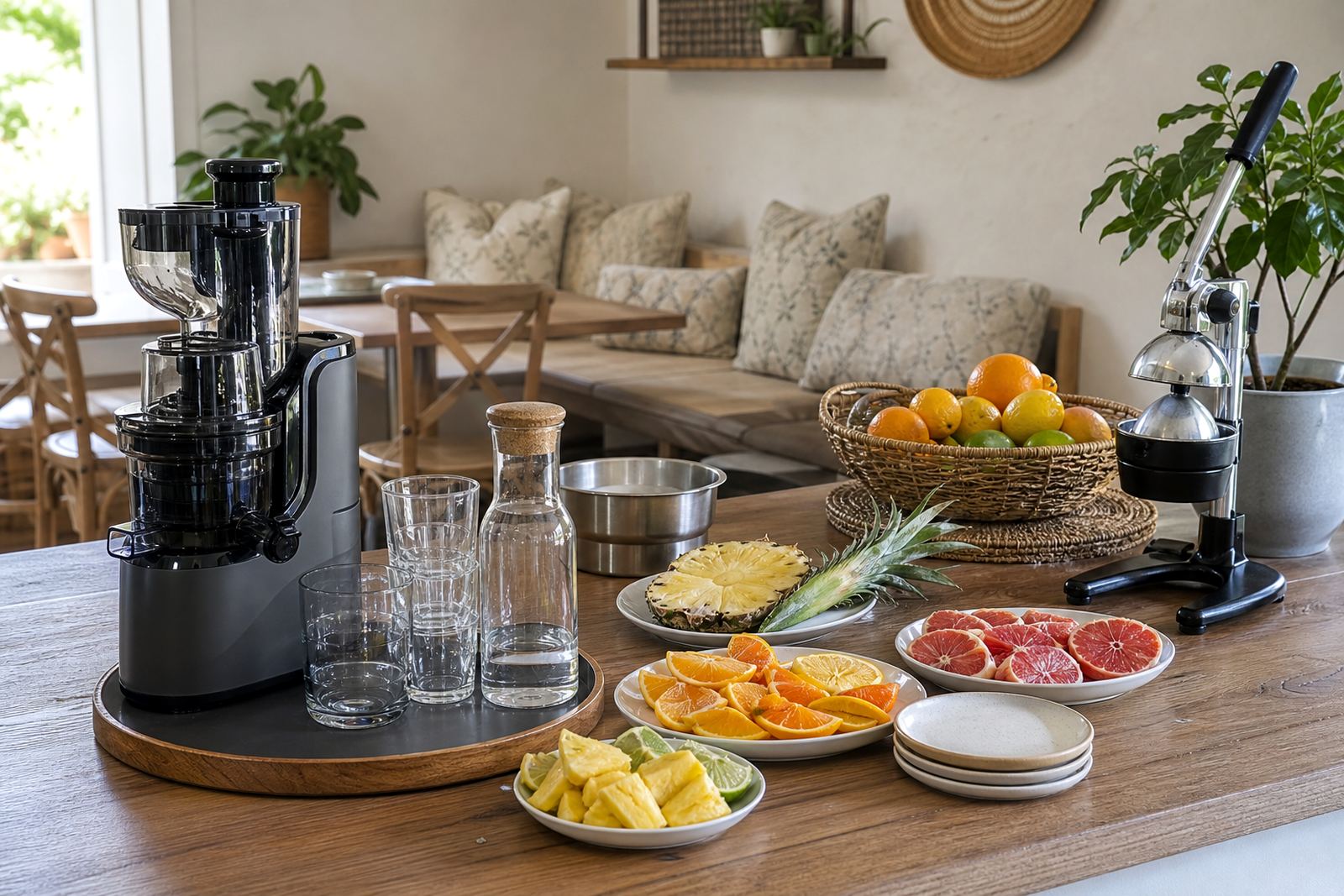
The kitchen rhythm behind each machine
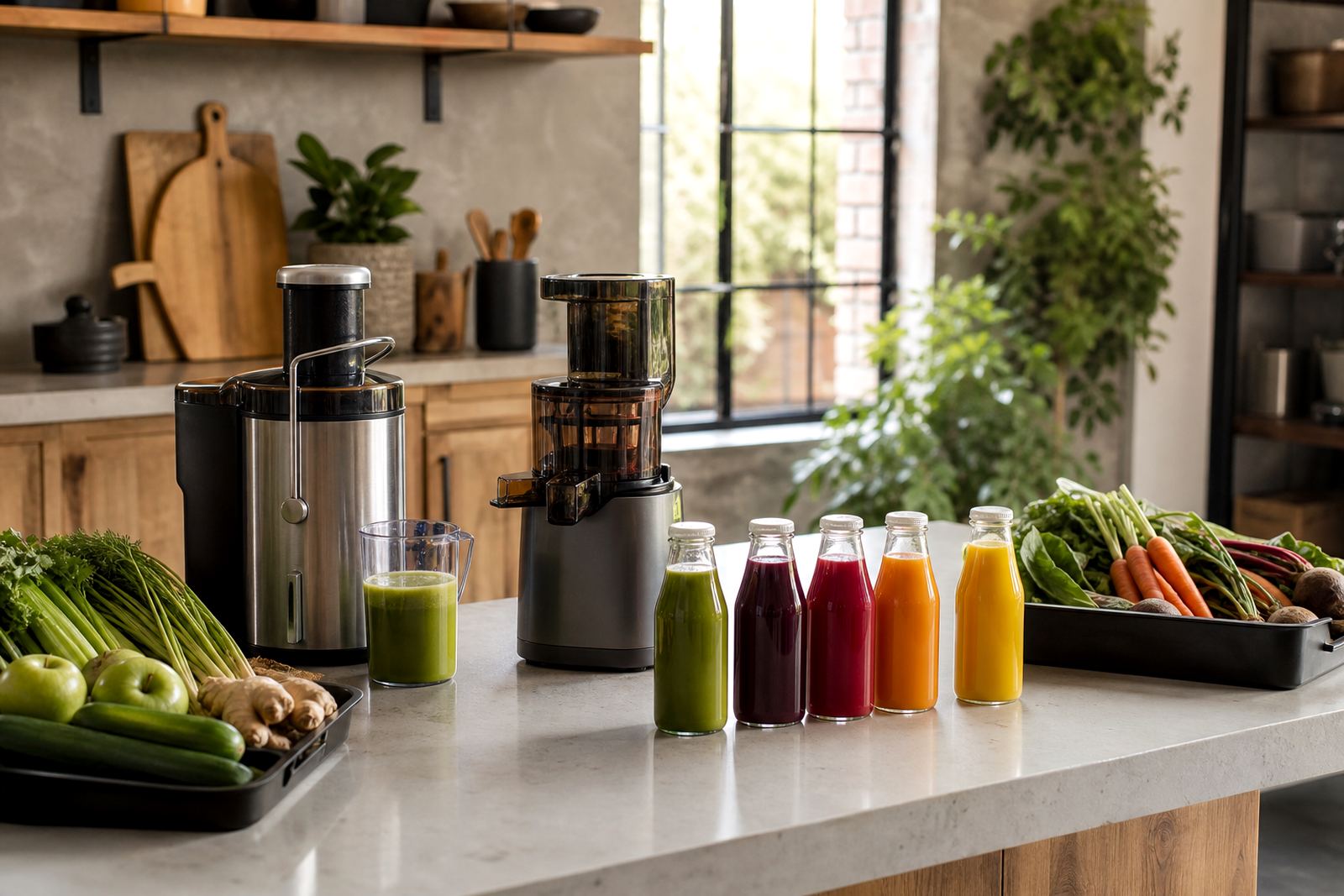
A quick juicer suits busy weekday mornings when fruit and veg are already washed and chopped. A slower machine suits people who prefer more control over the pulp, texture and yield, especially when the kitchen routine is less rushed. Cold presses fit households that value slower processing and steady extraction, while centrifugal juicers are often chosen for speed and ease of use.
In Cape Town flats, Joburg family homes and Durban kitchens close to the coast, the right choice also depends on counter space, storage and how often the appliance will be packed away. A machine that is easy to lift, rinse and dry can matter more than a long list of extras.
Fast pulp or slow press, what changes in daily use
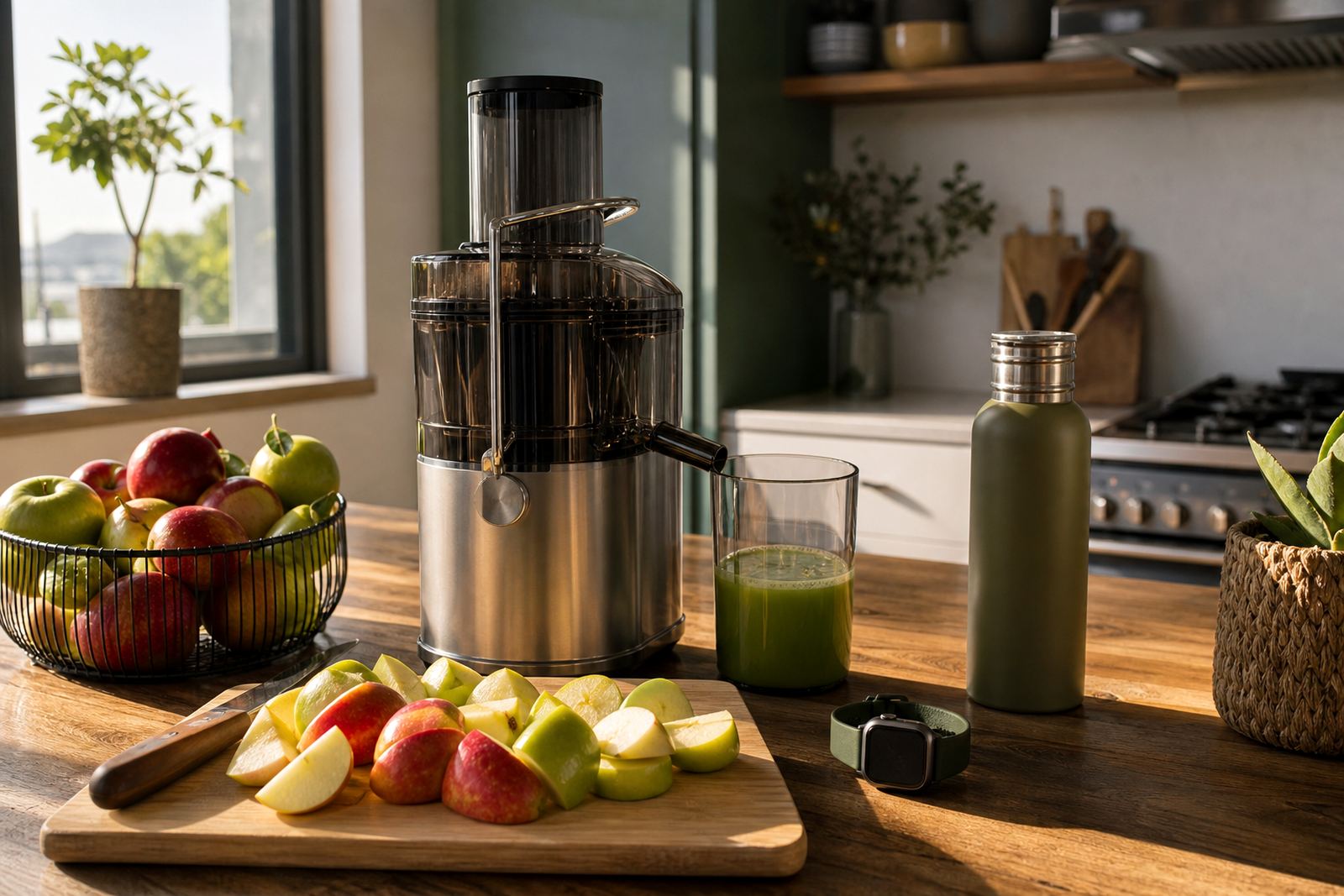
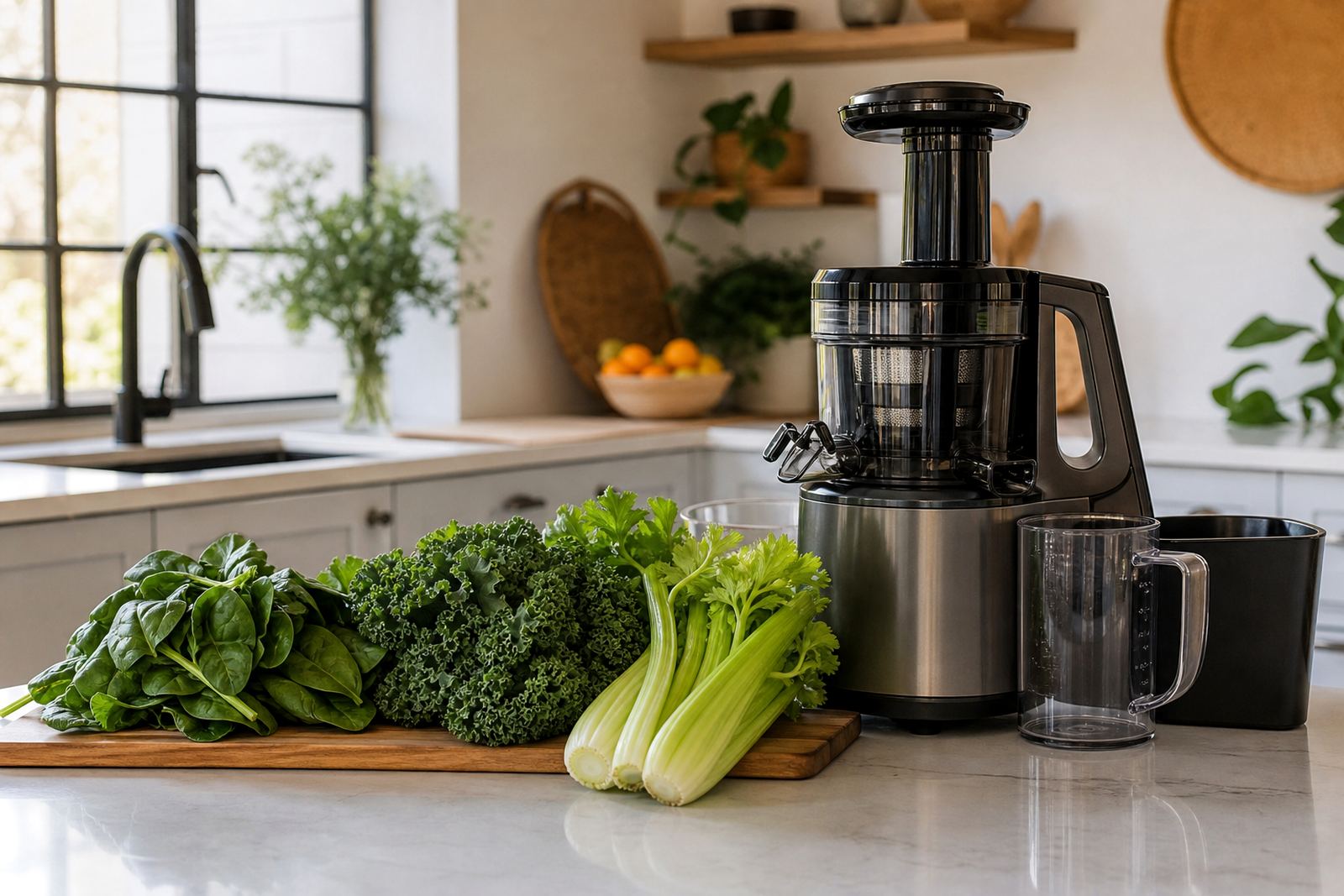
Centrifugal juicers work by spinning produce against a mesh screen, which is useful when you want juice quickly. They usually need less preparation time, but softer fruit can foam more and leafy greens may need extra feeding. Slow masticating juicers crush and press produce through an auger, which often gives a drier pulp and handles greens, herbs and harder veg with more patience.
- Centrifugal: better for speed, larger batches and quick cleanup between tasks.
- Slow masticating: better for quieter operation and a steadier feed rate.
- Cold press: often chosen when the user wants gentle extraction and less heat build-up.
- Household fit: a compact unit can suit a small kitchen better than a large machine with many parts.
What families usually notice first
Most households notice three things first: noise, prep time and cleanup.A quieter slow press may suit early mornings, while a centrifugal unit may suit a family that values speed and does not mind more sound.
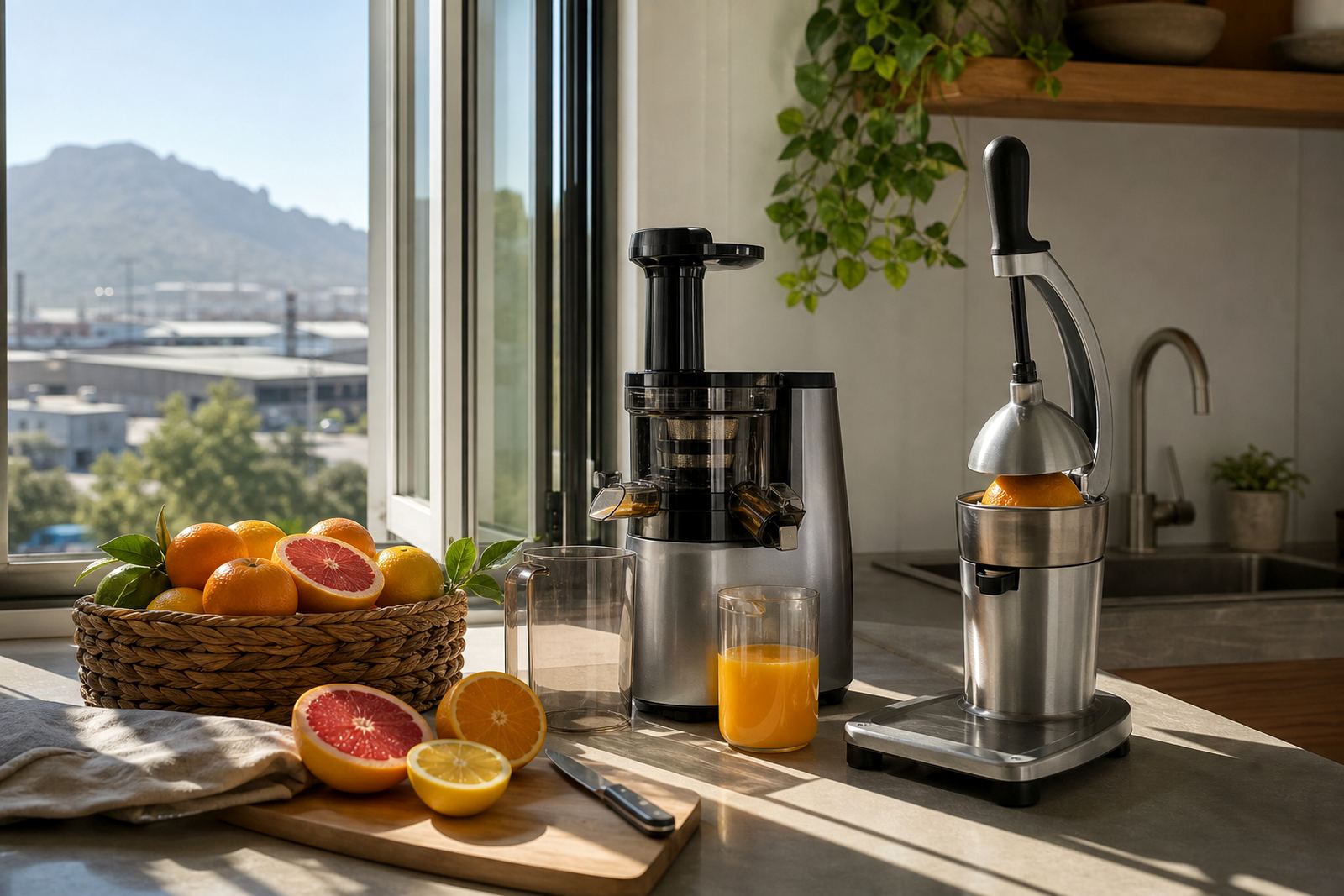
Pre-cutting fruit into smaller pieces helps reduce strain on the feed chute and can keep the machine moving evenly. For soft fruit, citrus and watery produce, it helps to work in sensible batches so the pulp screen does not clog. If you are juicing often, a machine with straightforward parts is usually easier to live with.
Cleaning habits that keep food safe
Good cleaning matters just as much as the juicing process. Wash parts soon after use so pulp does not dry onto screens, cutters or augers. Rinse removable pieces in warm water, use a soft brush on fine mesh screens, and dry each part fully before storage to limit odour and moisture build-up. In humid coastal areas like Paarden Eiland, this is especially useful because damp parts can stay wet longer.
- Separate food contact parts from general kitchen cloths and sponges.
- Check seals, lids and feed chutes for trapped pulp before packing away.
- Use only the cleaning method recommended for the material of each part.
- If juice sits out, refrigerate it promptly and do not leave residue in the machine overnight.
When a cold press makes more sense than a quick spin
A cold press can be a better fit for households that juice less often but want a slower, more controlled routine. It can also suit users who plan to make mixed vegetable blends, nut milks or small batches for the week. The slower action means the machine often asks for more prep, yet some people prefer that because it gives them a clearer process from chopping to cleaning.
If your kitchen is small, think about storage, counter height and where the machine will dry after washing. In Pretoria and George homes where summer power cuts or moisture swings can affect daily routines, a machine that is easy to lift and reassemble can save time and irritation.
Help for stubborn parts, noise and leaks
Home juicers are straightforward when everything fits properly, but small faults can interrupt use. A loose seal, worn screen, cracked bowl or uneven assembly can lead to drips, vibration or extra noise. Plug checks are also worth doing if a machine stops starting after a move or a power interruption.
We assist with first time setup, deep clean guidance, spare parts help, seal replacement, screen care, leak troubleshooting, noise vibration checks, storage care, cable plug checks, brushes and tools, routine care plans and video support calls. For households across Cape Town, Johannesburg, Durban, Pretoria, George, Stellenbosch and Somerset West, that kind of practical help keeps the appliance in daily use rather than sitting in a cupboard.
Choosing with your household routine in mind
Pick the machine that matches your kitchen pace, not just the label on the box. If mornings are rushed, a centrifugal juicer may suit. If you prefer slower prep and more careful extraction, a masticating juicer or cold press may be the better fit. If several people will use it, choose a model that is easy to assemble, rinse and store without fuss.
For online orders, our Paarden Eiland base handles delivery across South Africa, including Cape Town, Johannesburg, Durban, Pretoria and George. Clients can reach us through the enquiry form on our contact page for setup guidance, cleaning help and part checks.