


How to match the care to the machine
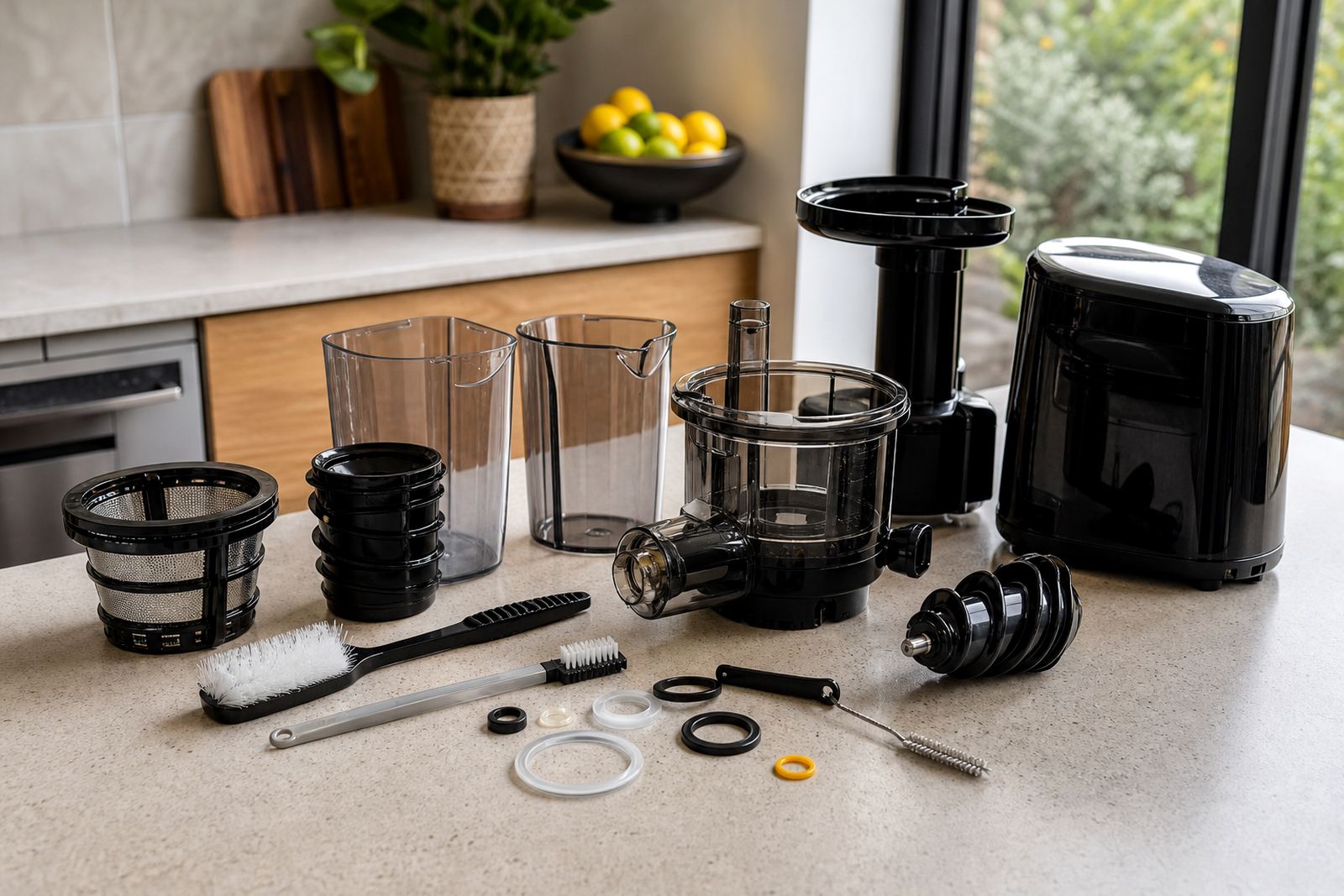
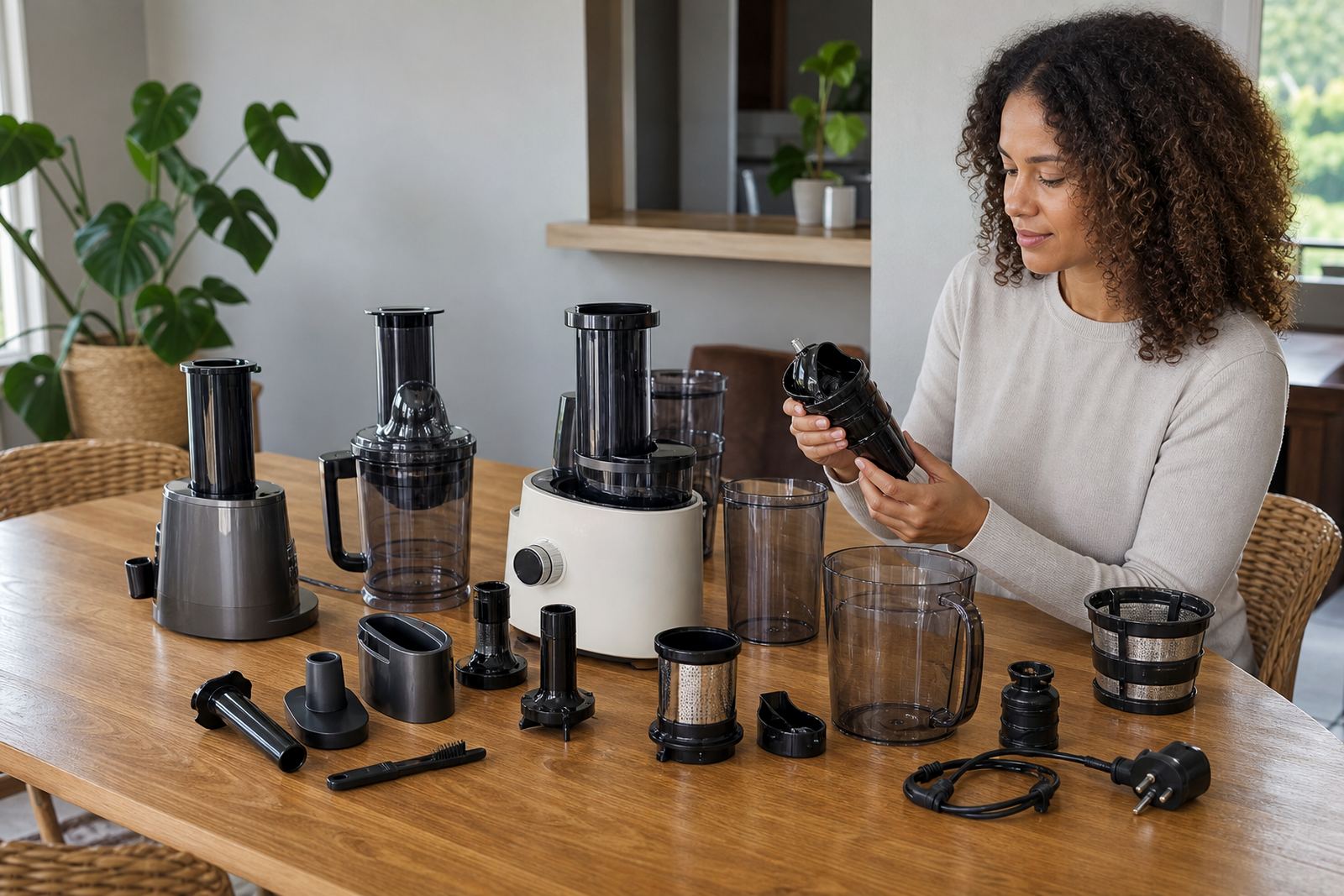
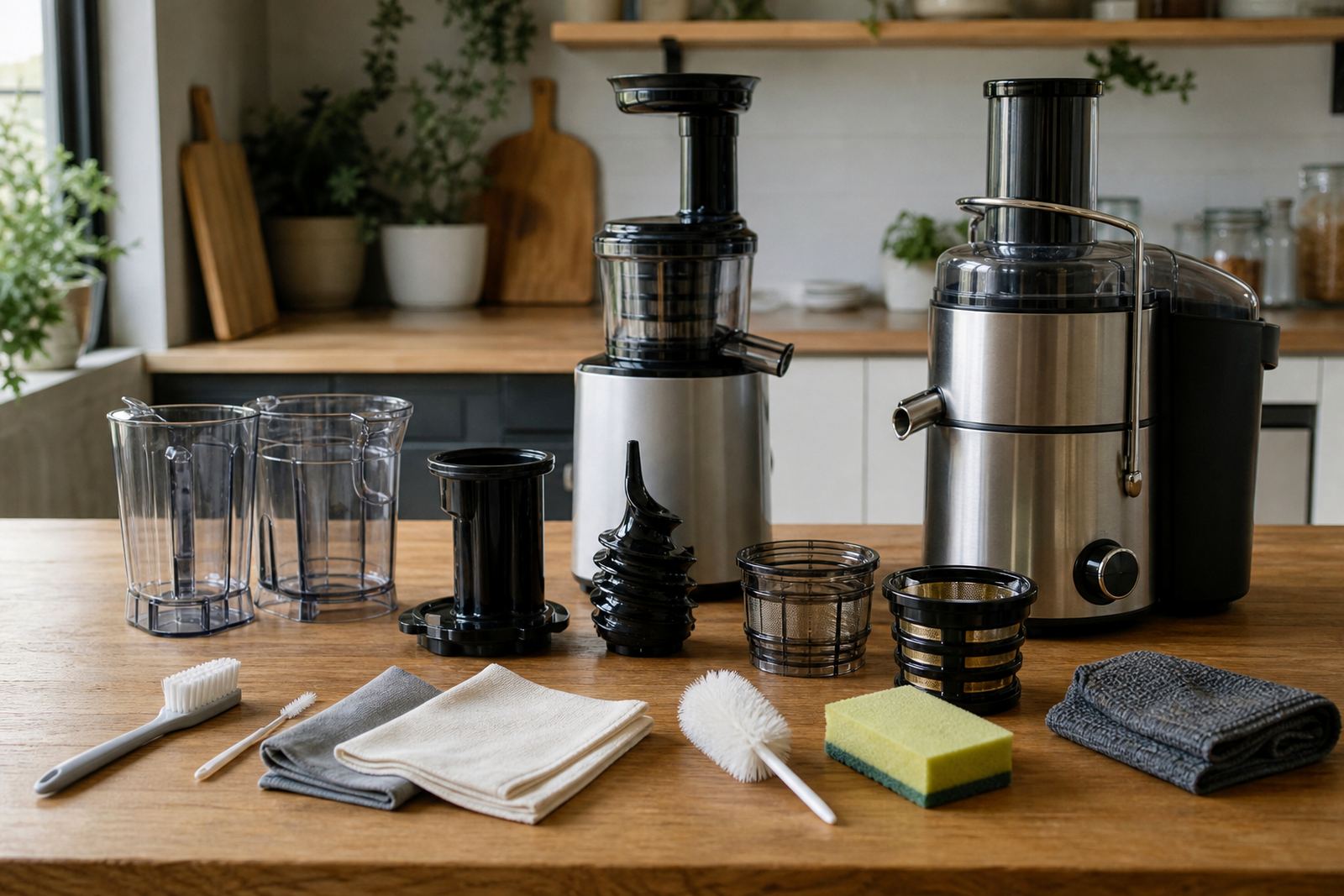
Slow masticating juicers, centrifugal juicers and cold presses each need a different routine, so the first step is knowing what sits on your counter. A slow masticating unit usually works with an auger and fine screen, which means more parts to rinse and inspect. A centrifugal model spins faster and often builds up pulp around the basket, while a cold press setup may use pressing plates, strainers or extra seals that must be fitted properly before use.
If the parts are lined up incorrectly, the machine may leak, vibrate or struggle with feed. That is why first time setup matters just as much as cleaning.
Cleaning habits that keep food safe
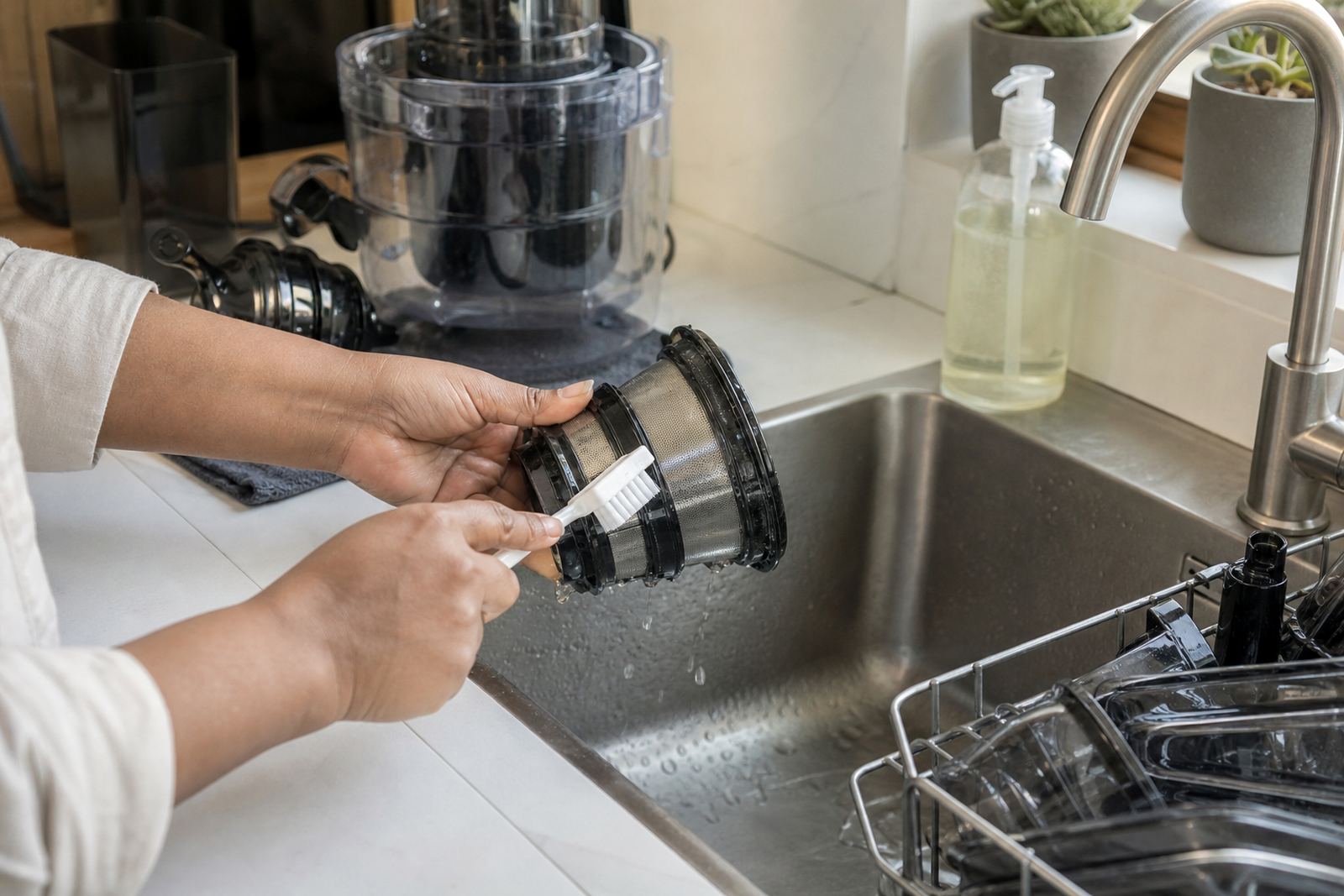
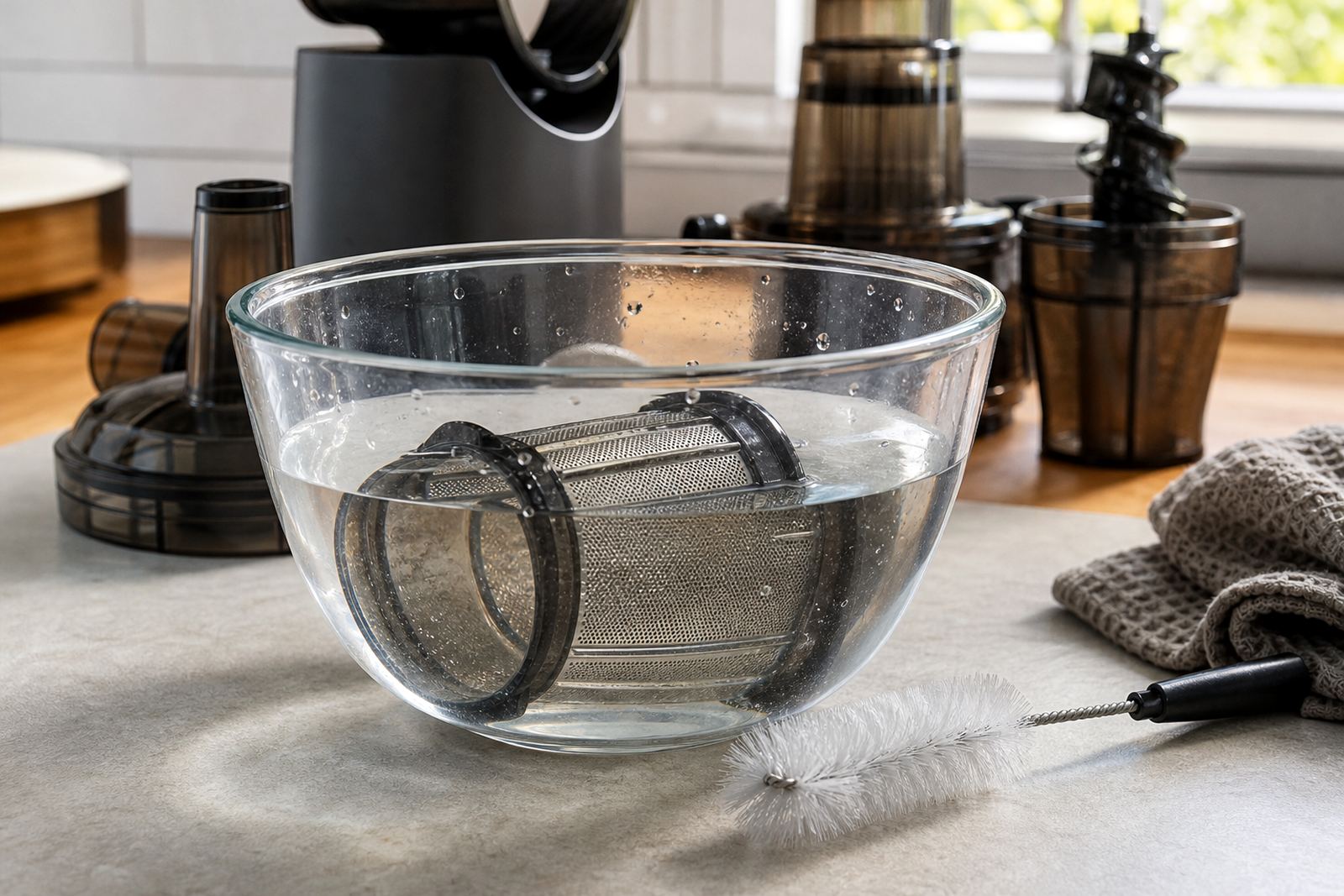
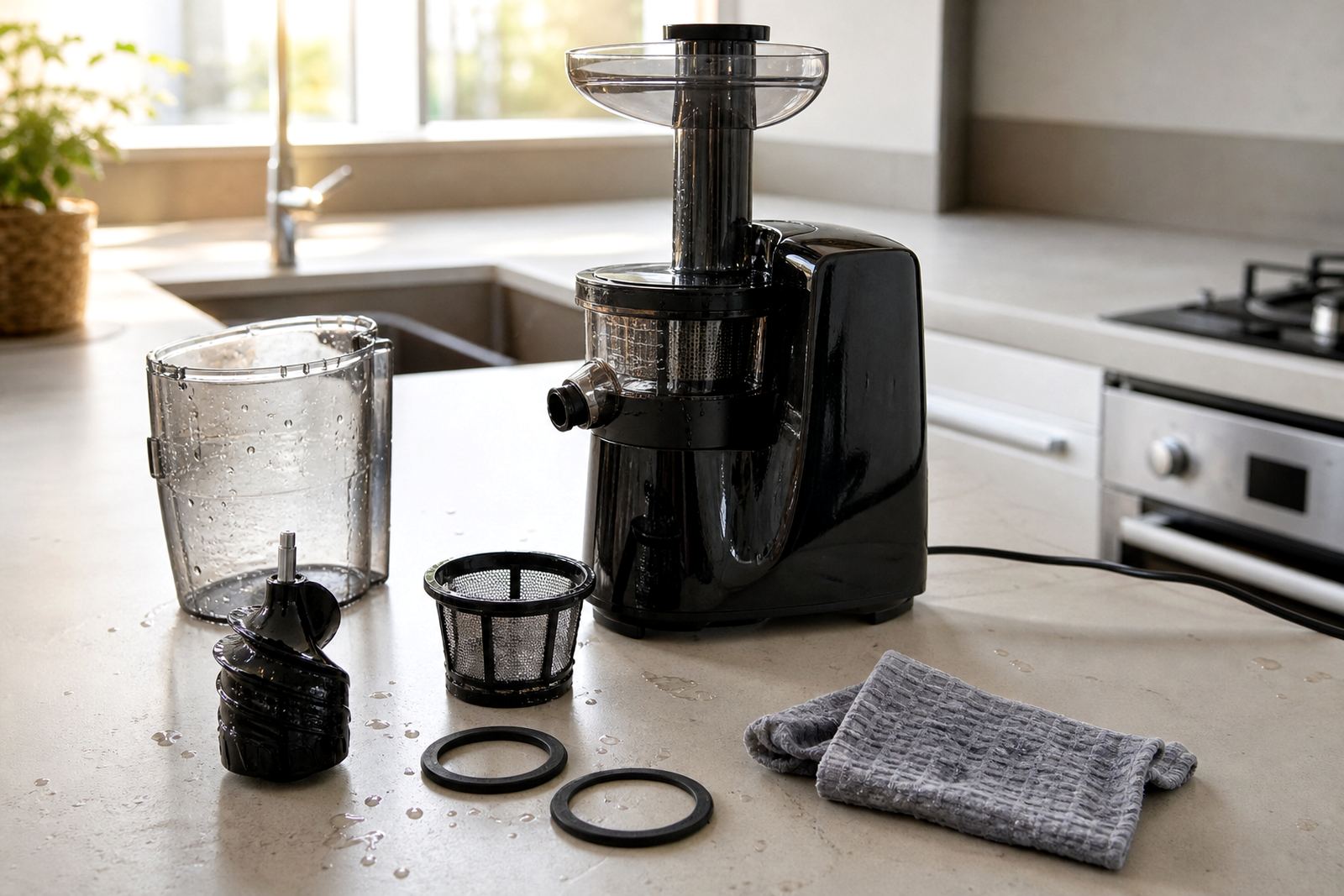
Fresh produce leaves juice, fibre and residue that should be cleaned out promptly. Rinse removable parts soon after use, then wash with warm water and a mild kitchen cleaner. Fine screens and narrow spouts need careful attention because trapped pulp can dry hard and affect flow next time. Let every part dry fully before storage so moisture does not stay in seals, lids or joints.
- Take machines apart only as far as the manual allows.
- Use the right brushes for screens, augers and juice outlets.
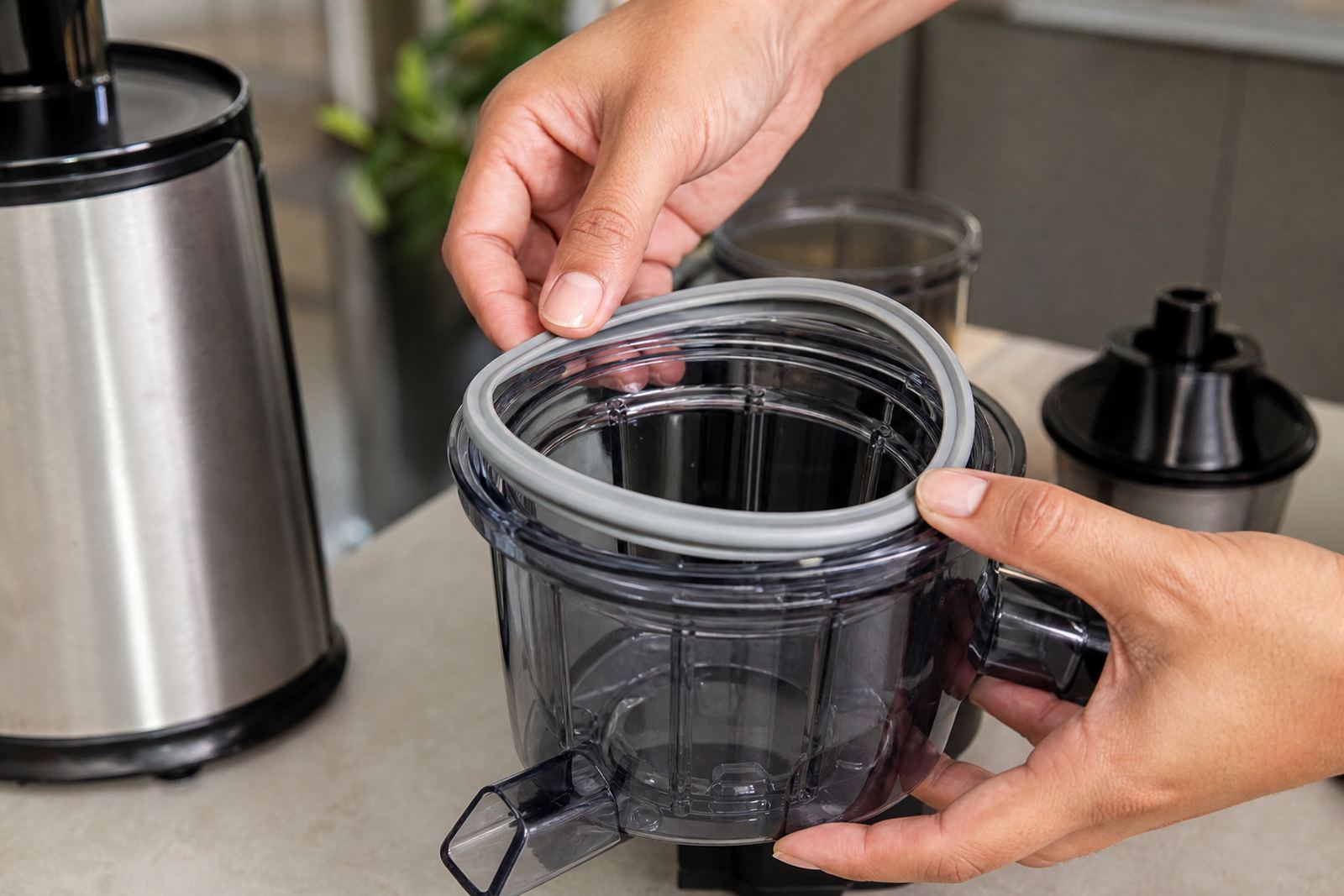
- Check rubber seals and gaskets for cracks, flattening or stretch.
- Keep electrical bases dry and wipe them with a soft cloth only.
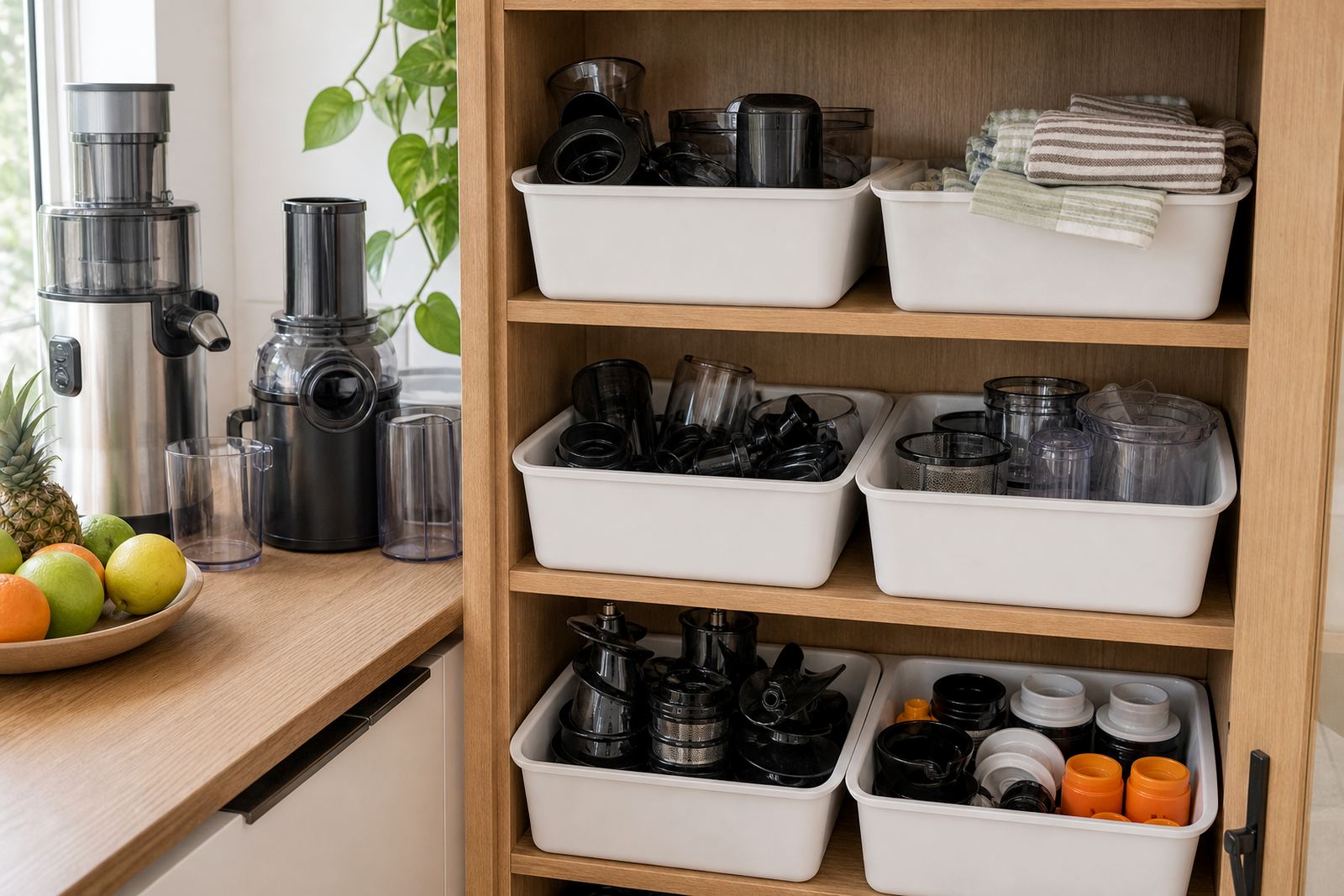
- Store clean parts in a cool dry place, not in a damp sink cupboard.
In coastal areas such as Durban and Paarden Eiland, salty air and humidity can shorten the life of metal screens and clips if they are put away wet. A few extra minutes of drying saves trouble later on.
When a seal, screen or plate needs attention
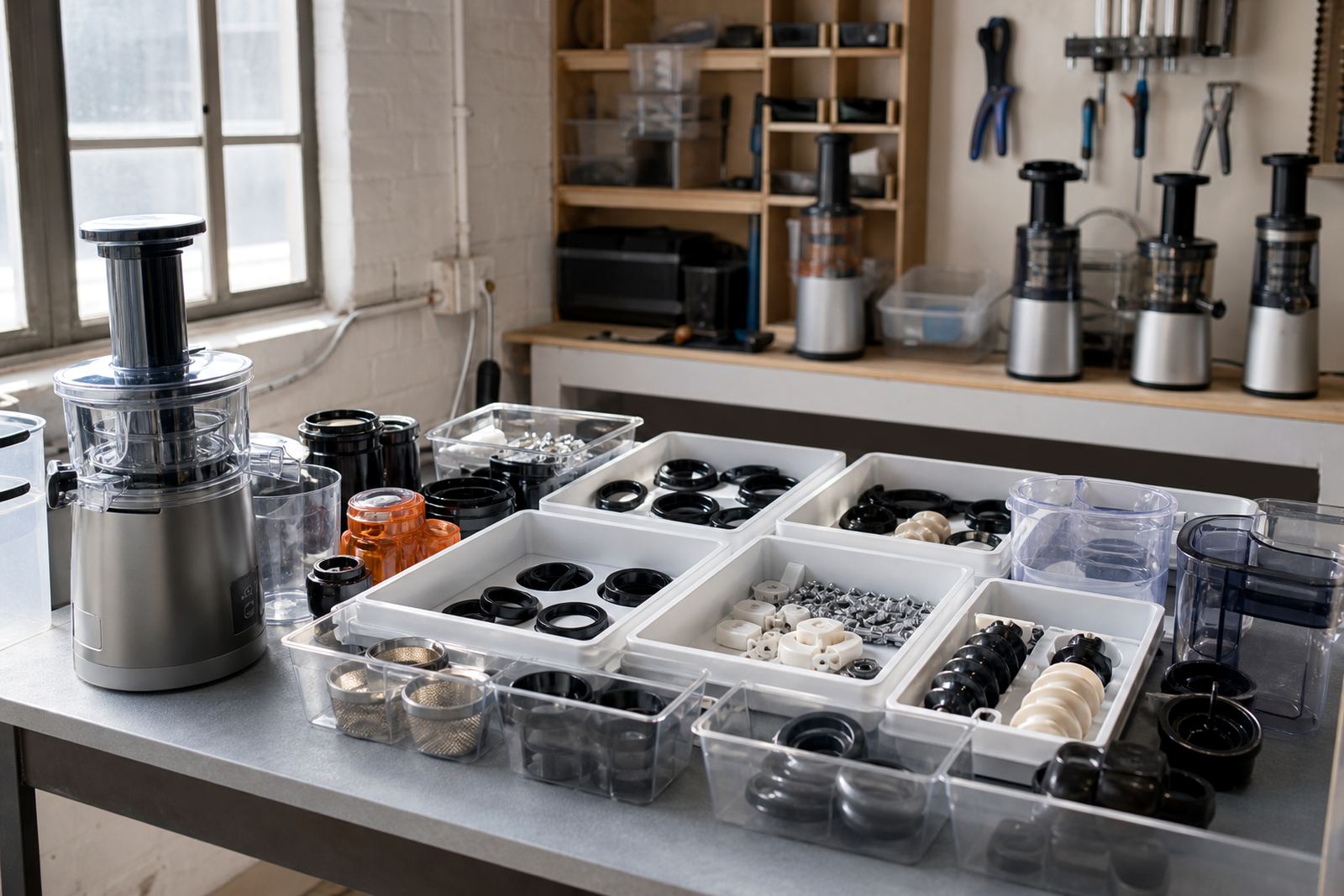
Replacement parts are part of normal upkeep. A worn seal can cause drips. A bent screen can leave too much pulp in the juice or slow the flow. A damaged pressing plate may not sit evenly, which can lead to strain on the motor or handle assembly. If a feed chute feels loose or a cover no longer locks down firmly, it is better to check it early instead of forcing another run.
- Seal replacement for leaks around lids, spouts and chambers.
- Screen care where mesh is clogged, split or misshapen.
- Spare parts help for caps, lids, plungers and pusher pieces.
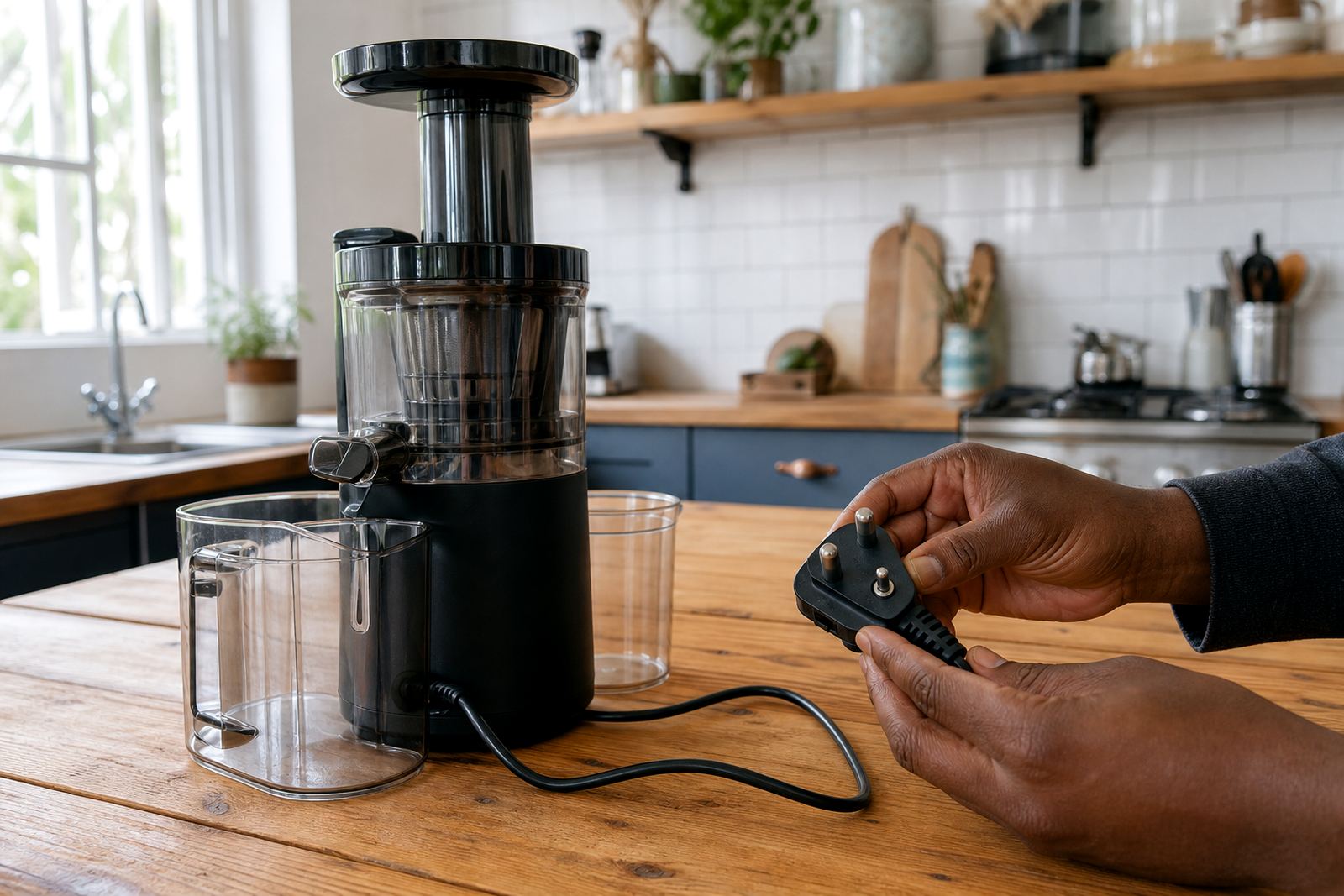
- Cable plug checks where the cord or plug housing looks worn.
MiniPress can help identify the part that matches the machine and advise on fit before anything is ordered. That is useful when the juicer has been moved between homes, or used heavily in a family kitchen.
Trouble signs worth checking early
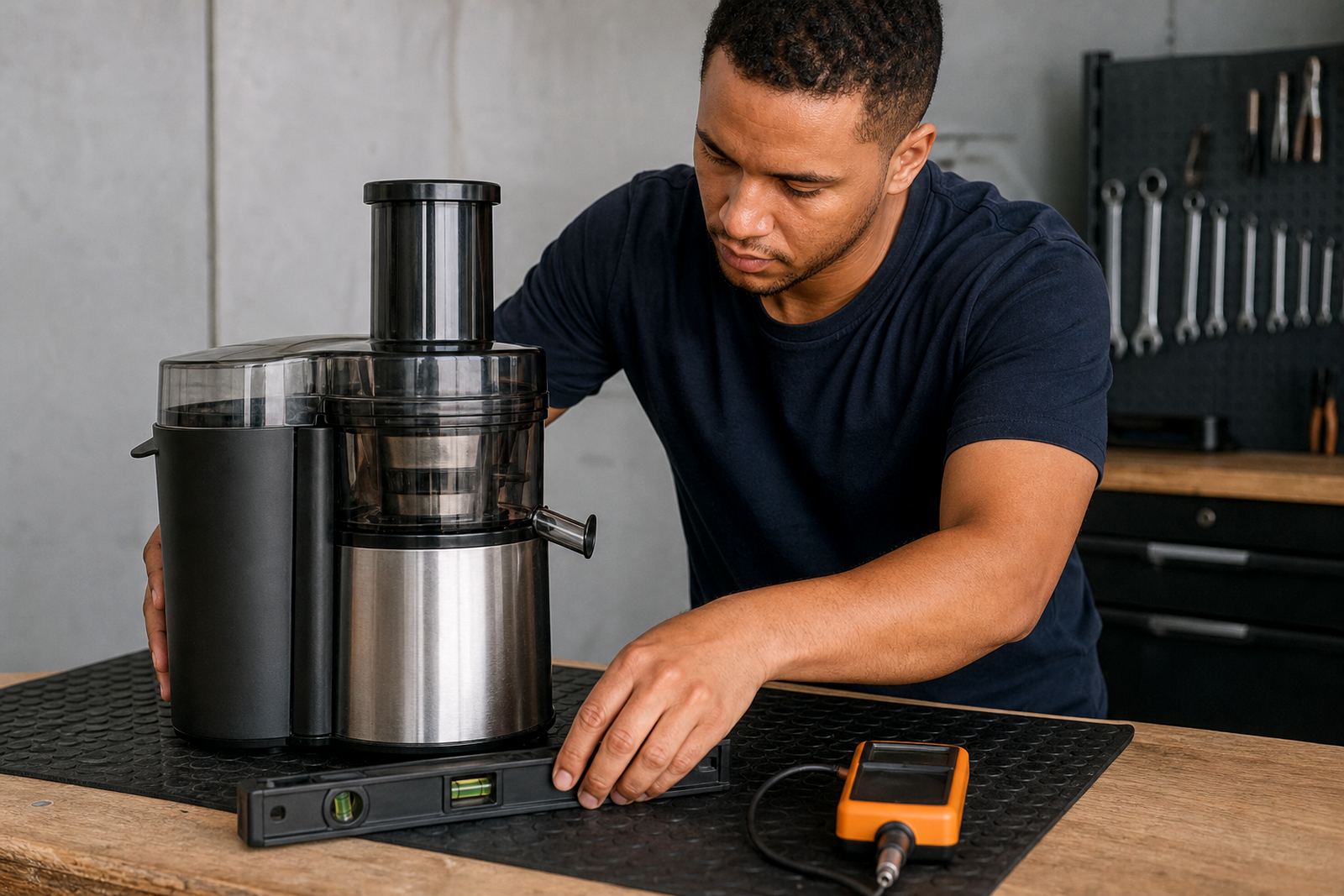
Some problems start small. A louder motor, more vibration, slow feed, uneven pulp or a smell of strain can point to blocked parts, loose assembly or a worn drive component. If the unit shakes across the counter, check whether the feet are clean, the surface is level and the bowl or chamber is seated correctly. Noise can also come from hard residue trapped under a basket or from a screen that is not locked in place.
Where a unit overheats or cuts out, let it cool fully and inspect for obstruction before trying again. Never run a machine with damaged wiring, cracked housings or exposed metal at the plug. For homes in Pretoria, Stellenbosch and Somerset West, where kitchens can be busy and storage space is often tight, regular checks help prevent avoidable wear.
Practical support for home users across the country
MiniPress handles care and spares support from Paarden Eiland base and supplies customers through delivery areas that include Cape Town, Johannesburg, Durban, Pretoria, George, Stellenbosch and Somerset West. The service is built around the day to day realities of home use, from first assembly to later maintenance.
- First time setup
- Deep clean guidance
- Leak troubleshooting
- Noise and vibration checks
- Storage care after washing
- Brushes and tools guidance
- Routine care plan support
- Video support call
Whether the issue is a missing part, a loose fitting or a machine that is not running as it should, the aim is to keep the equipment working properly without guesswork.
The spares shelf starts with the right detail
Ordering the correct part starts with a close look at the machine. Note the model details, the shape of the screen, the type of seal and the way the cover locks. Pictures help, especially when a part has warped, split or gone missing after cleaning. If a machine has several similar pieces, a small mismatch can stop the whole unit from working properly.
MiniPress can guide home users on what is likely needed and how it should fit. That includes parts for storage care, plug checks and basic wear items, not just the visible juicing pieces. Good upkeep is not complicated, but it does need the right part in the right place.