




Choosing the right juicer for your counter, not just your cravings
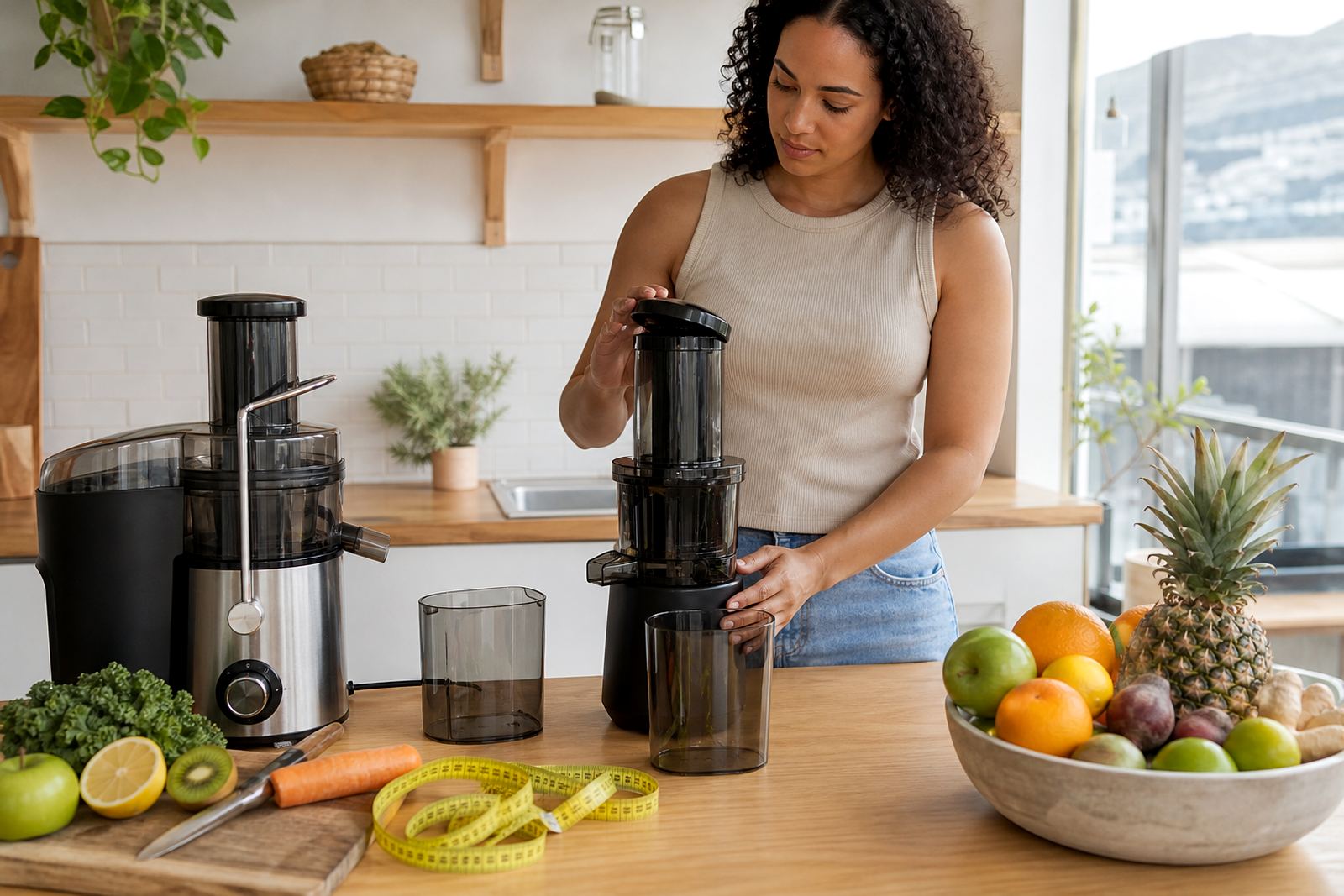
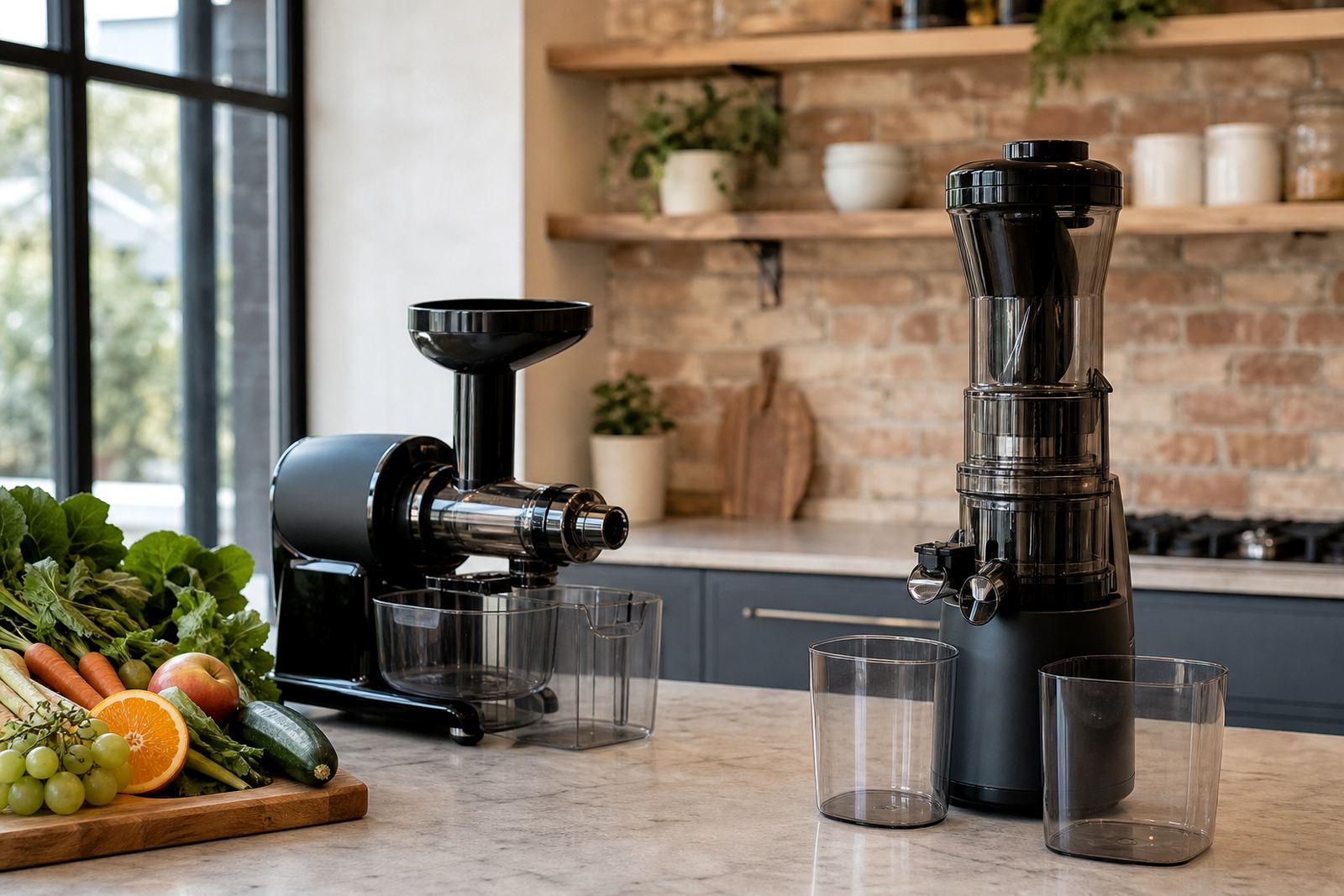
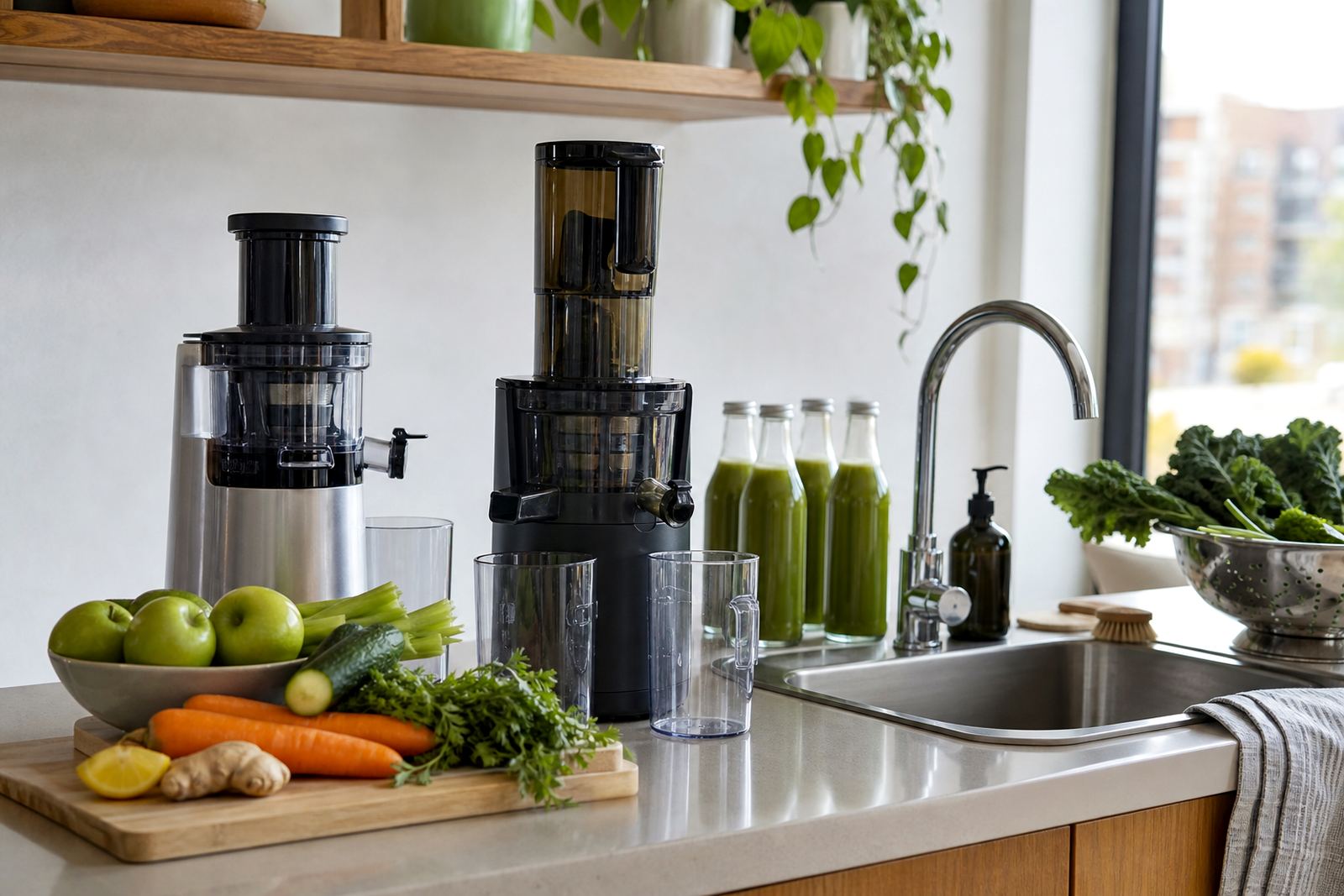
Not every kitchen needs the same machine. A slow masticating juicer works at a lower speed and is usually chosen for leafy greens, softer fruit and people who want a steadier extraction process. A centrifugal juicer uses a fast spinning basket and suits quicker prep, firmer produce and busy mornings when speed matters more than a very quiet run.
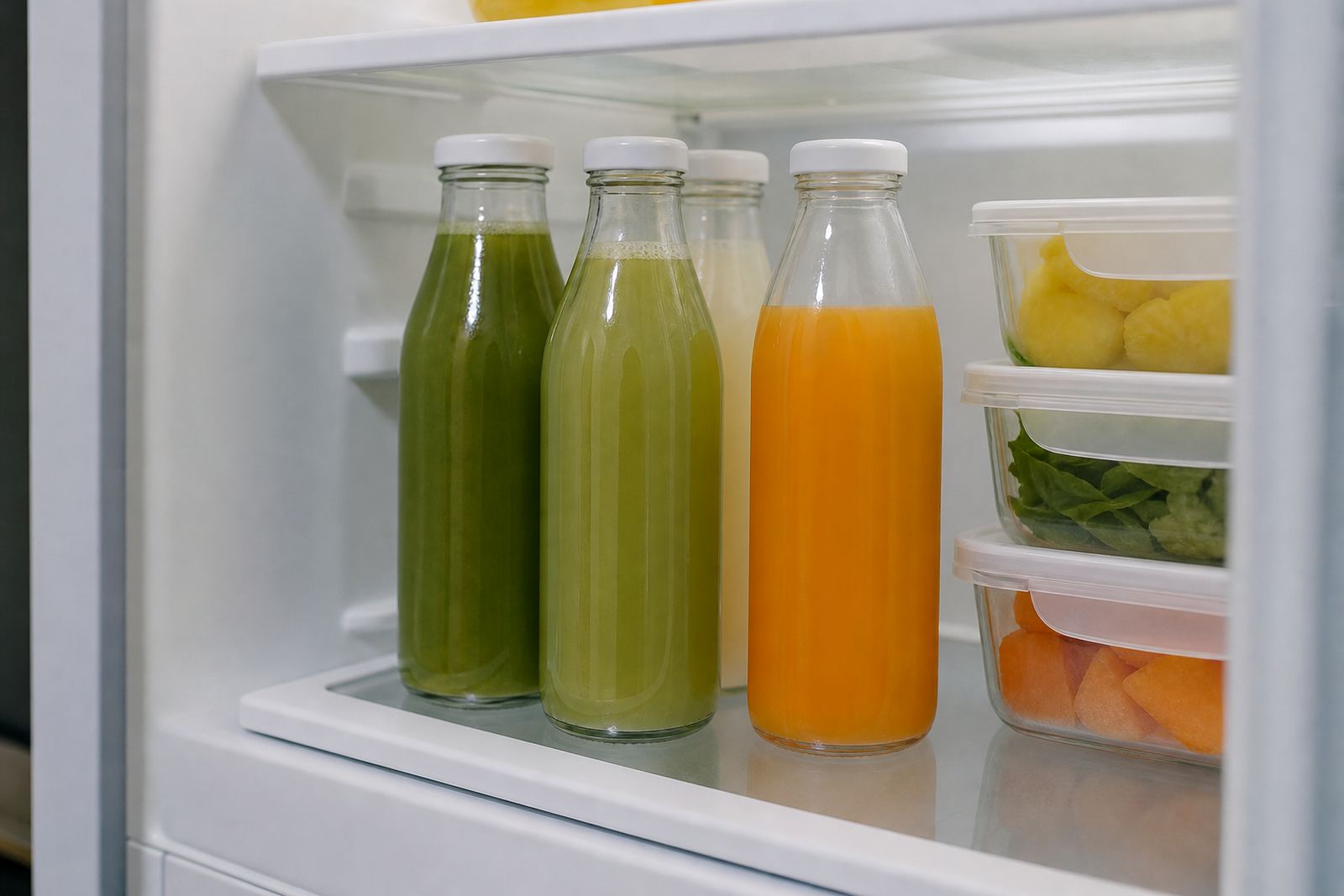
Cold presses are often selected by home users who want a machine that handles batch juicing in a measured way, especially when they are preparing juice for a few days at a time. The right choice often comes down to counter space, how much chopping you are happy to do, and how often the machine will be cleaned after use.
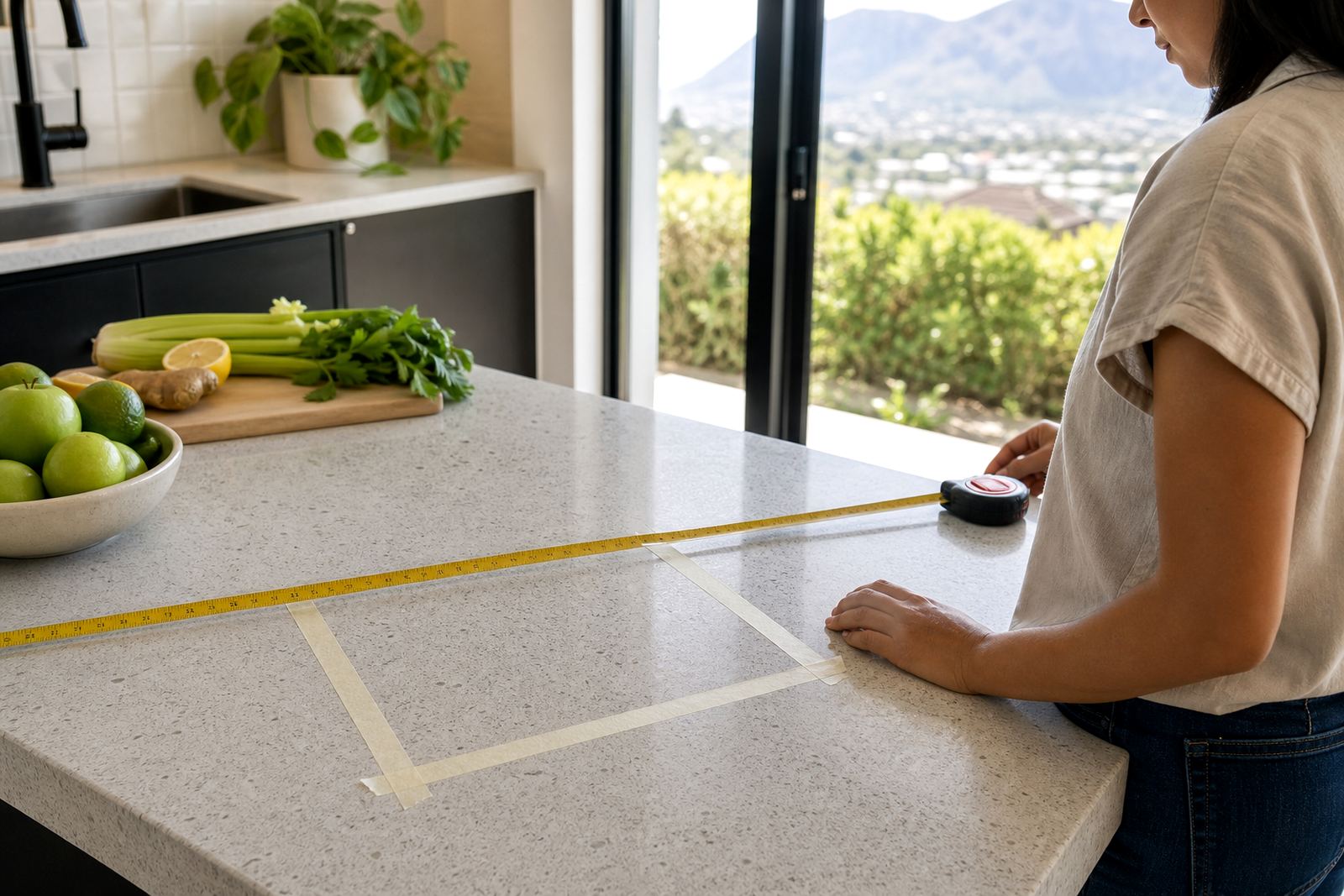
- Check the height under wall cupboards before you order.
- Allow space for the feed chute, pulp container and juice jug.
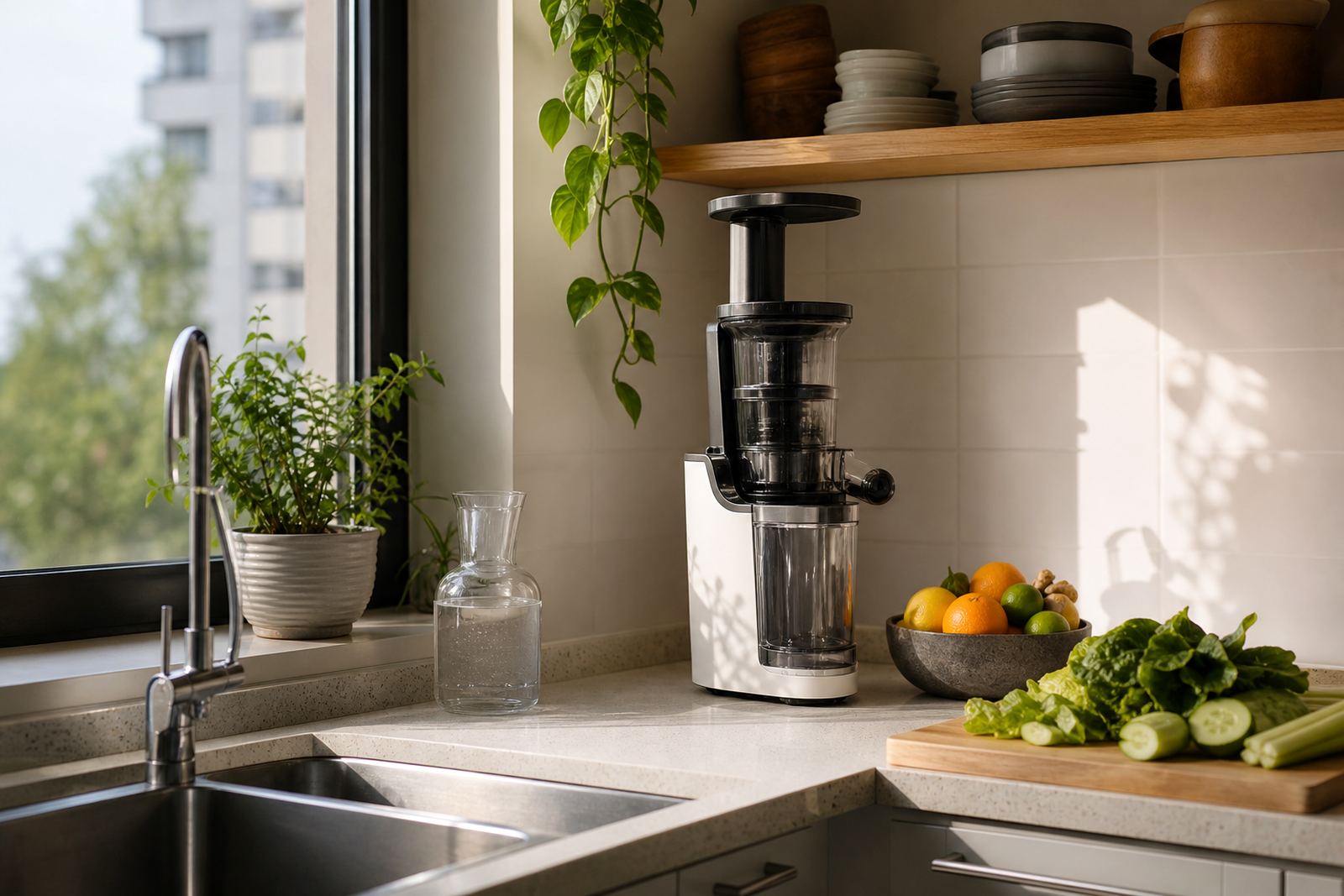
- Think about whether the machine will live on the counter or in a cupboard.
- In coastal areas like Durban and George, store parts dry so moisture does not sit on seals and screens.
What slow juicers do well in a weekday kitchen
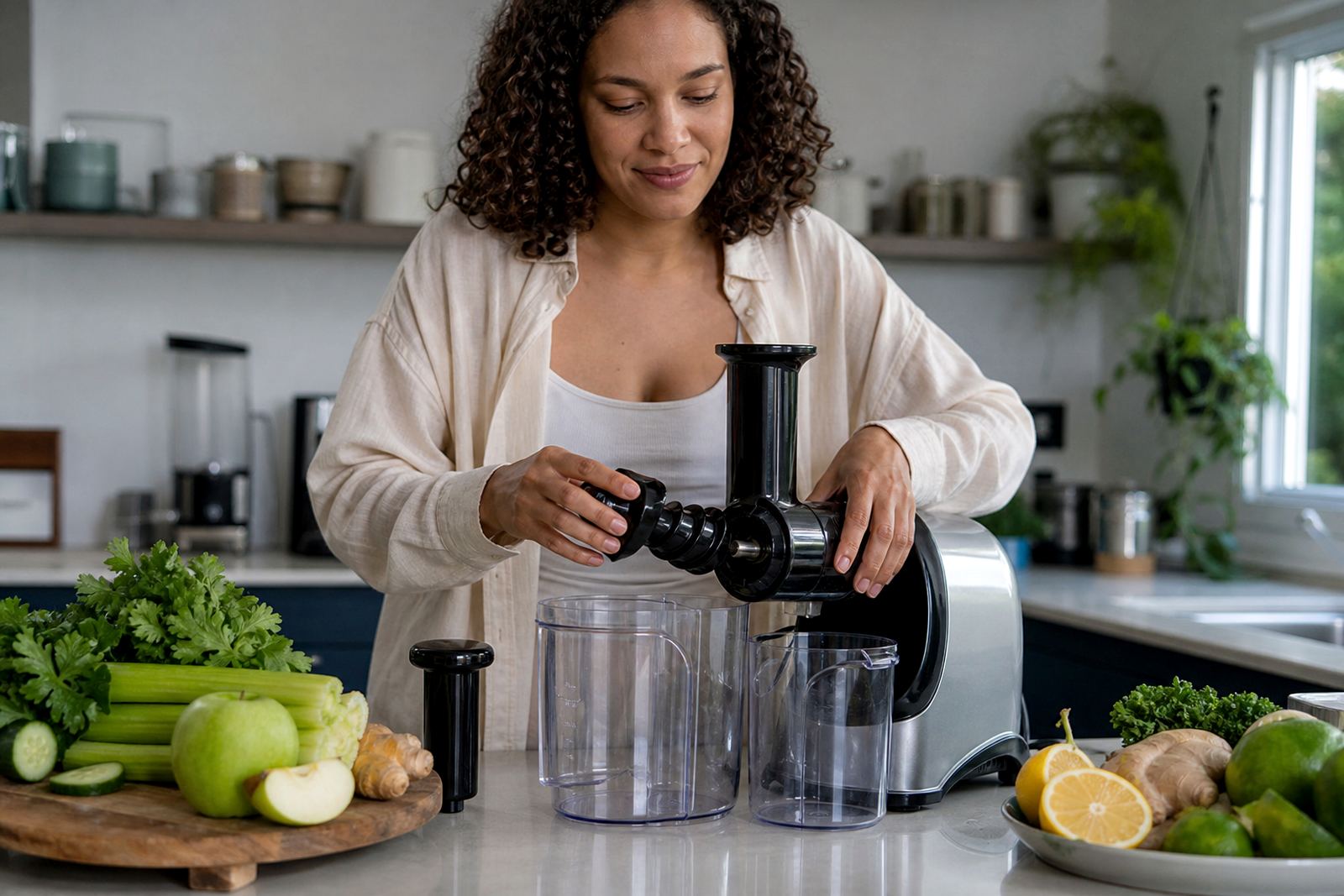
Slow masticating juicers usually rely on an auger that crushes and presses produce through a screen. That method can help with softer fruit, herbs and leafy ingredients, though the feed opening is often smaller so chopping takes longer. Many households prefer this style when they want a calmer process and less foaming in the jug.
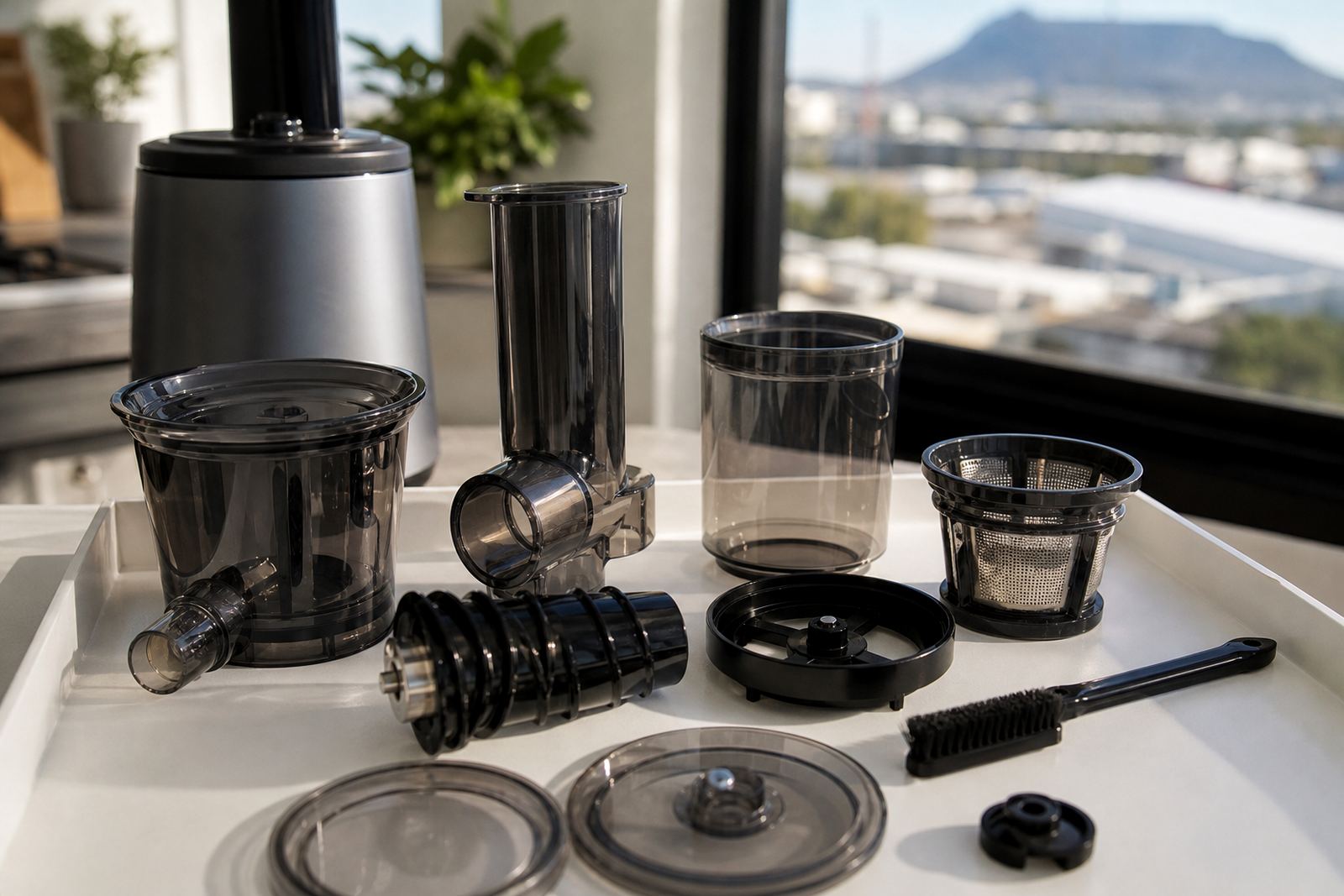
These machines need a little more attention during setup because the pulp outlet, screen and auger must sit correctly before use. If a part is misaligned, the machine can rattle, leak or stop feeding properly.
- Cut long stems into short sections before feeding.
- Keep the pusher handy, but do not force hard produce through.
- Rinse the screen soon after use to stop fibres drying in the mesh.
- Listen for changes in sound, because drag or vibration can point to a setup problem.
When a centrifugal juicer suits the pace of the day
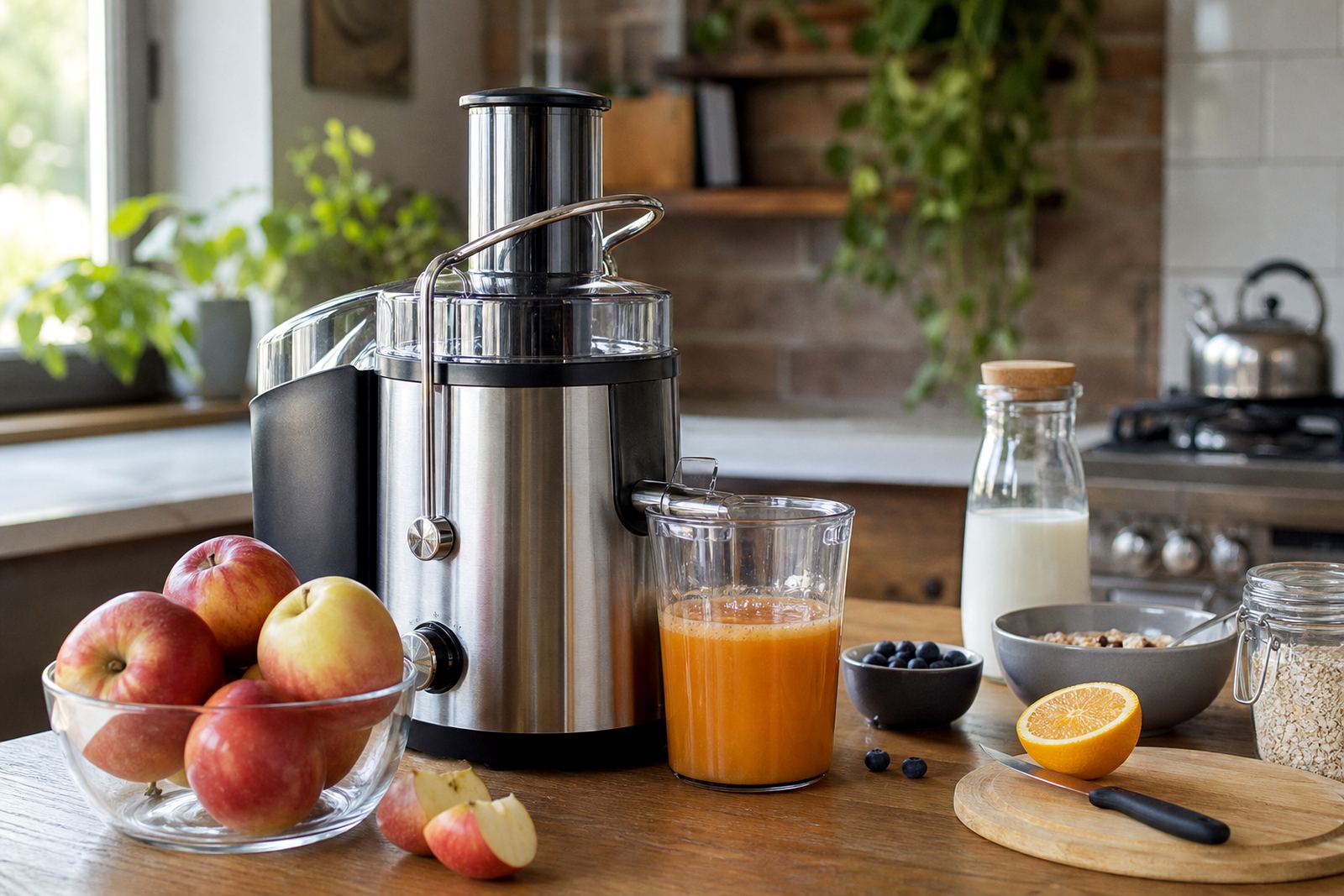
Centrifugal juicers are built for speed. They spin produce through a cutting basket and separate juice from pulp fast, which is useful when breakfast needs to happen before school runs, traffic or an early shift. They are often easier for people who do not want a long prep routine, although they can be noisier than slow juicers.
These machines work best with firmer fruit and vegetables. Very soft produce can create more splatter or a wetter pulp, so the result depends on what you feed in. A solid locking lid, stable feet and a clean basket all matter because vibration builds up quickly at high speed.
- Wash the basket soon after use so fibres do not harden in the mesh.
- Keep the lid seal clean and check it for wear if juice starts escaping.
- Use short bursts for harder produce to reduce strain on the motor.
- If the unit shakes, stop and check that the counter is level and the parts are seated correctly.
Cold press habits that make cleaning less of a chore
Cold press juicers are often chosen for steady extraction and for coping with bigger batches without a lot of hurry. The trade-off is that the parts can take longer to clean if pulp dries inside the screen, hopper or auger housing. Careful cleaning matters just as much as the machine itself.
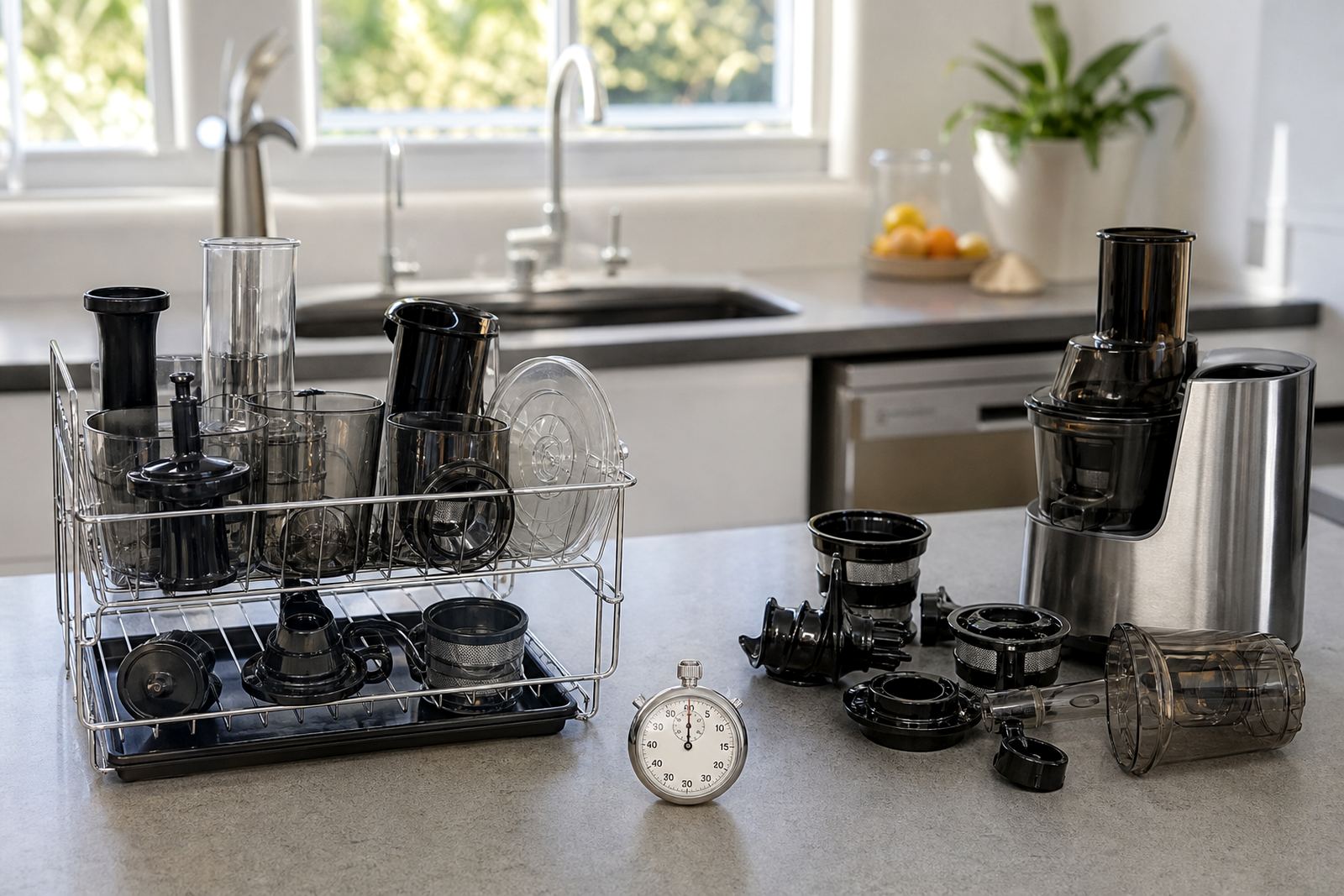
Food safety starts with clean hands, washed produce and dry storage parts. Juice containers, feed chutes and juice outlets should be rinsed and dried after use, especially in warm kitchens where leftover moisture can encourage odours. If a machine has sat unused for a while, check the seals, screen and any small brushes before the next batch.
- Rinse moving parts immediately after juicing.
- Use a soft brush on screens instead of sharp tools.
- Dry all removable parts fully before packing them away.
- Store rubber seals flat, not twisted, so they keep their shape.
Space, storage and power in a South African home kitchen
Kitchen planning is often overlooked until a machine arrives. A juicer that fits on paper may still block a cupboard door, sit under a low shelf, or crowd a sink area where washing up already happens. In flats, townhouses and compact homes in Cape Town and Johannesburg, the best choice is often the one that stores neatly and moves safely across the counter without lifting strain.
Power use also matters when loads are already high at breakfast time. If a kitchen has limited plug points, it helps to keep the juicer near a single dry socket and away from the kettle, toaster and microwave cluster. Cable checks, plug condition and stable footing matter more than people sometimes think, especially where the floor is tiled and the machine can creep during vibration.
Aftercare that keeps the machine ready for the next batch
Good aftercare is usually about small, steady habits rather than major repairs. Deep clean guidance, seal replacement, screen care and leak troubleshooting all help a machine stay reliable. A wet pulp chamber left overnight can harden and make the next clean much slower, while a worn seal can lead to drips under the base or a damp patch on the counter.
For home users who are still getting used to their machine, support can also cover brush use, storage care, noise and vibration checks, and video support for setup questions. That kind of practical help is useful when a juicer is new to the home or when a part has been removed for cleaning and must go back in the right order.
- Clean pulp channels before they dry out.
- Check screens for blocked mesh after fibrous produce.
- Replace worn seals before they start leaking.
- Keep the machine upright in storage, with parts fully dry.