Start with the bottle shape, not only the litres
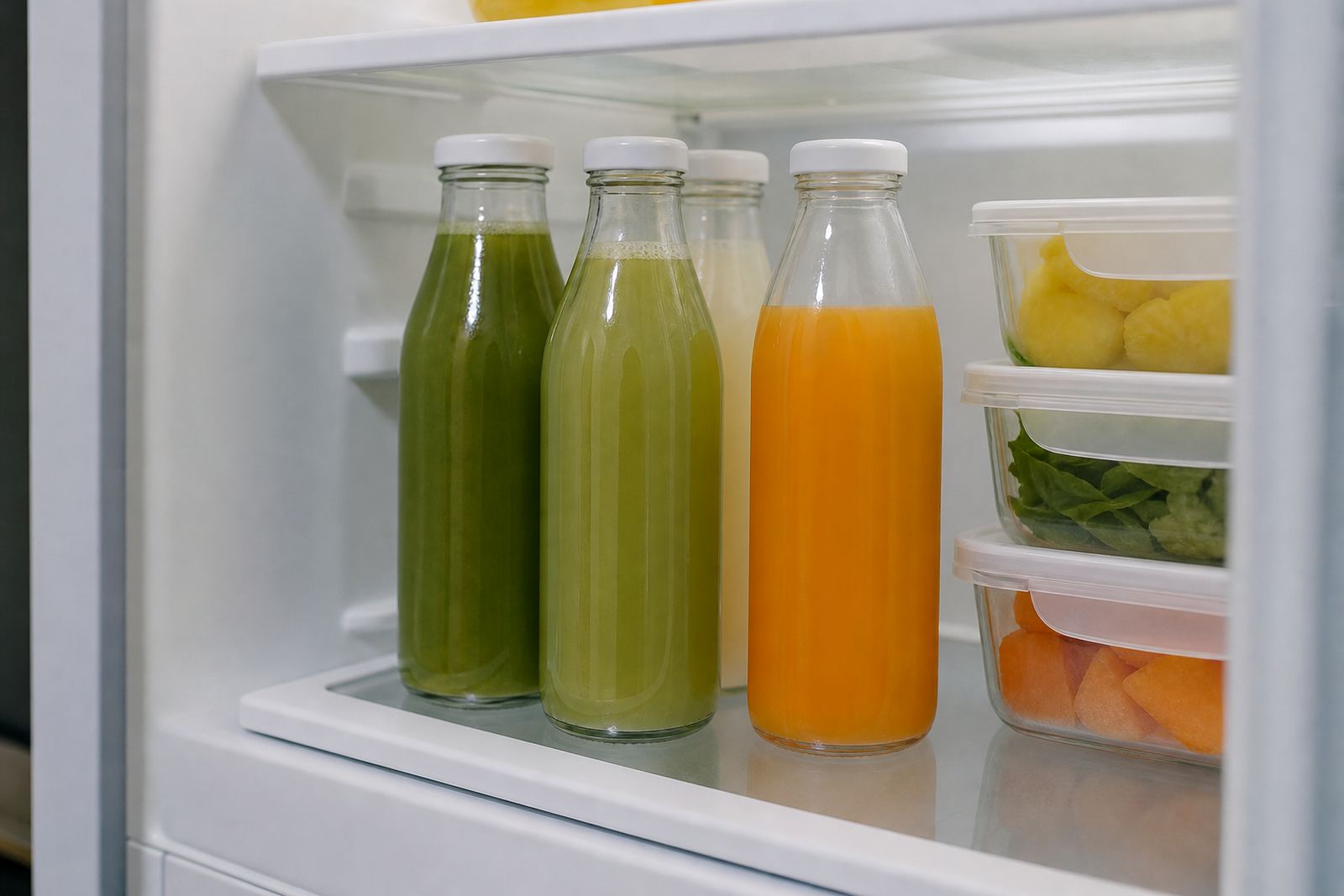
When people plan storage, they often look only at volume, but the bottle shape matters just as much. A tall narrow bottle may hold the same amount as a short wide one, yet it fits differently on a shelf door, in a crisper drawer or on a flat shelf. For home juicing, a bottle that stands steadily and closes tightly is easier to manage in a busy fridge.
Single serve bottles usually work well for one person or for quick grab-and-go storage. Larger bottles suit family use or a batch made on a weekend. If your fridge shelves are shallow, measure the usable height first so the lid clears the shelf above. A bottle that looks neat on the counter can be awkward once it is inside a crowded fridge, especially when there are pots, leftovers and lunch containers sharing space.
Match bottle size to how you actually use juice
Think about when the juice will be used, how many people share the fridge and whether you prefer smaller portions. Smaller bottles reduce the need to open one large container over and over again. Larger bottles can save space if the juice is used within a short period and there is enough room in the fridge for one main container.
- Use 250 ml to 350 ml bottles for single serves or school and work portions.
- Use 500 ml to 750 ml bottles for one person across a day or two.
- Use 1 litre bottles for family batches or when the fridge has deeper shelves.
- Leave a little headspace so the liquid can expand slightly when chilled.
If the bottle is going into a cooler bag or a packed office fridge, a slimmer size is often easier to carry. In a home kitchen in Paarden Eiland or a flat in Cape Town CBD, shelf space can be limited so small bottles can be more practical than one large jug.
Give your fridge a proper measuring tape moment
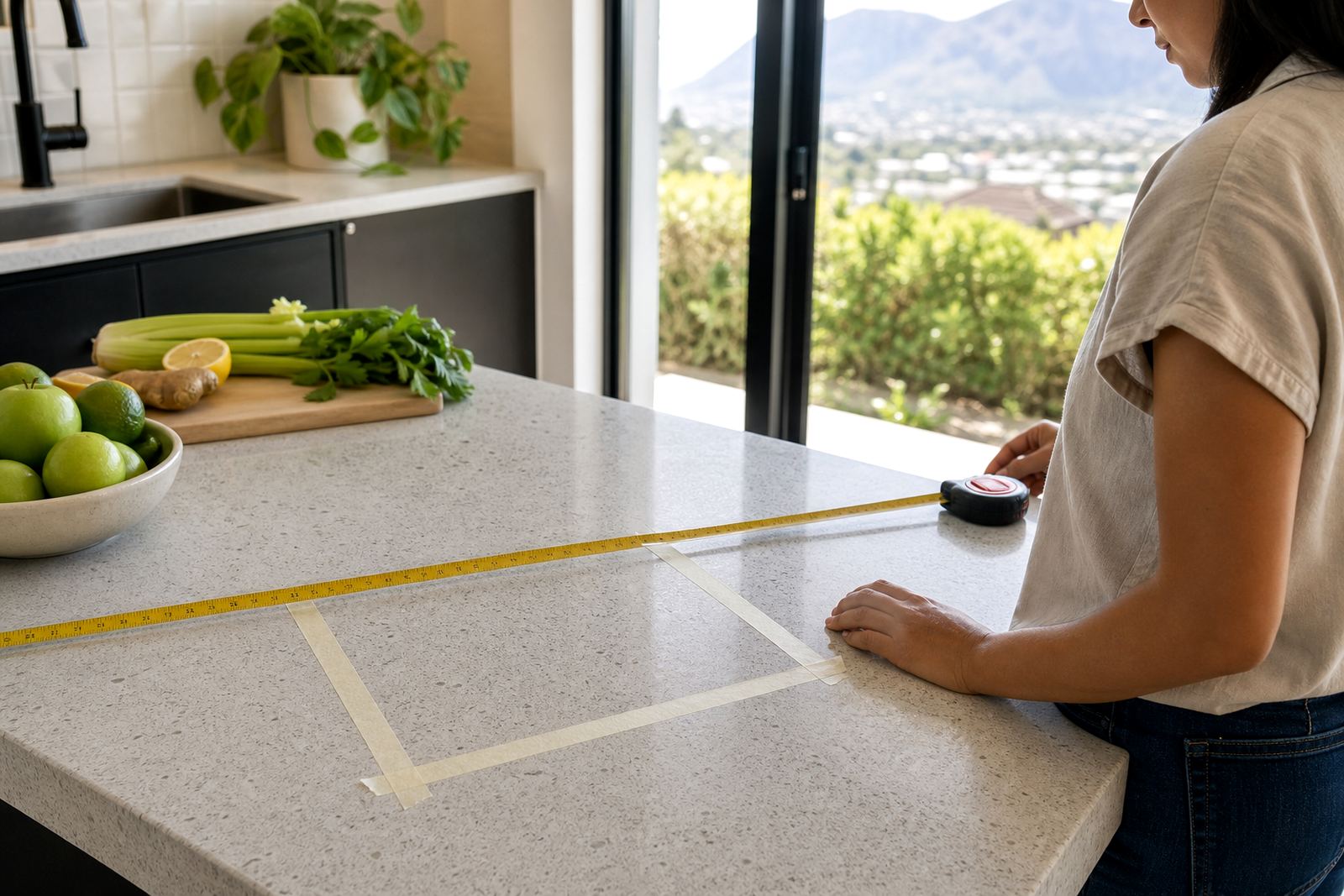
Before buying storage bottles, check the fridge space with a tape measure. Measure shelf height, shelf depth and the height of the door compartment if you plan to store bottles there. Do not forget the lip of the shelf and the space needed to lift a bottle in and out without knocking nearby items.
For safety and order, store juice in a cold part of the fridge, away from raw meat, fish and unsealed leftovers. That helps reduce the chance of cross-contamination. Keep bottles upright and make sure caps are clean and dry before sealing. If the fridge is full, avoid stacking unstable items on top of juice bottles because that can tip them or loosen the lid.
- Measure the fridge shelf before choosing bottle height.
- Keep juice away from raw food storage zones.
- Use a shelf that is easy to reach so bottles are not left at the back too long.
- Do not overfill bottles, especially if the juice will chill overnight.
Clean bottles properly before the next fill
Cleaning matters more than people often expect. Bottle residue can hold smell, pulp and sugar traces, which build up fast if bottles are reused without a proper wash. Rinse as soon as possible after emptying, then wash with warm water and food safe dish soap. A bottle brush helps reach the base and shoulder, especially in narrow neck bottles where a sponge cannot clean properly.
Let bottles dry fully before sealing or storing them. Moisture left inside can cause stale smells and make lids feel sticky. If a bottle has a silicone seal, remove it from time to time so you can clean the groove where residue collects. For home kitchens, especially in humid coastal areas like Durban or George, drying thoroughly is worth the extra few minutes.
Label the batch so nobody has to guess
Clear labelling saves time and reduces waste. A bottle should show what is inside and when it was made. Use a waterproof label or a piece of masking tape and a pen that will not smudge in condensation. That is especially useful if there are several bottles in the fridge at once.
A simple label can include the juice type, the date made and a note such as single serve or family batch. If your household stores several juices, colour coding also helps. Keep labels on the side of the bottle where they are easy to read without taking the bottle out. Once condensation forms, a loose label can peel, so press it down firmly before chilling.
- Name the contents clearly.
- Mark the date made.
- Use one storage format across the household so bottles are easy to sort.
- Check labels before refilling to avoid mix-ups.
Use the freezer only when the bottle can handle it
Some people want to store extra juice for longer, but not every bottle suits freezing. Liquid expands as it freezes, so a bottle needs enough empty space at the top or it may crack, warp or push the lid open. Use freezer safe containers only, and never freeze a bottle that is filled to the neck. Glass can work if it is designed for freezing, but it must be handled carefully because sudden temperature changes can cause breakage.
If you are freezing, cool the juice in the fridge first before moving it to the freezer. Thaw it in the fridge rather than on the counter. Once thawed, check that the bottle is still sealed properly and wash it before reusing. If a bottle shows stress marks, a loose seal or a cracked lid, replace it before the next batch.
A quick shelf check before the next batch
Before making another batch, run through a simple check so storage stays tidy. The goal is to avoid overfilling the fridge and to keep the bottles in good condition. This is useful for slow masticating juicers, centrifugal juicers and cold presses alike, because every machine can produce juice in different batch sizes.
- Are the bottles clean, dry and free of lingering odour?
- Do the caps seal properly without slipping?
- Is there enough shelf space for the next batch?
- Do the labels still show the date clearly?
- Are any bottles damaged, cloudy or stained?
If you are storing several bottles, leave a little space between them so cold air can circulate. A crowded shelf can make it harder to reach the back bottle and that often leads to forgotten stock. Keep the setup practical and easy to maintain, not packed to the point where cleaning becomes a job nobody wants to do.