

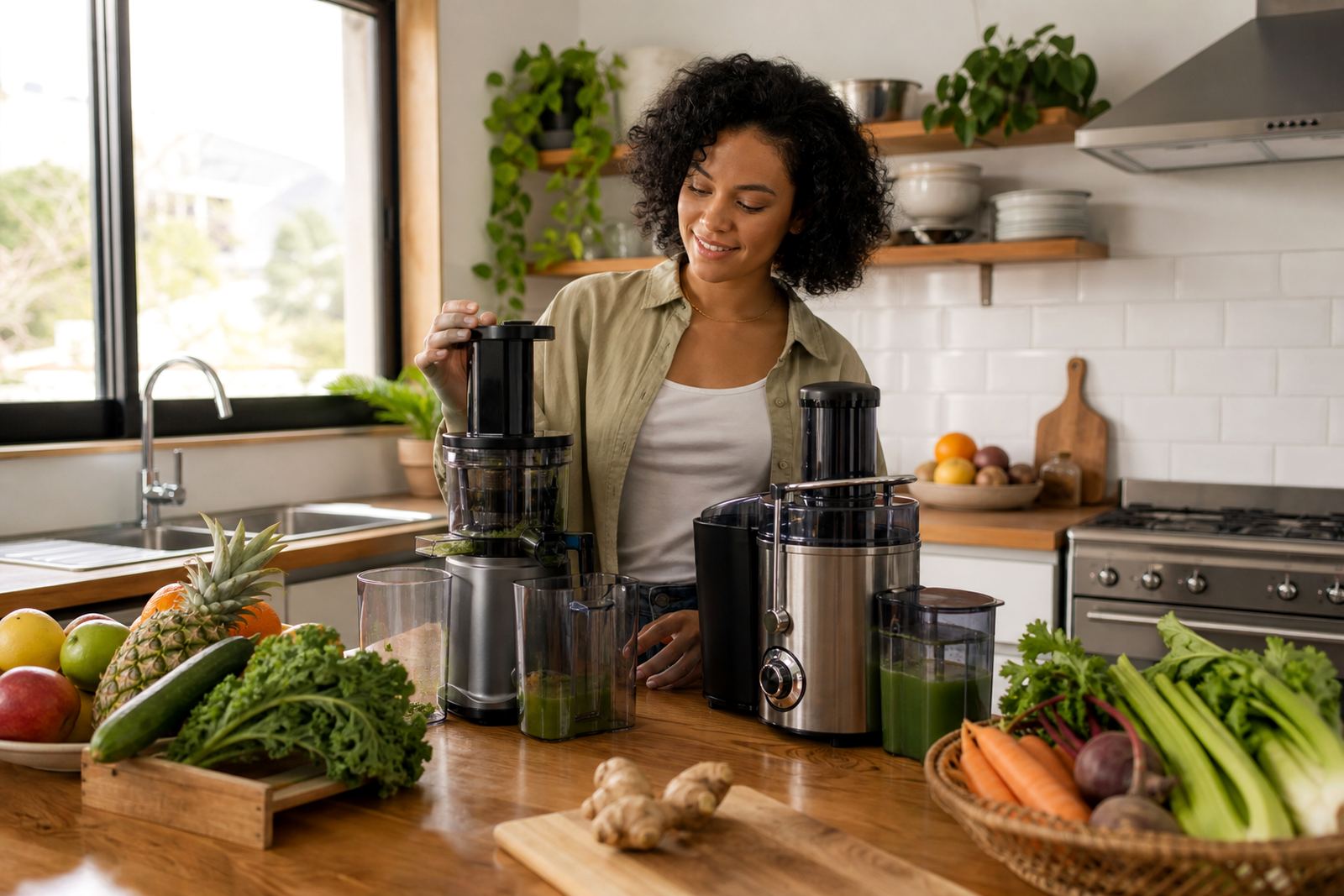
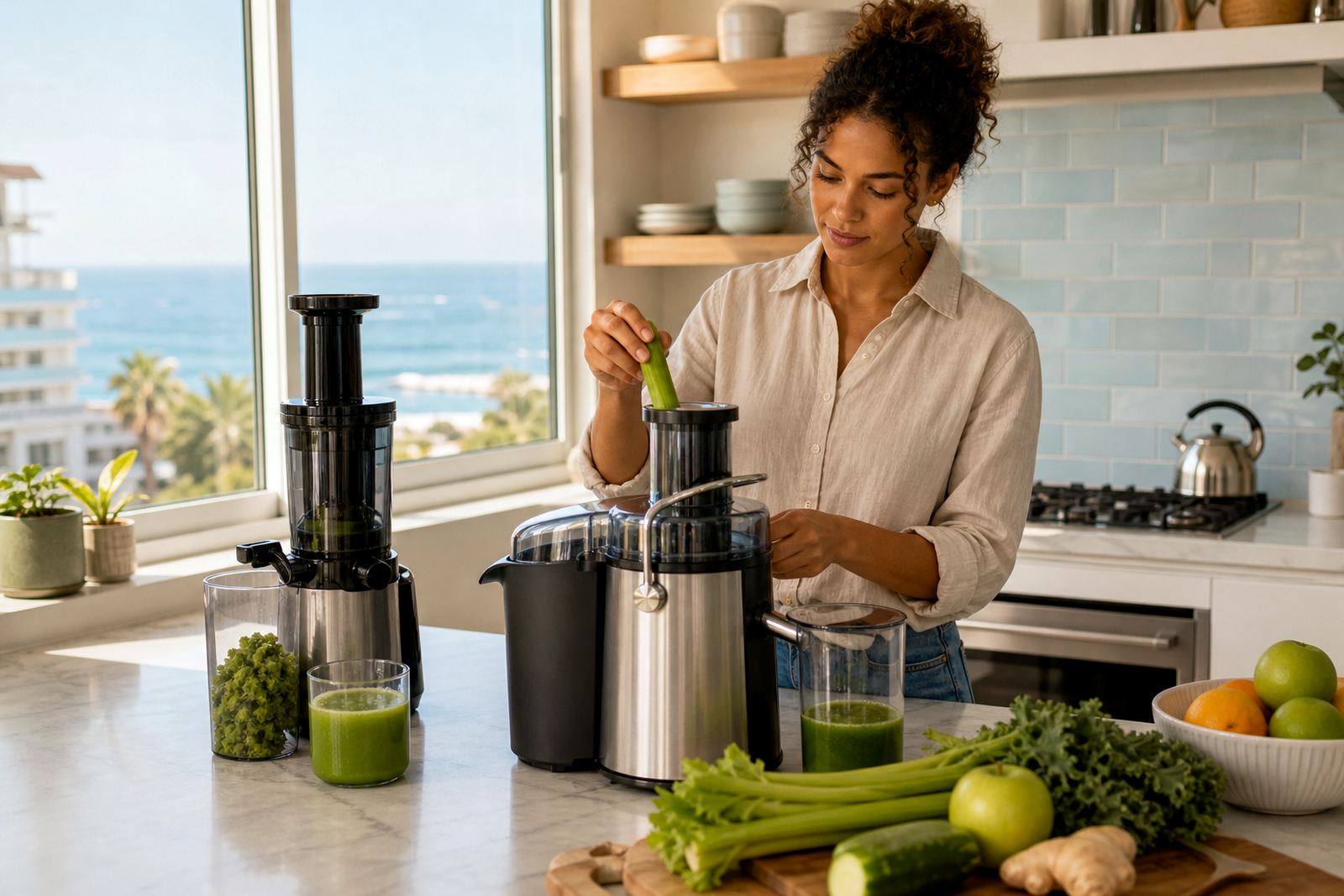

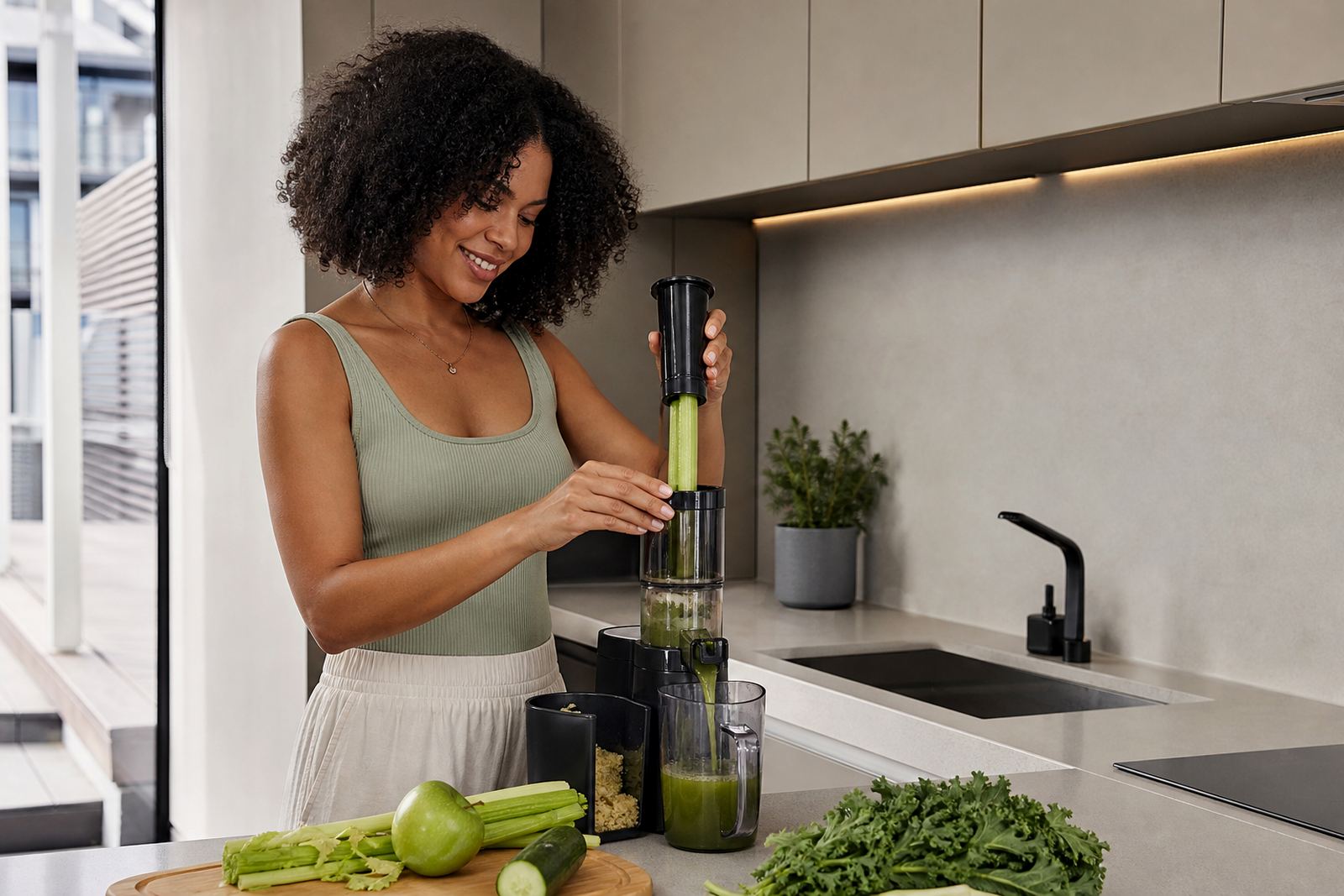
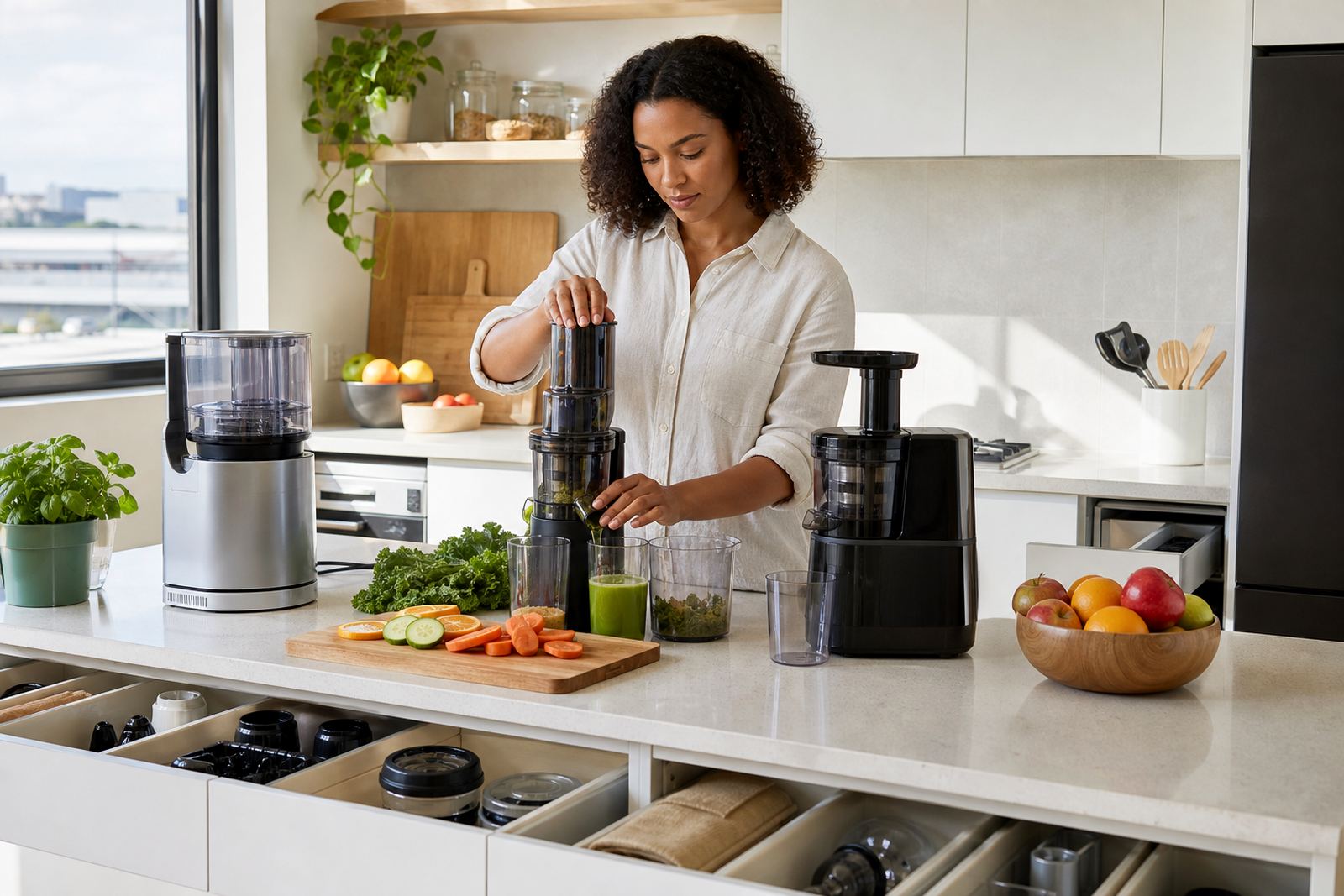


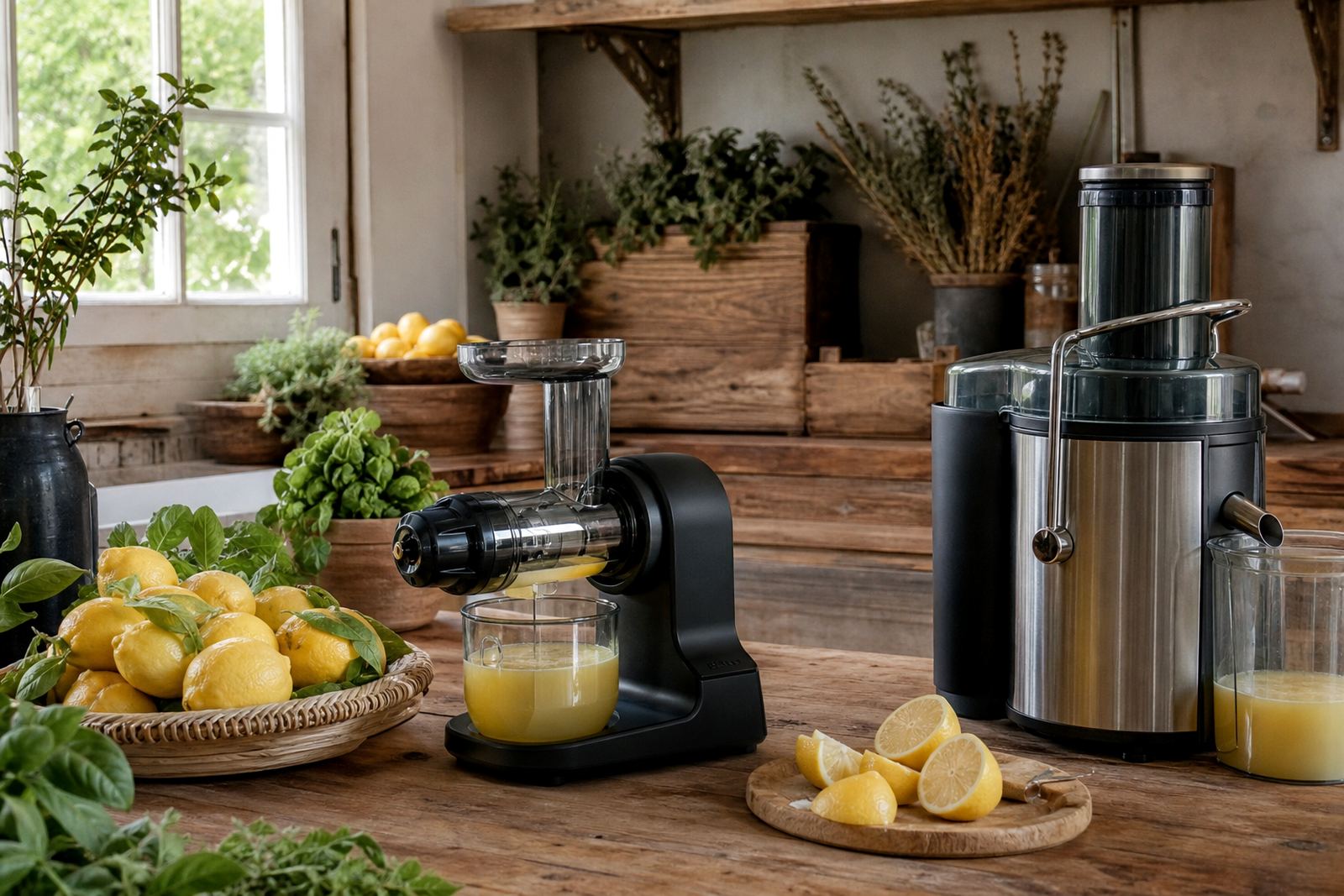

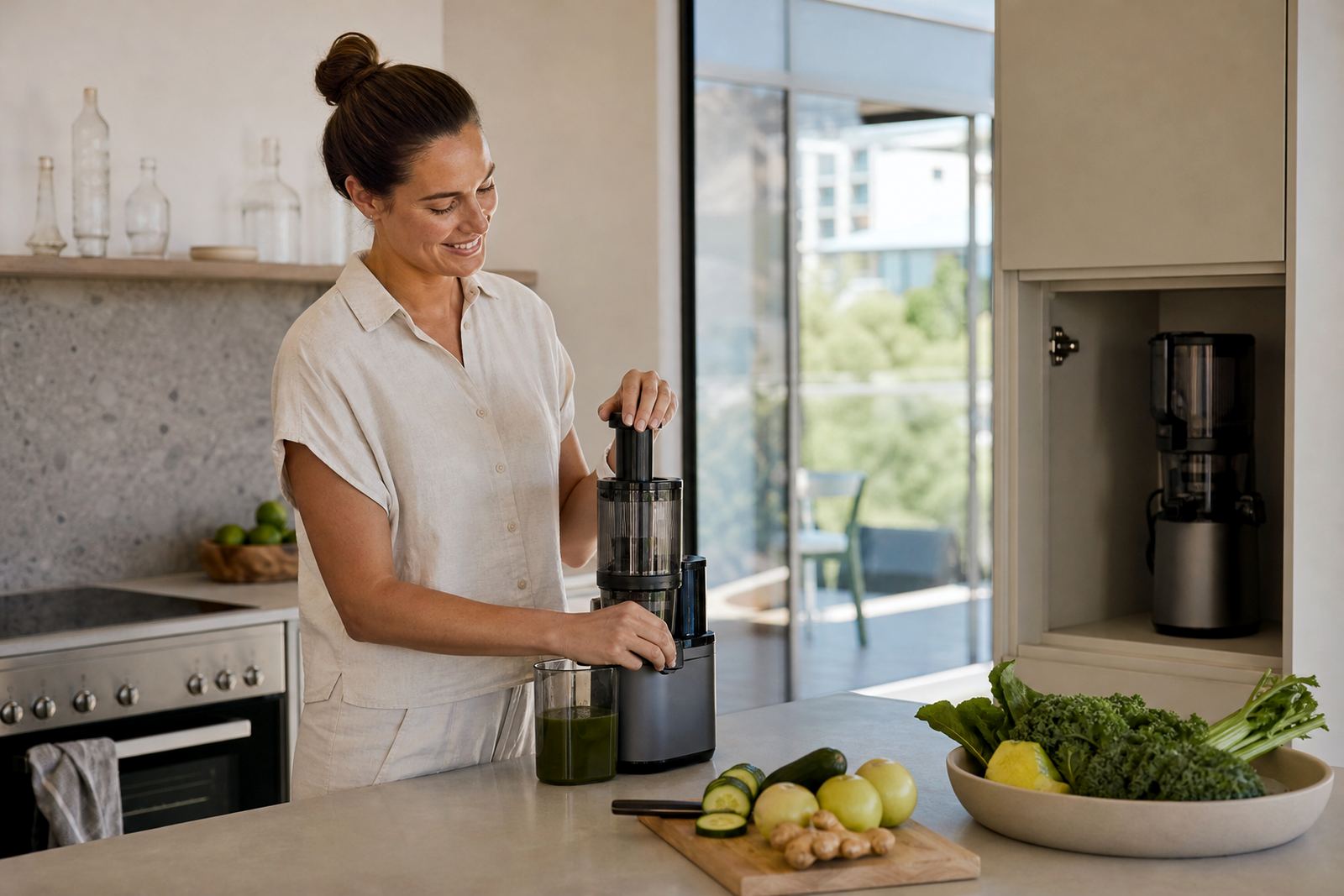
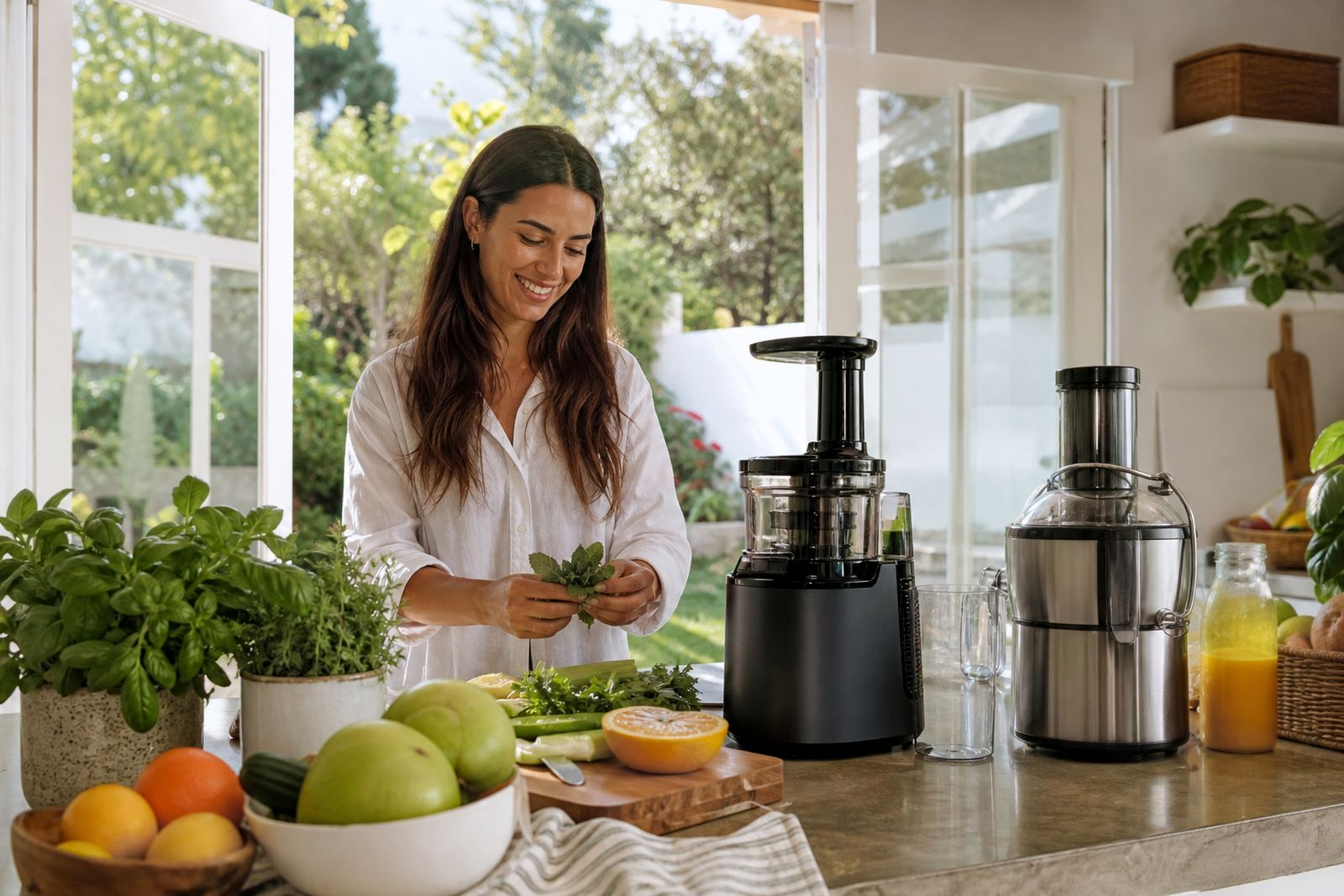
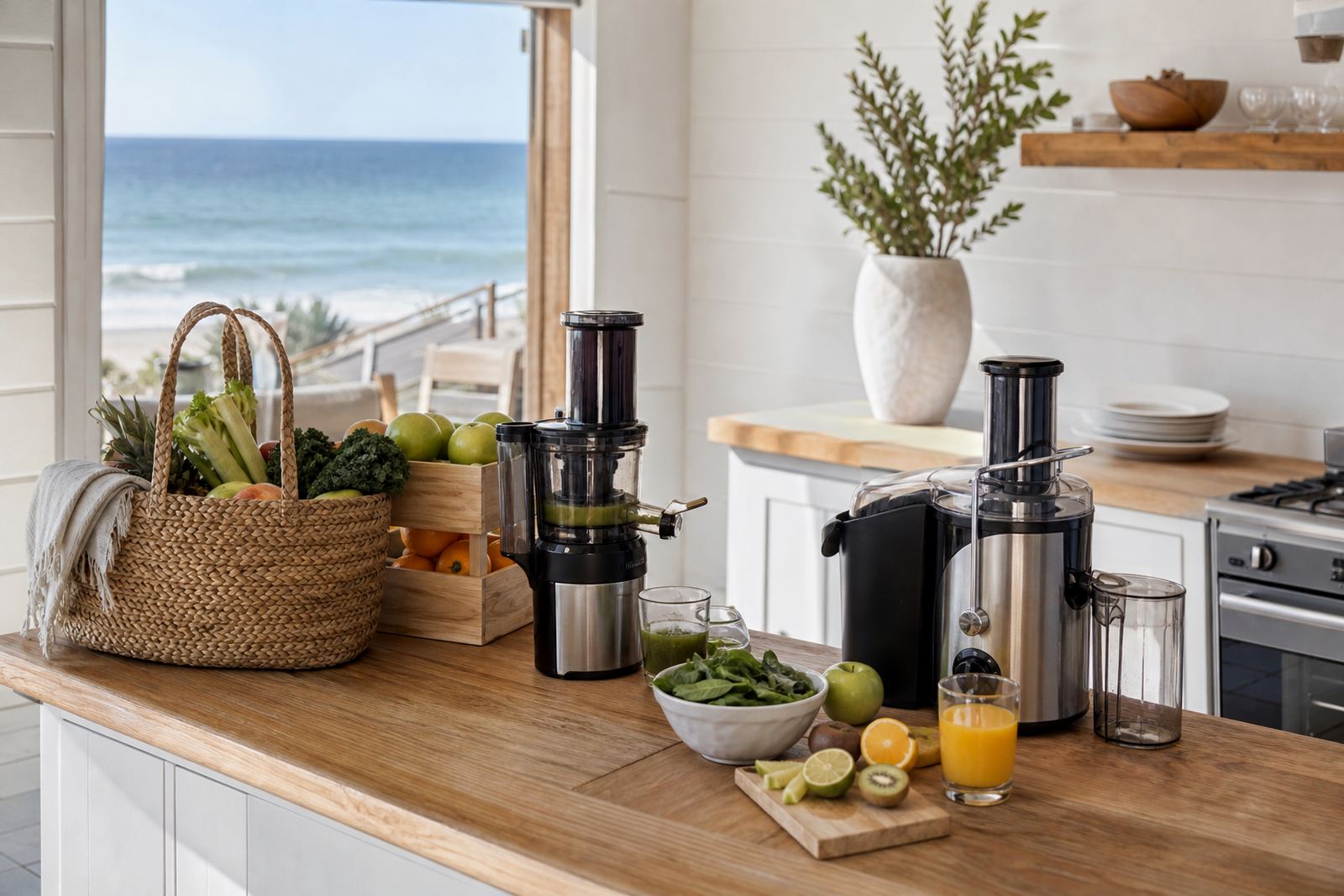



How the right juicer sits in a real kitchen
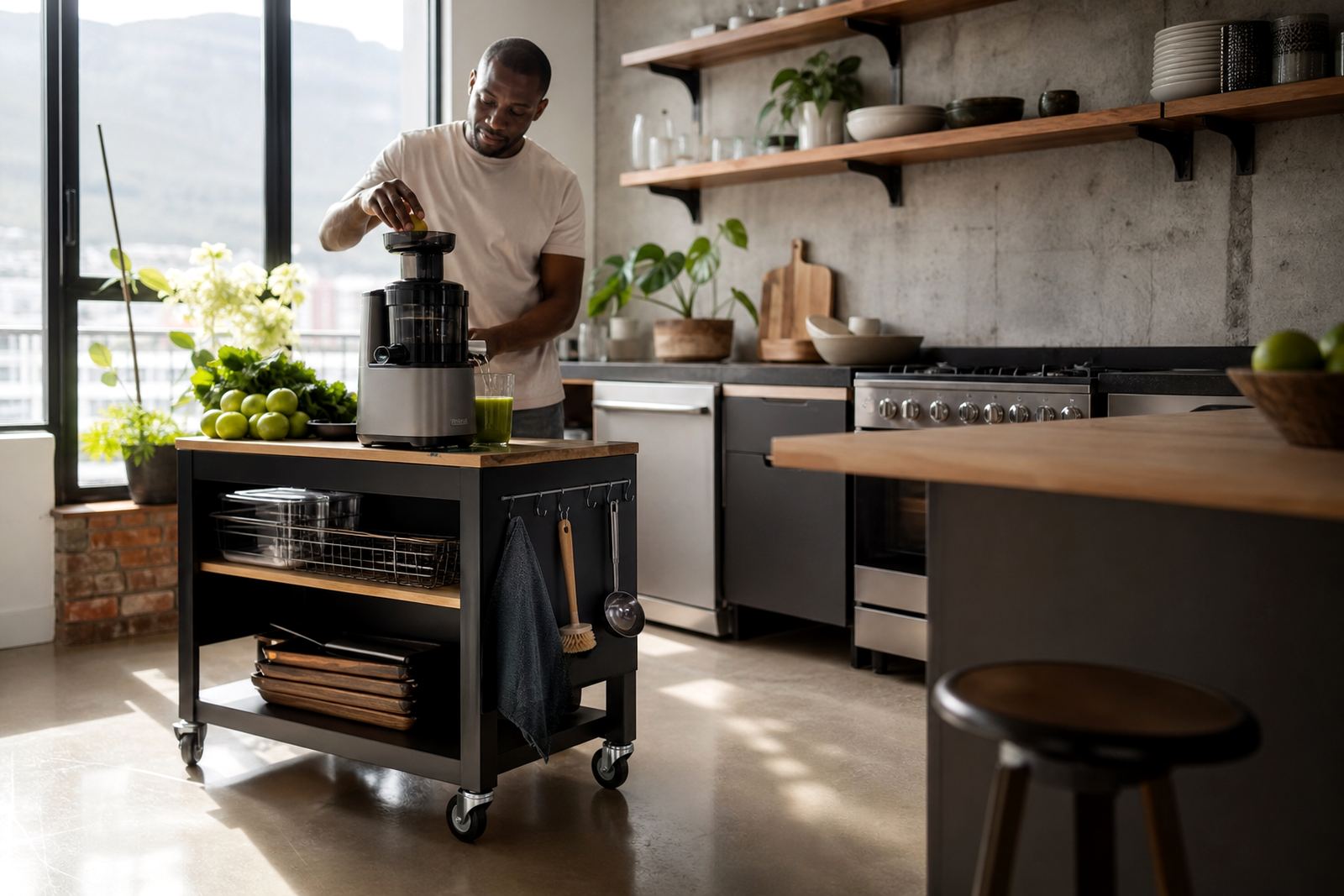
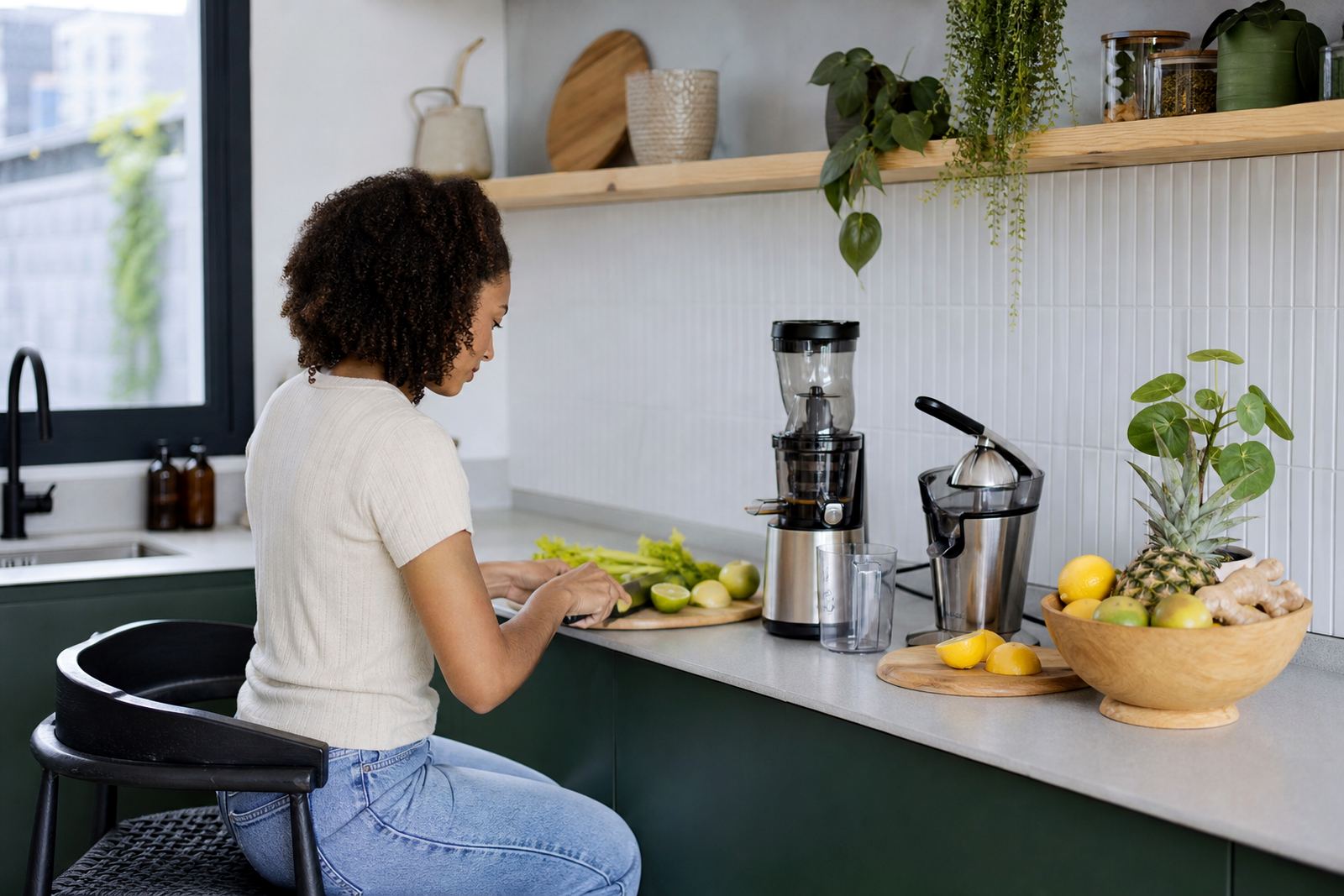
Every kitchen handles a juicer differently. A compact galley in Cape Town, a family prep area in Pretoria, or a guesthouse kitchenette in George all need different footprints, cable reach and bowl capacity. MiniPress helps match the machine to the space, whether the priority is quick morning juicing, slower pressing, or a setup that can live on the counter without getting in the way.
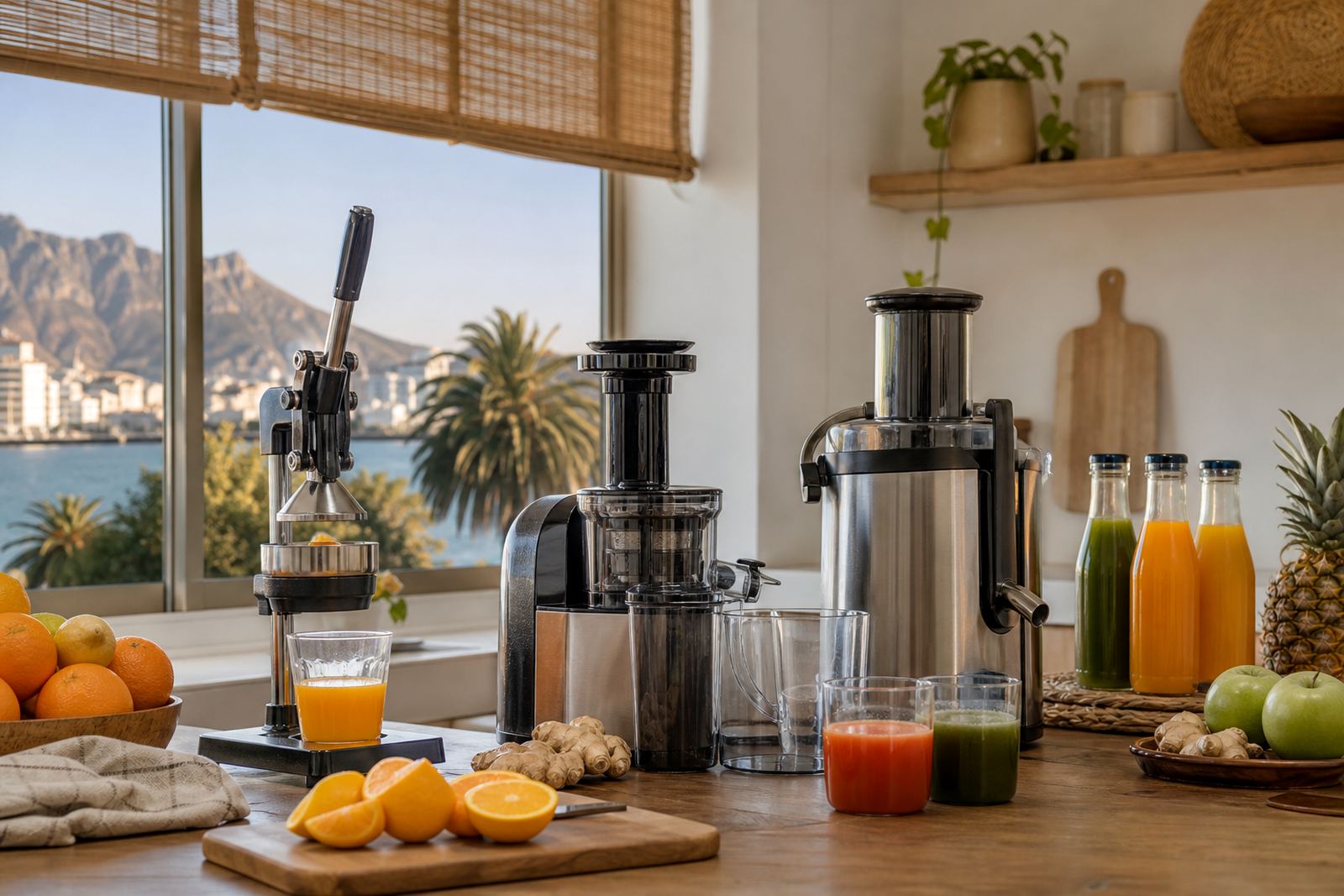
Slow masticating juicers work at a lower speed and are often chosen when people want less froth and a steadier juice flow. Centrifugal juicers use a fast spinning action and suit homes where speed matters more than a slower feed process. Cold presses focus on gentle extraction and are often used where quiet operation and batch preparation matter. The best fit depends on the fruit and vegetables you use most, how much prep you do, and where the unit will be stored between uses.
A Paarden Eiland base with practical traffic all day
From the Paarden Eiland base, the team handles online orders, setup guidance and after-sales support for households and small host spaces across the country.A machine that is easy to lift, rinse and reassemble saves time when the day is already full.
In these stories, the choice often comes down to the smallest real details: can the feed chute handle common prep sizes, is the pulp container easy to empty, and does the parts layout make sense for daily use. A good setup should suit the home, not demand a full rework of the kitchen's routine.
- Cape Town Delivery and Stellenbosch Delivery often suit apartments and compact family kitchens
- Johannesburg Delivery and Pretoria Delivery often suit higher-volume home use with more counter space
- Durban Delivery and George Delivery often raise questions about storage in coastal humidity
Cleaning stories from busy sinks and small rinsing areas
Cleaning is part of food safety and part of long-term machine care. Fruit fibres, pips and pulp can build up around screens, seals and spouts if they are left too long. Most home users want a machine that comes apart in a clear order, with parts that can be rinsed soon after use and brushed without forcing them into awkward corners. That is where the right accessories matter just as much as the machine itself.
MiniPress offers guidance on deep clean routines, brush use, seal checks and screen care for different juicer types. A slow masticating unit may need more attention around the auger and screen, while a centrifugal unit often needs quicker rinsing around the basket and lid. A cold press used in a guesthouse or small hosted space may need a more formal clean-down routine after each session, especially when several people use the same kit.
- Keep detachable parts dry before storage to reduce odours and residue
- Check seals and gaskets if liquid starts appearing under the machine
- Use a soft brush on fine screens so the mesh does not clog or bend
Noise, vibration and the kitchen that has neighbours
Not every home has thick walls or a separate prep area. In a flat above a shop in Cape Town, a townhouse in Somerset West, or a rental in Durban, noise can matter as much as speed. Centrifugal juicers are often noisier because of the high speed spinning action. Slow masticating and cold press options usually run at a gentler pace, which can be easier for early mornings or shared spaces.
Vibration checks also matter. A unit placed on a narrow laminate counter may move more than one sitting on a solid worktop. Small changes such as a stable mat, level placement and checking the feet can improve day-to-day use. Ruan and Sibusiso often help customers work through these practical points when the machine feels uneven or makes an unusual sound.
What hosted spaces tend to ask for
Small hosted kitchens, self-catering units and private prep areas usually need equipment that is straightforward to explain to different users. For those spaces, the most common questions are about setup, safety and storage rather than just extraction style. A machine should be simple enough for occasional use but still hold up to regular cleaning and repeat cycles.
Common requests include spare parts help, cable plug checks, storage care and video support calls when a host or manager needs a quick walk-through. Ayesha, Nomonde and Tariq often help shape those instructions into clear steps for the people who will actually use the machine on a busy changeover day, no fuss and no guesswork.
- First Time Setup for new owners and guesthouse managers
- Routine Care Plan for regular household use
- Leak Troubleshooting and Seal Replacement when wear starts to show
Reading the listing cards against your own countertop
The stories on this hub help you compare layout, cleaning effort and daily handling before you look at the product cards. A family kitchen with space for batch prep may favour a cold press. A household that wants a fast morning routine may lean towards a centrifugal juicer. A quieter home with a regular produce routine may prefer a slow masticating model for steadier use.
Delivery runs across Cape Town, Johannesburg, Durban, Pretoria and George, with support also reaching Stellenbosch and Somerset West. If you are comparing machines for a first purchase or replacing an older unit, look at the space beside your sink, the storage cupboard height and the time you can set aside for rinsing. That is usually where the right choice becomes clear, even before the first glass is made.