


















How the machine type changes the morning routine
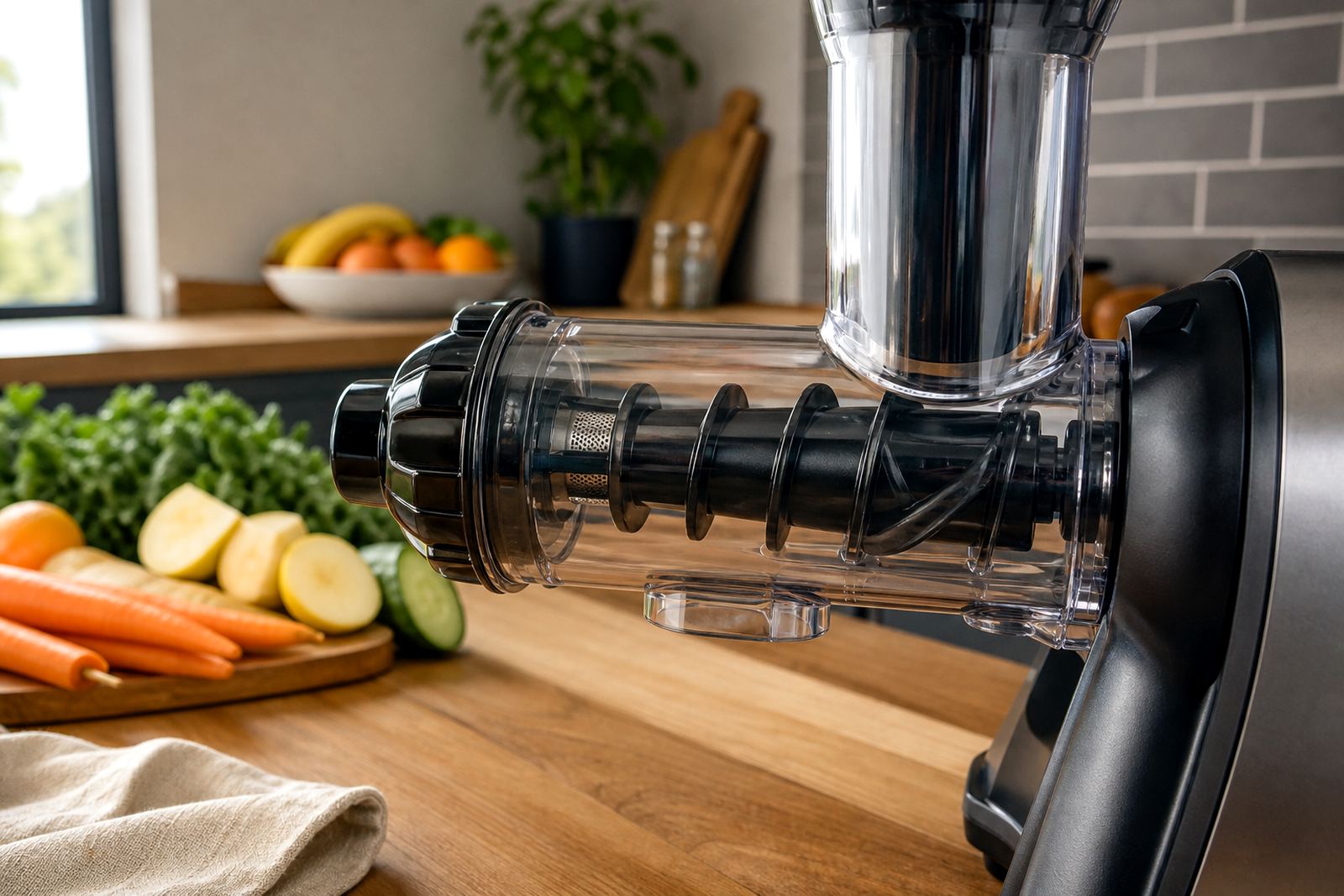
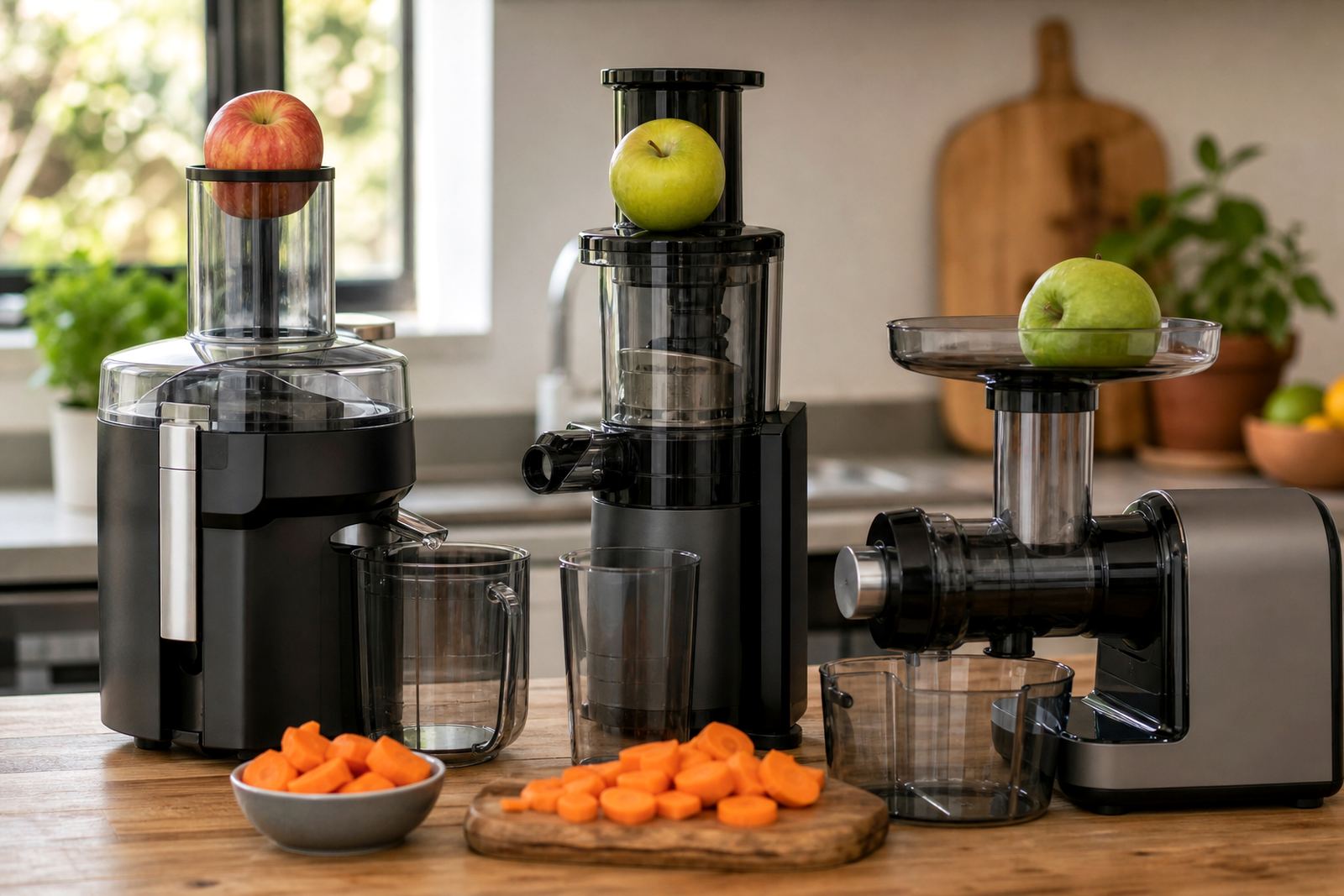
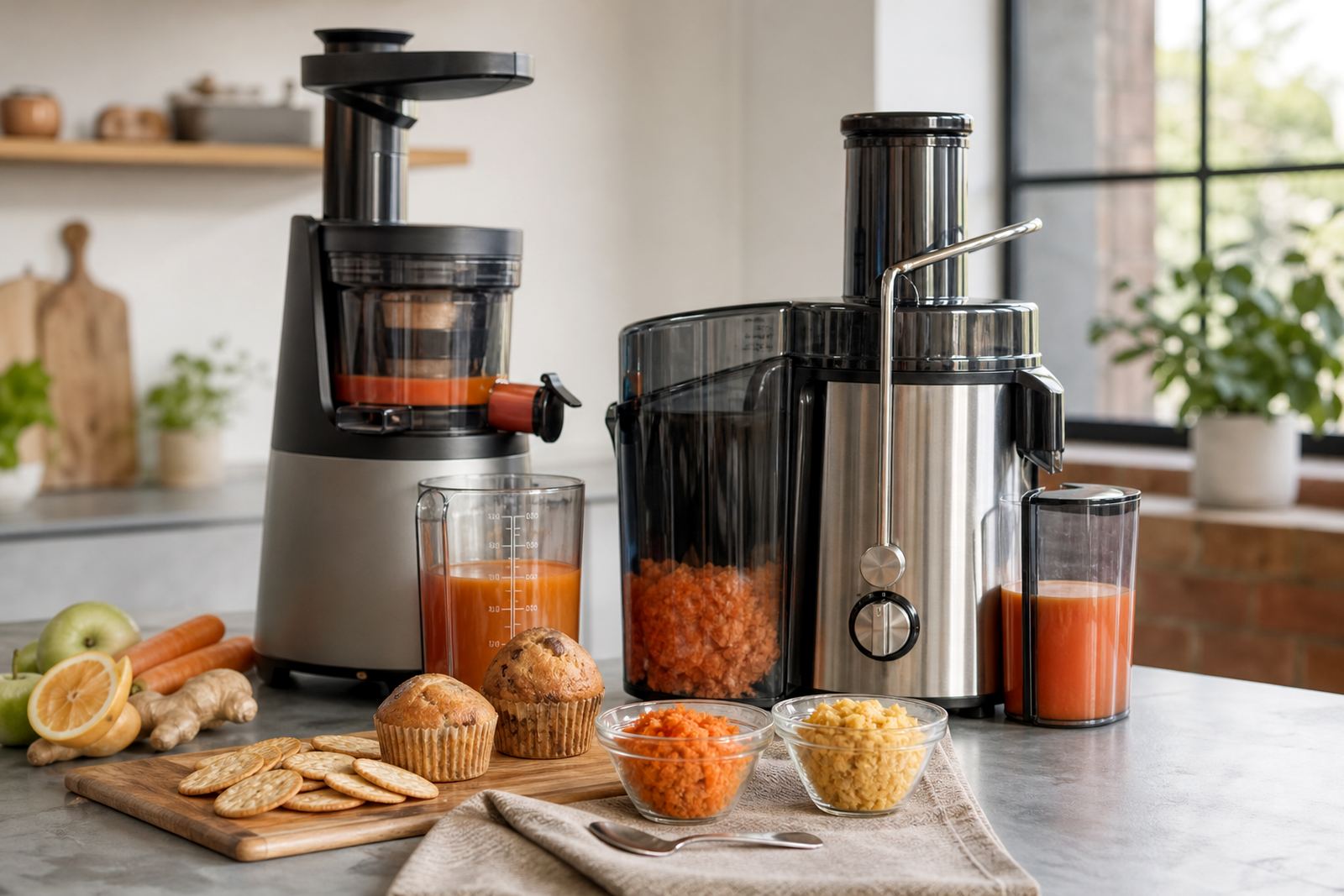
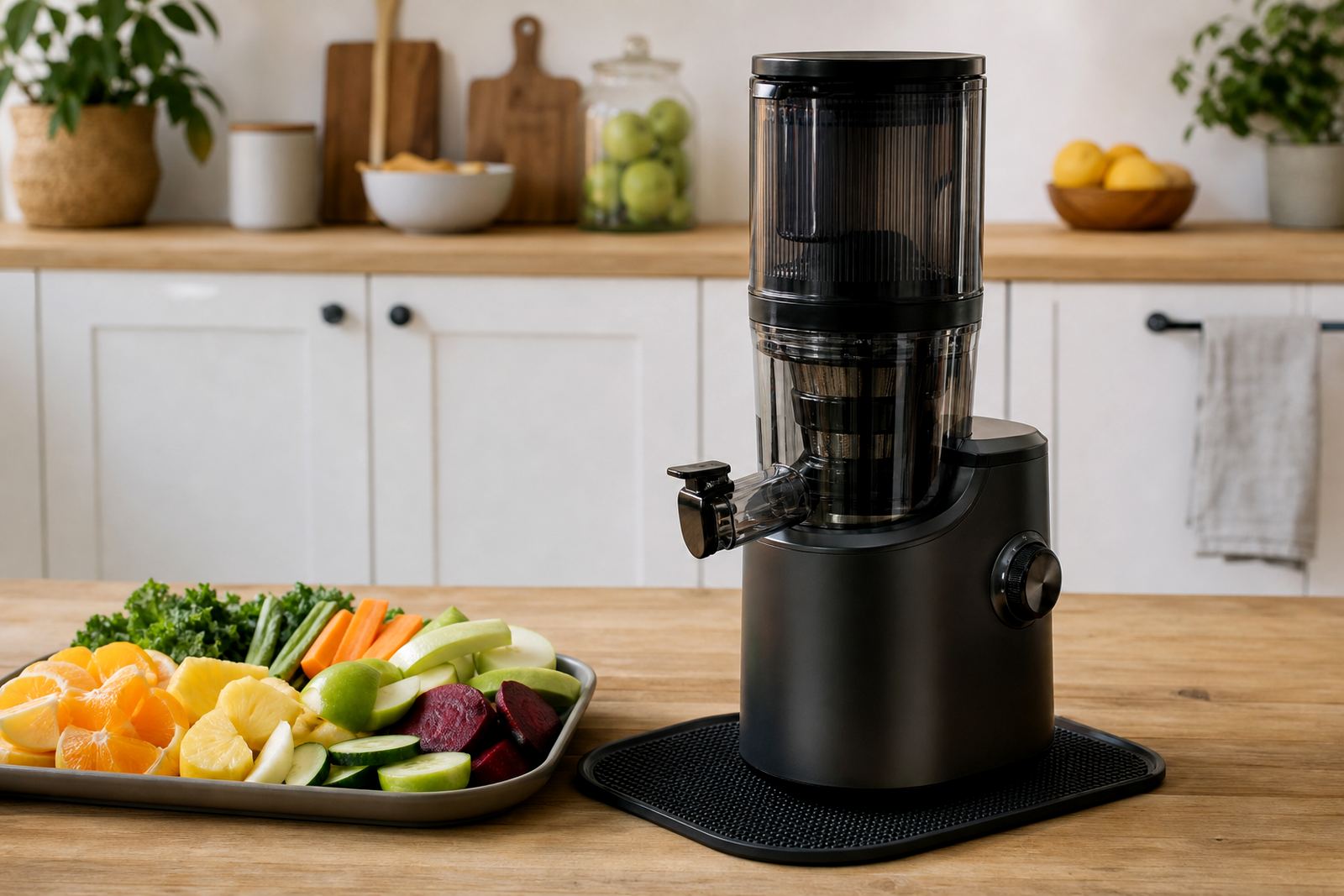
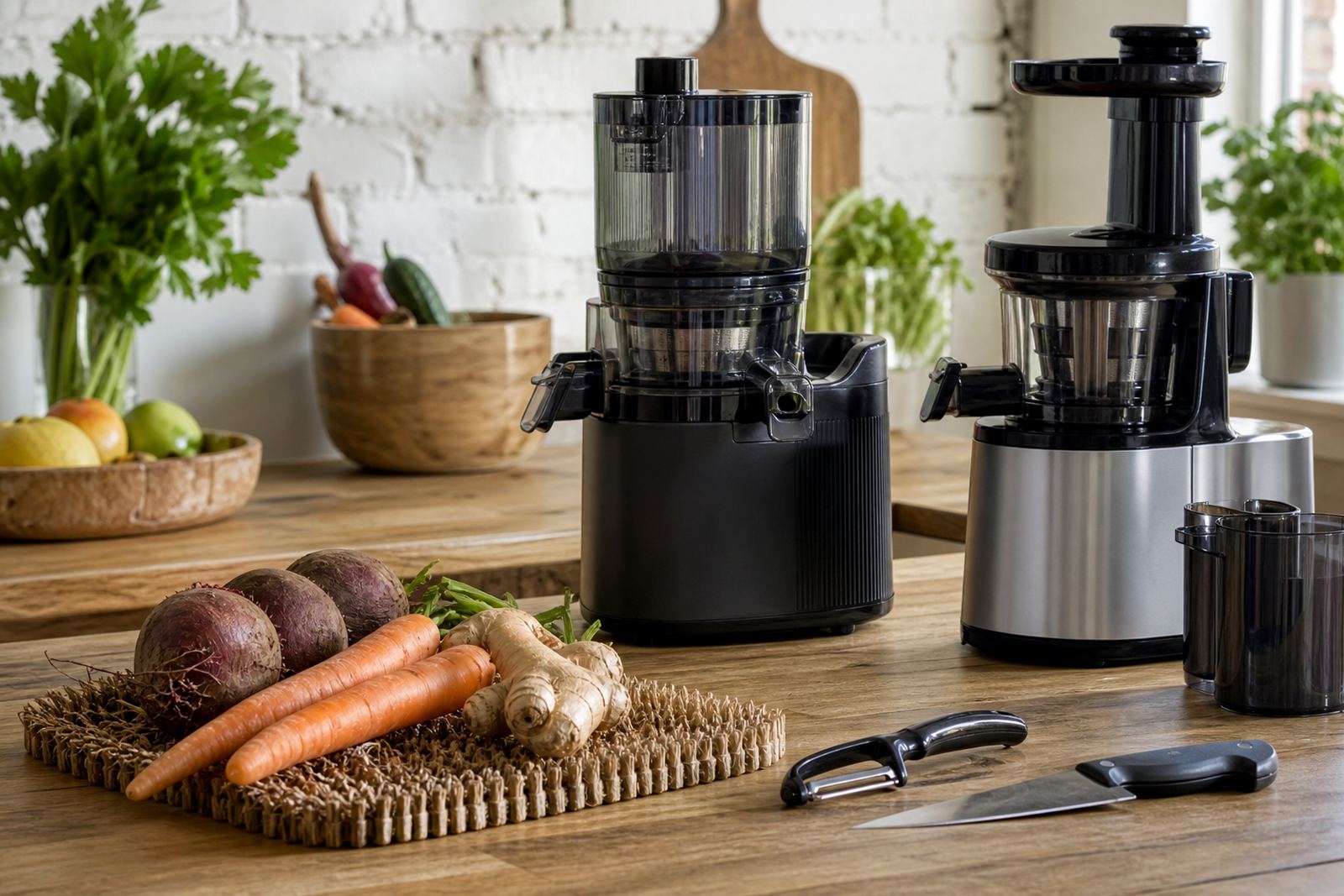
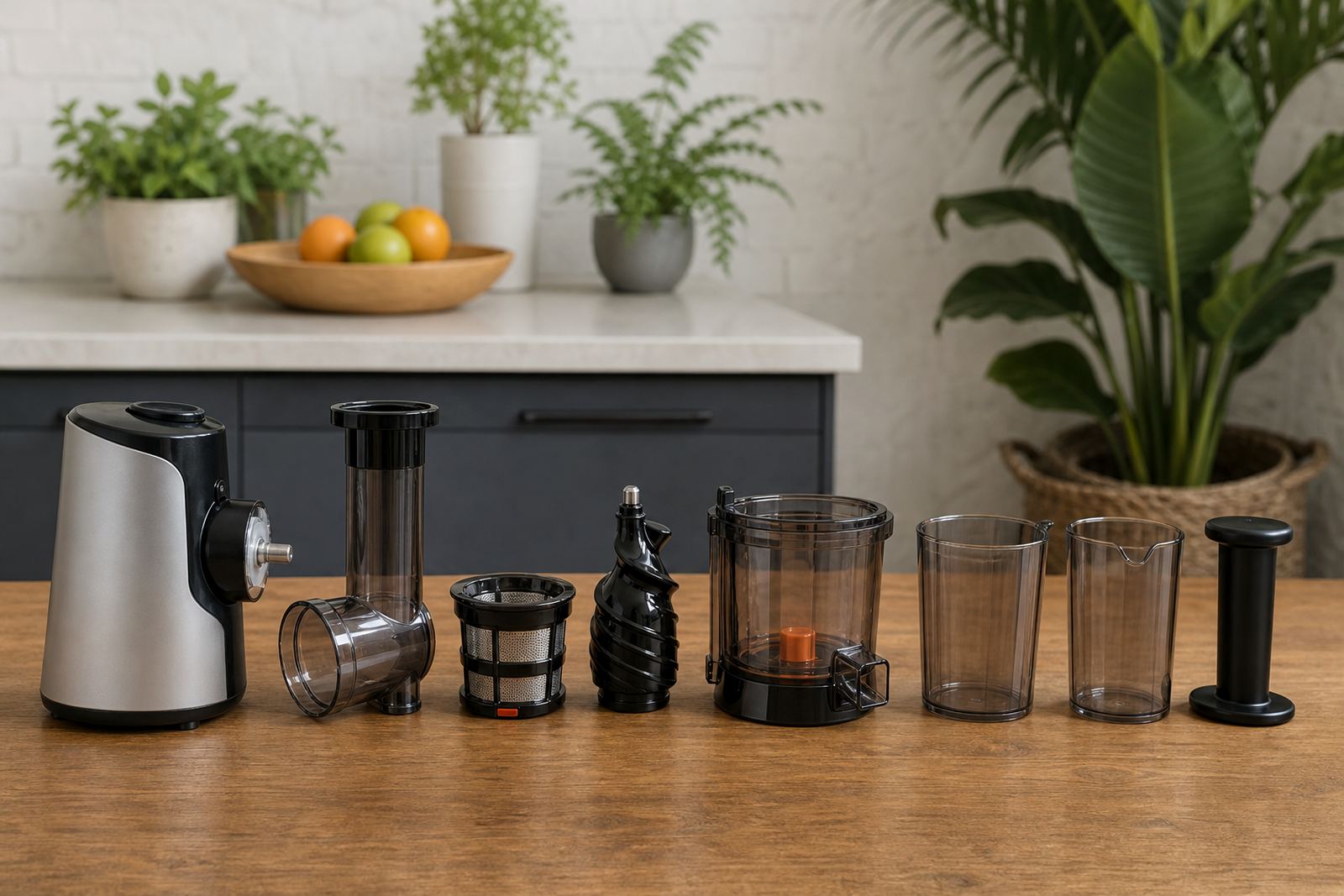
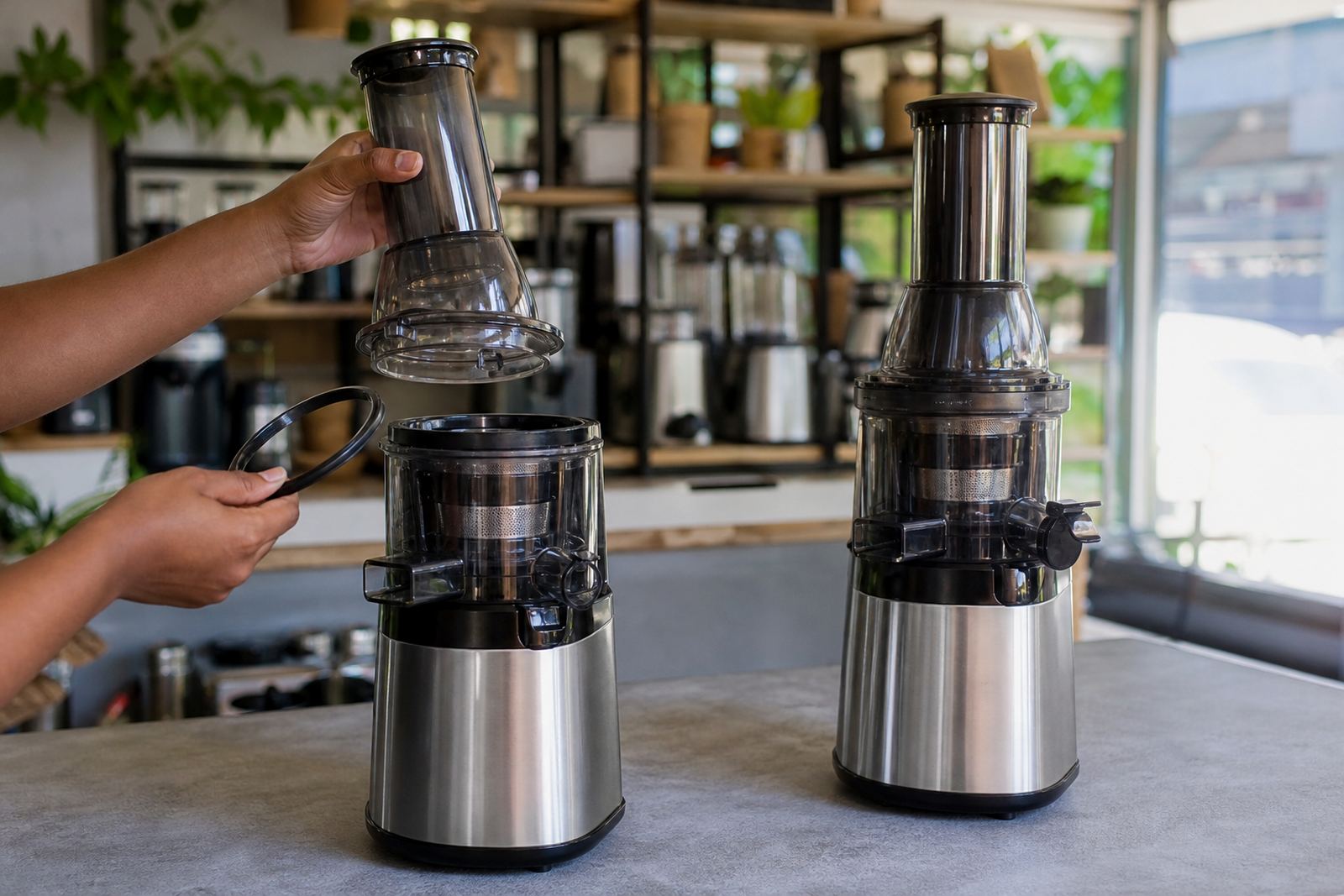
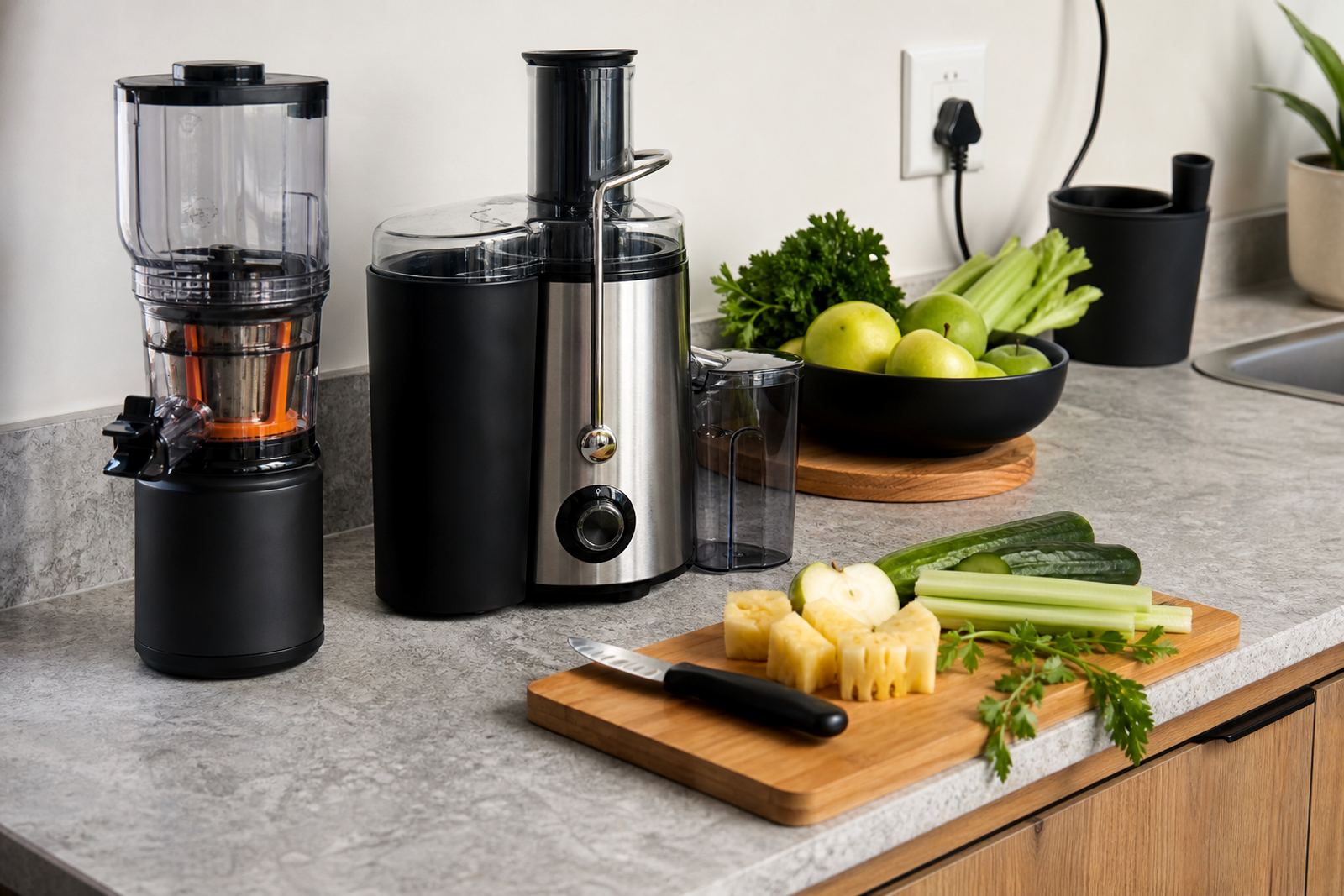
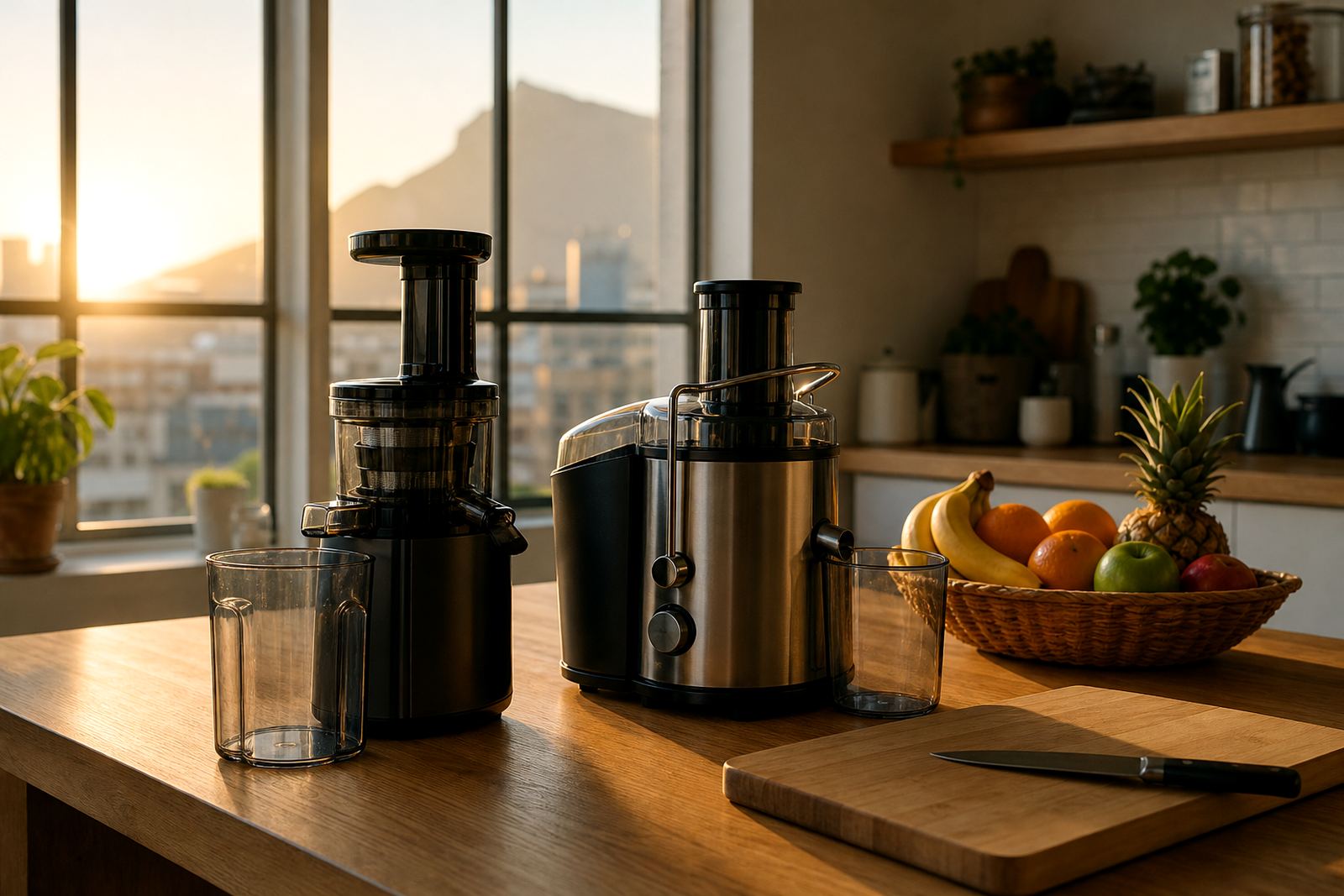
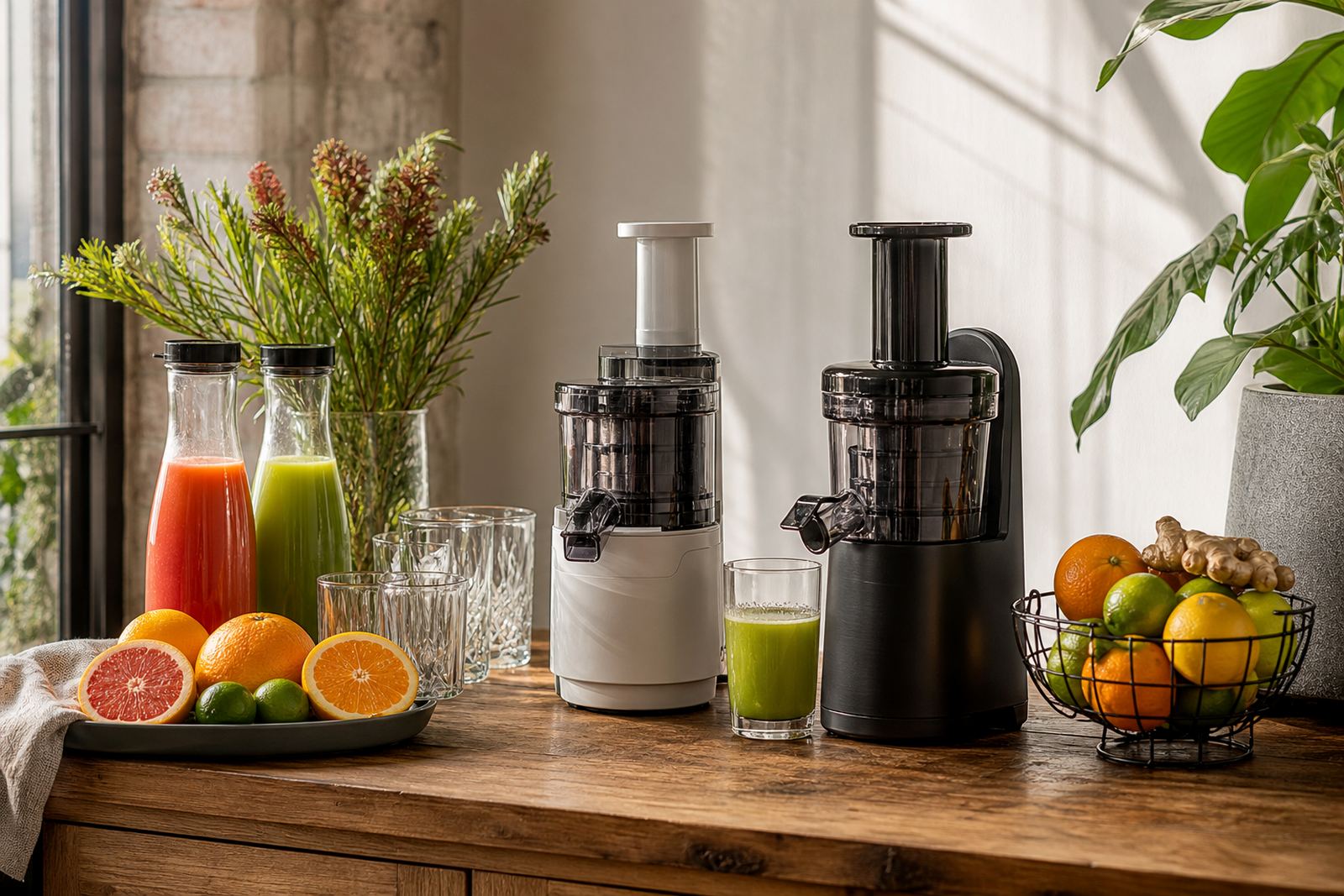
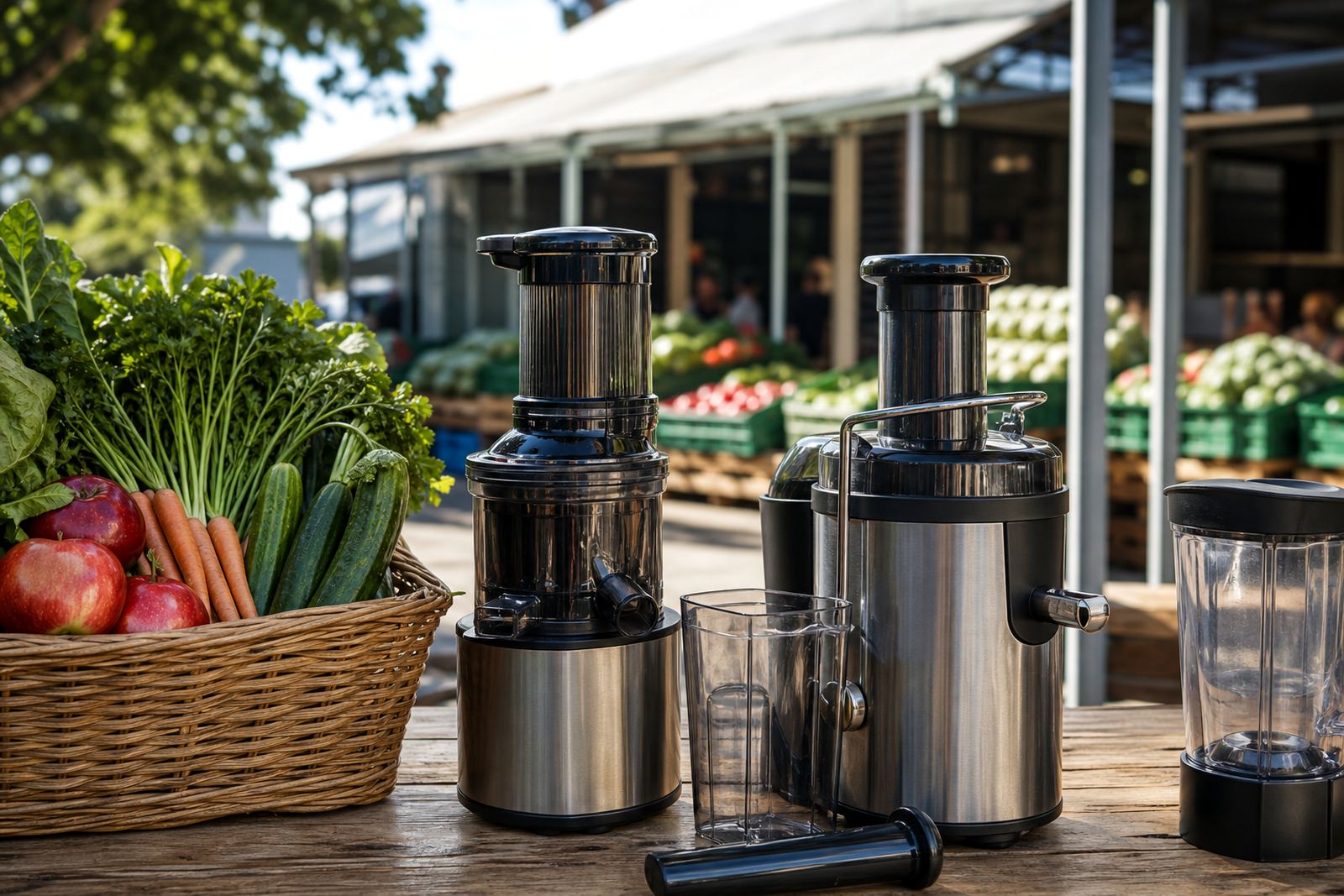
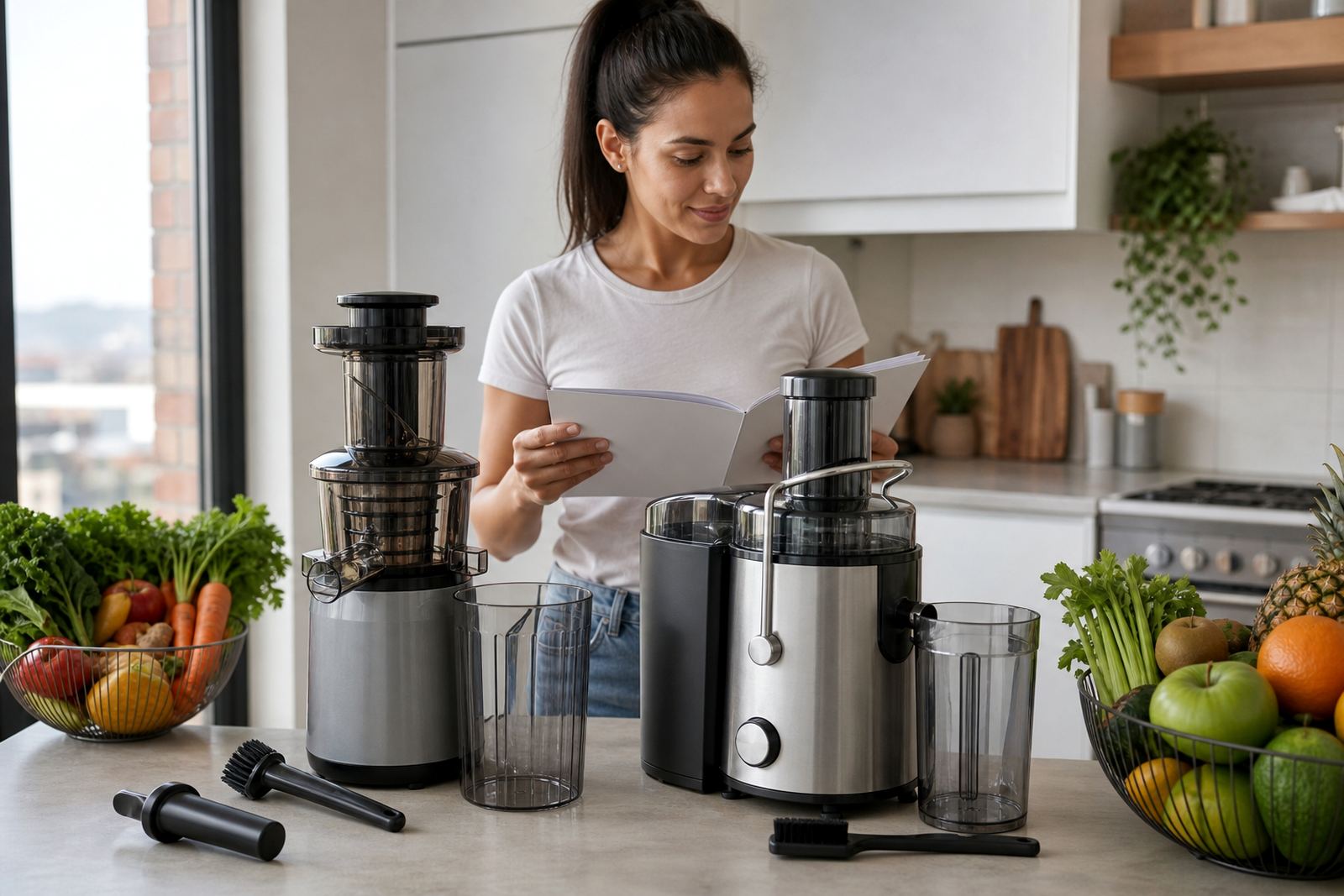
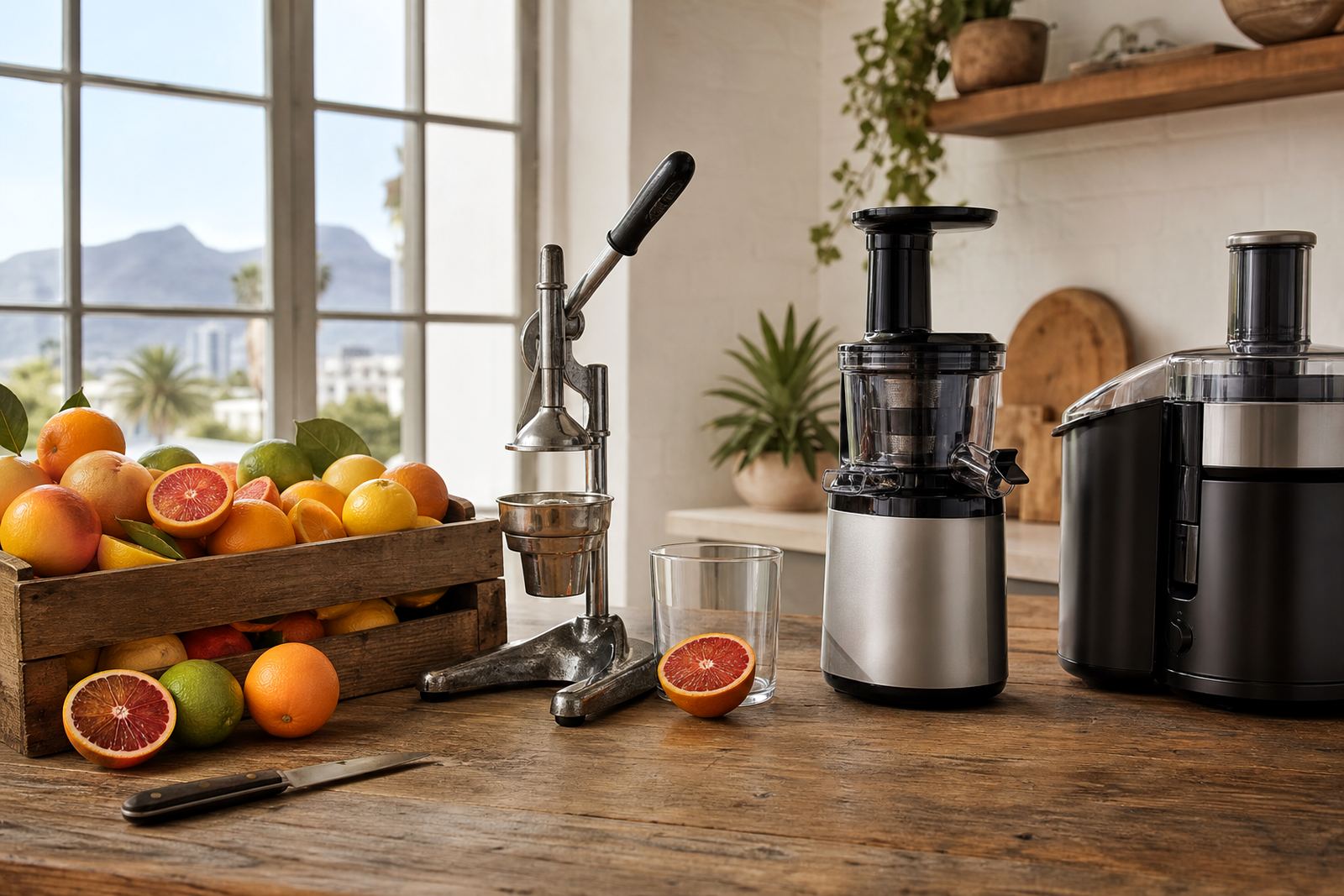
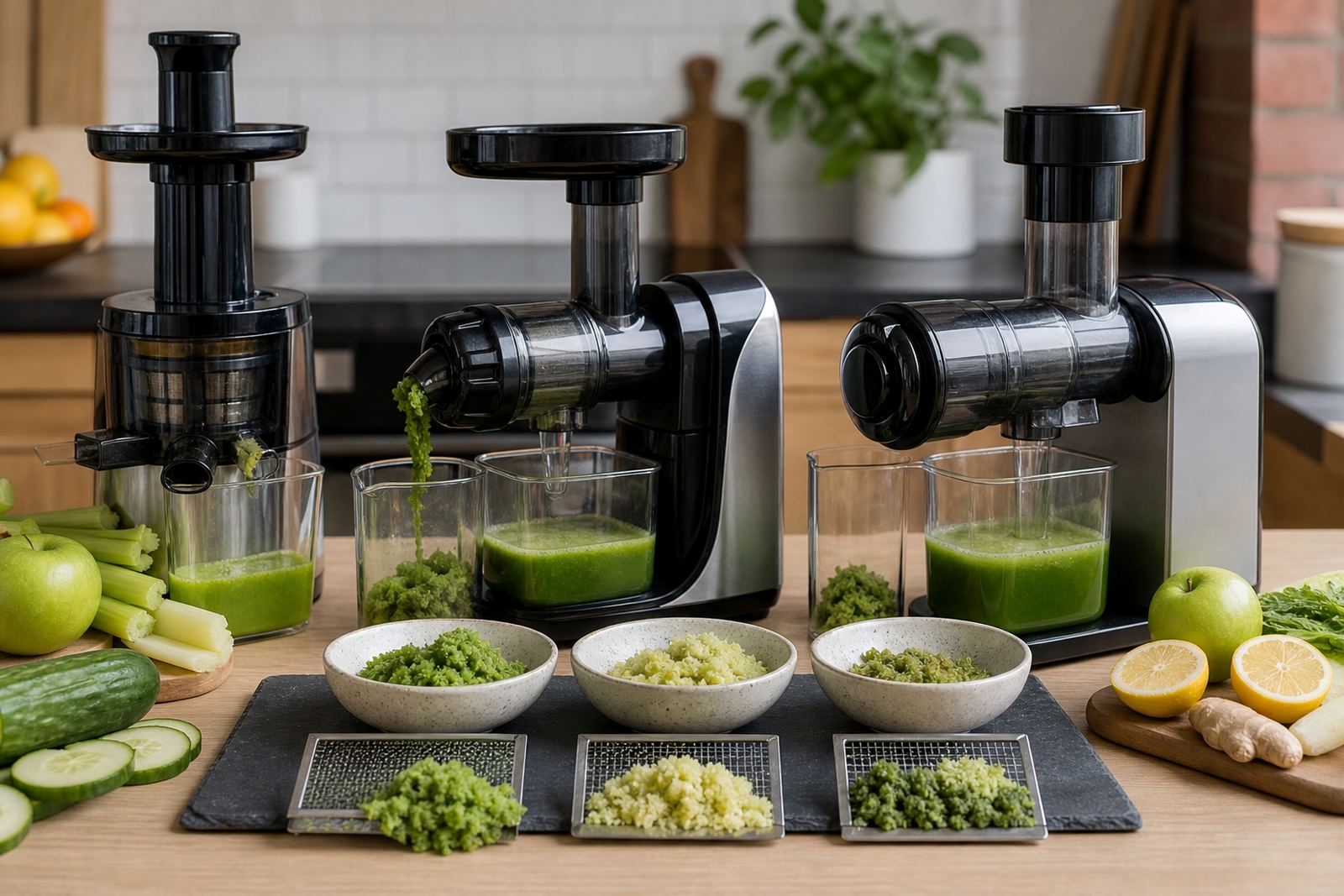
Different juicers suit different kitchens, counter space and habits. A slow masticating model works at a lower speed and usually handles leafy greens, herbs and harder produce with less foam. A centrifugal juicer spins faster, so it is often chosen for quick juice from firmer fruit and vegetables. A cold press uses pressure rather than heat, which is why many shoppers compare it with slow juicing when they want lower noise and a steadier extraction process.
When reading the Journal, start with how you actually use the appliance. If you make smaller batches and prefer less prep, a compact unit may fit better. If you juice often for the household, check feed chute size, parts count and how easy it is to rinse after use. In Paarden Eiland, where many kitchens run on tight counter space, that detail matters just as much as motor power.
Choosing around your kitchen habits, not just the label
Buying a juicer is easier when you sort the practical points first. Think about how much chopping you are willing to do, how often you want to clean filters and screens, and whether the machine must be lifted in and out of a cupboard each day.
- Check the feed chute size for your usual produce.
- Look at how many parts need washing after each use.
- Choose a jug and pulp container that fit your storage space.
- Ask whether the unit is suited to short runs or longer batches.
- Make sure the base will sit steady on a clean counter.
The best choice is the one you will use properly, clean properly and store properly. That is usually the machine that suits your routine, not the one with the longest feature list.
Prep work that keeps the juicer moving
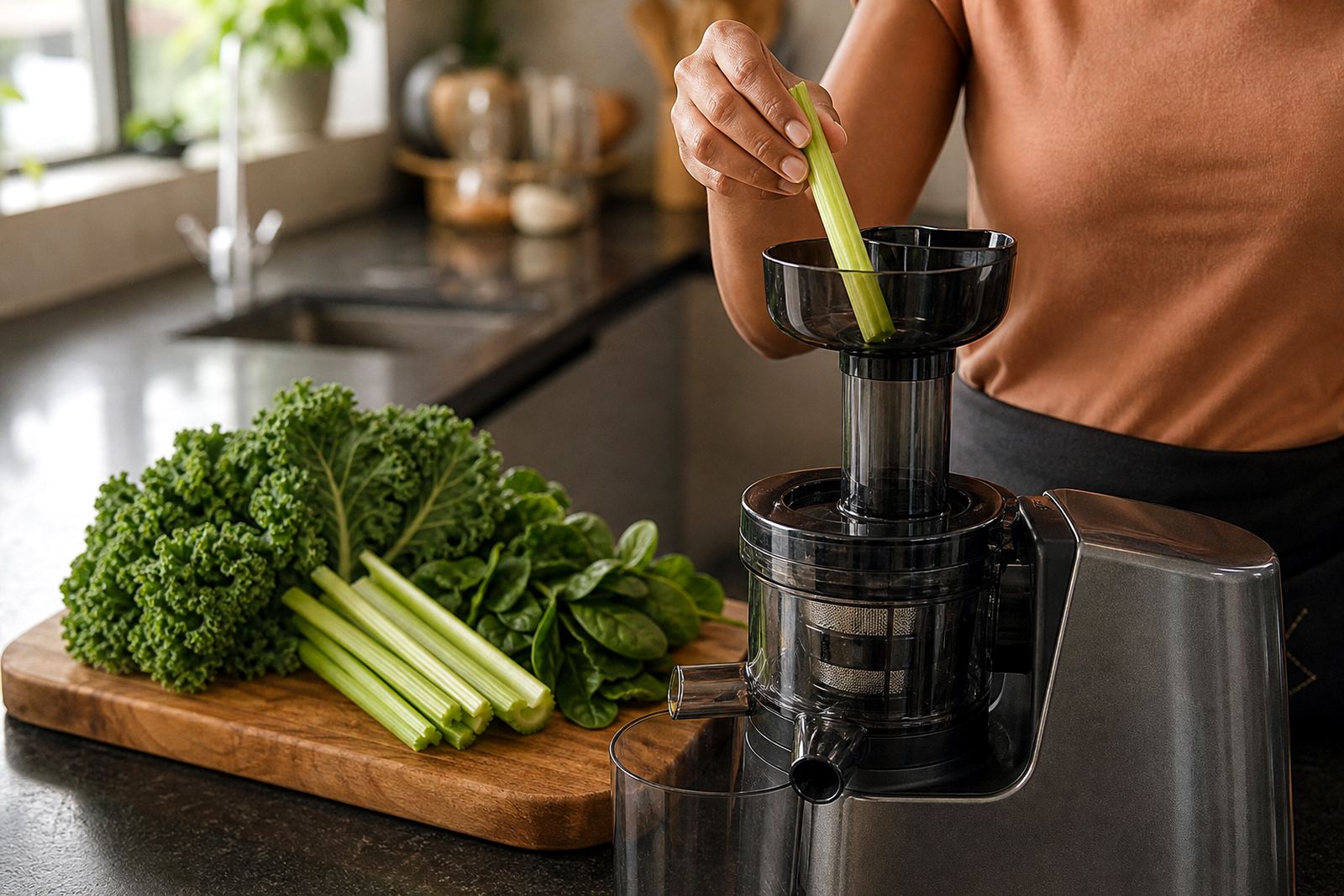
Good prep makes a bigger difference than many first-time buyers expect. Wash produce under safe drinking water, trim damaged sections and cut pieces to suit the chute. Hard roots and fibrous items can need smaller pieces so the auger or spinning basket does not strain. Soft fruit may need firmer support from other ingredients, depending on the machine type.
Keep a small board, knife and container together in one cupboard or tray so the process stays orderly. If you juice during peak summer heat in Durban or in a kitchen that stays warm in George, work in smaller batches and chill ingredients before use if your household routine allows it. That helps with timing and keeps the workspace cleaner.
Cleaning habits that stop the sticky build-up
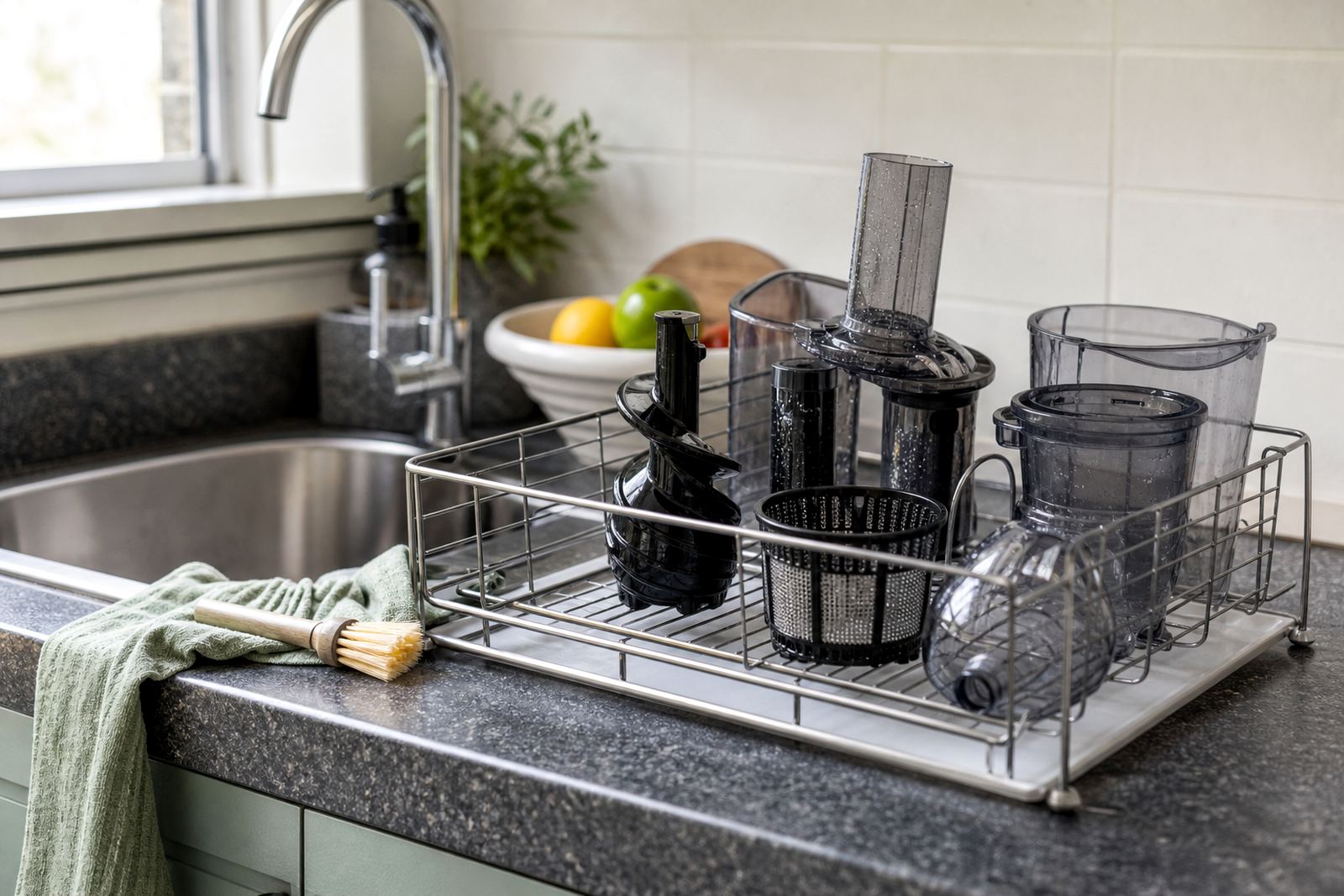
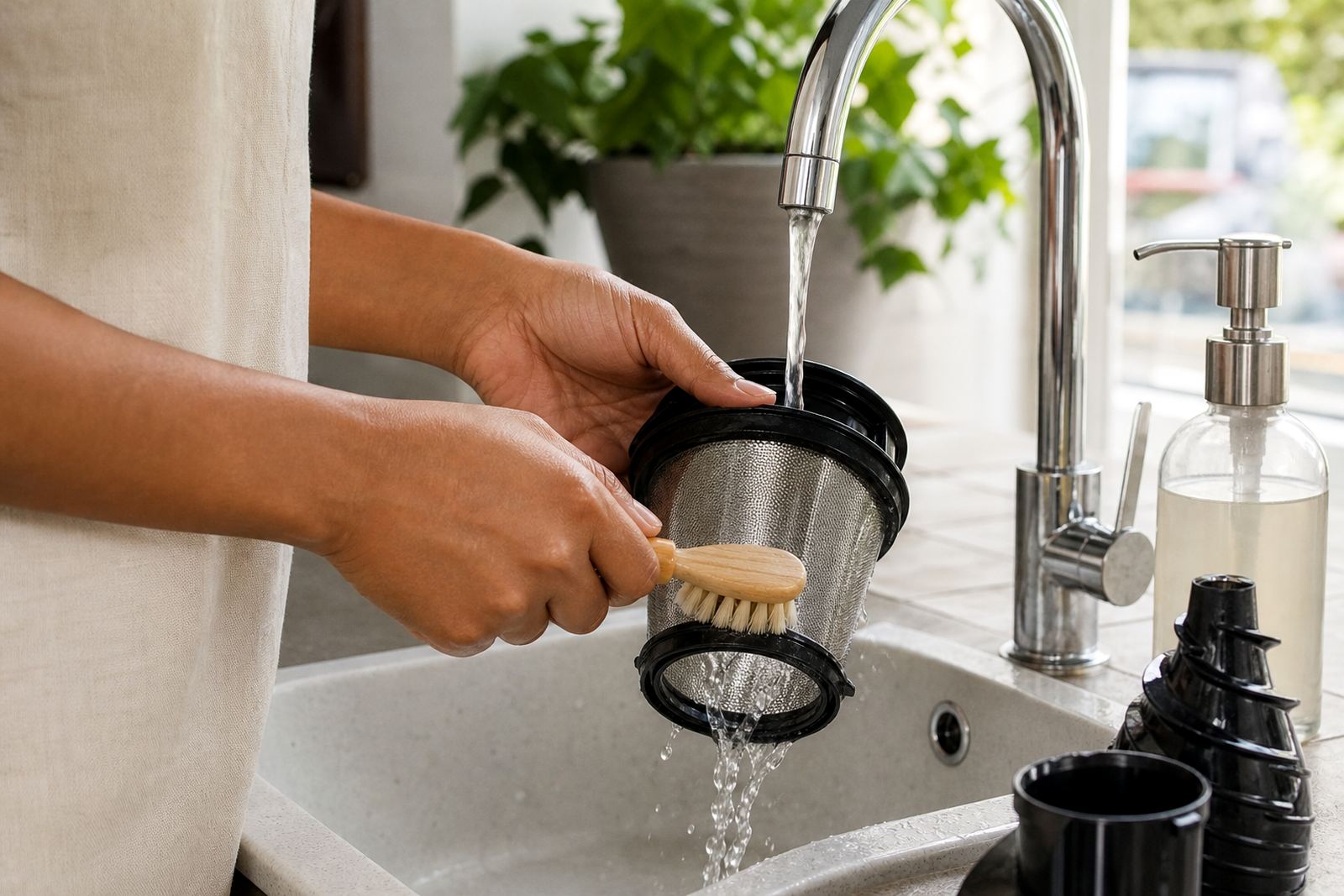
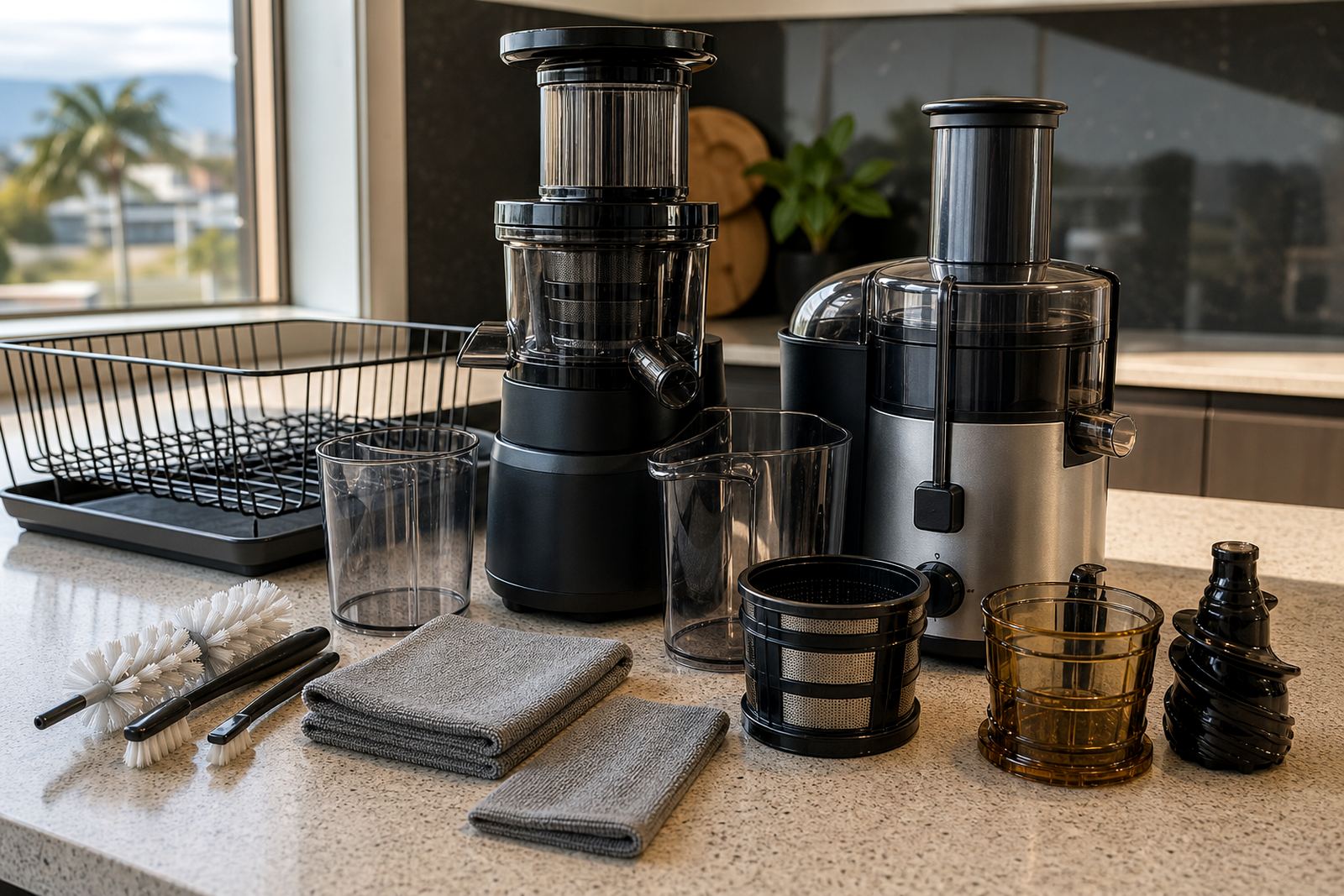
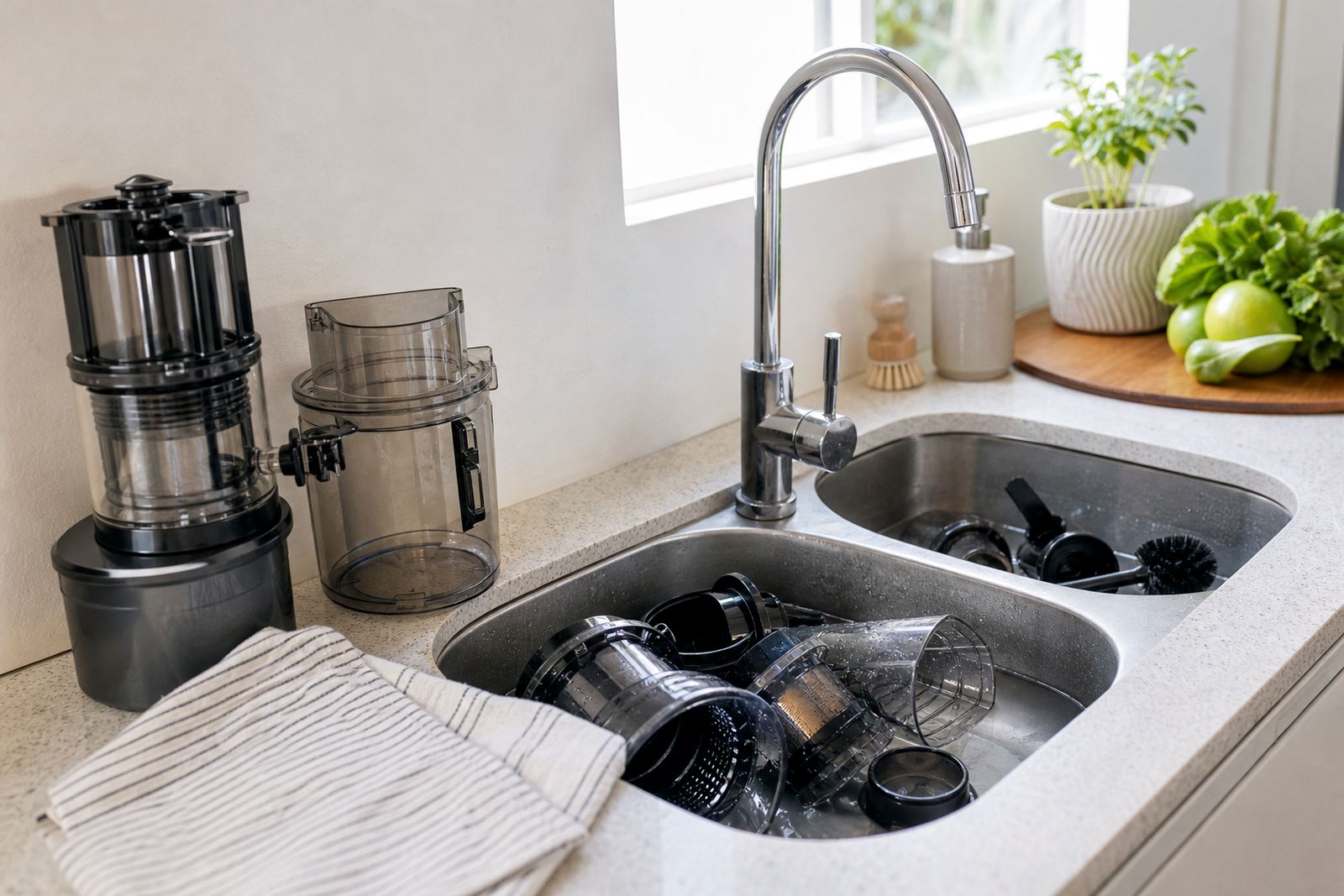
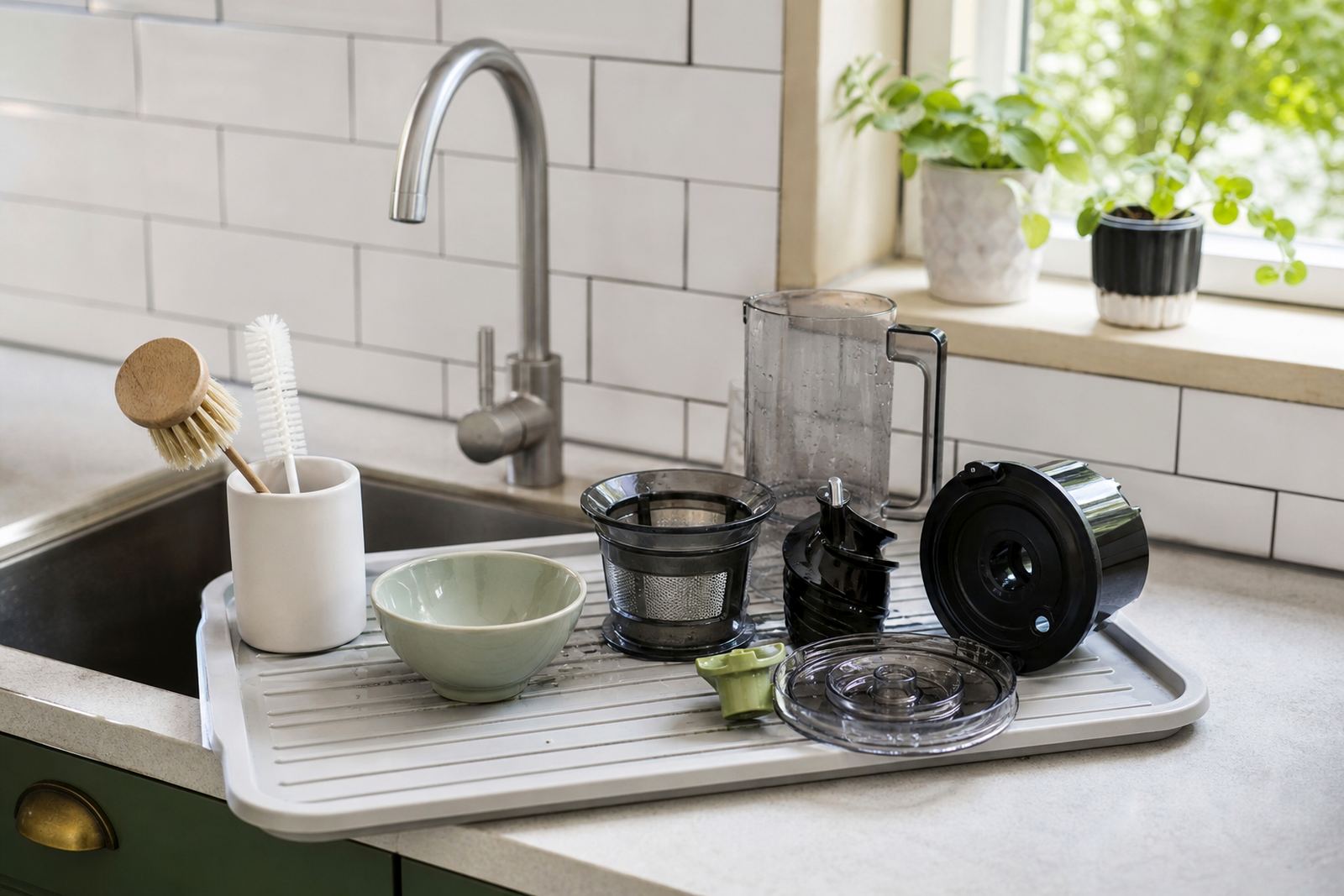
Fresh juice residue can dry fast, especially around screens, seals and outlet spouts. Rinse parts soon after use, even if you do not deep clean straight away. A soft brush helps clear pulp from mesh screens and fine openings. Avoid harsh scouring pads on clear containers or plastic parts, because scratches can hold residue and make later cleaning harder.
- Rinse detachable parts before pulp dries on them.
- Use lukewarm water and mild washing liquid.
- Brush screens and narrow channels carefully.
- Dry parts fully before storage to reduce odour and moisture.
- Check seals and lids for trapped fibre after every wash.
Food safety starts with clean hands, clean surfaces and dry storage. If a part smells sour, has visible residue or shows cracks, it needs proper attention before the next use. Coastal humidity in Cape Town can make that even more important.
Storage, cables and the small things that save time
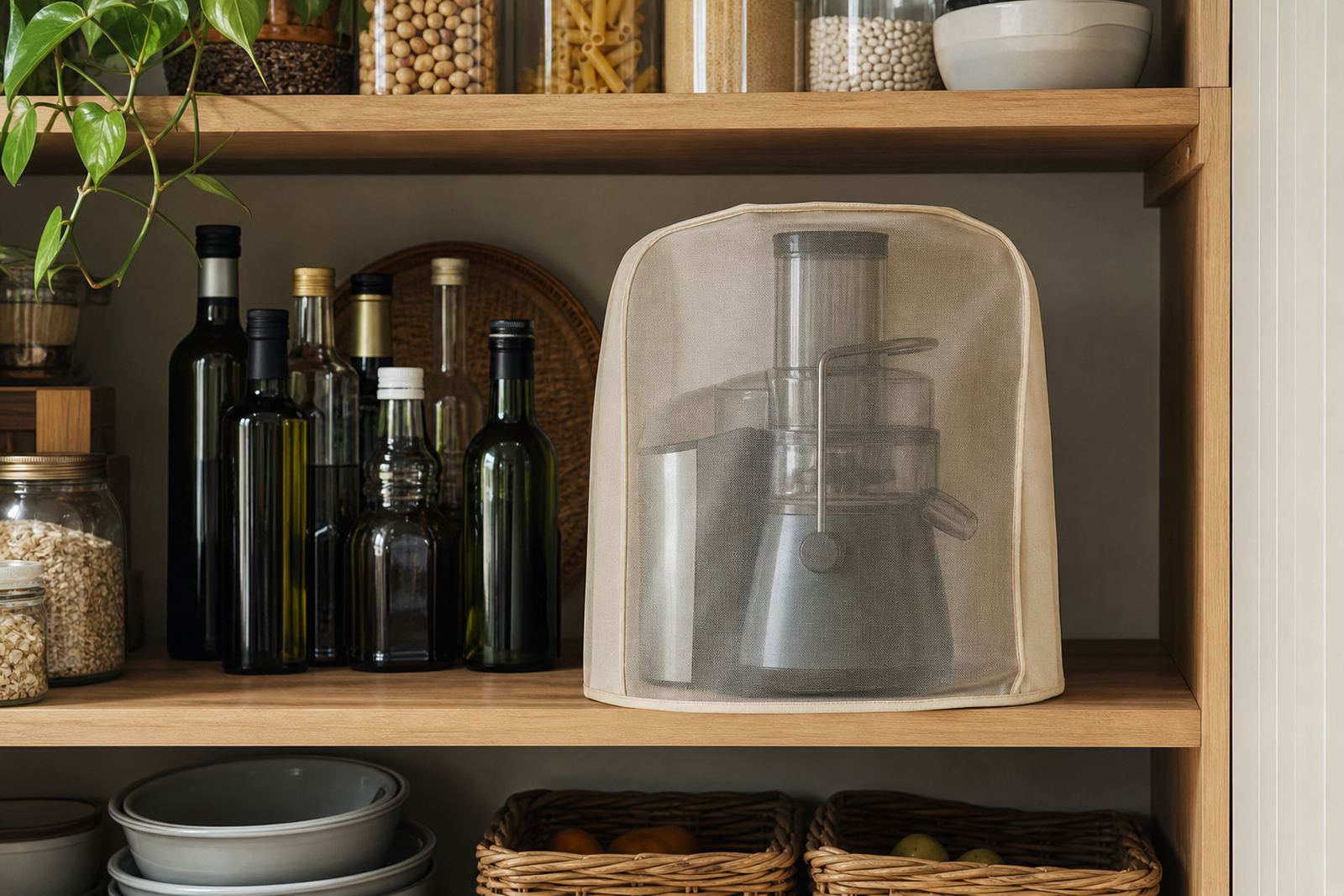
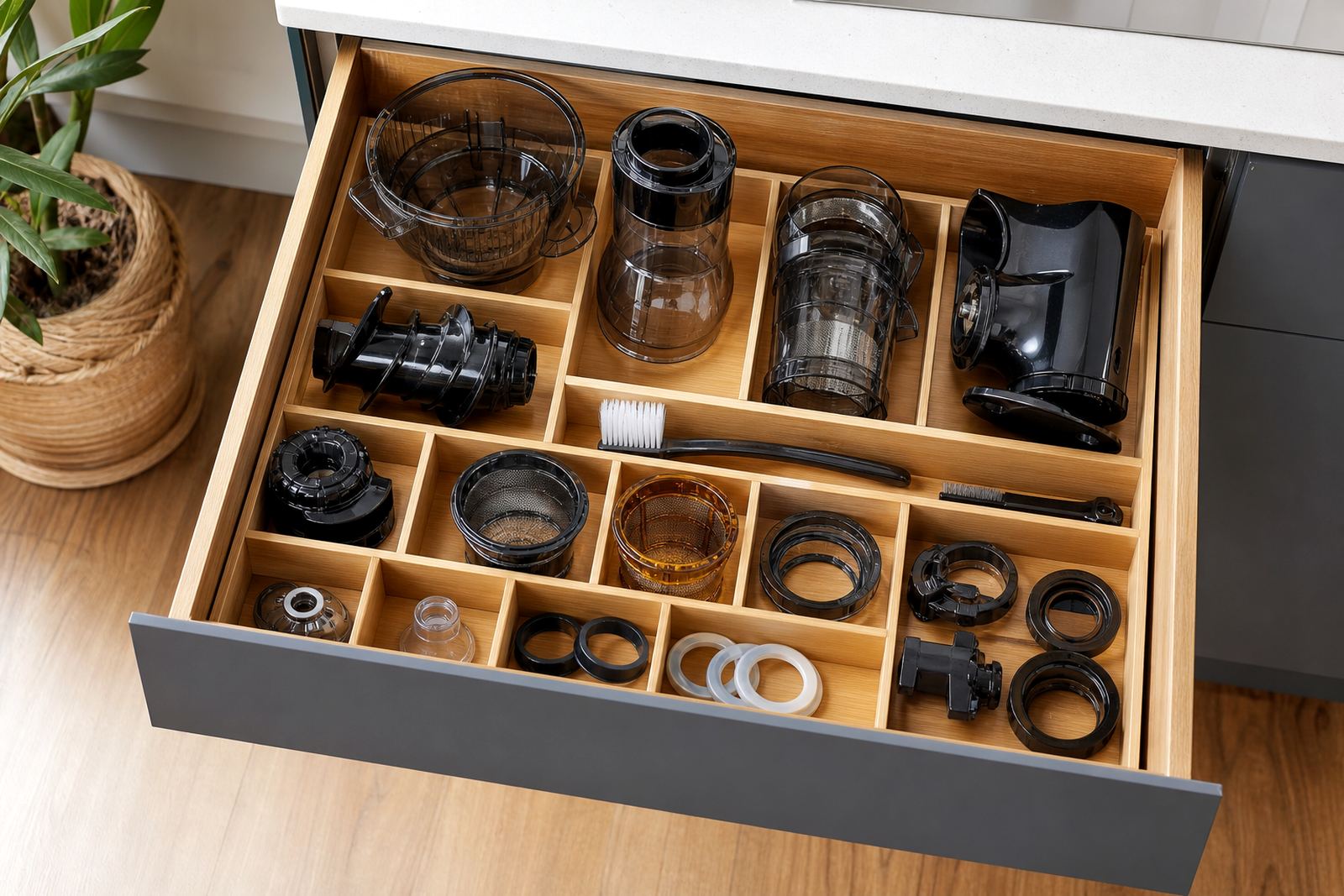
Where you store the machine affects how often you use it. Keep the base on a dry shelf or in a cupboard where the cable will not be crushed. Store accessories together in a container or bag so screens, brushes and plungers do not disappear into different drawers.
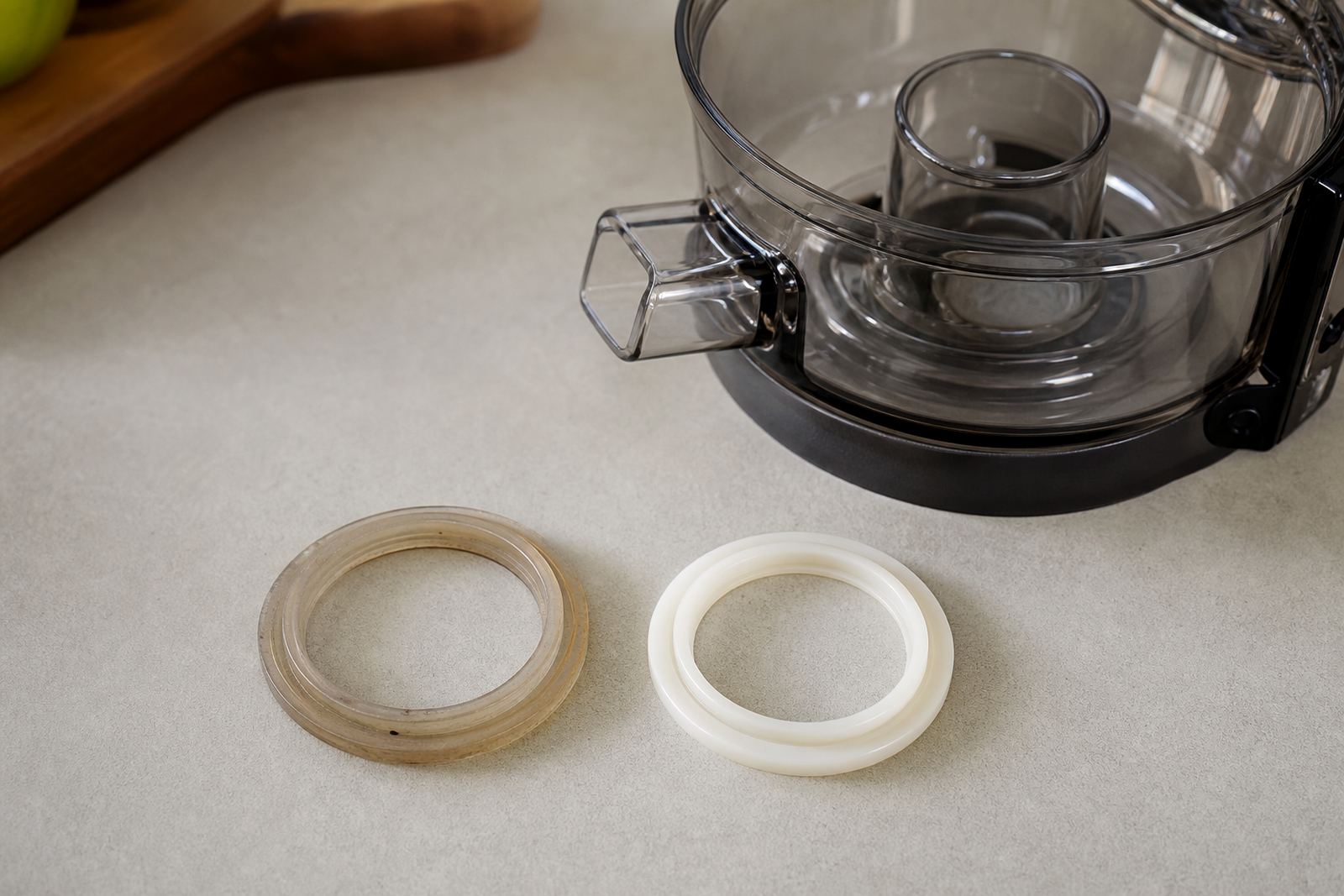
Do not wrap the cable too tightly around the unit, and do not leave wet parts stacked inside the machine. Let everything dry first. If a seal has gone hard or a screen looks bent, that is the time to ask about replacement help rather than forcing another batch through it.
When the Journal points you to support
Some issues are easy to sort with routine care, while others need a closer look. Uneven vibration, a leaking jug, a worn seal or a loose plug connection can all affect daily use. A machine that sounds different from usual may simply need a check on assembly, or it may need a deeper inspection of the moving parts.
The support notes in the Journal are written for South African homes that want practical answers, not guesswork. Whether you are based in Cape Town, Johannesburg, Durban, Pretoria, George, Stellenbosch or Somerset West, the same basics apply: keep it clean, keep it dry and keep the parts fitted correctly.