The small tools that do the heavy lifting
After a juice run, the parts that touch fruit and vegetables need more than a quick rinse. A soft brush, a narrow detail brush and a clean cloth are usually enough for most home juicers, if you use them straight after washing up. That matters because dried pulp can cling to mesh screens, auger grooves and feed tubes, especially when you have been juicing carrots, apples or leafy greens.
For food contact parts, the goal is not to scrub hard. It is to remove residue before it dries and turns sticky. A cloth helps with wipedown of lids, pulp cups and outer surfaces. Brushes do the awkward spots, like the corners around a spout, the underside of a strainer and the ridges on a feed chute. In a humid Cape Town kitchen near Paarden Eiland, waiting until the evening can make cleaning twice as fiddly, so a quick rinse and brush while the parts are still damp is worth the effort.
Brushes that suit different juicer parts
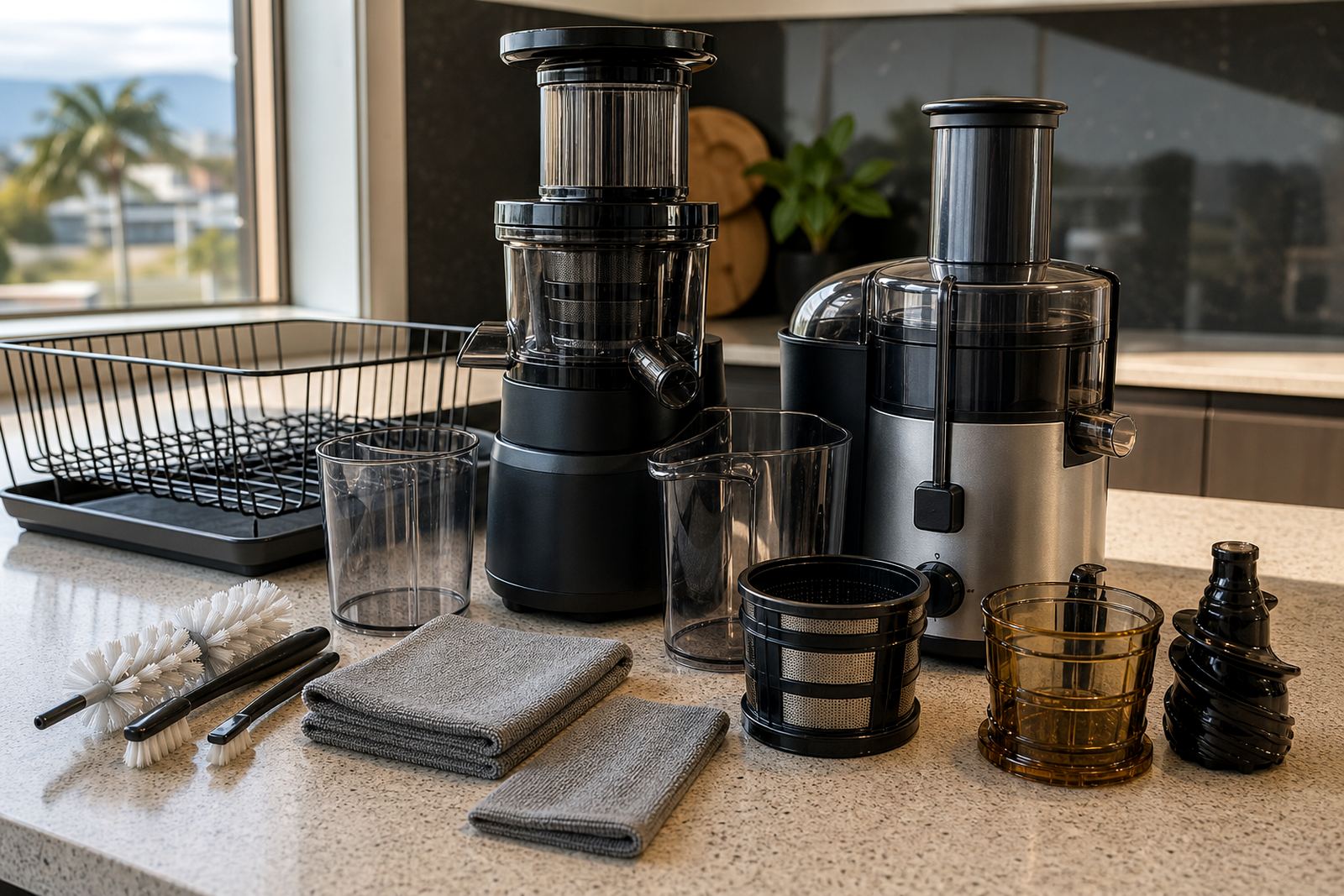
Not every brush works on every machine. A stiff pot brush can mark plastic and leave scratches that hold residue. A very soft cloth alone may miss the fine mesh on some juicing screens. The best kit usually includes a few different sizes, so each part gets the right treatment.
- A soft bristle brush for bowls, lids and juice cups
- A thin bottle style brush for spouts, tubes and narrow channels
- A small detailing brush for mesh screens and pulp corners
- A lint free cloth for drying and final wipe down
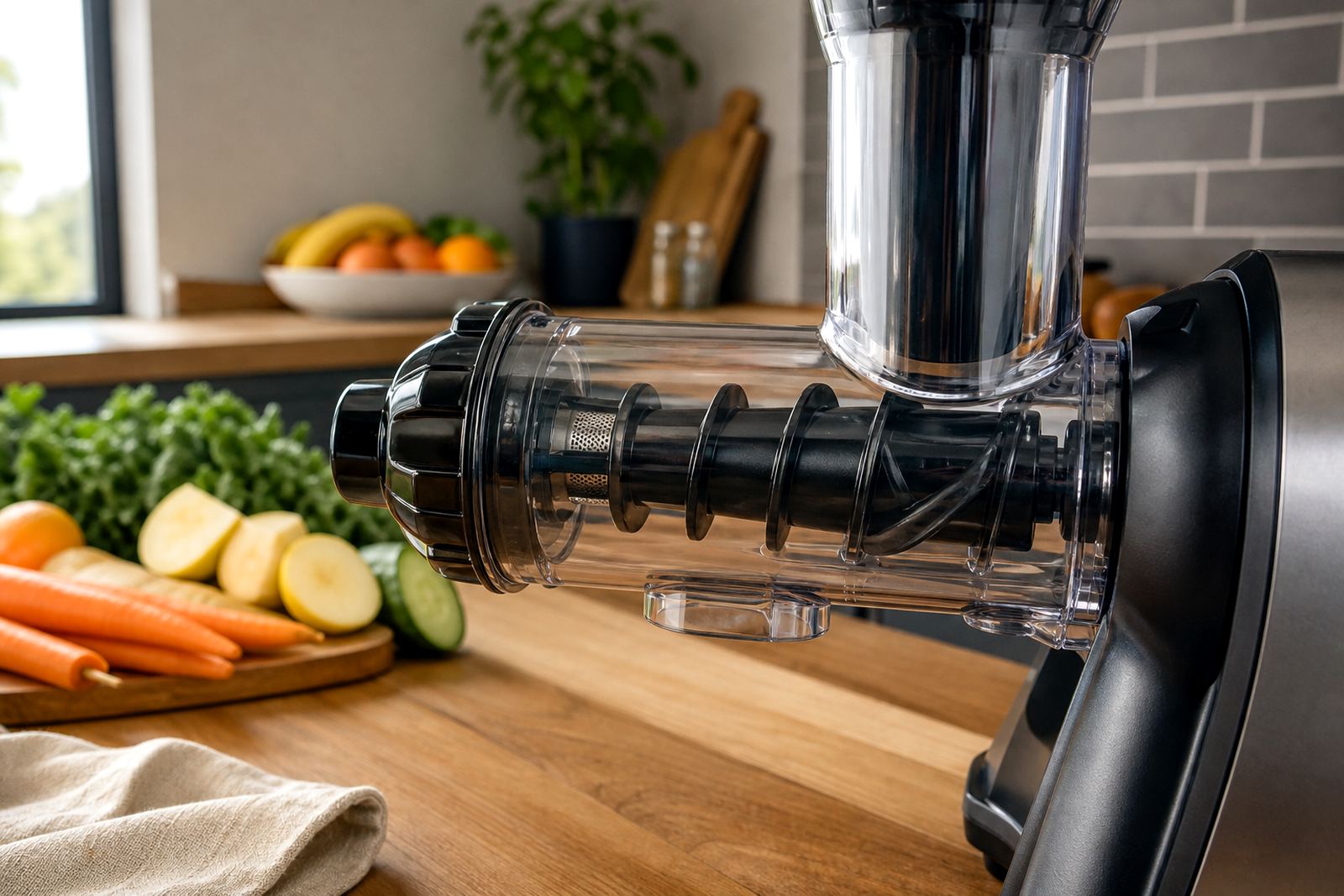
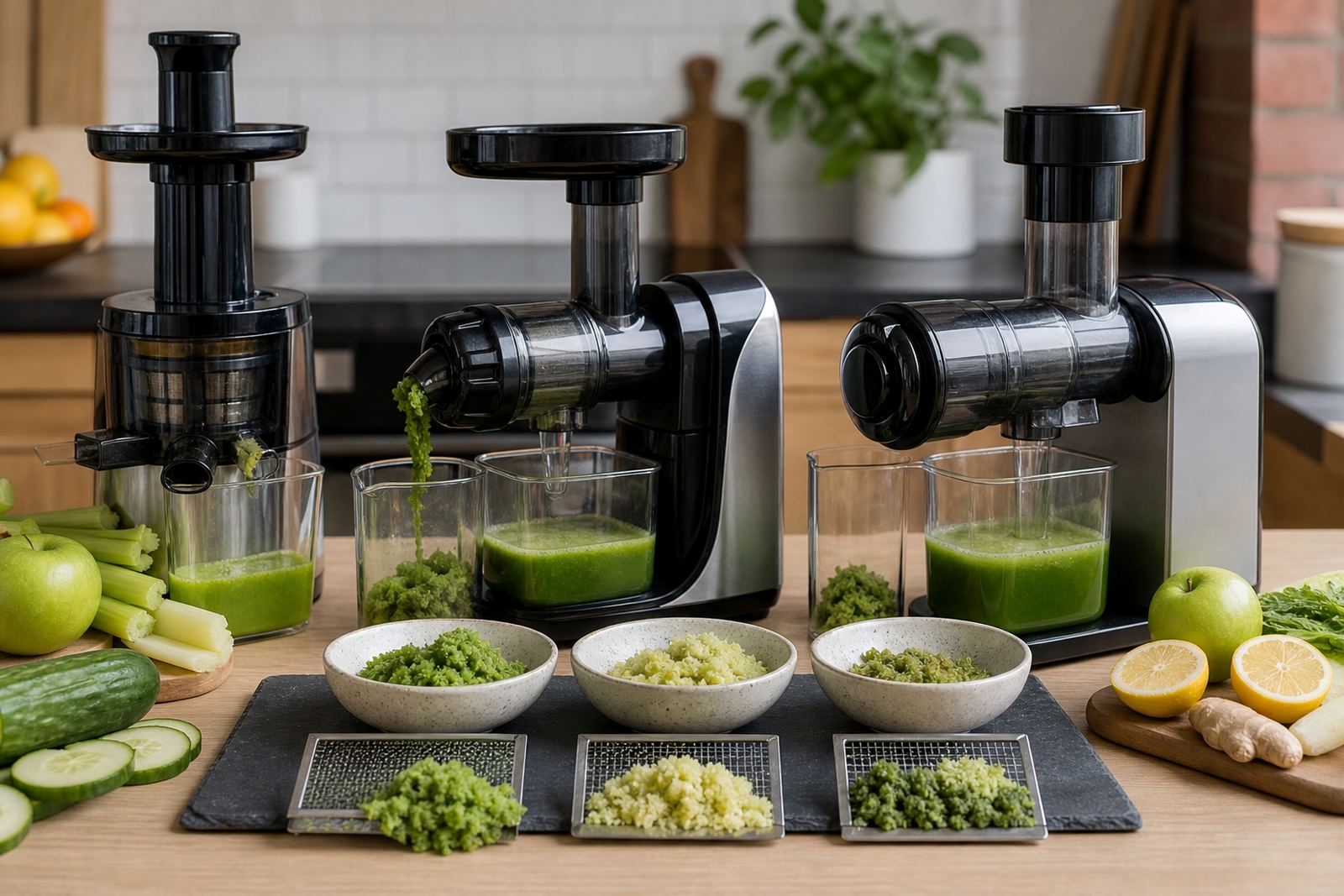
With slow masticating juicers, the auger and screen often need careful brushing to clear fibres without bending the mesh. Centrifugal juicers can leave spray marks and fine pulp around the cutter basket and lid, so a narrow brush helps there. Cold presses with separate pressing parts also need attention around seams and gaskets, where pulp can sit if you leave it too long.
Cloths that clean without leaving fuzz behind
A good cleaning cloth should remove moisture without shedding threads. Microfibre is handy for outer surfaces, but for food contact parts it should be used clean and rinsed properly so it does not carry old residue. A soft cotton cloth is useful for drying, especially on plastics and sealing rings where a rough towel can snag.
It helps to keep two cloths separate: one for washing and one for drying. That keeps grease, soap residue and pulp out of the last wipe down. If your kitchen is busy, label them or keep them in separate hooks near the sink. In a Durban home where the air stays damp, a cloth that dries poorly can start smelling stale fast, so hang it spread open instead of leaving it in a ball.
- Use a clean cloth for the final wipe after rinsing
- Do not use abrasive scourers on clear plastic parts
- Replace cloths that keep odours even after washing
- Air dry everything fully before reassembly
What to clean first after juicing
The order matters because warm pulp sets quickly. Start with the parts that hold the most residue, then move to seals and outer pieces. A fast rinse under running water removes loose fibre before you bring in the brush. If you leave it until later, screen holes can clog and rubber rings may hold on to pulp in the grooves.
A practical sequence is: empty the pulp, rinse the removable parts, brush the screen and tight corners, wash with mild dish soap, rinse again, then dry with a cloth. For any motor base or electrical section, use only a lightly damp cloth never running water. That keeps moisture away from switches, cables and plug points.
- Remove pulp before it hardens
- Brush from the inside out so debris falls away
- Rinse soap off fully to avoid taste transfer
- Dry all parts before storing or refitting
Food safety starts with ordinary kitchen habits
Clean tools support food safety by lowering the chance of residue building up in corners and seams. That does not mean using harsh chemicals or strong smells. Mild soap, clean water and separate drying cloths are usually enough for home use, as long as you clean thoroughly and allow the parts to dry. If you use one brush for raw produce and another for dried parts, it is easier to keep the washing area orderly.
If the power goes off in Johannesburg or Pretoria and you cannot run a juicer straight away, keep the cleaning tools nearby so the process still stays quick once the machine is switched off and unplugged.
A Paarden Eiland routine that works in a busy week
One Cape Town customer doing prep for a family breakfast in Somerset West may use a slow masticating juicer for leafy greens and a centrifugal unit for apples. The cleaning needs differ a little, but the same brush and cloth routine still applies. The masticating unit needs careful attention on the auger and screen, while the centrifugal unit usually needs more brushing around the basket and lid.
A short routine after each use keeps the parts easier to manage and reduces the risk of sticky build up when the machine is stored. If you are unsure which brush size suits a screen, seal or spout, MiniPress can help with deep clean guidance, seal replacement support and video support calls from our Paarden Eiland base. That is useful for households in Cape Town, George, Durban, Pretoria and Johannesburg where the kitchen routine needs to be quick and practical.
- Keep one small brush with the machine storage box
- Store cloths in a dry cupboard, not near the sink
- Check seals and screens for trapped fibre before packing away
- Replace worn tools before they start scratching parts