
Start with a steady base, not a shaky counter
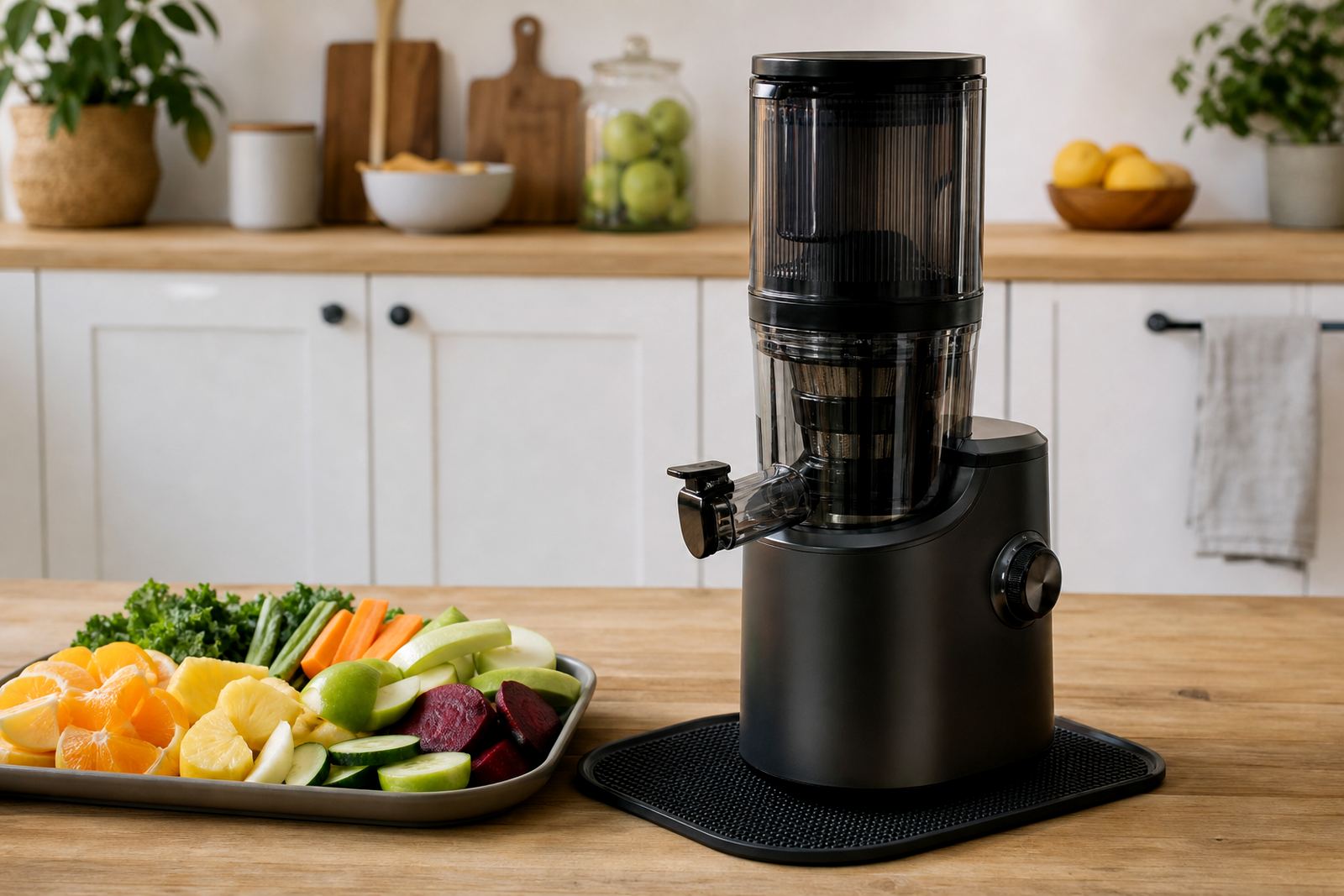
No matter whether you are using a slow masticating juicer, a centrifugal model or a cold press, the noise often starts at the point where the machine meets the counter. A hollow cabinet top, a loose tile or a wobbly tray can turn a normal hum into a much louder vibration. Set the unit on a firm, level surface and check that all feet sit flat. If the worktop is polished stone or slick laminate, a thin non slip mat can help keep the machine planted.
Keep the area clear as well. A juicer nudging against a kettle, chopping board or wall can bounce sound around the kitchen. Leave a little breathing room at the back and sides, and make sure the collection jug is not pressing against the body of the machine. In a compact flat in Sea Point or a small kitchen in Edenvale, that bit of space makes a difference.
Prep produce before the machine starts complaining
A juicer works more smoothly when the feed opening is not being forced to do everything at once. Hard carrots, large apples and long celery stalks can make a machine labour if they go in too quickly. Cut produce into sizes that match the feed chute, and trim away thick cores, pips and woody ends where needed. That lighter load often means less strain and less clatter.
It also helps to sort your ingredients before switching on. Keep fruit, greens and harder pieces in separate bowls so you can feed them in a steady order instead of fumbling at the counter. That is one of the easiest ways to avoid repeated stops and starts, which are usually louder than a consistent run. Good prep also keeps the cleaning area tidier, because less scrap ends up stuck around the chute or pulp outlet.
- Wash produce before cutting so grit does not travel through the machine.
- Remove stones, large seeds and rough stems where practical.
- Cut hard items into even pieces for a steadier feed.
- Keep a cloth nearby to wipe spills before they become slippery.
Choose the right juicer for the way your kitchen sounds
Different machines make different noises, and that is worth knowing before you judge whether yours is too loud. Centrifugal juicers usually spin faster and can sound sharper, especially when hard produce is pushed through in bursts. Slow masticating juicers usually run at a lower speed, which often gives a softer working sound, although they can still chatter if the feed is uneven. Cold press units are also designed for a gentler extraction method, but they still need stable loading and sensible pacing.
If noise matters in your home, think about when and how often you juice. A quick morning run before school traffic in Johannesburg may suit a faster machine, while a more measured evening routine in Durban could favour a slower style. The machine type is only part of the picture though. The countertop, the load and the timing all shape how loud the kitchen feels.
- Centrifugal juicers can be quicker but are usually sharper in tone.
- Slow masticating models often sound calmer when fed steadily.
- Cold press units work best with patient, even loading.
- Any machine will be noisier if the counter is loose or the feed is rushed.
A calmer feeding rhythm keeps the motor from shouting
One of the biggest noise triggers is overfeeding. When produce is pushed in too fast, the motor has to work harder and the machine can start to chatter, pulse or vibrate. Let the unit process one piece at a time where possible, and pause briefly between larger handfuls. That slight rhythm gives the motor time to settle and usually makes the whole process less harsh on the ears.
It is also worth listening for changes in tone. A sudden high pitch, knocking sound or excessive shaking can mean the feed is too heavy, the pulp outlet is backing up, or a part is not seated properly. Switch off, check the assembly and clear the chamber before continuing. If you are using the machine often, a routine check on seals, screens and locking points can keep noise down and help the unit run more evenly.
In Paarden Eiland, where kitchens may sit close to workspaces or shared yards, that steadier rhythm can make a morning juicing session far less disruptive for everyone around you.
Clean parts properly so grit does not become the soundtrack
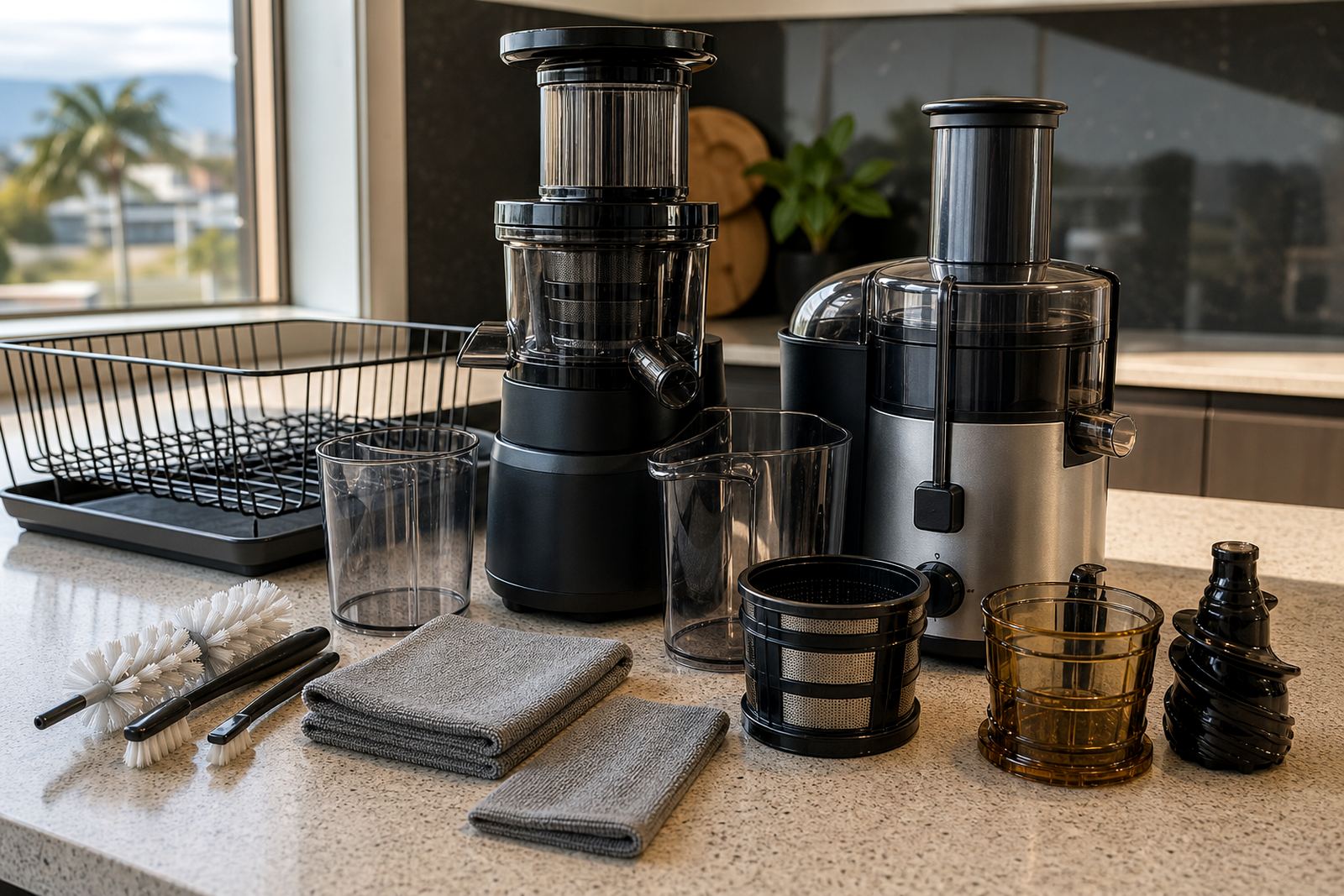
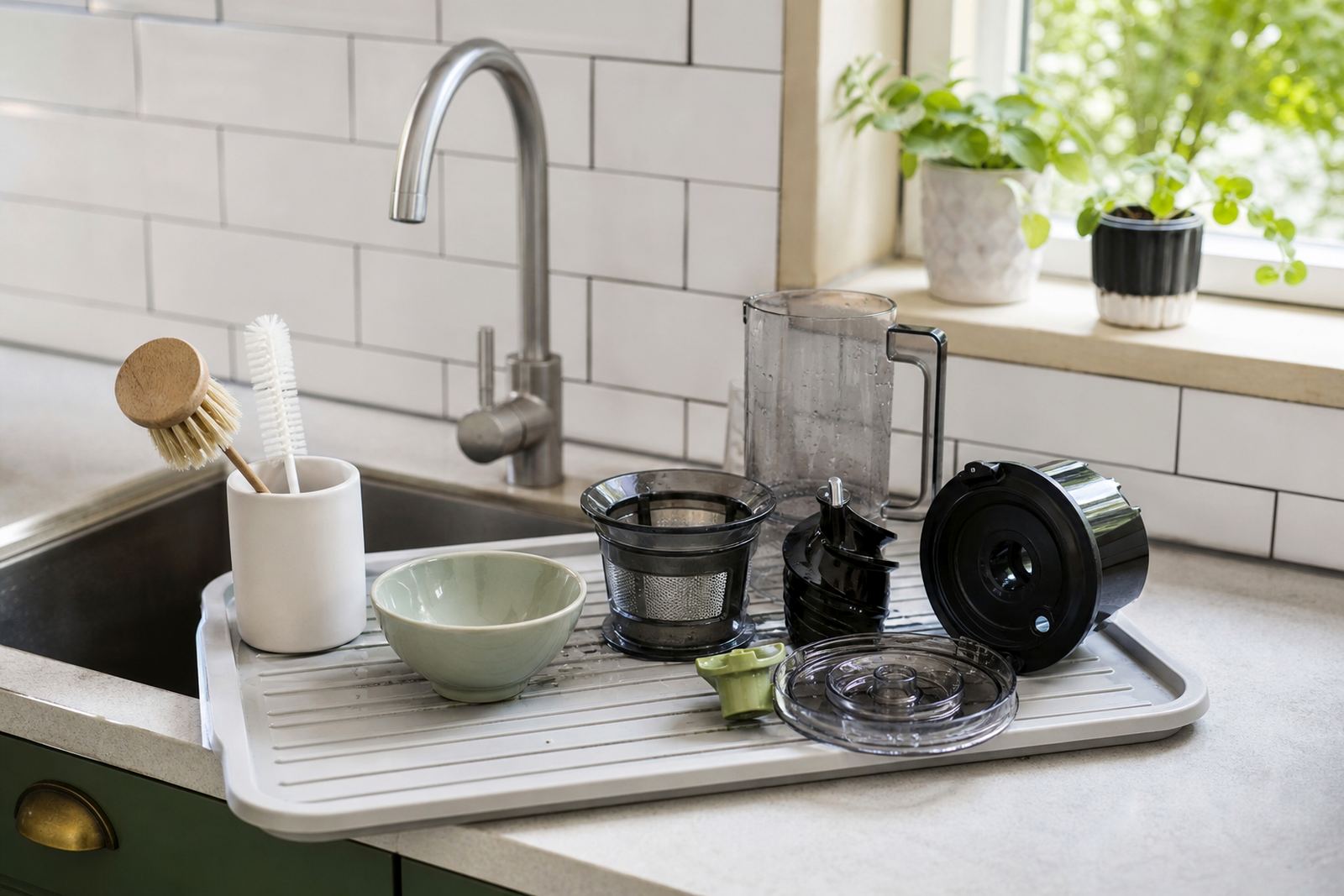
Noise is not only about the running machine. Dirty parts can cause friction, poor fit and extra vibration. Pulp, fibre and sticky residue can build up around the screen, auger, lid or outlet and make the unit work harder next time. Rinse removable parts straight after use, then wash them with warm water and a soft brush or tool so residue does not dry into the mesh or seals.
Food safety matters here too. If fresh juice is made in a kitchen where raw produce is handled, clean the work surface, hands and equipment before and after juicing. Dry parts fully before reassembly so trapped moisture does not cause odour or slipping. If a screen is blocked or a seal is worn, the machine may not sit properly and the extra movement can increase noise as well as wear. For frequent use, a routine care plan and deep clean guidance can save a lot of frustration.
Time it with the household instead of fighting the house
Sometimes the quietest fix is timing. If your kitchen sits near a bedroom, study or shared lounge, try juicing when the household is already active. In many Cape Town apartments, early afternoon or late morning is less disruptive than a very early start. In a family home in Stellenbosch or Somerset West, it may make more sense to juice after breakfast dishes are done and before the house goes still again.
If the power comes back and everyone starts cooking, charging phones and switching on kettles at once, the whole room gets louder and busier. A small bit of planning helps. Set out produce, rinse parts and clear the counter before you start so the juicing itself is quicker and there is less handling noise around it. That is practical courtesy, not just comfort.
- Pick a time when the kitchen is already in use.
- Avoid juicing while someone is on a call or sleeping nearby.
- Prepare ingredients before switching on the machine.
- Keep cleaning tools ready so the area is cleared quickly afterward.
When the noise changes, listen for the cause
If a juicer that was once manageable becomes noticeably louder, do not assume that is just how it is now. Changes in sound can point to loose parts, a tired seal, a blocked screen, a cable or plug issue, or wear in the drive system. A quick check of the base, lid, screen, outlet and locking points can reveal something simple before it turns into a bigger fault. If the unit is rattling on every run, it may need a deeper clean or a part replacement rather than more force from the user.
We often find that the quietest machines are the ones looked after in small, regular ways. A stable counter, a measured feed and a clean chamber do more for noise than pushing harder ever will. That applies in a busy Johannesburg kitchen, a Durban townhouse or a George family home. Good habits keep the juicer easier to live with, and less likely to wake the rest of the house.