The bottle has to suit the juice, not only the bag
Fresh juice behaves differently from water. It can foam, settle and separate, especially if it has been made in a slow masticating juicer or a cold press. Centrifugal juicers can introduce more air, so the bottle choice matters even more if you want to avoid a fizzy top and a messy lid. For a packed lunch in Cape Town, a sturdy bottle with a tight seal is often better than a soft squeeze bottle that can open in a school bag or work tote.
Look for a bottle with a wide enough mouth to pour into without dribbling down the sides. That small detail makes packing easier in the morning, particularly when the kettle is on, the school run is moving fast and there is already enough going on in the kitchen.
- Choose a secure screw cap or locking lid
- Use a size that matches the amount you actually drink
- Prefer a shape that fits a lunch bag or bottle holder
- Check that the opening is wide enough for cleaning brushes
Cold juice and hot days ask for better sealing
In Durban humidity or a summer day in Pretoria, a weak seal can turn a clean bottle into a sticky problem. Juice expands slightly as it warms, so leave a little headspace rather than filling the bottle right to the brim. That helps reduce pressure on the lid and leaves room if you add ice packs in the cooler bag.
For outings, it helps to keep the bottle upright as much as possible. If the bottle must lie flat in a backpack, test it at home first with plain water. That is the quickest way to see whether the cap, gasket or flip top can handle movement without leaking.
- Leave a small gap at the top of the bottle
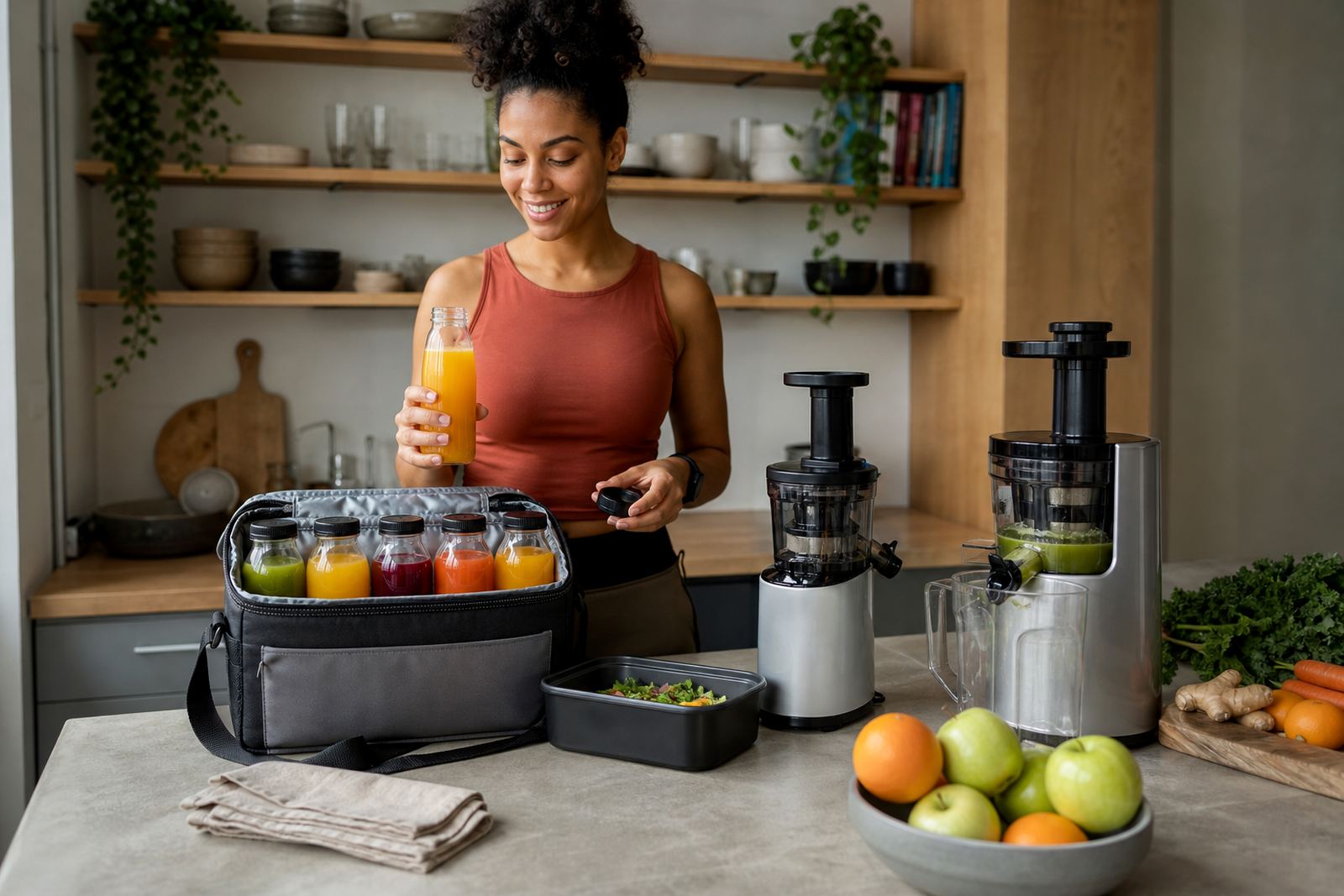
- Use an insulated sleeve or cooler bag for longer travel
- Test the seal before relying on it at school or work
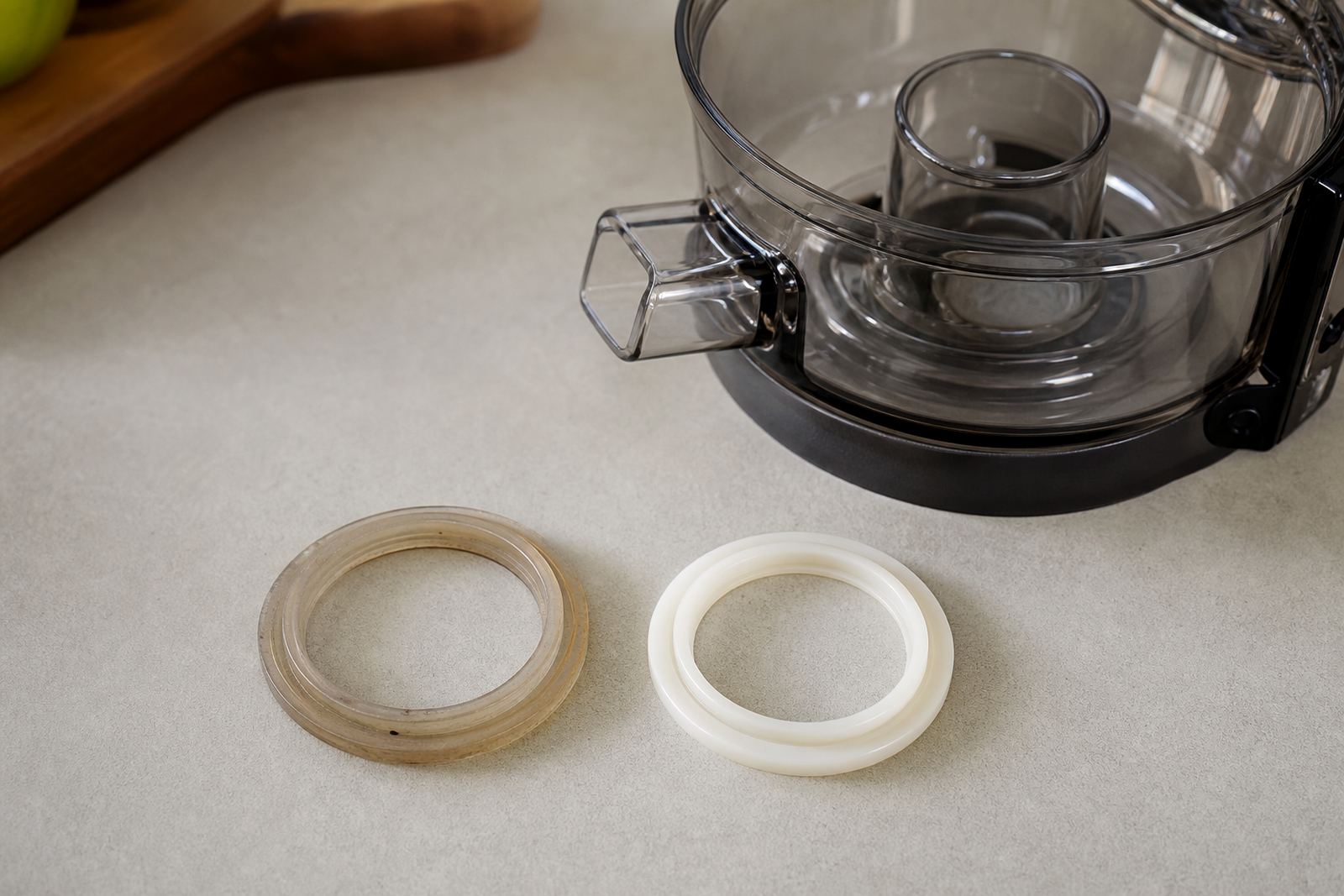
- Avoid bottles with cracked lids, worn rings or loose threads
Cleaning is part of the bottle choice, not an afterthought
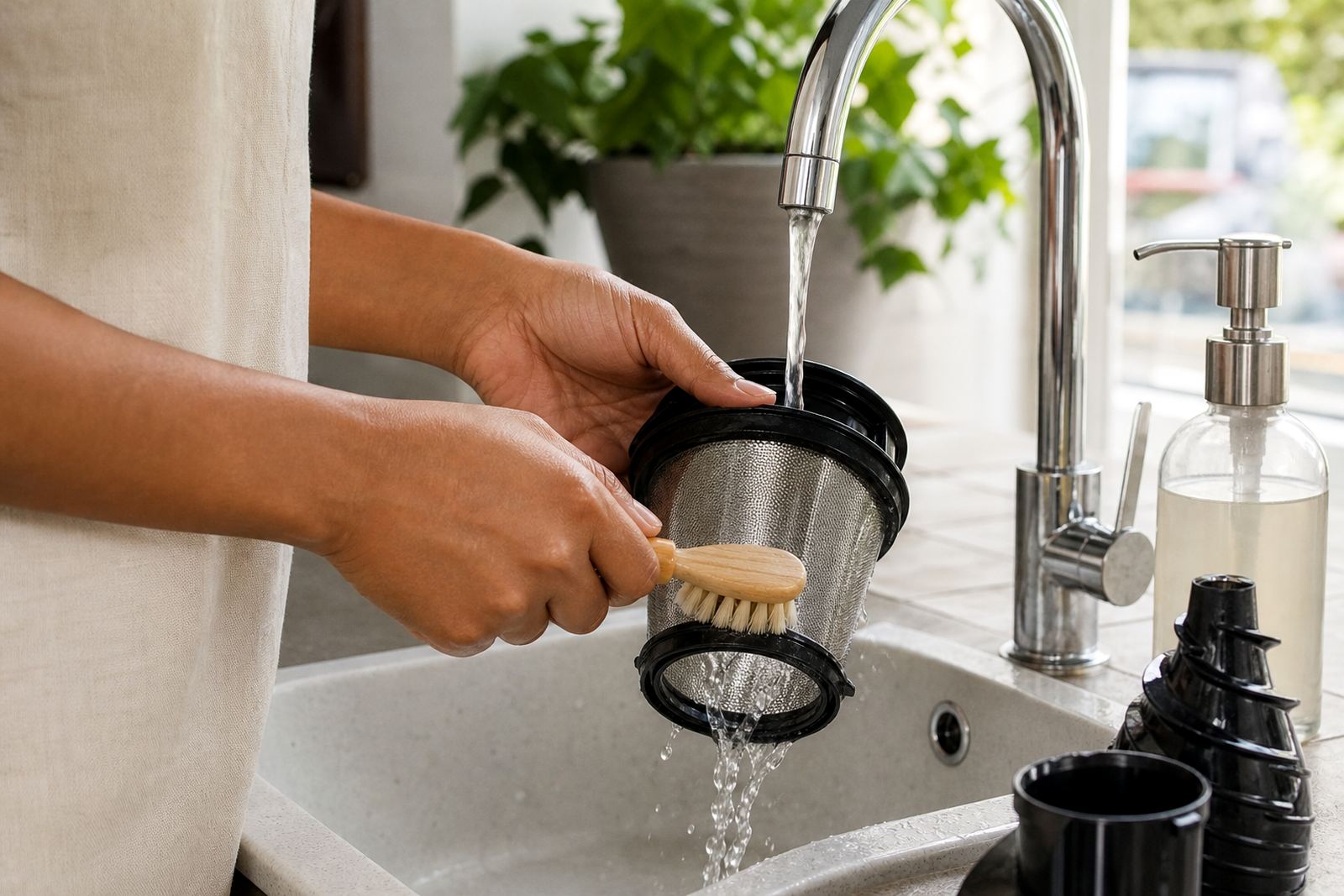
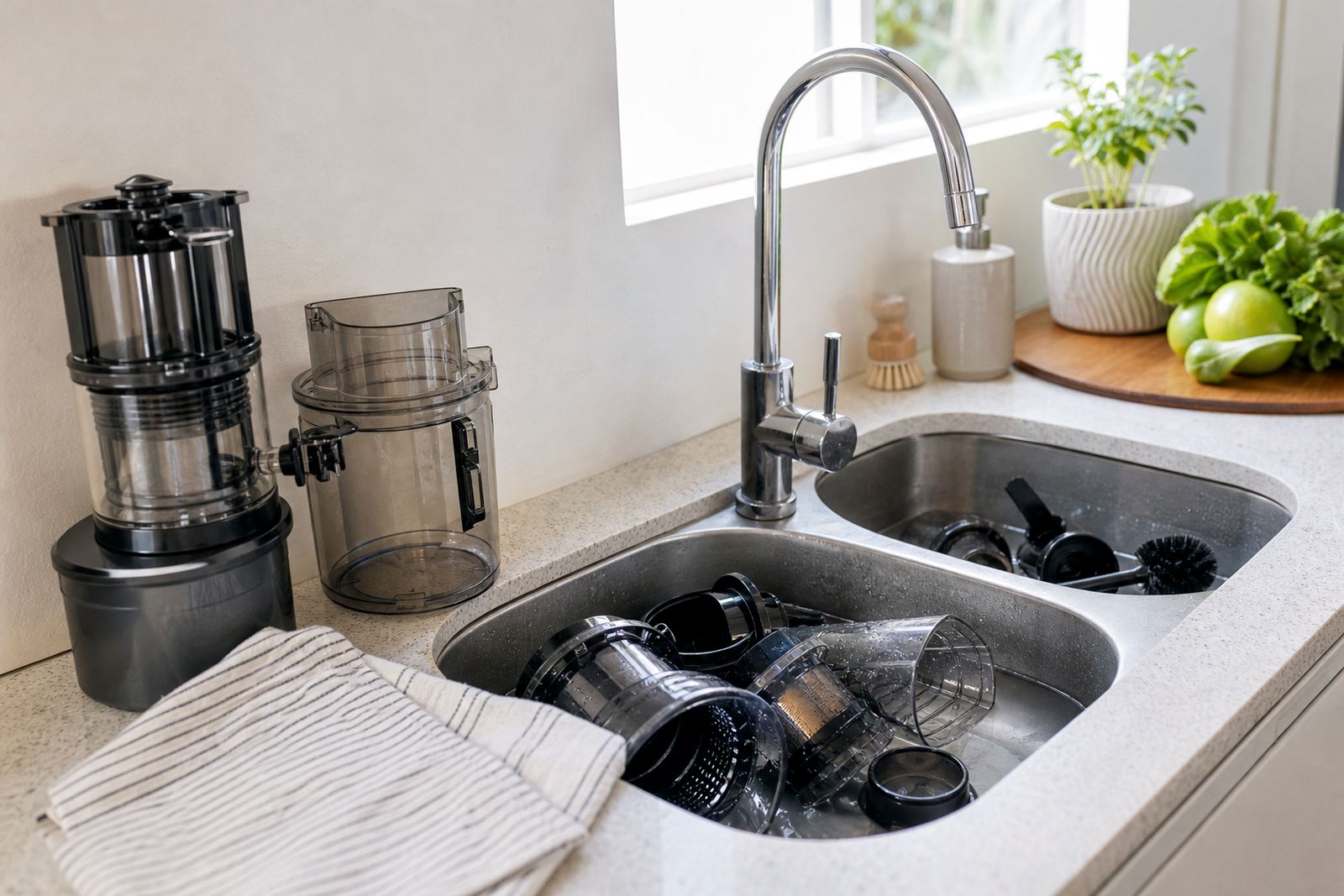
A travel bottle that is hard to clean will not stay pleasant for long. Juice residue can cling to corners, especially after blended fruit, fibrous greens or carrot-heavy mixes. Any bottle used for food and drink should be washed soon after use, then dried fully before it is put away. If moisture is left inside, odours and film build up quickly.
A bottle with fewer parts is usually easier to manage than one with several seals, springs or straws that need extra attention.
- Pick a bottle with removable parts that can be washed properly
- Use warm soapy water and a brush after each use
- Dry cap, gasket and bottle separately if possible
- Replace cracked seals before they start smelling stale
Different juicers leave different bottle jobs
Slow masticating juicers and cold presses usually produce a smoother pour and less foam, which can help if the juice is going straight into a travel bottle. Centrifugal juicers can be quicker for busy mornings, but the juice may separate faster and needs more careful sealing if it is travelling across town. None of this means one machine is right for every household, only that the bottle should suit the way the juice is made.
If you are bottling juice for a school bag, a workplace fridge or a day trip out toward Stellenbosch, it helps to pack the juice in portions that will be finished in one sitting. That reduces opening and closing, which is where spills and contamination often start.
- Less foam usually means easier pouring
- Smaller portions are easier to cool and finish safely
- Freshly cleaned bottles should be dry before filling
- Do not top up old juice with a new batch
Food safety starts with the bottle, lid and your hands
Food safety is mostly about clean surfaces and sensible timing. Wash hands before filling bottles, and make sure the juice goes into a clean container that has not been standing around from the day before. If a bottle has been in a gym bag, car boot or hot kitchen for too long, it is better to wash it again rather than rinse and refill it. That small habit helps keep the bottle safe for repeated use.
When sending juice to children or packing it for a workday, mark the bottle with the owner’s name if several people use the same style of container at home. A neat label also helps in shared fridges, especially in offices where containers can be moved around.
- Wash hands before handling the juice and lid
- Use a clean bottle every time, not one that was only rinsed
- Label shared bottles clearly
- Keep juice cold until it is needed
A Cape Town morning, one bottle, no drama
Picture a household in Paarden Eiland getting ready for a morning in Cape Town. One person is heading to the office, another is packing a school bag and the cooler box has to fit in the boot too. A bottle with a strong seal, a size that fits the day and an easy-to-clean mouth makes the whole routine less awkward. It also saves time when the kitchen is already busy and the power may be off for an hour or two.
For many homes, the best setup is not the fanciest bottle. It is the one that pours well, washes quickly and does not leak on the train, in the car or in a backpack. If you are already using a juicer at home, the bottle should be the quiet part of the routine, not the part that creates extra work.
- Choose a bottle that suits your route, not only your kitchen shelf
- Use a cooler bag when travelling farther than a short commute
- Keep a spare bottle for busy mornings
- Replace worn lids before they fail on the move