The bottle does more than hold liquid
For home juicing, storage bottles need to do a few things well at once. They must close properly, wash cleanly, fit in a fridge door or cooler bag, and handle repeated use without cracking or holding onto old smells. In Paarden Eiland, where many homes and small businesses juggle prep, power cuts and limited fridge space, the bottle choice is often a practical one rather than a decorative one.
When you store freshly made juice, the material can influence how easy it is to pour, whether you can see what is inside, and how careful you must be with temperature changes. Some materials are better for short term fridge storage, while others suit longer use in a work kitchen or packed household. A good bottle makes cleaning quicker too, which matters when you are rinsing parts after a juicer or cold press and trying to keep the whole routine tidy.
Glass: steady, clear and heavy enough to stay put
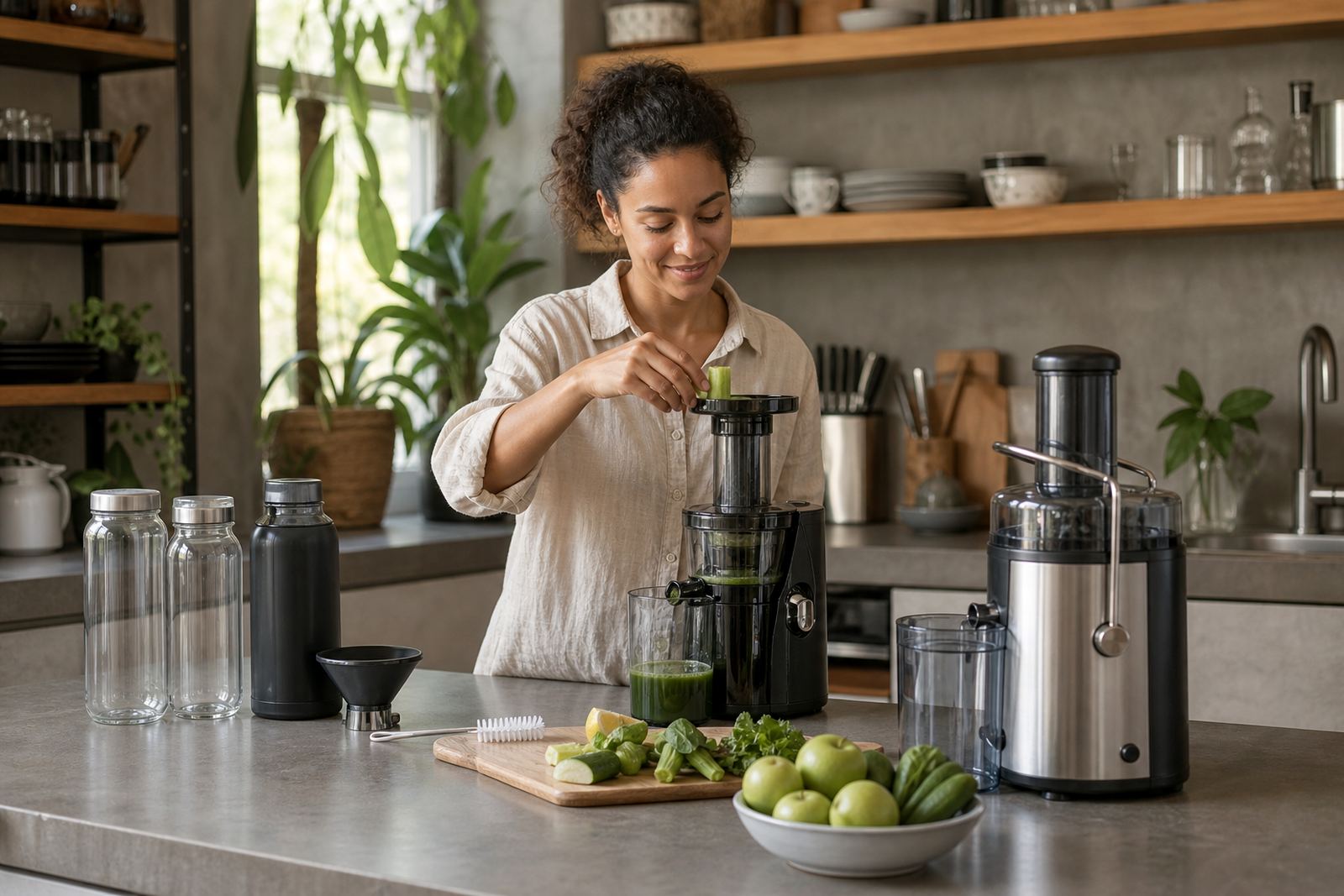
Glass is the traditional choice for many people because it does not absorb colour or smell easily and it lets you see the contents at a glance. It is a good option for cold storage in the fridge and for people who want a bottle that can be used again and again with careful handling. A thick glass bottle usually feels stable on the counter, which helps when you are pouring from a jug or decanting from a press container.
- Best for fridge storage and tabletop use
- Easy to inspect for cleanliness and residue
- Less likely to hold smells from ginger, beetroot or citrus
- Needs care around tiles, sinks and crowded shelves
Glass can crack if it is knocked against a basin or exposed to sudden temperature changes, so avoid pouring very hot liquid into a cold bottle.A small slip on a tiled floor and the bottle is gone.
Food grade plastic: lighter for daily handling
Plastic bottles are popular because they are lighter, less breakable and easier to carry in a school bag, work bag or cooler box. For households in Durban or George, where bottle storage might be used on the road, the lighter weight can be a real advantage. Food grade plastic should be made for repeated contact with drinks, and it should have a tight lid that seals properly after washing.
Plastic is practical, but it needs more attention over time. Some clear plastics can scratch, cloud or pick up a faint smell after repeated use. That does not always mean the bottle is unsafe, but once a bottle starts to look worn it may be harder to clean properly. Check the surface often, especially around the neck and the thread under the cap where residue can hide. A bottle with small scratches can look clean and still hold a thin film after use.
- Useful for travel, lunch bags and lighter daily handling
- Choose smooth inner surfaces with no deep scratches
- Avoid rough sponges that leave scuff marks
- Replace bottles that stay cloudy or keep a smell after washing
Stainless steel and why some people prefer it
Stainless steel bottles are common where the priority is durability. They do not break like glass and they are less likely to crack from a bump in the sink or a drop from the counter. For homes dealing with frequent movement between kitchen, braai area and vehicle, steel is a practical choice. It is also helpful in warmer weather, although it still needs proper chilling if you want the contents cold.
There are a few limits. You cannot see the contents without opening the bottle, so labelling becomes important if several bottles are stored at once. Steel can also hold onto odours if it is not washed well, especially after strongly flavoured juices or infused drinks. If the cap has a seal, check that seal often because that is usually the first place where leaks start. The bottle body may last a long time, but the lid parts are what need more frequent attention.
Caps, seals and the small parts that stop leaks
A bottle is only as good as its cap and seal. A loose lid can lead to spills in the fridge, on a shelf, or inside a delivery cooler. For homes using home juicers and cold presses, the filling process is often done quickly, so a cap that closes neatly matters just as much as the bottle body. If the thread is worn or the seal is flattened, leakage can start even when the bottle looks fine.
It helps to keep a close eye on the mouth of the bottle and the inside of the cap. Juice residue can dry into sticky patches that are hard to see at first. If you notice a cap that twists unevenly, or a seal that has gone stiff, replace it instead of forcing it closed. In many cases the bottle is still usable, but the lid part needs sorting. That is a small fix that prevents a bigger mess later on.
- Check for cracks around the neck and shoulder of the bottle
- Look at the seal for flattening, splits or stretching
- Test the lid with water before using it for stored juice
- Keep spare seals or caps on hand where possible
Cleaning routines that protect both the bottle and the drink
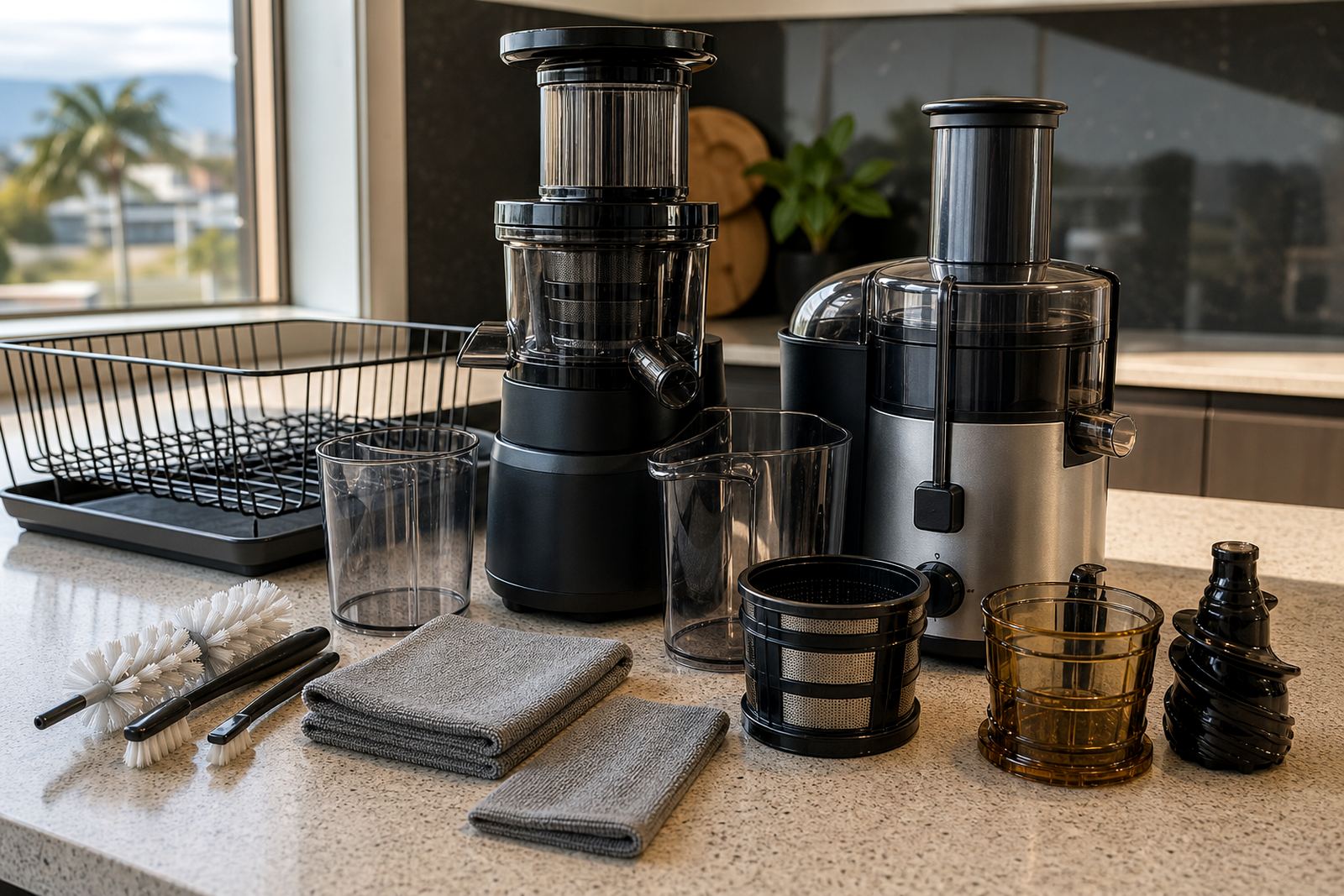
Good cleaning is not only about appearance. It is about preventing residue, smells and hidden build-up in threads, corners and caps. Wash bottles as soon as practical after use, because dried pulp and sugars are harder to remove later. Use warm water, mild washing liquid and a brush that reaches the base and neck. For narrow bottles, a long handled brush is usually better than trying to swish and hope for the best.
Food safety starts with the details. Rinse well so no soap stays behind, then allow parts to dry fully before reassembly. Moist lids stored closed can trap smells and encourage mould. In coastal areas like Cape Town or Somerset West, where humidity can linger, drying takes a bit longer, so leave bottle parts open on a clean rack instead of putting them away while still damp. If a bottle has a stubborn smell, separate the cap and seal, clean each piece on its own, and check for hidden residue under the rim.
- Disassemble lids and seals for a full clean
- Let all parts air dry before storage
- Use soft brushes for plastic, stronger bottle brushes for glass
- Store clean bottles away from dust and food splash
Choosing for your home, not for a label
There is no single best material for everyone. A glass bottle may suit someone who stores juice at home and wants a clear view of the contents. A plastic bottle may suit a family that carries drinks between school runs and office bags. A stainless steel bottle may suit someone who wants a tougher container for repeated use. The right choice depends on how often you wash, where you store, and how much movement the bottle gets in a normal day.
For households in Johannesburg or Pretoria, space in the fridge can shape the decision. In Cape Town, coastal air and routine cleaning can influence how quickly parts dry. In George or Durban, regular transport may push you toward lighter, less fragile options. If a bottle is stored properly, cleaned well and checked for worn seals, it will do its job far better than a fancy one that is ignored. Practical beats clever most days, and that is the honest answer.