
Set the table before the fruit hits the sink
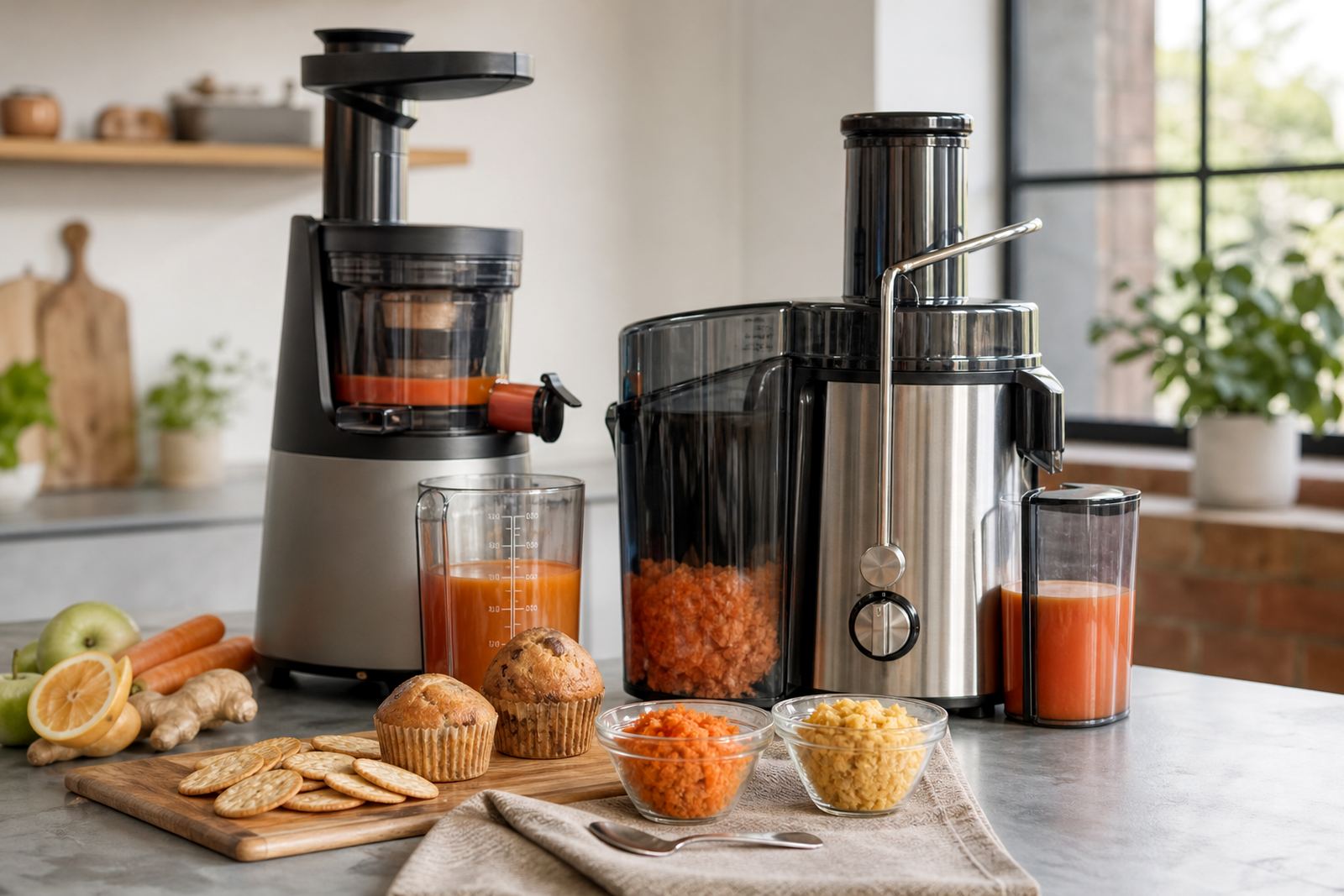
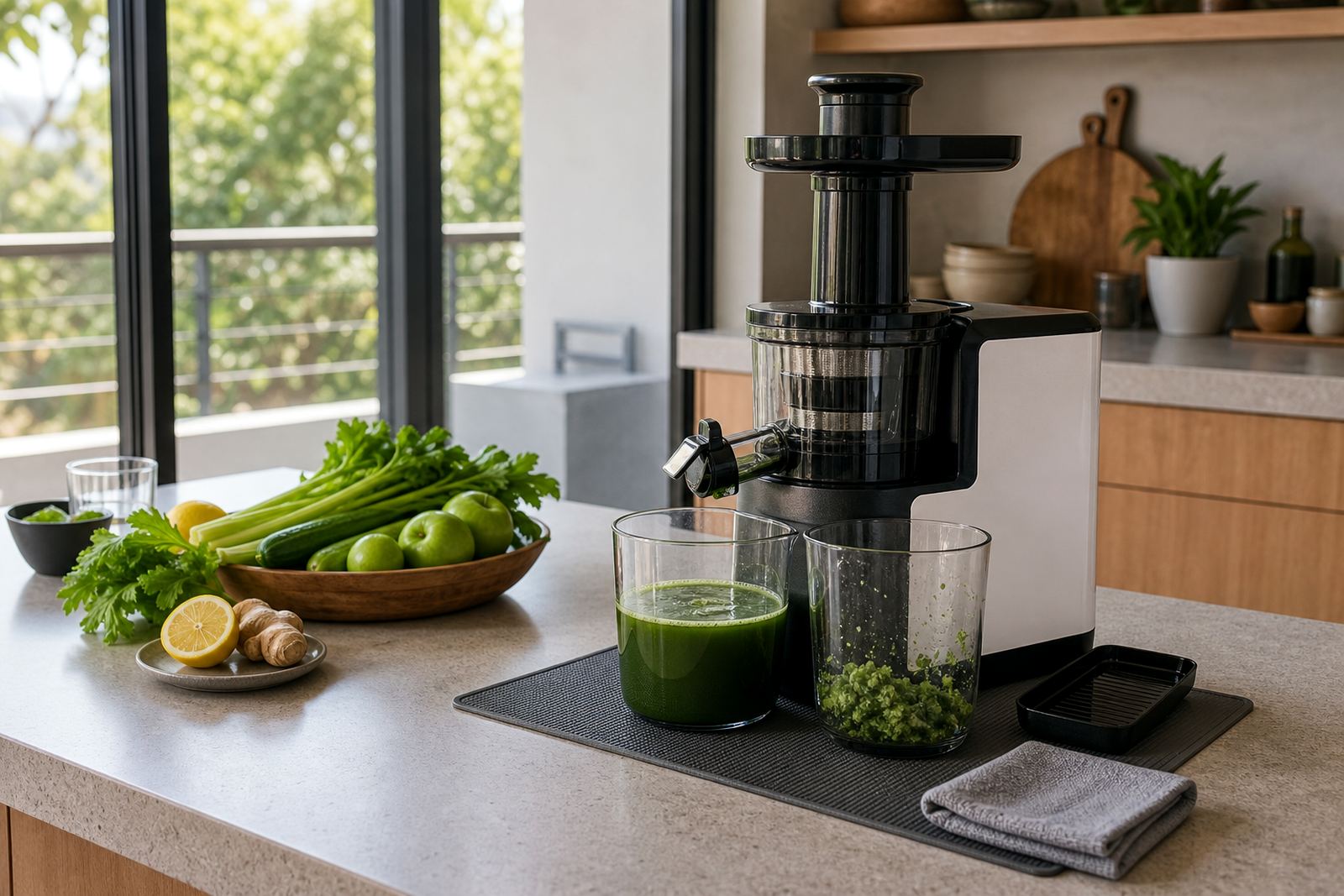
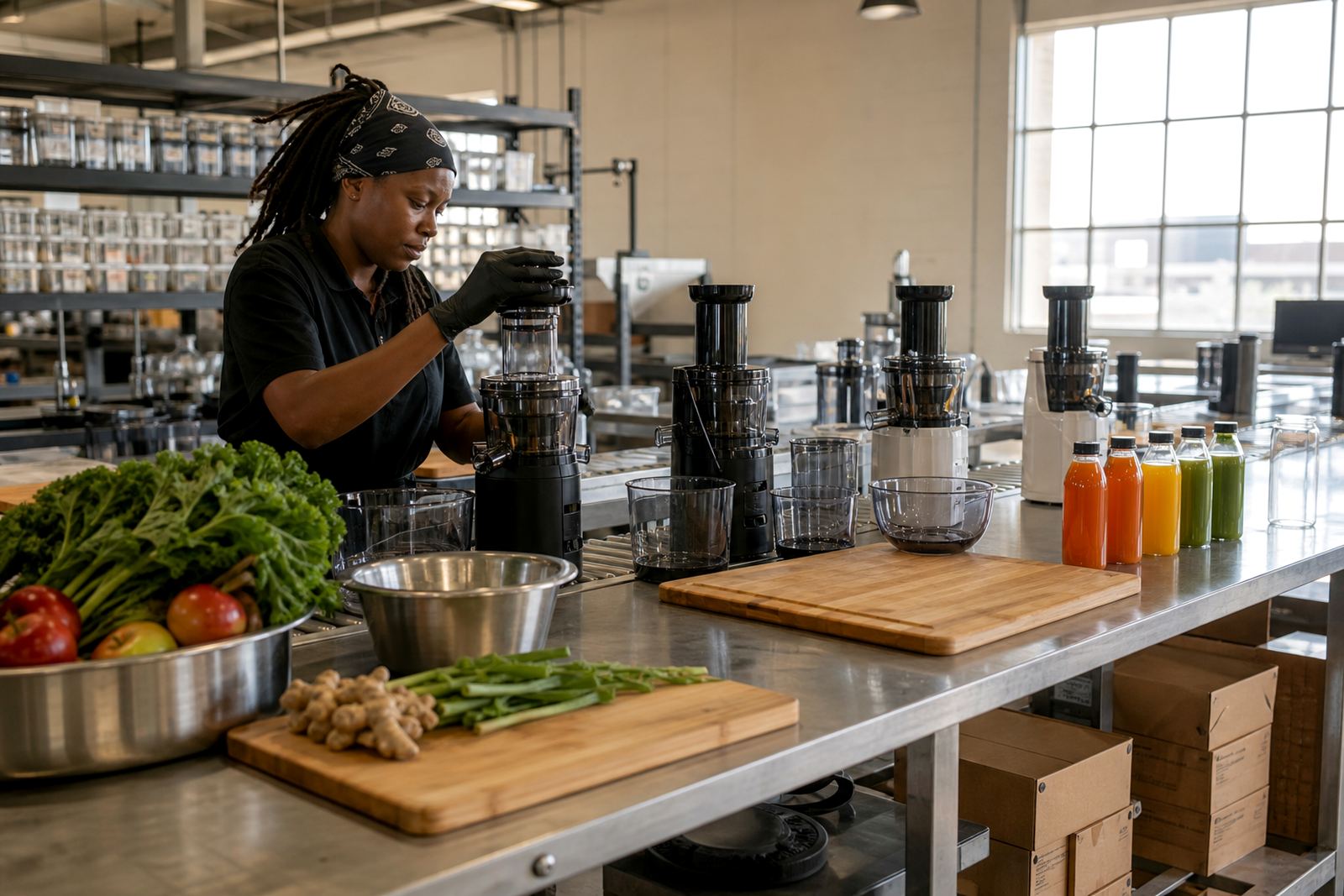
A batch prep run goes more smoothly when every item has a place. Set out your juicer or cold press, a washing basin, a chopping board, a sharp knife, a colander, clean bottles and a tray for peels and pulp.
Keep separate spaces for clean produce and used parts. A small towel under the juicer can catch drips, while a second cloth is useful for wiping hands and the counter. In Cape Town apartments with limited counter space, this kind of layout matters, because one crowded surface can slow the whole process down.
Wash properly, then sort by firmness
Rinse produce under running water and remove any soil, grit or damaged spots before chopping. Leafy items, citrus, apples, carrots and cucumbers all behave differently in the juicing process, so sorting them early makes feeding the machine easier. Soft fruit can bruise quickly, so handle it gently and keep it away from heavy items like beetroot or ginger.
- Wash roots and firm vegetables first, then fruit that bruises more easily.
- Dry produce where possible so the cutting board is not slippery.
- Trim leaves, stems and hard ends before chopping into feed size pieces.
- Check for stones, tough pips and any damaged sections that should be removed.
Good washing is part of food safety, especially when you are preparing bottles for the fridge or for same day use. It also keeps grit out of the feed chute and reduces wear on the blades and screen.
Cut to suit the machine, not just the recipe
Slow masticating juicers work best when produce is cut into pieces that fit the feed chute without forcing. That slower crushing action can help with leafy greens, softer fruit and mixed batches, though it still needs steady feeding and a clean screen. Centrifugal juicers usually handle firmer produce quickly, but they can splash more and may need more careful feeding to avoid overloading the basket.
For cold presses, the cutting stage is even more important. A press can process prepared produce efficiently, but overlarge chunks will slow the cycle and make the batch harder to manage. Cut long vegetables into shorter sections and keep pieces similar in size where possible. This is not about being fussy, it is about keeping the feed rhythm steady and the motor from labouring.
- Chop hard produce into uniform pieces about the width of two fingers.
- Remove seeds and cores where they might jam the feed path.
- Keep softer fruit in separate bowls so they do not bruise under heavier items.
- Place chopped produce close to the machine for faster loading.
Juice in a rhythm that suits the batch
Once the machine is running, work in a steady order. Feed firmer produce first if you want a stronger push through the system, then add leafy items or softer fruit in small amounts between harder pieces. That keeps the flow moving and helps prevent the feed chamber from clogging. With centrifugal juicers, avoid crowding the feed chute. With slow masticating units, give the auger time to draw the produce down without forcing it.
If the juice looks foamy or the pulp seems unusually wet, pause and check the screen, cutter or strain points. A quick rinse mid batch can save time later. In humid coastal areas like George or Durban, leaving pulp and juice sitting around for too long can make cleaning harder and can affect freshness quicker than expected.
Bottle, label and chill without the scramble
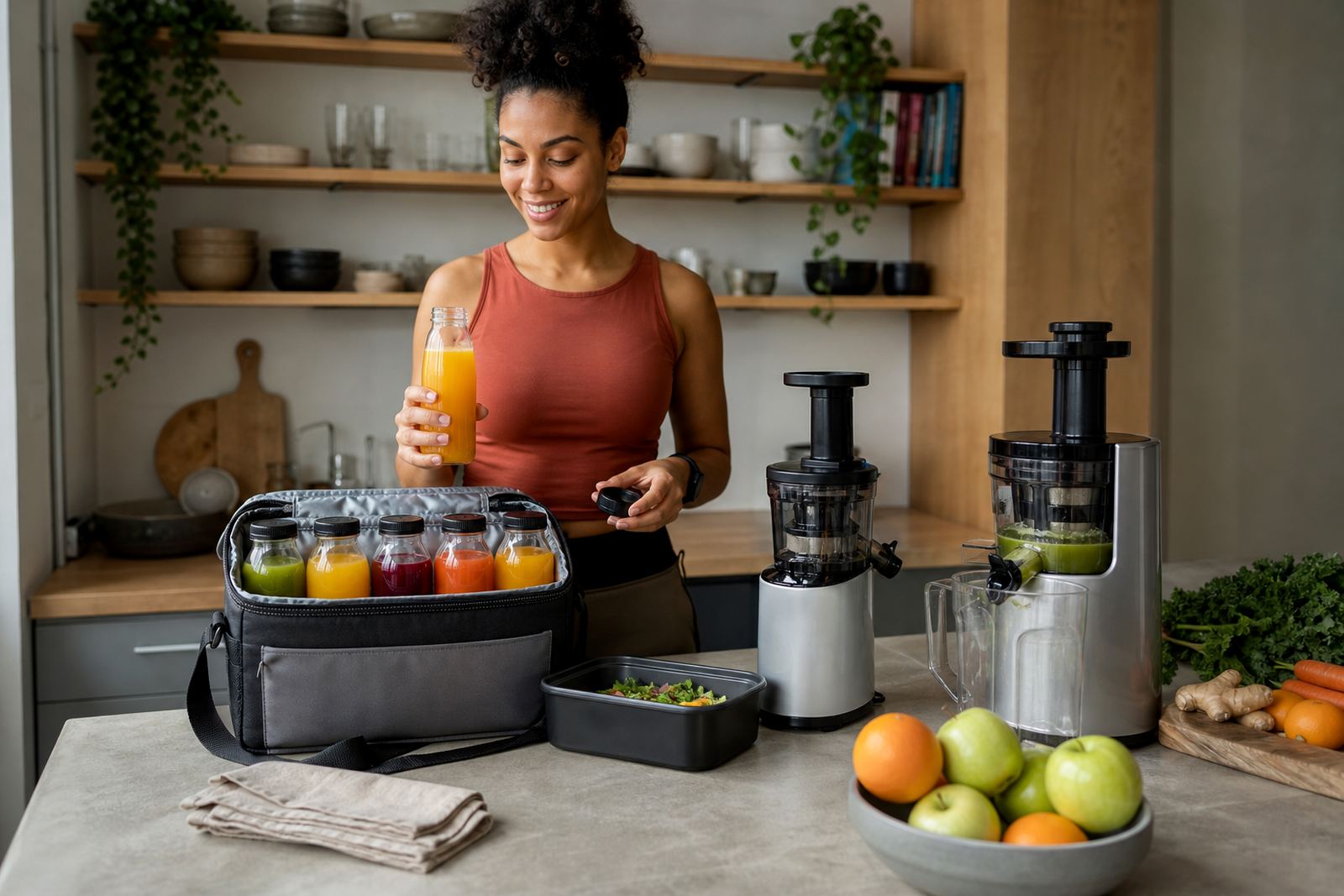
As soon as the juice is ready, pour it into clean bottles with lids that close tightly. Use a jug or funnel so you do not lose half the batch on the counter. If you are making more than one blend in a session, label the bottles by contents and time prepared. That helps when the fridge is full and family members are reaching for different bottles at the same time.
For home use, cold storage is the safest next step. Keep bottles in the fridge as soon as practical and avoid leaving them on a warm counter near a sunny window. In Johannesburg and Pretoria, where kitchen temperatures can rise quickly in summer, this matters even more. A cold press batch and a centrifugal batch may look similar once bottled, so labels help avoid confusion later.
- Use bottles that have been washed and dried fully before filling.
- Leave a little headspace at the top so lids seat properly.
- Wipe bottle necks before capping to reduce stickiness and drip marks.
- Store finished bottles away from raw meat, fish or uncooked foods.
Clean the machine while the pulp is still fresh
Cleaning is easier if you do not leave it for later. Rinse the main parts soon after use, then brush screens, cutters, seals and juice channels while the residue is still soft. A deep clean now and then helps keep odours down and makes the next batch less of a chore. If you hear extra vibration, notice leakage or find that the juice output has changed, check the seal, screen and feed parts before the next run.
Small bits of pulp can hide in corners, so use brushes and tools that reach fine gaps without scratching the surfaces. For families in Paarden Eiland, Somerset West or Stellenbosch who prepare bigger weekend batches, this step often saves the most time because dried residue is much harder to remove. Dry the parts fully before storage so moisture does not sit inside the machine or on the lid, especially in coastal humidity.