What comes out after the juice has passed through
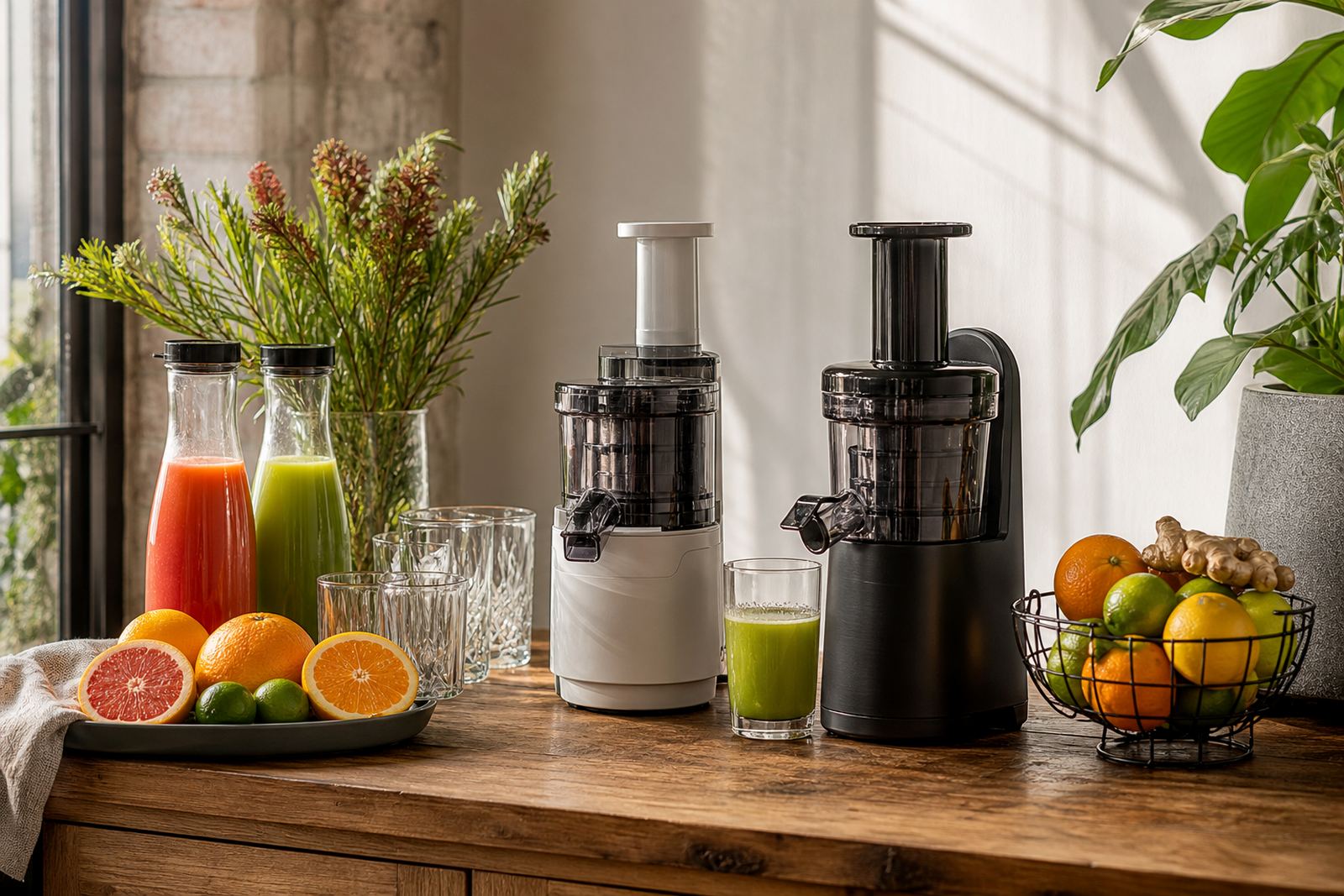
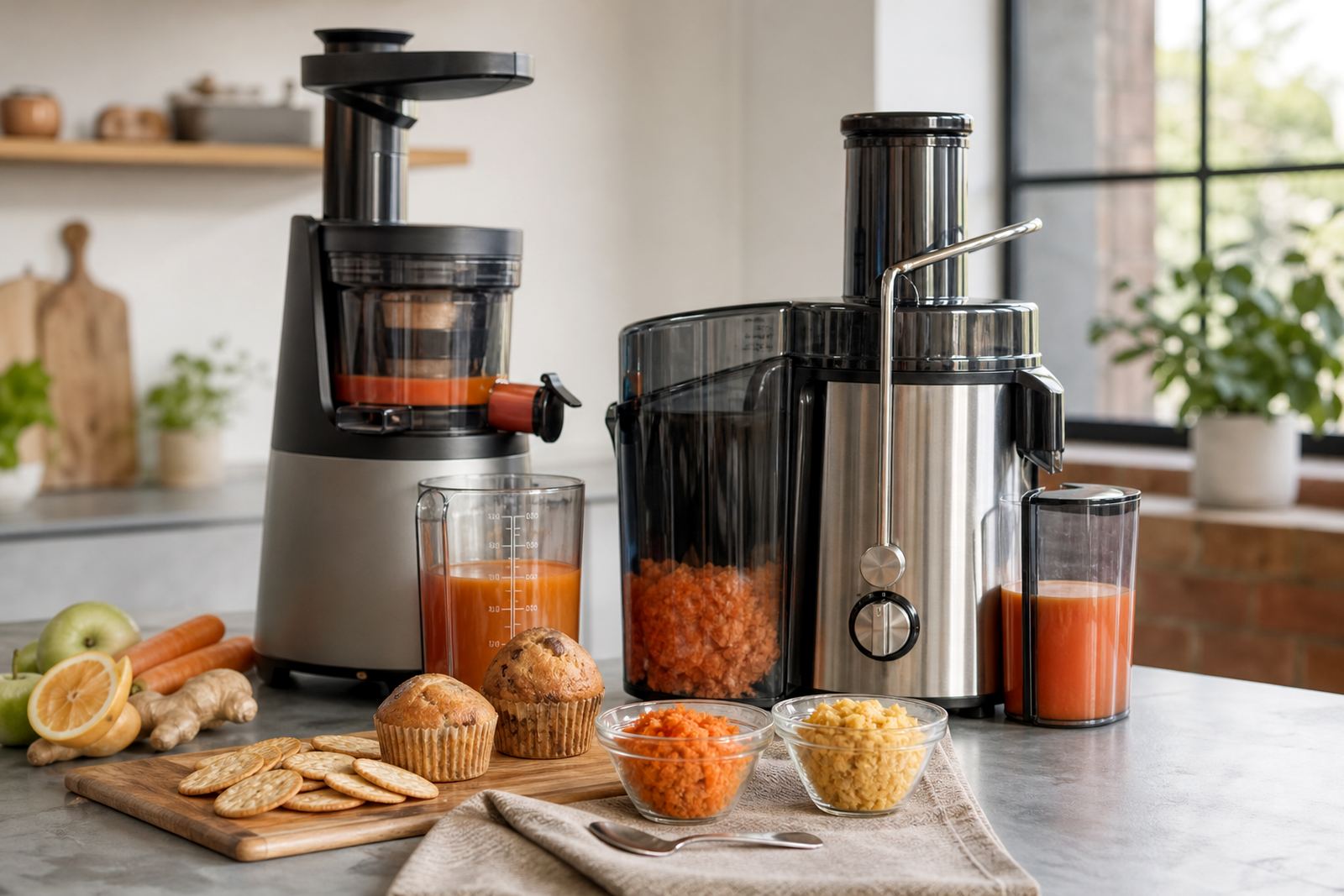
Juicing separates liquid from the fibrous part of fruit and vegetables, and that fibrous part is the pulp. Slow masticating juicers usually leave a finer, moister pulp, while centrifugal juicers often produce drier pulp because they spin faster and throw the juice out quickly. Cold press machines work in a similar low-speed way, so the pulp can be worth keeping for cooking and baking.
The first step is to decide what type of pulp you have. Apple, carrot, cucumber and celery pulp all behave differently. Citrus pulp is much wetter and can be bitter, while beetroot pulp brings colour and earthiness. If you are juicing mixed produce, the blend will affect both flavour and texture, so keep an eye on what is inside the catch tray.
Ways to turn pulp into something useful in the kitchen
Fresh pulp can be folded into a range of everyday foods. It works best when the moisture is matched to the recipe, so very wet pulp may need draining first. Carrot and apple pulp can be mixed into muffins or fritters, while tomato and vegetable pulp can be cooked down into a sauce base. Even a small amount of pulp can add body to a meal, and reduce waste at the same time.
- Stir fruit pulp into oats, crumbled rusks or yoghurt-based bakes
- Add vegetable pulp to soup stock, stews or savoury pancakes
- Mix a spoonful into mince or lentil patties for extra texture
- Spread thin layers of pulp onto baking paper and dry into crisp snacks in a low oven
- Freeze pulp in small portions for later baking or cooking
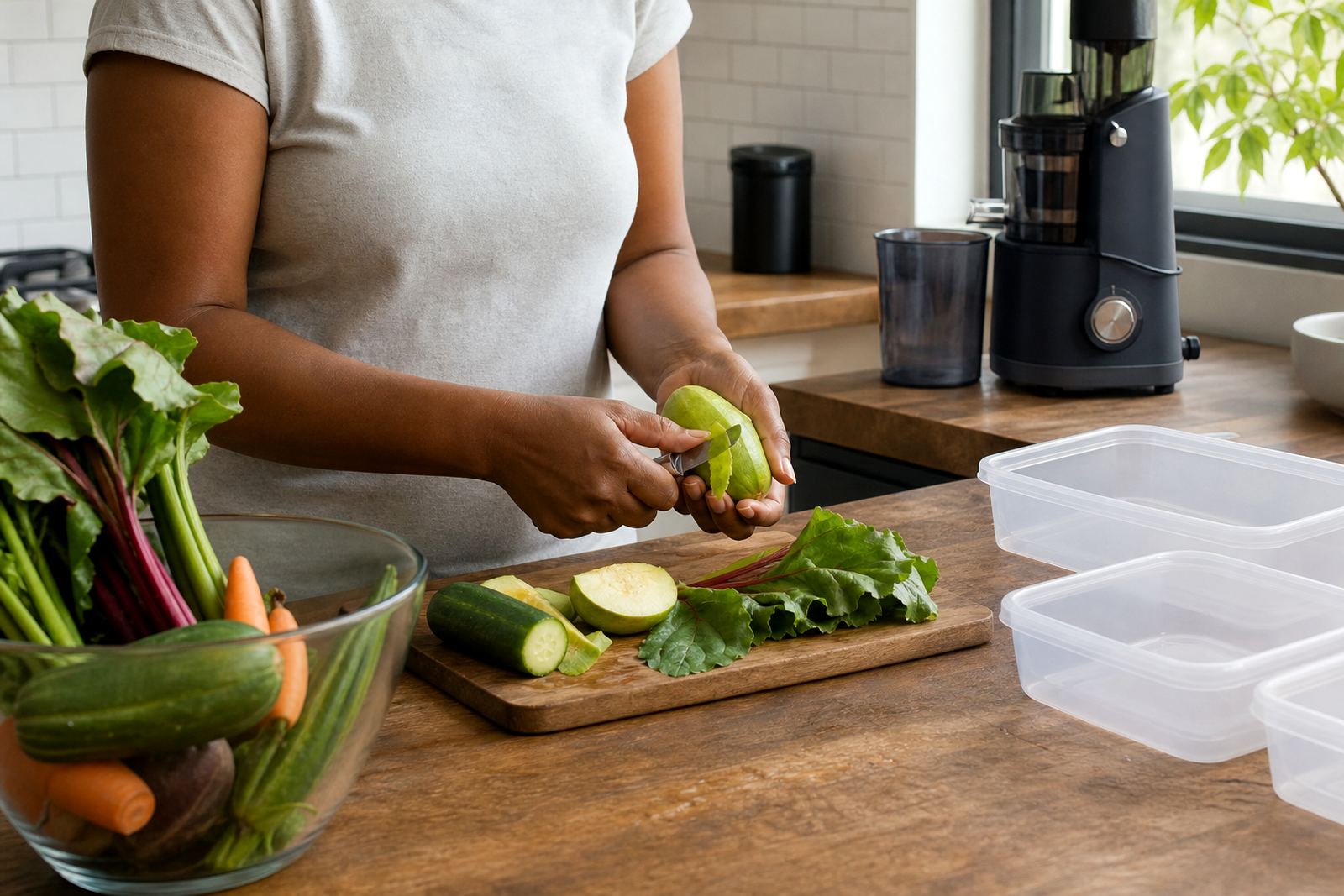
In a Paarden Eiland kitchen, it is common to save juice pulp in 250 ml freezer tubs and label them by date.
Cleaning the juicer before the pulp sits too long
Food safety matters most when pulp is left sitting in a warm kitchen. Fresh pulp can spoil quickly, especially in Cape Town summer heat or in Durban humidity. Empty the pulp container as soon as you finish juicing, then rinse the parts that touch food before residue dries on. If you wait too long, fibres stick to the screen, basket or auger and become harder to remove.
- Rinse removable parts straight away with warm water
- Use a soft brush on screens, strainers and fine filters
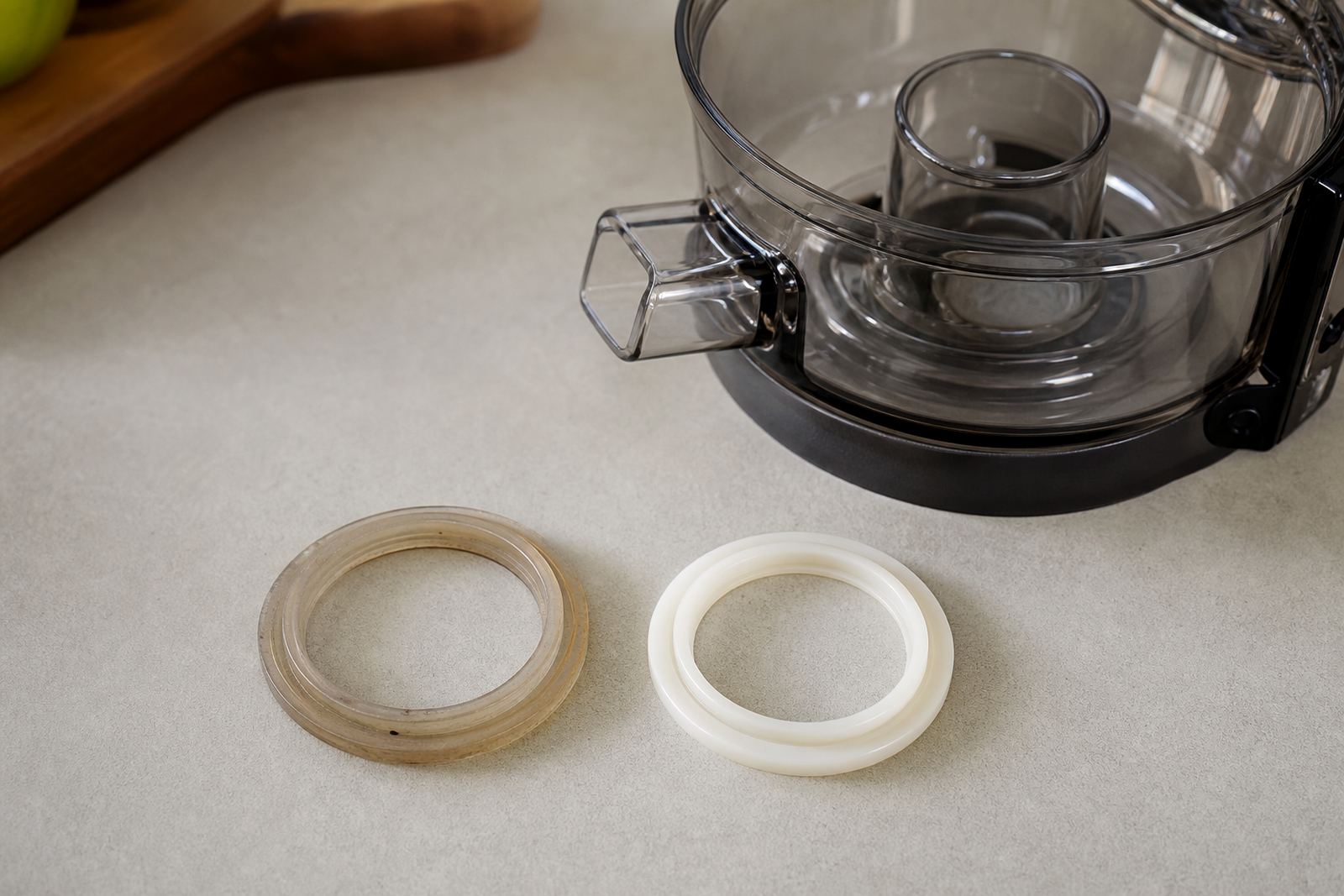
- Check seals and joins where wet pulp can hide
- Dry all parts fully before storing them away
- Do not leave wet pulp in a closed container on the counter overnight
For machines with finer screens, the residue can block flow and affect the next juicing session. A quick wash after use is usually enough, but a deeper clean now and then helps keep flavours from mixing and stops stale smells from building up.
Choosing what pulp is worth keeping and what is better composted
Not every batch of pulp needs to be saved for cooking. If the mix is too bitter, too stringy or already starting to oxidise, it is better used in compost or garden mulch. Citrus-heavy pulp can overpower baked goods, and large amounts of beetroot can stain counters and chopping boards. The trick is to keep the useful batches and let the rest go where it belongs.
Pulp from firm vegetables is usually the easiest to reuse, especially if you are aiming for savoury dishes. Soft fruit pulp can work too, but it needs a bit more care. If the pulp smells sour, has changed colour sharply or has been left unrefrigerated for too long, do not cook with it. Food safety comes before saving ingredients.
A local rhythm for homes from Stellenbosch to George
A family in Stellenbosch making weekend juice for a braai spread may save carrot and apple pulp for muffins, while another home in George might freeze celery and cucumber pulp for a soup base later in the week. The point is not to force one method on every kitchen, but to build a habit that suits the way you cook. In smaller Cape Town flats, flat freezer trays and labelled containers often make the biggest difference.
When you are working with a compact counter and limited storage, a system helps. Keep one container for sweet pulp, one for savoury pulp and one for compost. That small habit can save time, reduce mess and make the whole juicing routine feel less wasteful. It is the sort of practical step that fits busy homes and shared kitchens too.
Keeping the machine ready for the next batch
Good pulp habits go hand in hand with good machine care. If the screen, auger or filter is clogged, the pulp becomes wetter and harder to reuse. If the feed chute is not clear, you may get uneven extraction and more residue left behind. Regular checks help the machine stay easier to clean, and that saves effort over time.
- Look for wear on screens and sealing rings
- Check for unusual noise or vibration during use
- Replace damaged brushes or tools used for cleaning
- Store parts dry and protected from dust
- Use the correct assembly order each time so pulp flow stays steady
For households across South Africa, from Johannesburg apartments to Durban family kitchens, that kind of routine is what keeps juicing practical. It is not about chasing perfection, just making sure the machine is clean, safe and ready when you need it.