A sharper way to handle Monday morning fruit and veg
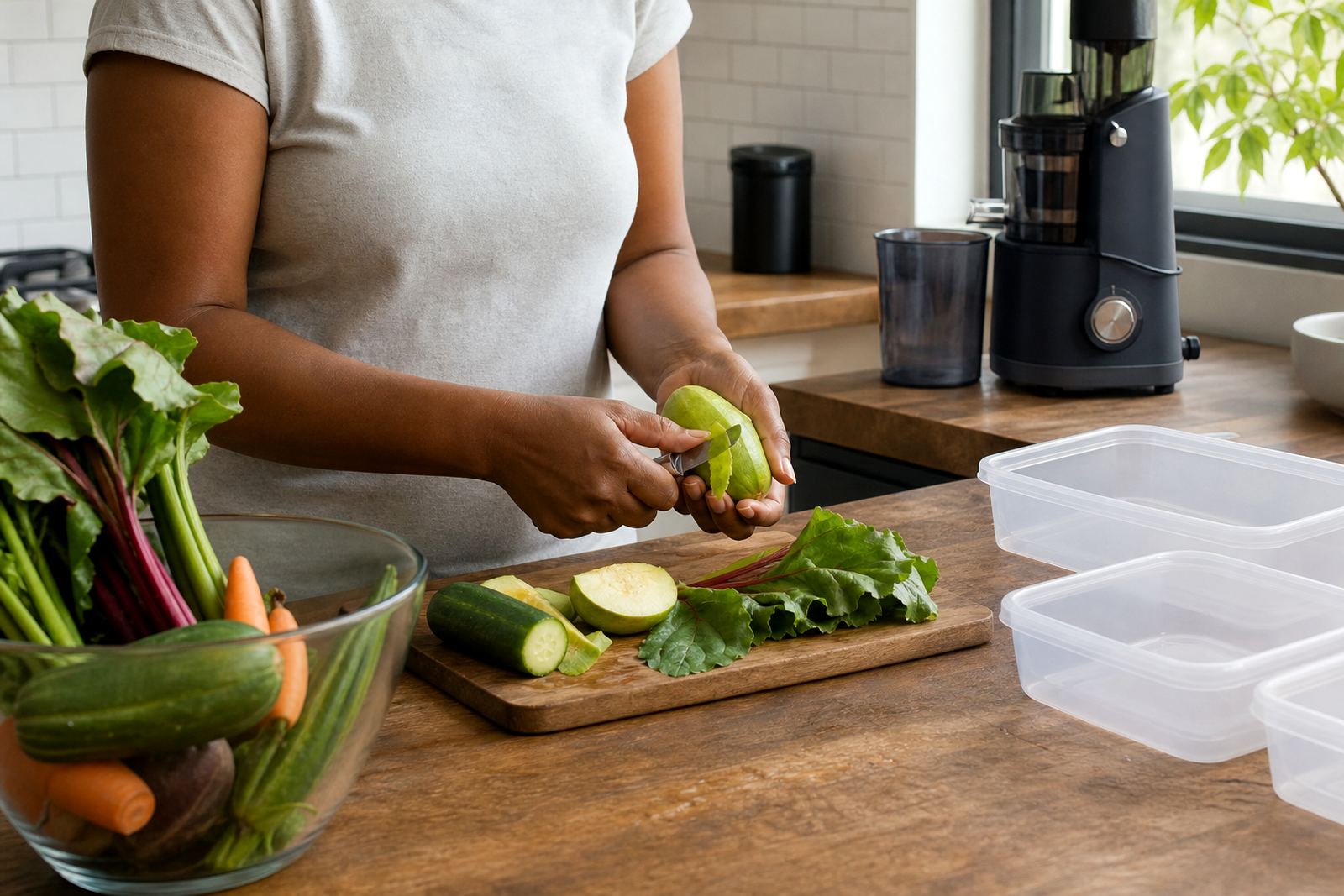
Prepping produce ahead is less about speed alone and more about making your kitchen work in a calmer way. A washed cucumber, peeled ginger, trimmed celery and portioned apple can save time when you are trying to get breakfast sorted before school runs or an early drive out of Paarden Eiland.
For juicing, the useful habit is to prep only what will stay fresh long enough to be worth it. Soft fruit bruises quickly, leafy greens wilt once wet, and cut surfaces pick up odours if they sit uncovered in the fridge. Keep the work tidy and you will waste less, which matters when you are buying produce weekly in Cape Town or collecting a box in George after work.
What can be washed now and cut later
Some ingredients are better washed first and portioned later, while others are best fully prepared and chilled. The trick is to separate firm produce from delicate items so you do not end up with soggy leaves or sticky apple pieces.
- Wash firm fruit like apples, pears and citrus, then dry them well before storing.
- Scrub carrots, beetroot and ginger to remove soil before refrigerating.
- Rinse leafy greens in cold water, then spin or pat dry before chilling.
- Keep berries dry until just before use, as excess moisture shortens their fridge life.
- Peel and portion pineapple only if you plan to use it within a day or two.
If you are preping for a household in Durban, where humidity can be high, drying matters even more. Damp produce sweats in sealed tubs and may spoil quicker, so cloth tea towels or clean paper towel can help manage moisture.
Choosing the right machine for prepped batches
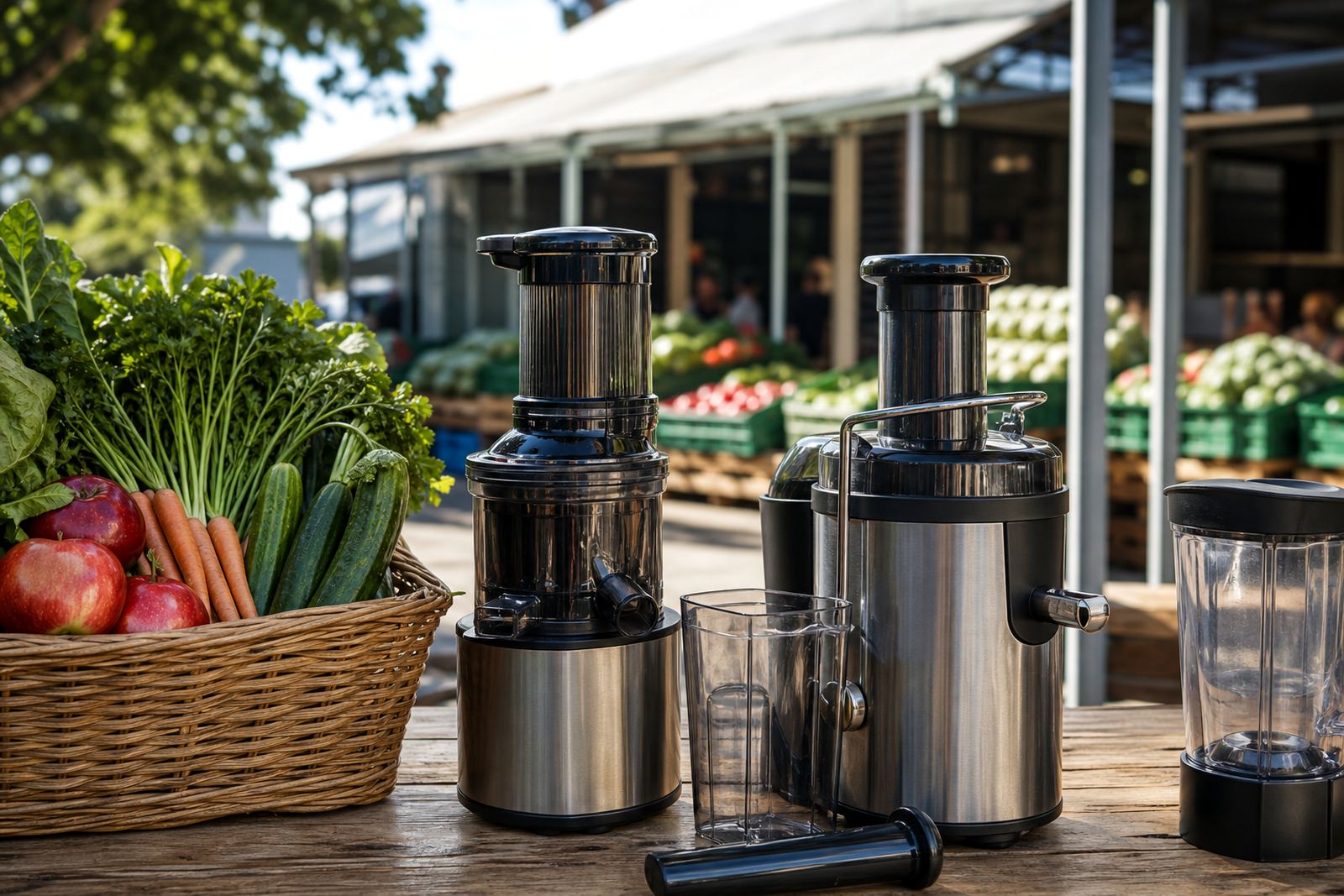
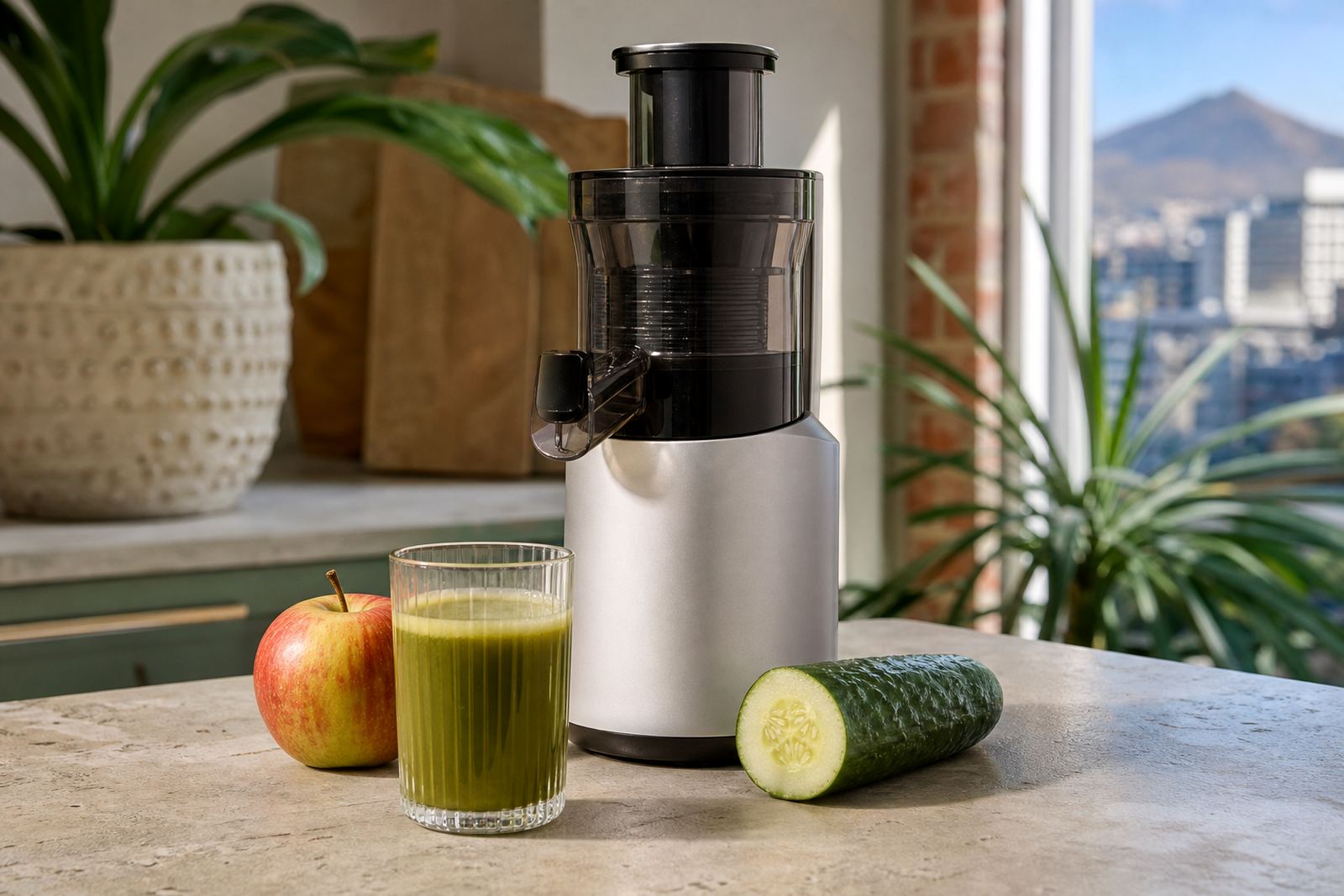
A slow masticating juicer is useful when you want to process leafy greens, herbs and firmer produce with less foaming. It works at a slower speed, which often helps with quieter operation and gives you more control over the feed size. That can be handy in an apartment in Pretoria where early-morning noise is not ideal.
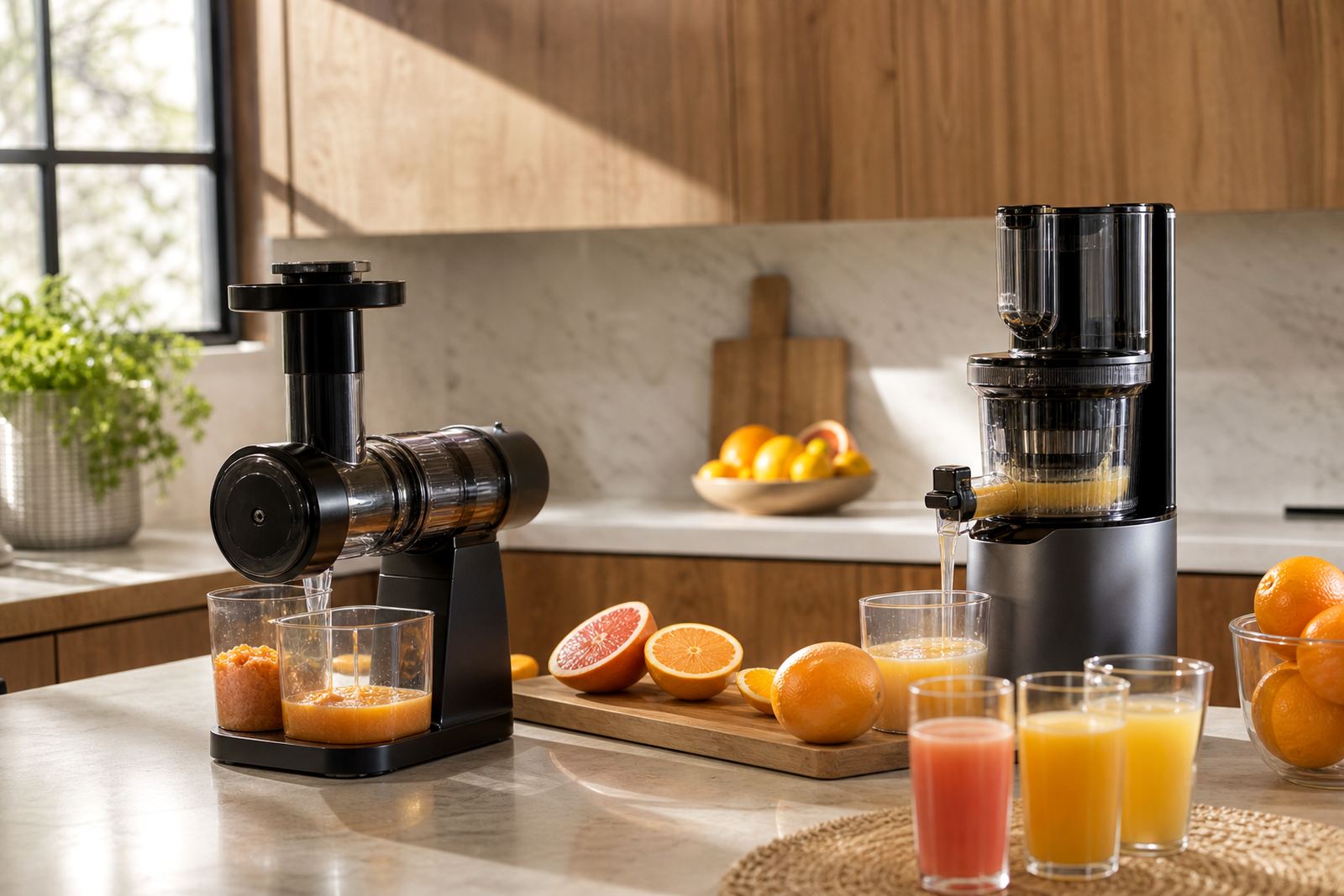
A centrifugal juicer uses a fast spinning action and is usually suited to quicker juicing when you have harder fruit and vegetables ready to go. It is often chosen for speed, though the juice may separate faster and the machine can be louder. A cold press can also be used for slower extraction and is well suited to careful prep, especially when you want to juice smaller batches and rinse the parts soon after.
- Slow juicers suit leafy greens, celery and smaller batch prep.
- Centrifugal juicers suit quick juicing of apples, carrots and citrus.
- Cold presses suit thorough prep and slower, controlled feeding.
- All three work better when produce is cut to a size the chute can handle.
Storage that keeps produce useful, not tired
Once produce is washed and portioned, storage becomes the difference between convenience and waste. Use clean, sealed containers and keep cut items at the right temperature. If your fridge has a colder rear shelf, use it for produce that needs more chill, but avoid freezing delicate greens by placing them against the back wall.
For a household in Somerset West or Stellenbosch, where market shopping often means a larger weekly load, label containers by day of use. That way the herbs for Wednesday do not get used up on Tuesday and the celery does not dry out in the crisper drawer.
A sensible prep routine can include the following:
- Dry produce fully before storing it.
- Use separate containers for wet and dry items.
- Keep apples away from delicate greens if you are storing cut fruit and veg together.
- Use cleaned glass or food grade plastic tubs with tight lids.
- Rotate older portions to the front of the fridge.
Clean hands, clean boards, clean juice path
Food safety starts long before the juicer runs. Wash your hands, wipe the counter and use a clean chopping board before you cut any produce. A separate board for fruit and veg helps keep flavours from mixing with onion, fish or meat prep. That small habit is worth keeping in busy shared kitchens and guest houses too.
Inside the machine, cleanliness matters because pulp and juice residue can build up around screens, seals and feed areas. Rinse removable parts soon after use, then wash with warm water and a mild detergent. A soft brush is useful for mesh screens and narrow corners. Do not leave parts to dry with pulp stuck in them, because that can cause smell, staining and extra scrubbing later.
If your machine has a fine screen or seal that is not sitting correctly, check it before the next batch. A loose fit can lead to drips, noise or uneven performance. Our technical support team often helps with screen care, seal replacement and leak troubleshooting for homes across Cape Town and beyond.
A Cape Town example from a real kitchen rhythm
One household might wash carrots, apples and celery on Sunday evening, then portion them into small containers for two or three mornings. Another may keep ginger and lemon ready for quick use after a long commute from Johannesburg or a late return into Durban.
The point is not to fill the fridge with too much cut produce. It is to keep a sensible amount ready for the next couple of days so the juicer can do its work without a lot of chopping on the spot. That works especially well when you are using a slow masticating juicer or cold press and want a steady feed, not a rushed one.
The small habits that make prep worth the effort
Prep ahead only works if it fits your household rhythm. Keep the list short, use what you actually reach for and clean up as you go. When the fruit and veg are dry, the containers are marked and the machine is rinsed after use, the whole routine becomes easier to repeat without waste.
If you are unsure about setup, cleaning or a noisy machine, the team in Paarden Eiland can help with first time setup, brushes and tools, cable plug checks, routine care plans and video support calls. The aim is to keep the process practical so your produce prep supports the way you already cook and store food at home.