A one glass rhythm that fits a busy kitchen
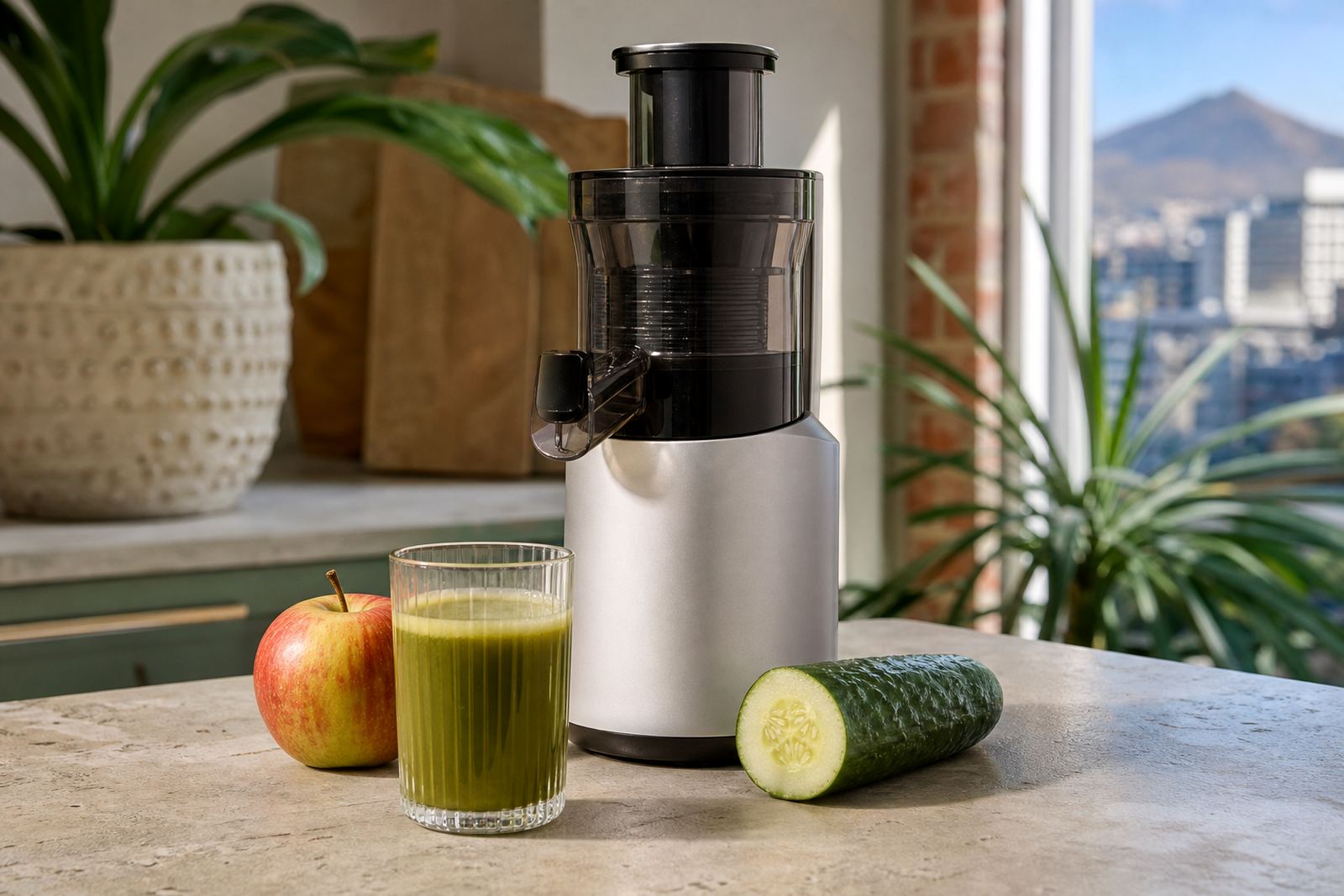
Single serve juicing works best when the steps stay in the same order every time. Rinse the fruit or vegetables, check the feed chute is clear, then prep only what you need for one glass. With a slow masticating juicer, smaller pieces help the auger draw ingredients through at a steady pace. With a centrifugal juicer, even cuts help the basket spin without strain.
A cold press is also well suited to this pattern, especially where the kitchen is used for other jobs and you do not want a long set-up. The point is to keep the session short, tidy, and easy to repeat. In a flat in Sea Point or a townhouse in Somerset West, that matters when the sink, counter space, and power points are all in use at once.
Prep only what the chute can handle
Single serve prep is not about making a large board of chopped produce. It is about feeding the machine in a way that reduces stopping and pushing. Hard items may need trimming, while softer ingredients can be grouped so they feed evenly. If the juicer has a narrow chute, cut produce into slimmer sticks or wedges rather than forcing large chunks through.
- Wash produce under clean running water before cutting.
- Remove stones, large pips, thick peels, and any damaged outer parts.
- Keep slippery pieces on a stable board so fingers stay clear of the blade area.
- Use dry hands when handling plugs and switches.
- Place a jug or glass close to the outlet to avoid spills.
That small amount of planning also helps with food safety. Clean produce, clean hands, and a clear prep area lower the risk of transferring dirt from the sink area into the juice path.
How slow masticating and centrifugal models differ in daily use
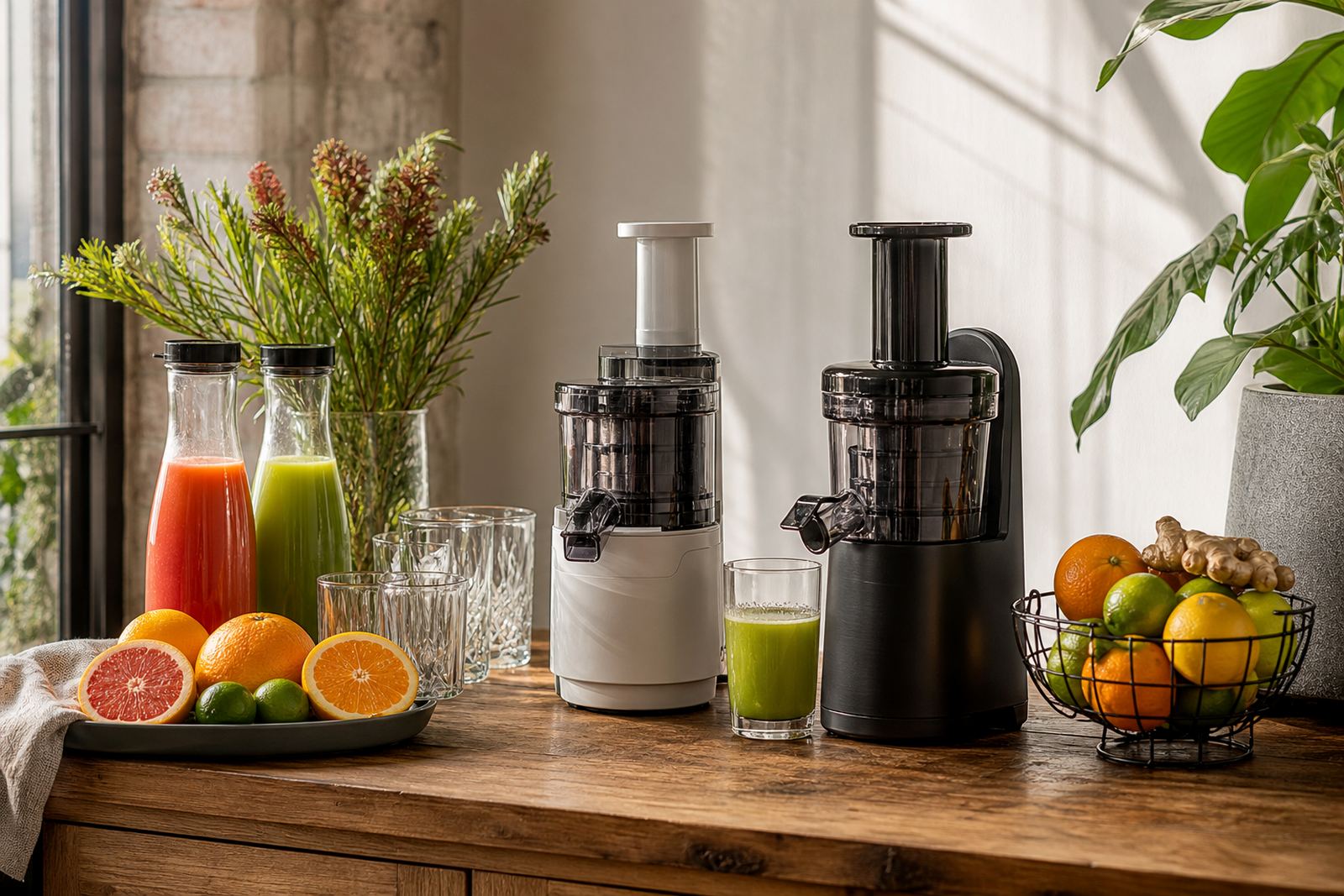
A slow masticating juicer usually works at a gentler pace, pressing and squeezing ingredients rather than whipping them through a fast spinning basket. That makes it a good fit for a calm single serve routine, because you can feed produce steadily and watch the output without rushing. A centrifugal juicer is quicker, which suits mornings where speed matters more than yield.
The daily routine changes slightly between the two types. Slow machines often benefit from a few seconds between feeds, so the auger can keep pulling material through. Fast spinning models do better with steady feeding and a firm pusher, but not hard forcing. If the machine sounds strained, stop and check for a blockage rather than pushing harder.
- Slow masticating: better for measured feeding and quieter operation.
- Centrifugal: quicker for one glass when time is short.
- Cold press: useful when you want a careful, low-speed process and less splash around the work area.
Cleaning while the juice is still fresh
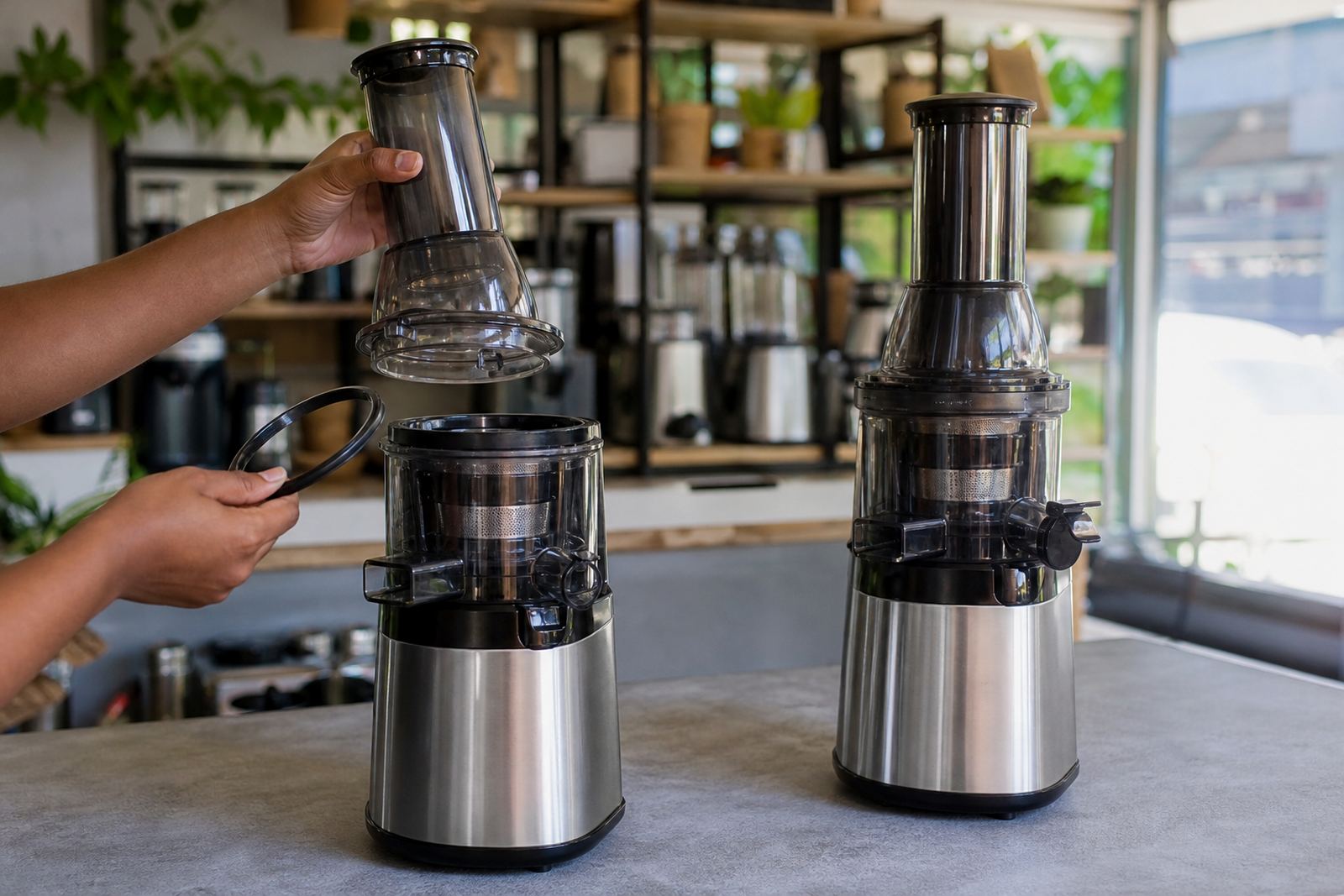
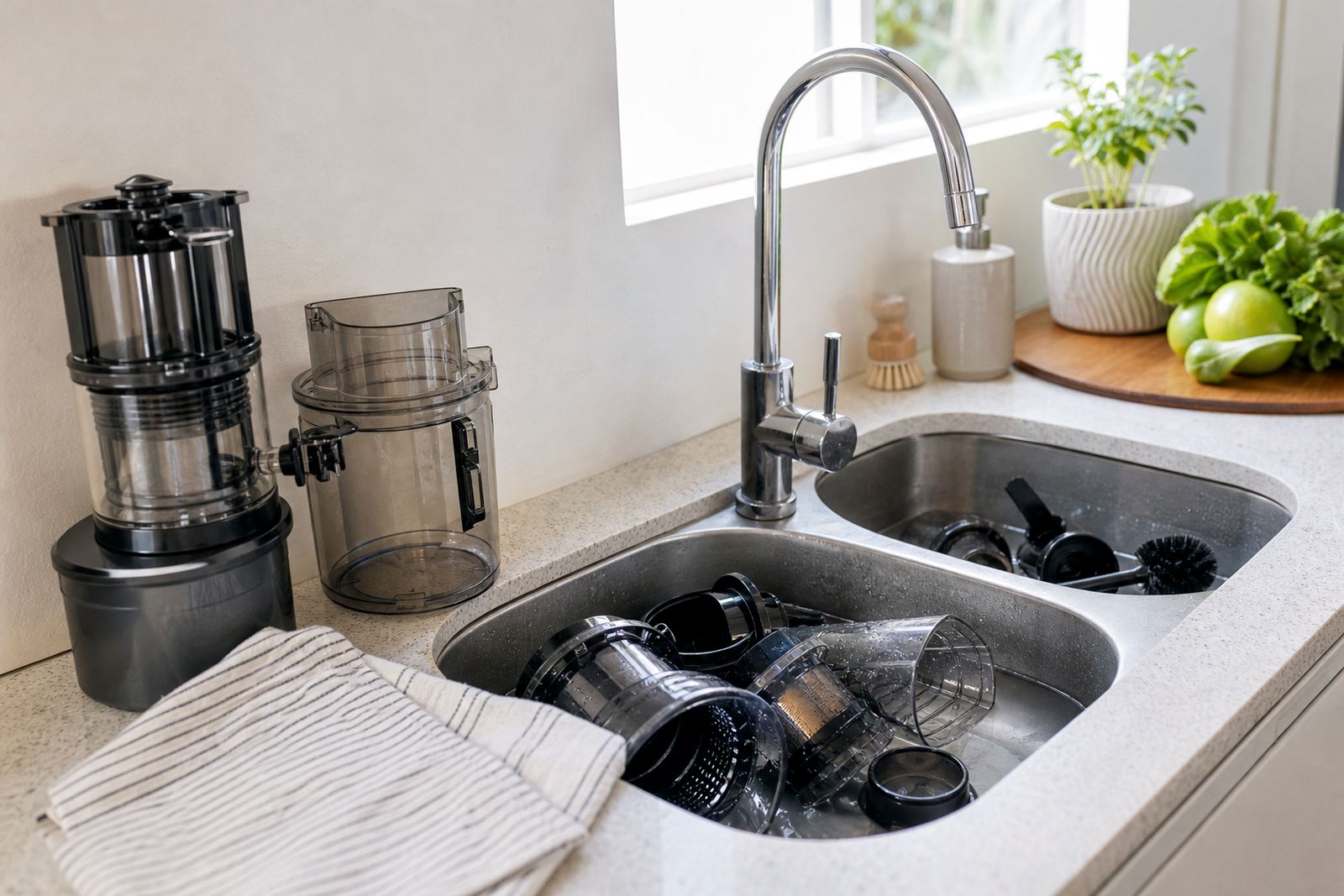
For one glass at a time, the easiest clean-up starts immediately after pouring. Rinse the removable parts while pulp is still soft, then wash the screen, auger, lid, and jug with warm water and a mild kitchen detergent. A soft brush helps lift fibres from the screen holes, which is where most build-up tends to hide. If you leave it until later, dried pulp takes longer to clear and can affect the next session.
Many households in Durban and Cape Town deal with humidity and salty air, so parts left damp in a closed cupboard can smell stale or develop residue. Dry every part fully before storage, and do not stack pieces together while wet. If a component has seals, grooves, or narrow corners, check those areas carefully because moisture often stays there after a quick rinse.
- Rinse immediately after use.
- Brush the screen from both sides.
- Dry all parts before putting them away.
- Wipe the base with a damp cloth only, never soak the motor housing.
Keeping food safe from sink to glass
Food safety in a home juicing routine is mostly about clean habits and sensible timing. Use clean produce, clean surfaces, and clean utensils. If a batch includes ingredients that were stored in the fridge, keep them chilled until you are ready to feed them through the machine. Do not leave cut produce sitting on the counter for long, especially in warm weather.
Use the juice soon after making it and refrigerate any leftovers promptly in a covered container. If the machine has seals, screens, or feed parts that show wear, replace them before they start trapping residue. Worn parts can make cleaning harder and may leave small gaps where pulp collects. In a home kitchen, that is where hygiene problems often start.
A Cape Town weekday example with in mind
Picture a Paarden Eiland apartment kitchen on a weekday morning. The kettle has already been used, the power may be on a limited schedule, and there is only one gap before the day starts. A single serve routine keeps things manageable: wash the produce, cut enough for one glass, run the juicer, pour, rinse the parts, and dry them on a rack. It takes far less space than setting up for a full batch.
If the power cuts off mid session, switch the machine off at the wall before checking the contents. Let the motor settle before opening it, and clear any blockage only once the unit is safe to handle. A careful habit here saves time later and reduces strain on the machine. For a household that wants one glass without a long aftercare process, that predictability is worth a lot.
Small checks that keep the routine steady
Single serve use can be repetitive, which is exactly why the small checks matter. Listen for changes in noise, watch for vibration, and notice if the juice flow slows down unexpectedly. Those signs can point to a blocked screen, a loose seal, or a part that needs cleaning before the next use. A quick inspection takes less time than dealing with a jam later.
- Check the plug and cable before each use.
- Confirm the lid locks properly.
- Look for cracks in the container or feed parts.
- Store brushes and tools together so they are ready when needed.
- Keep spare parts dry and out of direct sun.
That is the practical value of a single serve routine. It makes the machine easier to live with, whether it is used in Cape Town, Pretoria, George, or a kitchen in Stellenbosch where mornings are often tightly timed.