Build your basket around how the week actually runs
When people buy produce for juicing, they often shop as if every day will be the same. In practice, one week may include school runs, a power cut in Paarden Eiland, a braai in George, or a cooler day in Johannesburg that changes what gets used first. A better habit is to buy in layers. Start with a base of sturdy fruit and veg for the first few days, then add smaller amounts of softer produce for later in the week.
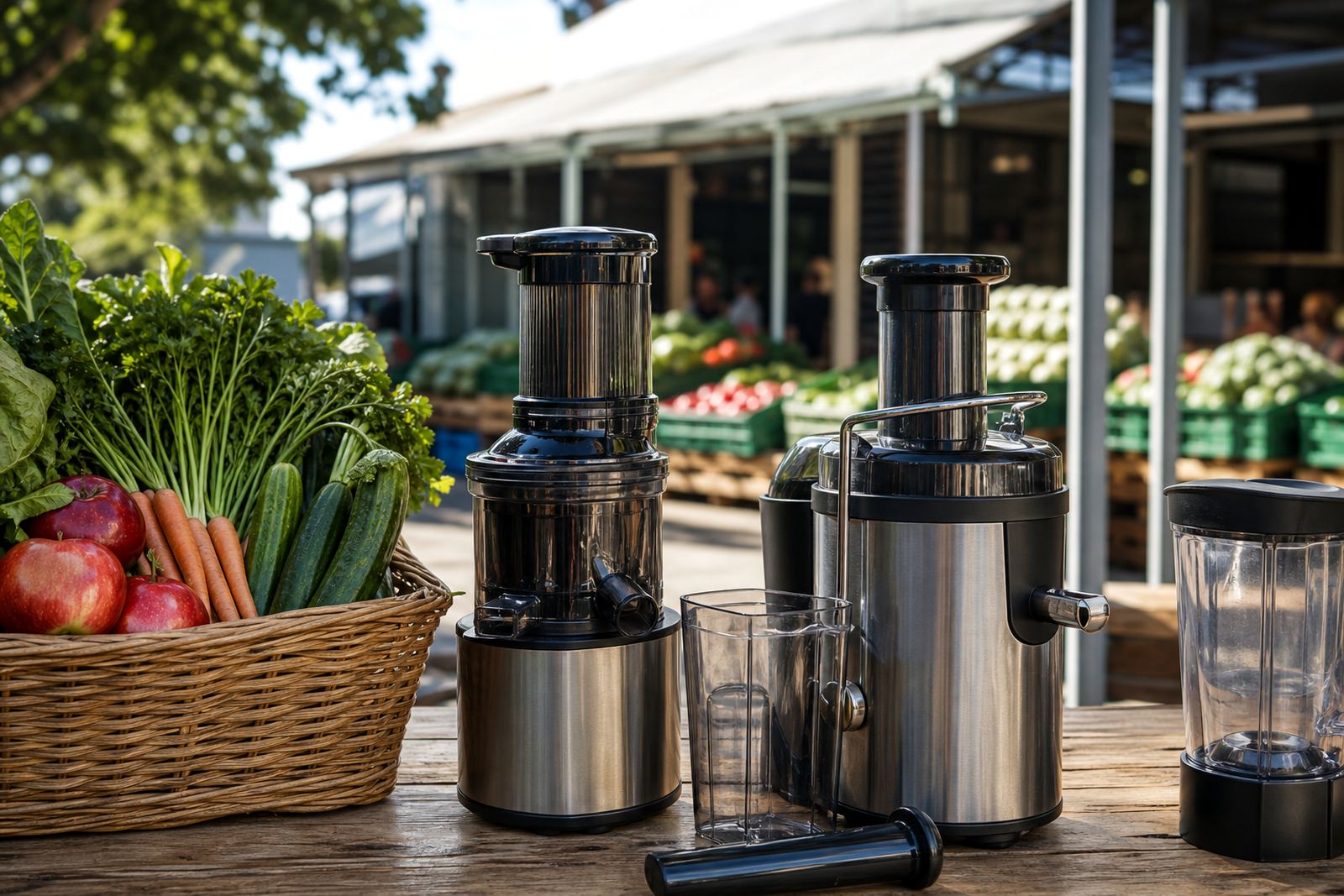
Cold presses and slow masticating juicers are useful when you want to prepare ahead, because they usually handle leafy greens, citrus, carrots, apples and ginger with less splatter and less foam. Centrifugal juicers are quicker for same-day use and suit a rushed morning, though the produce may separate faster after juicing. The buying part matters either way, because what you bring home must match how much time you have to wash, cut and store it.
Choose produce that will not punish your fridge
In Cape Town, Durban and other coastal areas, humidity can shorten the window for fresh produce if it is left in warm bags too long. In Pretoria or inland areas, heat in the car can do the same. Buy with storage in mind. Firm fruit, dense vegetables and hardy greens are easier to manage than delicate berries or very soft stone fruit if you need them to last several days.
Good produce shopping also means checking for bruising, split skins and soggy leaves before you pay. One soft apple in a bag can speed up spoilage for the rest. If you are planning a week of juice, it helps to separate items at home into small containers or paper bags, then keep the most fragile items in the coldest part of the fridge.
- Choose firm apples, pears, beetroot, carrots and cucumbers for early-week use.
- Leave very soft fruit for the day you buy it or the day after.
- Keep leafy greens dry and loose, not sealed in a wet bag.
- Buy citrus in quantities you can peel and use within a few days.
Read the produce table like a practical buyer
Fresh produce counters can be busy, and it is easy to grab the nearest bunch without checking what matters. For juicing, shape and condition count more than appearance alone. A slightly odd-shaped carrot can be fine if it is firm. A shiny cucumber may still be watery and cleanly textured. Citrus should feel heavy for its size. Leafy greens should have spring and colour, not limp edges.
That keeps waste down and stops the fridge from becoming a crowded storage box of forgotten produce.
- Pick produce with firm texture, not just bright colour.
- Smell herbs and citrus before buying if the seller allows it.
- Avoid bags with excess moisture inside.
- Check dates on pre-cut produce and use it first.
Match your shopping to the machine in the kitchen
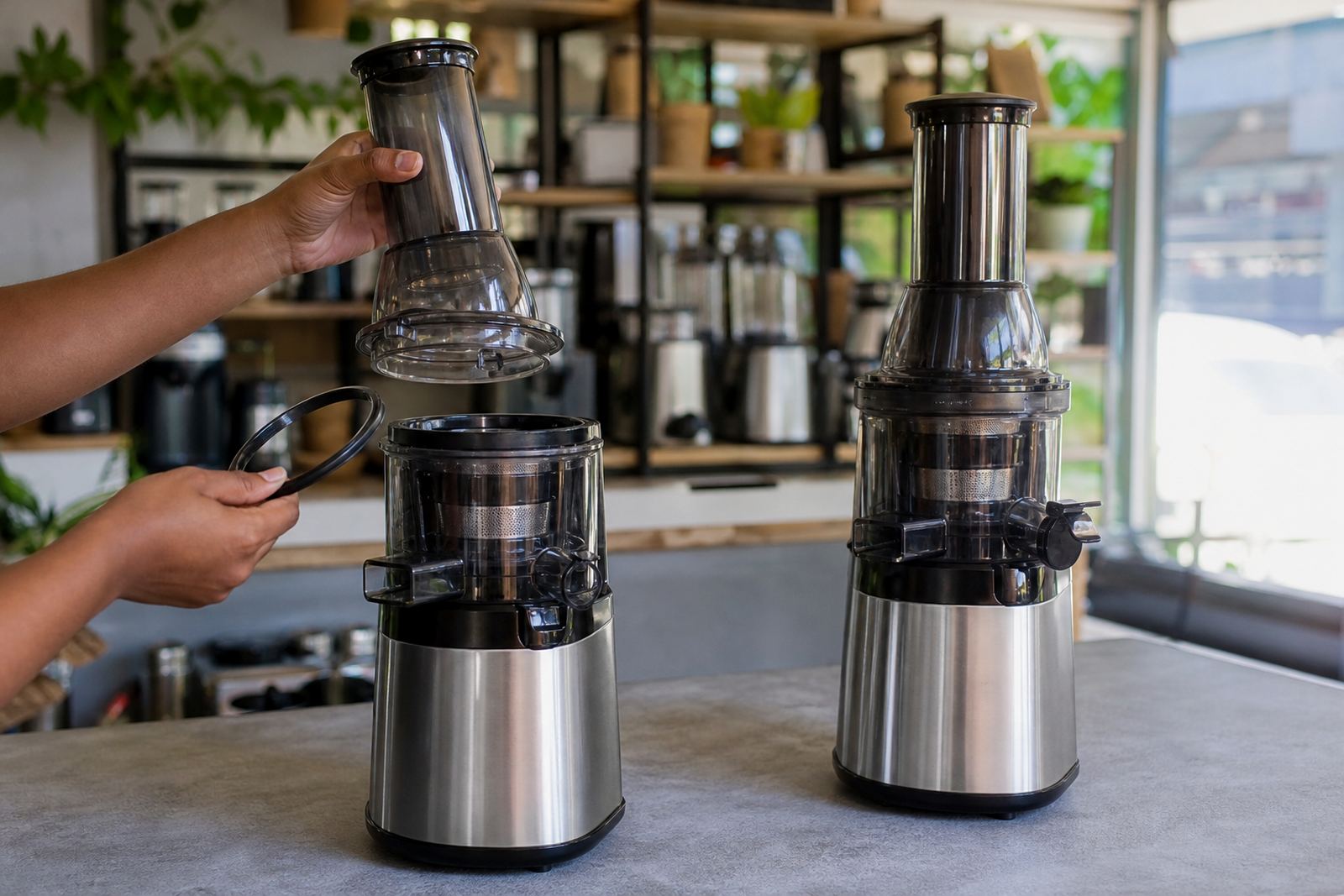
Not every juicer treats produce the same way. A slow masticating machine works steadily and is usually better suited to leafy items, celery-like stems and mixed vegetable combinations. A centrifugal model works faster and can be handy when you want a quick morning batch before school or work. Cold presses are often chosen for smaller, careful batches where the goal is steady extraction rather than speed.
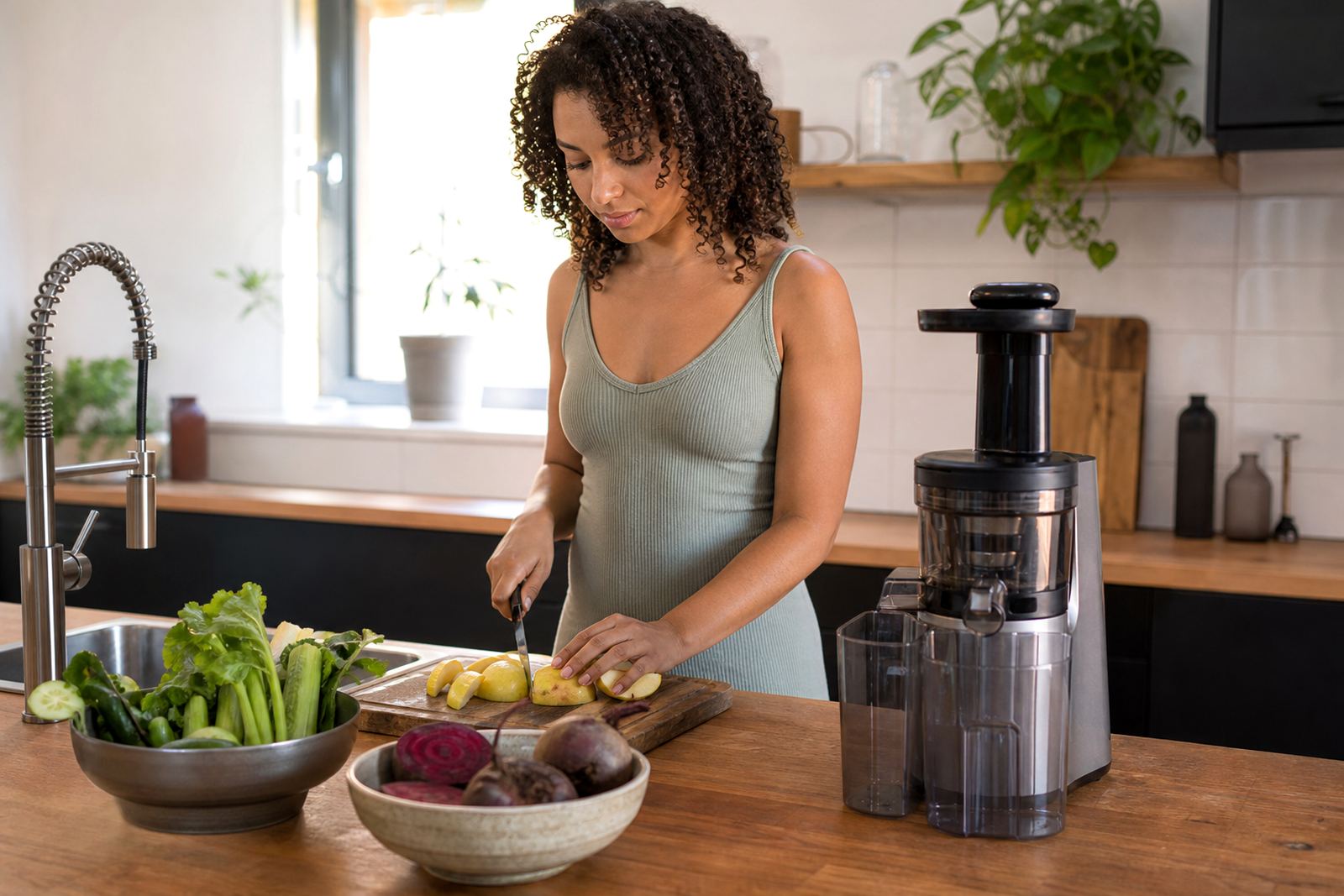
The useful shopping habit is to buy for the feed chute and cleaning routine as well as the recipe. Large carrots may need trimming. Thick beetroot tops should be removed. Pineapple needs peeling and cutting into pieces that will pass through safely. If you buy produce that needs too much last-minute trimming, the machine becomes the bottleneck, not the buying plan.
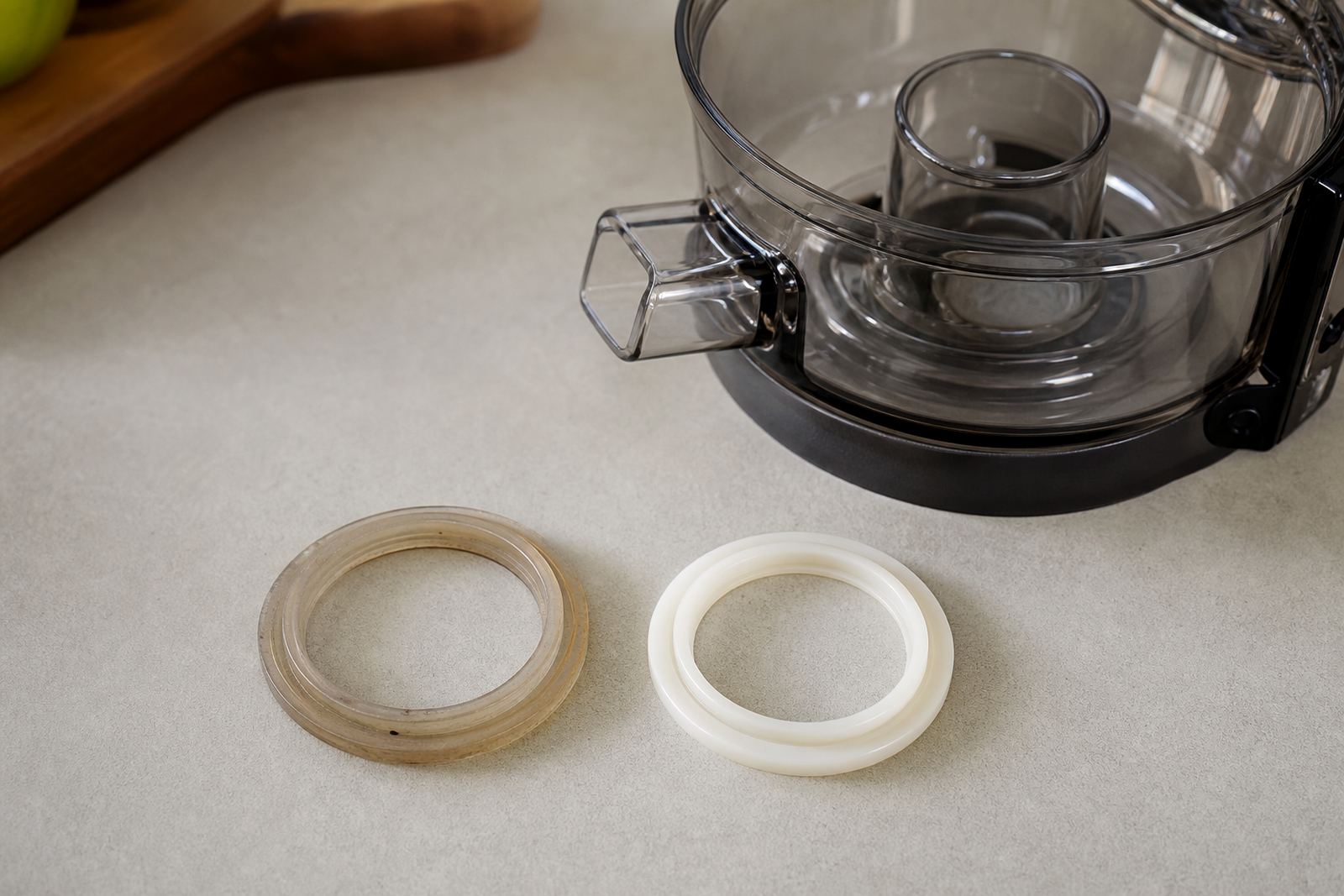
MiniPress supports customers with First Time Setup, Deep Clean Guidance, Spare Parts Help, Seal Replacement, Screen Care, Leak Troubleshooting, Noise Vibration Checks, Storage Care, Cable Plug Checks, Brushes and Tools, Routine Care Plan and Video Support Call. Those services matter because clean parts and correct use help with food safety and make the machine easier to keep in steady working order.
Food safety starts with the trolley and ends at the sink
Fresh produce is handled by many hands before it reaches your counter, so sensible cleaning is part of the process. Wash fruit and vegetables under running water before cutting, even if you plan to peel them. Use clean chopping boards and knives, and keep raw produce separate from cooked food and ready-to-eat items. If you are juicing after a power cut, make sure the fridge has stayed cold enough and do not leave washed produce sitting on the counter for long.
In homes around Paarden Eiland, Durban and George, kitchens can be warm and humid, especially in summer. That means a small amount of routine care goes a long way. Empty pulp promptly, rinse the juicing parts soon after use and allow components to dry fully before storing. A quick clean is usually easier than waiting until dried fibre has built up around screens and seals.
- Wash hands before handling produce and equipment.
- Rinse fruit and vegetables before cutting or peeling.
- Do not use damaged produce with mould or a sour smell.
- Dry washed items properly before packing them away.
A Cape Town week with no waste and fewer surprises
Take a weekday example in Cape Town. On Monday, the shopper buys carrots, apples, cucumbers and lemons for early-week use, plus a small bag of spinach for one or two batches. On Wednesday, after checking what is left in the fridge, they top up with beetroot, ginger and another fruit choice that is firm enough to last into the weekend.
This is the same thinking that helps in Johannesburg, Pretoria and Durban, where traffic, heat and family schedules all change when juicing gets done. The goal is not to buy the most produce, but to buy the right mix for the days ahead. A small, organised basket usually beats a large, hopeful one.
Clients in Cape Town Delivery, Paarden Eiland Base, Johannesburg Delivery, Durban Delivery, Pretoria Delivery, George Delivery, Stellenbosch Delivery and Somerset West Delivery can reach MiniPress through the enquiry form on the contact page for product questions and support. The team, led by Lukhanyo Mthembu, works with Ayesha Letsoalo, Sibusiso Rapetswa, Megan Mokoka, Ruan Fortuin, Nomonde Gxowa and Tariq Petersen to help with setup, care and parts guidance when needed.
What a sensible basket looks like on a normal South African counter
A useful produce basket is not fancy. It is balanced, clean and realistic for the time you have. It includes firm items that last, soft items for sooner rather than later, and enough variety so that one batch does not become repetitive. The fridge stays manageable, the sink does not fill with forgotten leaves, and the juicer gets used without turning every morning into a rush.
For most homes, the best buying habit is to plan for three things: what will be juiced first, what will keep until midweek, and what can wait until the weekend. That one habit keeps food moving through the kitchen in a calm way, and it makes home juicing easier to maintain across the week.