Start with the work path, not the appliance
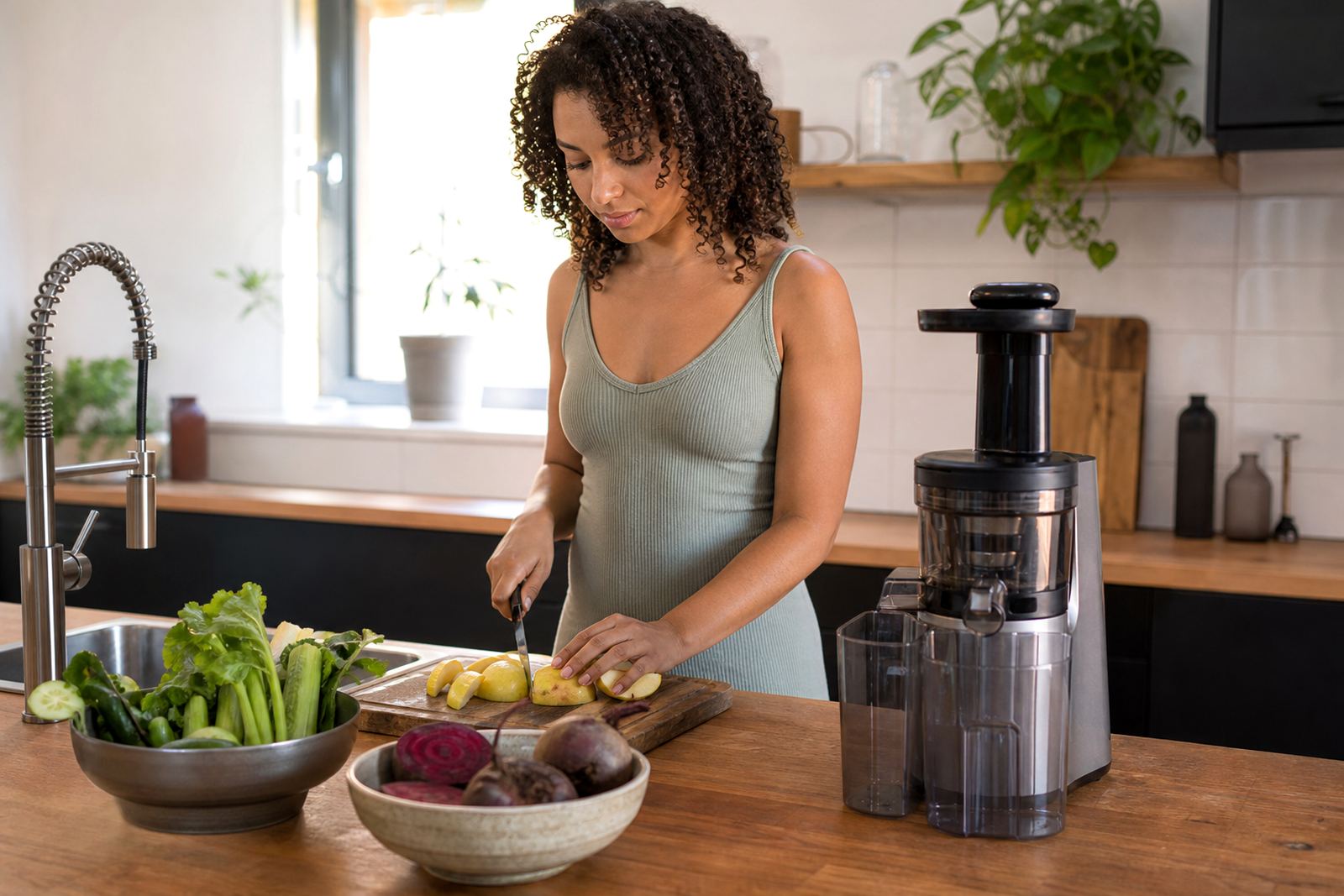
Before you choose a corner for a juicer or cold press, look at how ingredients move through your kitchen. A good position lets you rinse produce at the sink, trim and sort on a prep surface, juice on a steady counter, and carry pulp or peels to the bin without crossing the whole room twice. That matters in smaller Cape Town flats, tiled Scullery spaces, and open-plan homes where every step counts.
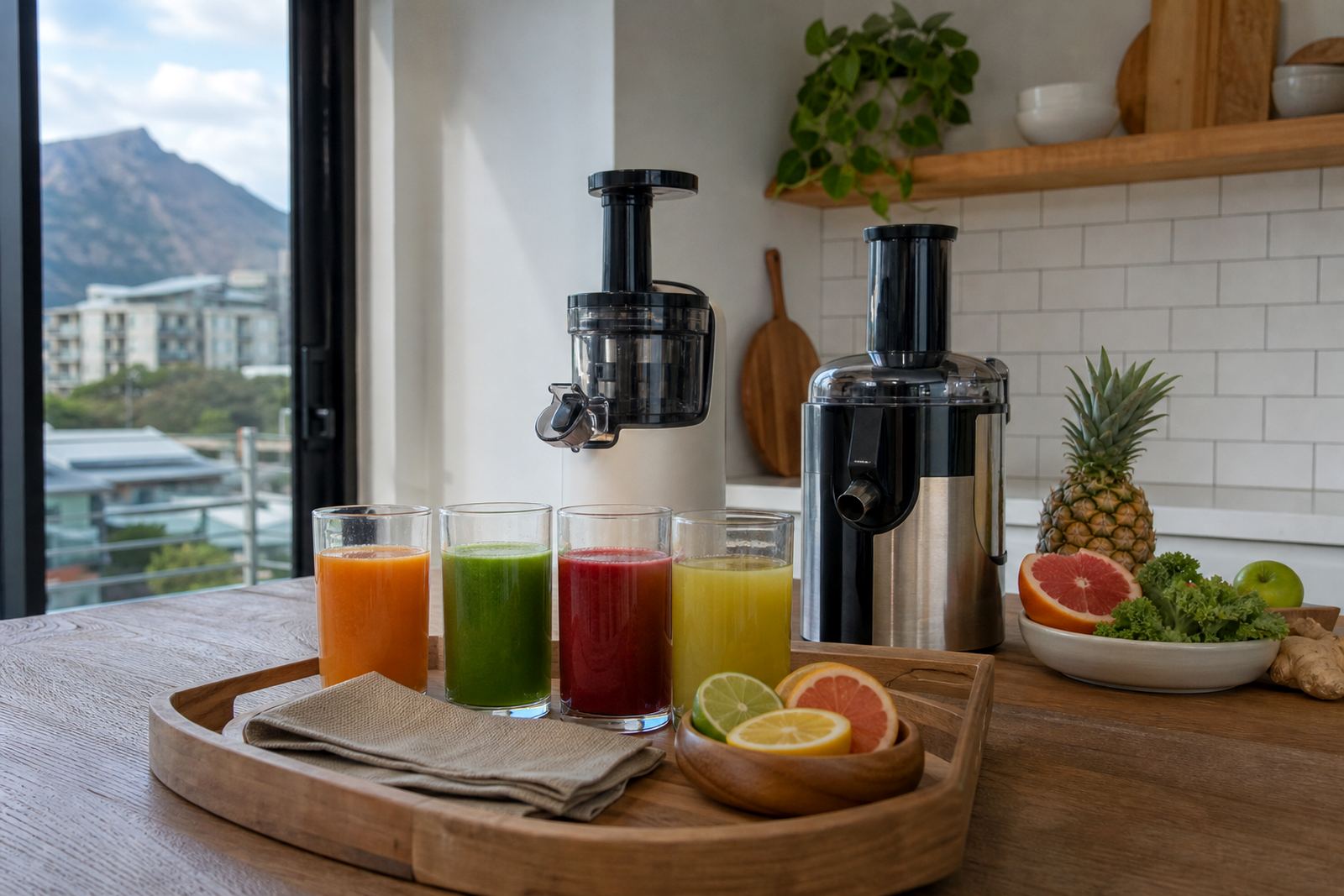
For slower masticating machines, give yourself room for whole fruit trays, chopping boards, and a bowl for cut pieces. Centrifugal juicers usually work faster, so the feed area and the path from fridge to counter should be short and clear. Cold presses often need a little extra space for jars, cloths or strainers, plus a flat drying area after washing.
- Keep the prep side near the sink if possible
- Leave space for a chopping board and a waste bowl
- Avoid placing the machine where people pass behind you often
- Use one counter for prep and one for clean-up if the kitchen allows it
Power points and cable runs need proper thought
The safest plan is a nearby wall socket with a dry cable run and enough slack so the cord does not hang across the edge of the counter. In Paarden Eiland and many older Cape Town properties, power points can be awkwardly placed, so it helps to check before you buy.
Keep the machine away from kettles, hobs and any place where steam or splashes are likely. A motor base should sit level and firm, not on a damp cloth. If the cable must travel a short distance, secure it so it will not pull when you lift the lid or move the pulp container. That small bit of planning also helps during a noisy morning rush when someone is making coffee at the same time.
- Use a dry wall socket that is easy to reach
- Do not run cables under mats or across walkways
- Keep the plug away from sink spray and steam
- If the counter is busy, choose a lower traffic corner with one clear outlet
Cleaning space is part of the setup, not an afterthought
Cleaning is easier when you build the station around rinsing and drying, not just juicing. Most machines have parts that need a quick rinse straight after use, and some screens, seals and augers need a more careful wash. If the counter is cramped, dirty parts end up balanced on tea towels and that can lead to stains, slipping or missed residue.
Choose a position close to the sink, with enough space for a small bowl of warm water, a brush, and a drying rack or tray. In coastal areas like Durban and George, humidity can slow drying and leave parts feeling tacky if they are stacked too soon. A dedicated drying spot with good air movement makes a big difference. For people using a cold press more often, the habit of washing pulp paths, seals and lids straight after juicing keeps old residue from building up in corners.
- Set aside a drying tray or rack before the first use
- Keep a soft brush within arm’s reach
- Do not leave juice residue in the screen or spout
- Wipe the counter before and after each session
Choose the right machine for the amount of prep you do
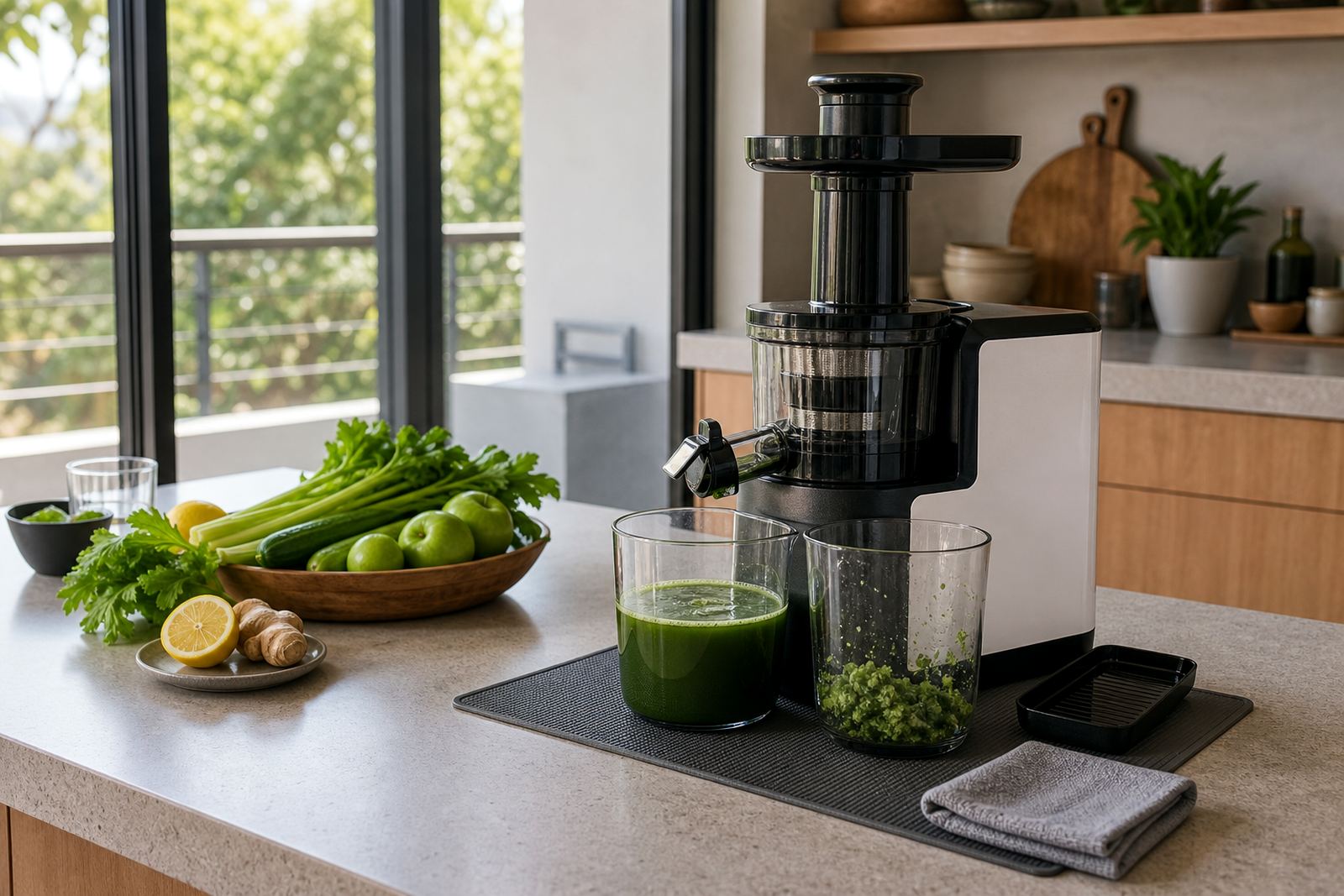
Different juicers need different working space. A centrifugal juicer is usually suited to quicker sessions where fruit and vegetables are fed through more rapidly, so the area beside it should allow for fast sorting and a waste container close by. A slow masticating model takes a steadier pace, so the counter needs room for cut produce, a juice jug and a place to rest lids or pusher parts between uses.
Cold presses often sit at the more deliberate end of the process. They can need extra room for pressing parts, jugs and filter cloths, plus a clear spot for assembled pieces during set-up. If your kitchen is used for school lunches, packed workdays or weekend family cooking, the machine should fit into that rhythm without forcing everything else off the counter.
- Fast juicing needs a shorter feed and waste path
- Slow juicing benefits from more bowl and jug space
- Cold pressing needs a stable surface and room for parts during assembly
- Match the appliance to the amount of chopping you are willing to do
A good spot protects the motor and the kitchen surface
Juicers last better when they sit on a stable, level counter that can handle vibration and a few drips. A light machine on a wobbly tray can creep toward the edge, which is bad for the motor and annoying for the person using it. Hard, clean worktops are easier to wipe than soft wood surfaces that can mark with juice stains if spills are left too long.
If your kitchen gets warm in summer or is open to afternoon sun, avoid placing the machine where the base heats up before you even start. That can matter in Stellenbosch and Somerset West homes with bright window light on the counter. It also helps to keep the appliance away from the stove, oven doors and any area where oil mist or cooking steam settles on surfaces.
Food safety is mostly about good habits: wash hands, rinse produce well, keep raw meat away from juicing areas, and never leave fresh juice sitting out for long. A neat station makes those habits easier to keep.
A Cape Town layout that works in real life
Picture a compact kitchen in Paarden Eiland with one prep counter, a sink and a single outlet along the wall. The best set-up is often a simple triangle: fridge to counter to sink. Fruit comes out of the fridge, gets rinsed at the sink, lands on the board, and then moves to the juicer without crossing the room. Pulp goes into one bowl, juice goes into another, and the cleaned parts can dry near an open window or on a rack by the sink.
That same logic works whether the order is going to Johannesburg, Pretoria, Durban or George, because the kitchen habits are similar even if the weather is not. In drier inland homes, dust can settle quickly on open counters. Near the coast, moisture can stay around longer. In both cases, a tidy corner with space to wipe down after use is easier to keep in order than a crowded space packed with kettles, bread bins and stacked containers.
If you use the machine often, make the station permanent. If you only juice now and then, keep the parts together in one cupboard close to the counter so setup is quick and the pieces do not go missing.
When support is part of the kitchen plan
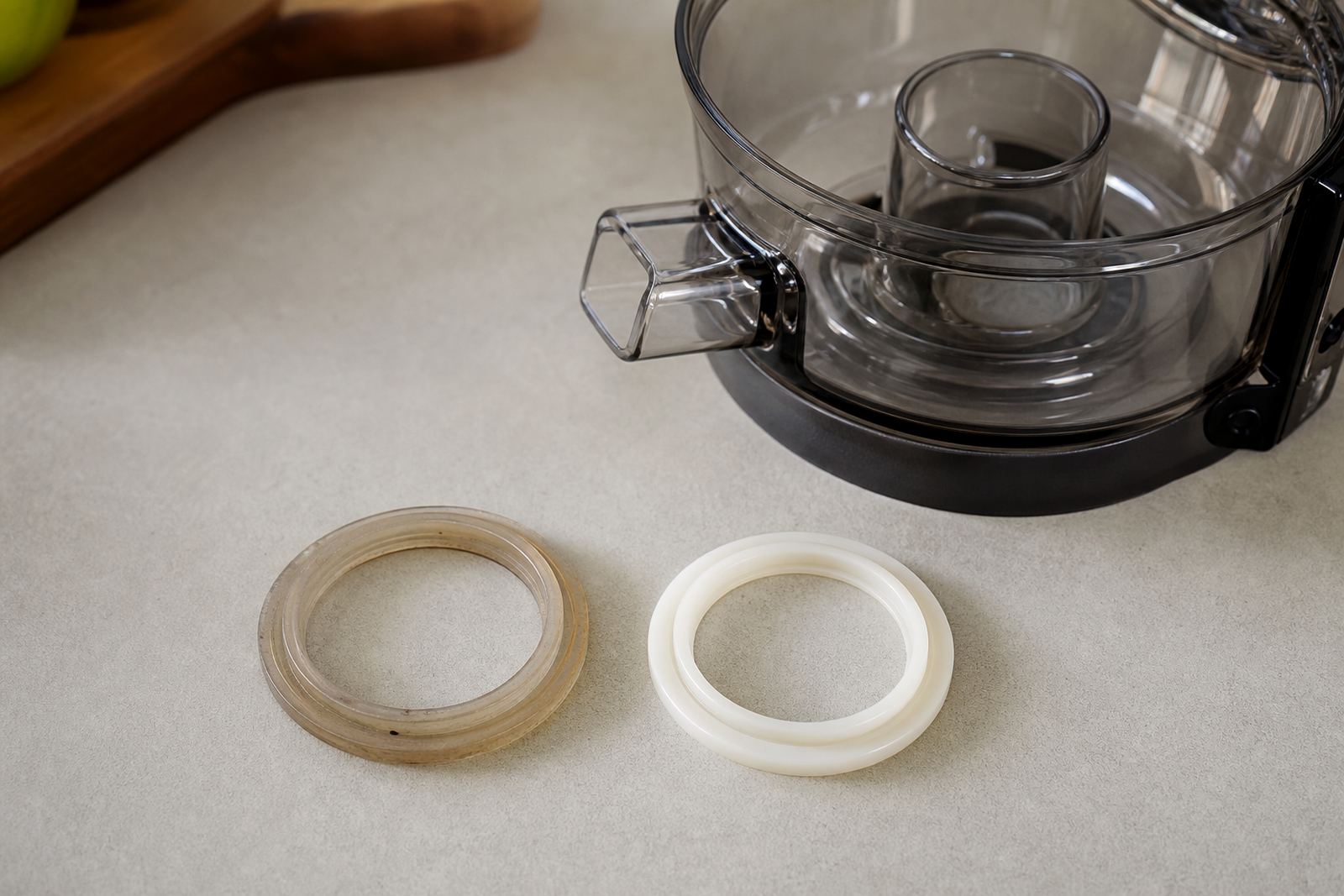
Some set-ups need a little extra help after purchase, especially if a seal loosens, a screen needs care, or the machine starts making more noise than expected. A proper kitchen position makes those checks easier too, because the machine can be reached from both sides and moved without strain. That is useful for routine care, spare parts help, cable plug checks, leak troubleshooting, and video support calls when someone wants to talk through the steps.
Before you settle on a final spot, think about whether you can lift the machine safely, where the accessories will live, and whether the surface can stay dry. A good location is not only about looks. It is about making prep, cleaning and storage fit into the same small part of the kitchen without extra hassle.