Set the juicer where the mess can be managed
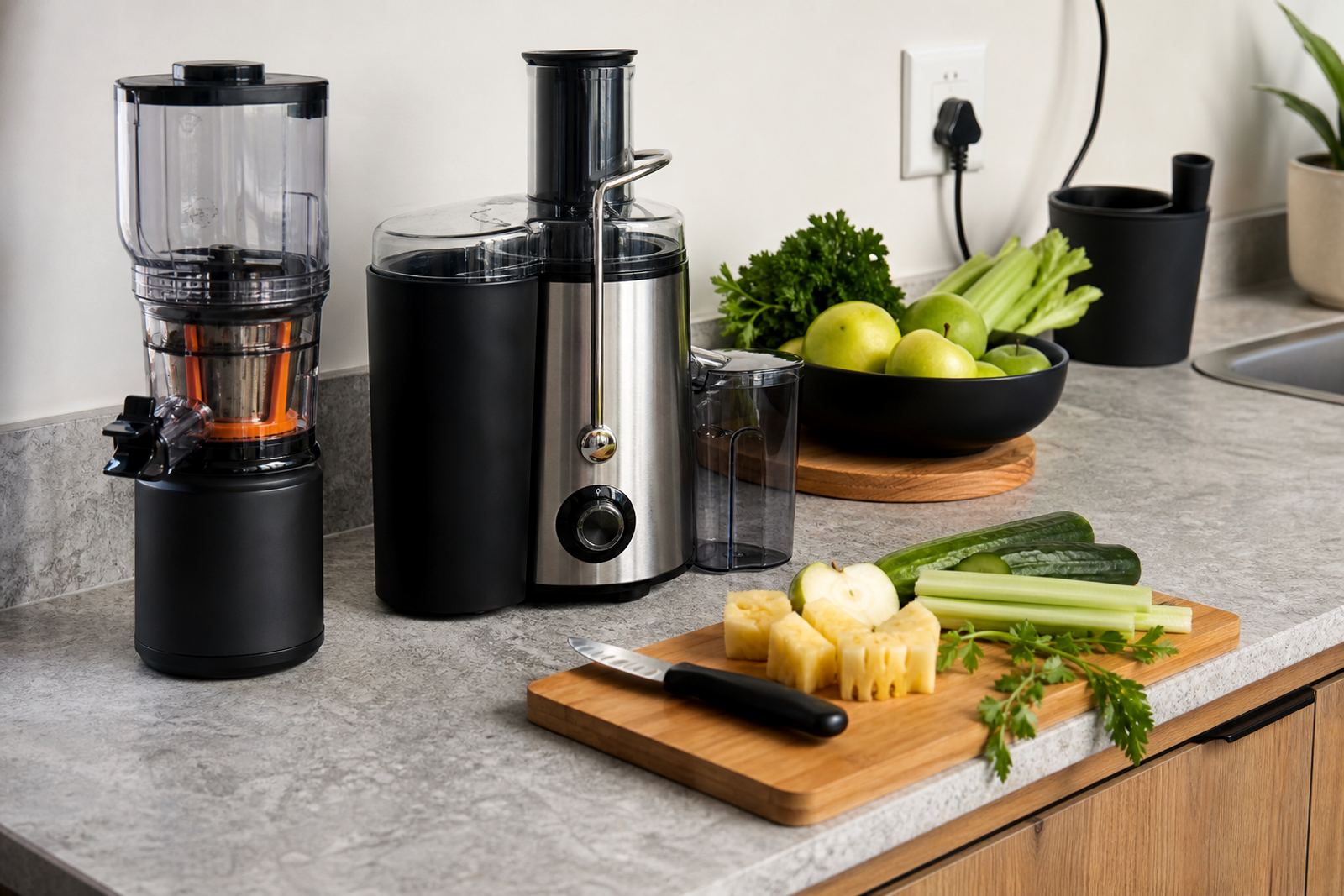
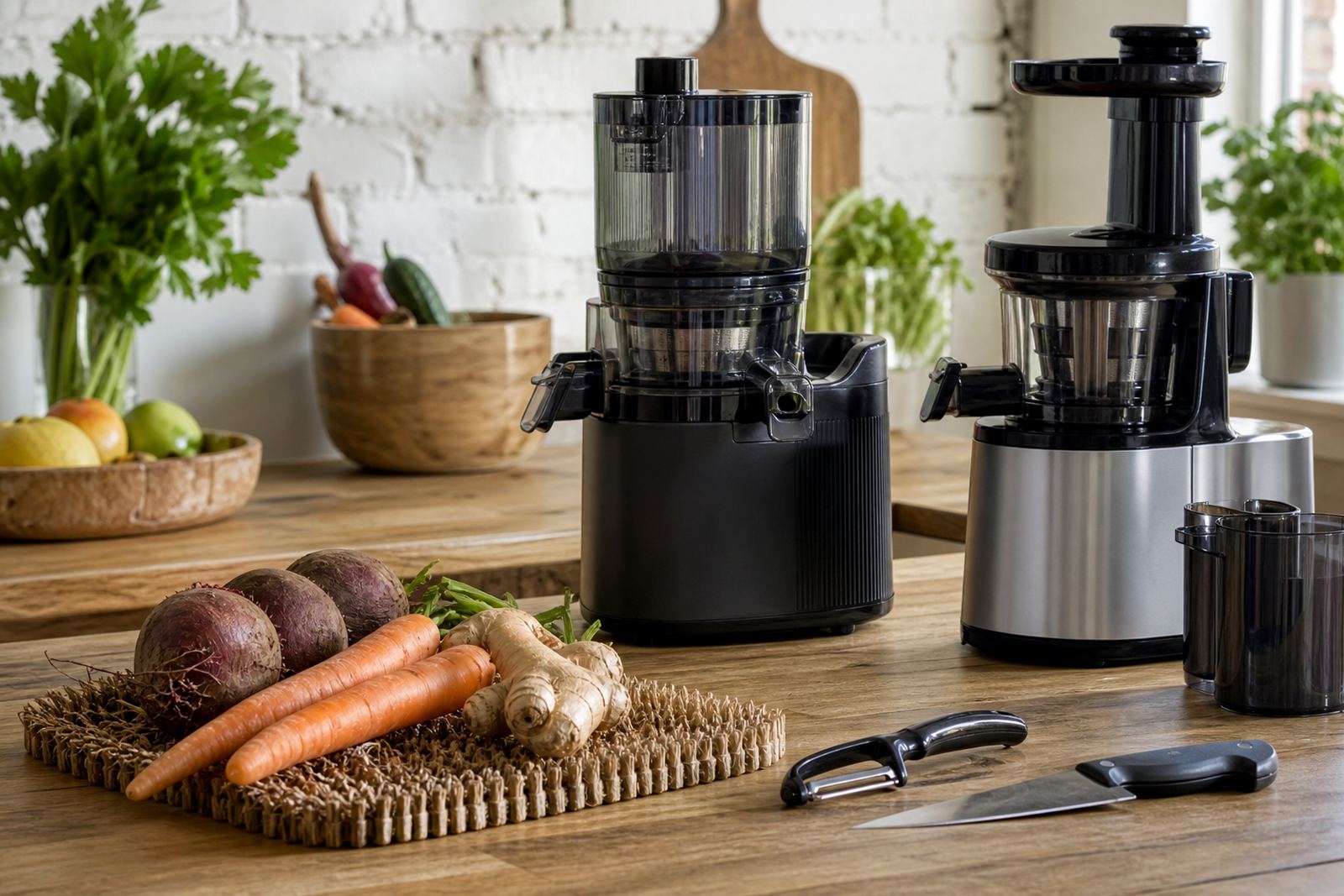
The first step is choosing a working spot with enough space around the machine. A slow masticating juicer, centrifugal juicer or cold press can all leave a trail of juice, pulp or rinse water, so place the unit on a clear section of counter rather than squeezing it between the kettle and the toaster. If the surface is near a sink, that helps with rinsing parts and wiping the base, but the machine still needs a stable, dry area with room for bowls and a cloth.
On smaller Cape Town kitchens, especially in flats and compact homes around Paarden Eiland and the city bowl, the easiest habit is to keep one side of the counter as the juicing zone. Leave the chopping board, peeler and jug in one place too. That way the juice path stays short and you are less likely to drip across the whole counter while carrying a full container to the fridge.
- Use a flat, level surface so the machine does not rock during operation.
- Leave space for the feed chute, pulp outlet and juice jug.
- Keep tea towels, paper towel and a small brush within reach.
Stop stains before they sink in
Fresh juice can stain light surfaces, especially when beetroot, carrots or berries are involved. Citrus and fruit sugars can also leave sticky marks that attract crumbs and dust. A quick wipe during the session is better than waiting until the end, because dried splashes take more effort and can leave a dull patch on some finishes.
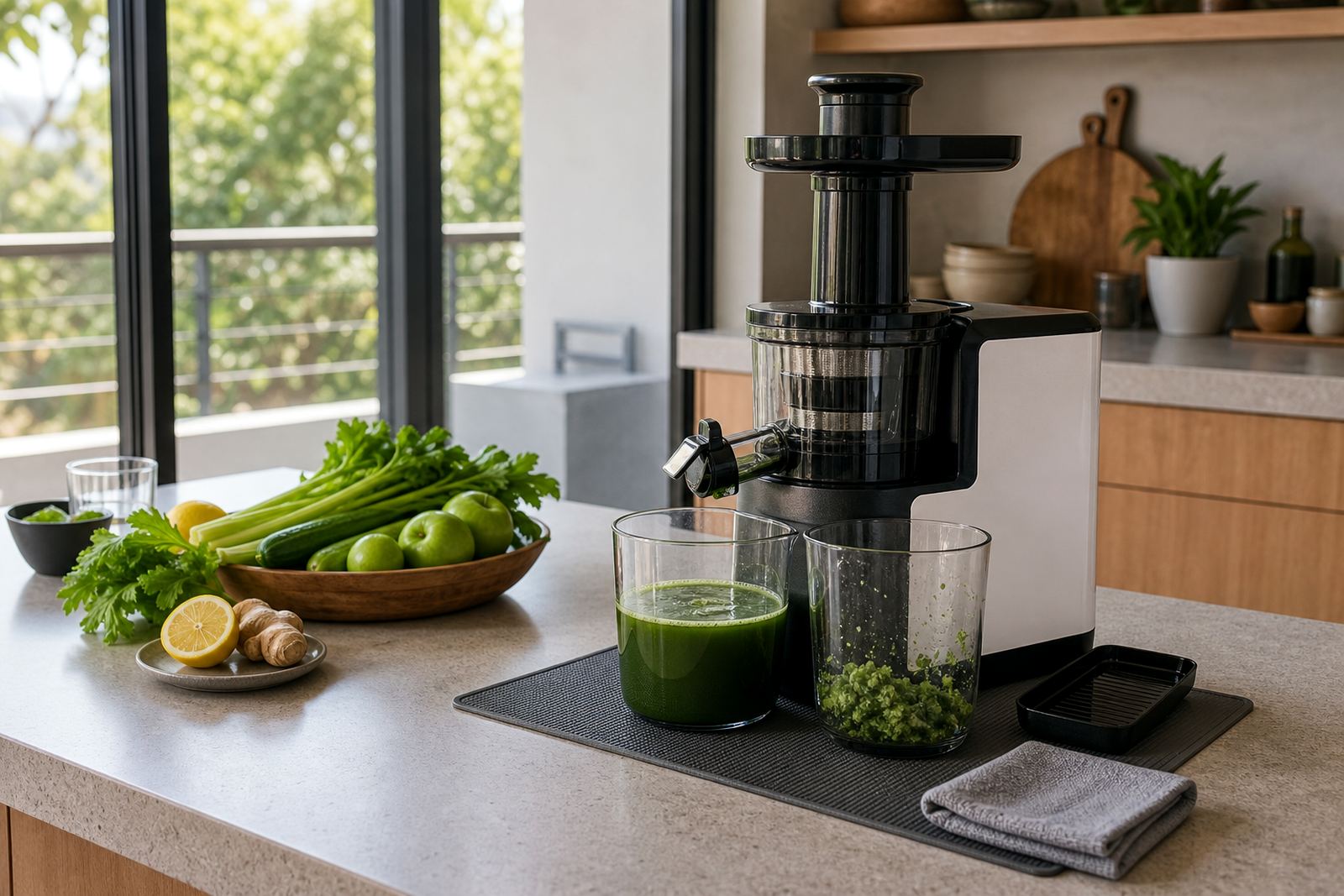
For timber counters, use a board or mat under the juicer if the surface is prone to water marks. For stone, quartz or laminate, a clean microfibre cloth usually works well for wiping drips before they spread. Never let liquid sit under the machine base for long periods, because moisture can work its way into seams and soften adhesive edges over time. In humid coastal areas like Durban and George, the air itself can slow drying, so a dry cloth after every session is worth the extra minute.
- Wipe splashes as soon as they appear, not after the last glass.
- Dry the counter before placing the machine back in storage.
- Use a separate cloth for the machine body and another for the counter.
Keep pulp and peels out of the traffic lane
Pulp piles up quickly, especially with a centrifugal juicer that works at speed or a slow masticating model that produces a steady stream over time. When the waste lands on the counter, it sticks to fingertips, knives and chopping boards, then gets moved around the kitchen. A small bowl or compost container beside the machine keeps the work area neater and reduces the chance of slippery bits on the floor.
If you are juicing for a household in Pretoria or Johannesburg where kitchens may be busy from early morning, it helps to sort the waste zone before switching on. Put a waste bowl on the side opposite the juice jug so there is a clear path for one to drain and the other to collect pulp. That small layout choice keeps the counter open and cuts down on backtracking.
- Keep a lidded bin or compost tub beside the juicer.
- Empty pulp before it reaches the rim of the container.
- Rinse peels and sticky scraps off the counter before they dry hard.
Make cleaning part of the juicing rhythm
Good countertop care starts with the machine itself. When juicer parts are cleaned promptly, there is less residue to drip back onto the surface later. Rinse removable parts soon after use, then set them on a drying rack or clean towel so water does not pool under the frame. Check seals, screens and juice paths for trapped pulp because trapped residue can fall out later and dirty the counter again.
Many people leave the cleanup for the end of the day, but the quicker method is easier on the kitchen. A brush for screens and a soft cloth for the base usually handle most daily cleanup.
- Rinse parts before pulp dries on the screen or chute.
- Dry the machine feet before placing it back on the counter.
- Check beneath the base for hidden drips or crumbs.
Protect finishes from moisture, heat and metal marks
Different counter materials need different care. Laminate is sensitive to standing water around seams. Timber can mark if moisture is left under a machine mat. Stone can cope with daily use, but metal parts dragged across it may leave fine marks if they are rough or dirty. A light mat or tray under the juicer can help if you move the machine often or share counter space with other appliances.
When storing the juicer after use, lift it rather than sliding it across the counter. Sliding can create scratches and can also drag leftover droplets into a clean area. If your home in Somerset West or Stellenbosch has a bright window near the prep area, keep the machine away from direct sun when not in use so plastic housings and cable insulation are not left baking on the sill. Small habits like these help the counter stay cleaner and the equipment stay orderly.
Food safety also matters here. Keep raw produce, dirty tools and cleaning cloths separated from the surface you use for serving. A clean countertop is part of keeping the juicing process controlled, not just tidy.
A Paarden Eiland routine that works in a busy kitchen
In a Paarden Eiland home or small office kitchen, the best setup is usually the one that can be repeated without fuss. Many customers prefer to keep a towel under the machine, a small bowl for pulp, a brush for the screen and a spray bottle for the counter. That four-part setup takes little space and handles most day to day cleanup without crowding the sink.
If you notice vibration marks, pooling juice or a cable that forces the unit too close to the edge, change the layout before the next use. Our team in Cape Town deals with setup questions, seal replacement, screen care, leak troubleshooting, noise vibration checks and storage care, so the goal is always the same: keep the machine working properly and keep the counter protected at the same time.
- Use one dedicated spot for the machine, not a moving target.
- Keep the cord clear of wet areas and hot plates.
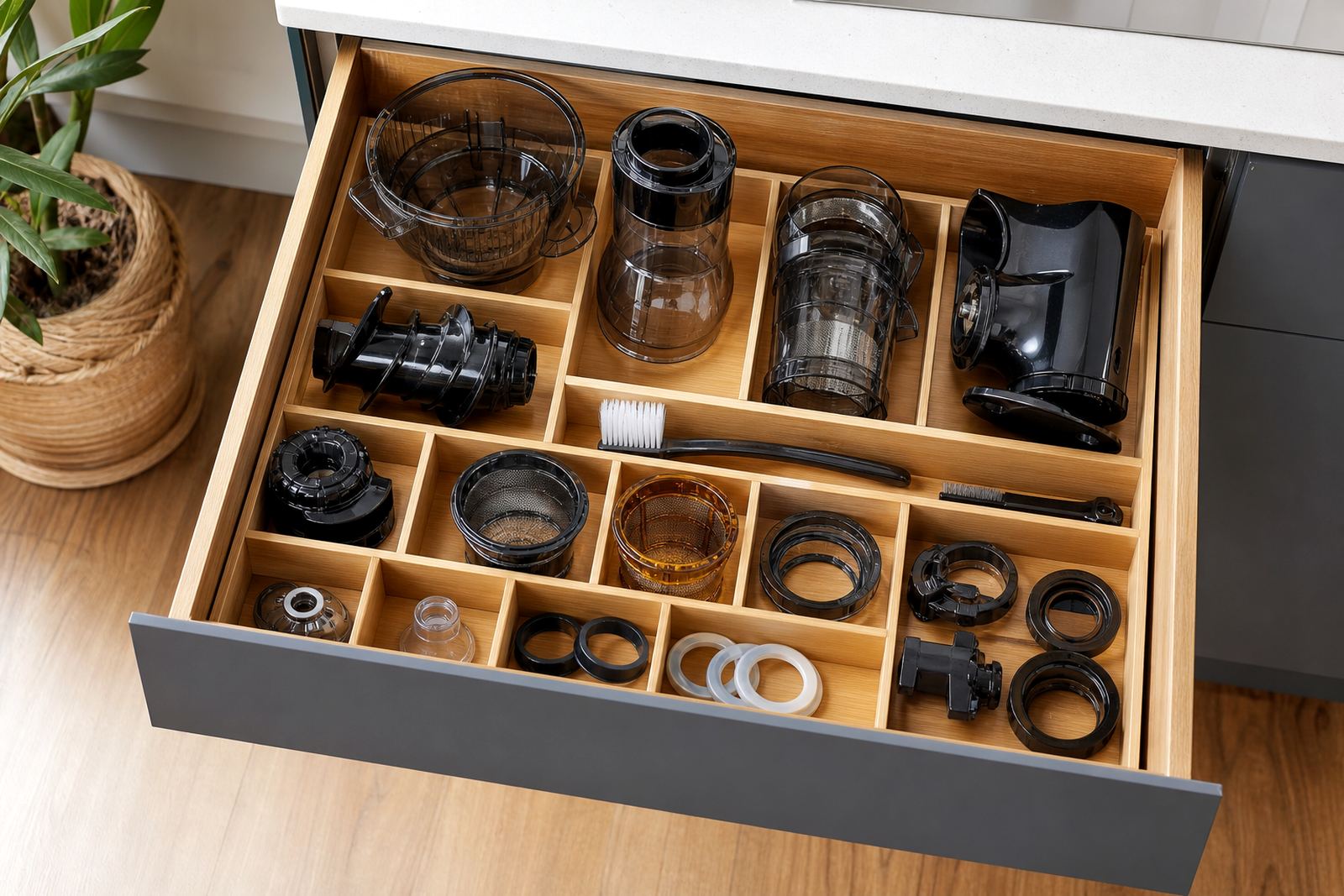
- Store brushes and tools where they can dry properly after washing.
When the counter tells you something is off
If the surface is getting wetter than usual, there may be a problem with a seal, a screen, a spout or the way the parts are fitted together. A weak drip can become a steady mess over a few uses, and then the counter starts showing rings, sticky patches or a smell from trapped residue. That is the point to check the machine rather than just wiping harder.
Look for uneven assembly, worn seals, loose fittings, a cracked container, or a cable that gets in the way and pulls the juicer into an awkward position. If the issue keeps returning, make a note of what you are seeing and use the enquiry form on our contact page for support. For customers in Cape Town, Johannesburg, Durban, Pretoria, George, Stellenbosch and Somerset West, delivery and guidance are handled across South Africa, so the same practical approach applies wherever the kitchen is located.
A clean counter is not about perfection. It is about keeping the work area dry enough, clear enough and safe enough for the next use.