Why a clean counter still needs electrical caution
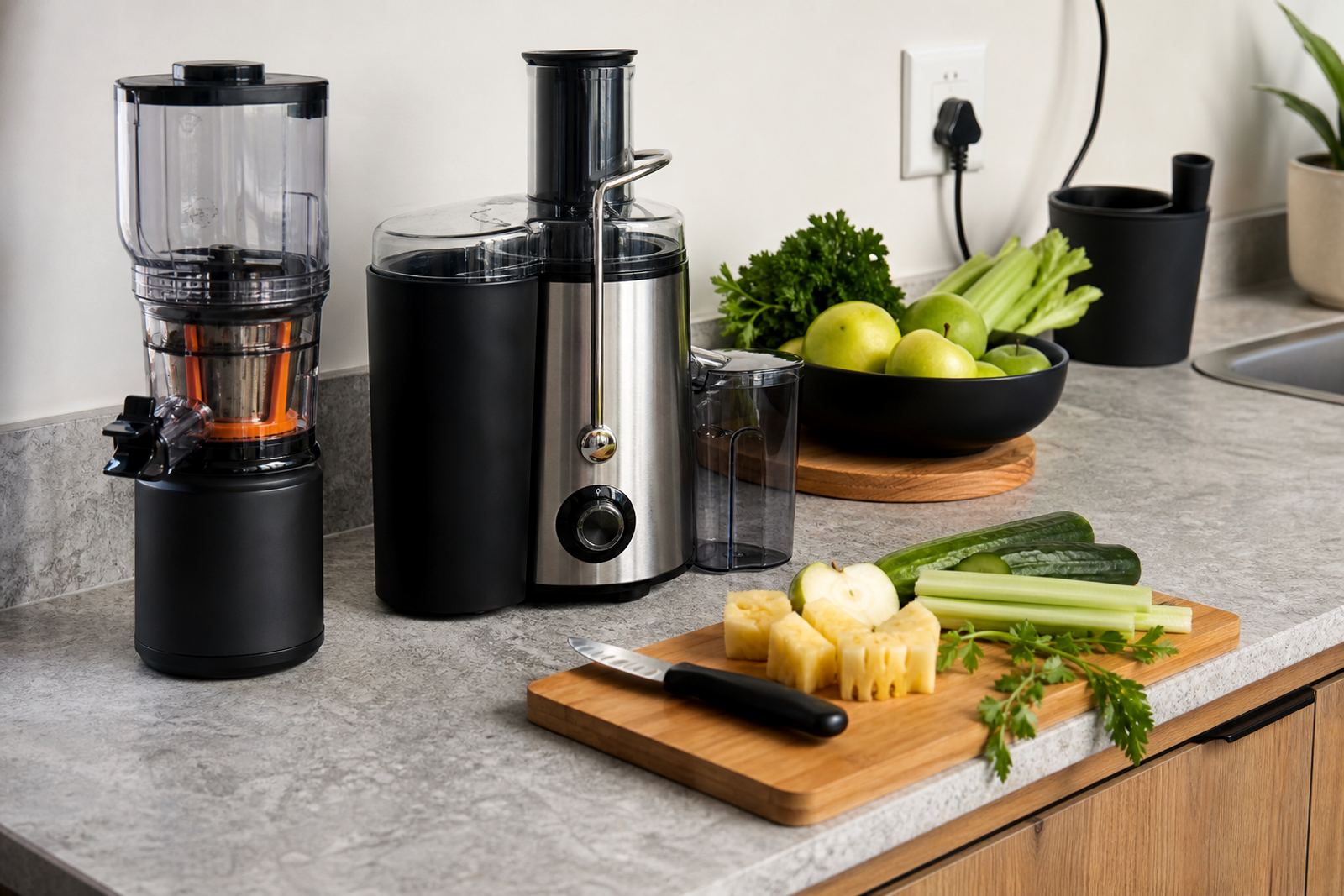
Juicers and cold presses are used in kitchens where taps, rinsing bowls and wet cloths are always close by. That means the plug, cord and wall socket need the same attention as the machine itself. A dry counter is not enough if the socket sits behind a kettle, next to a dish rack or under a window that lets in damp coastal air.
In Paarden Eiland, where many homes and apartments deal with wind, salt air and quick temperature changes, plugs can age faster than people expect. A loose socket, cracked plug top or cable that has been bent too sharply can start giving trouble long before the machine itself does.
- Keep the machine on a level, dry surface before switching on.
- Wipe hands dry before touching the plug or controls.
- Do not rest the cord where it can hang into water or touch a hot plate.
- Leave space behind the unit so the plug is not crushed against the wall.
Slow masticating, centrifugal and the power they draw
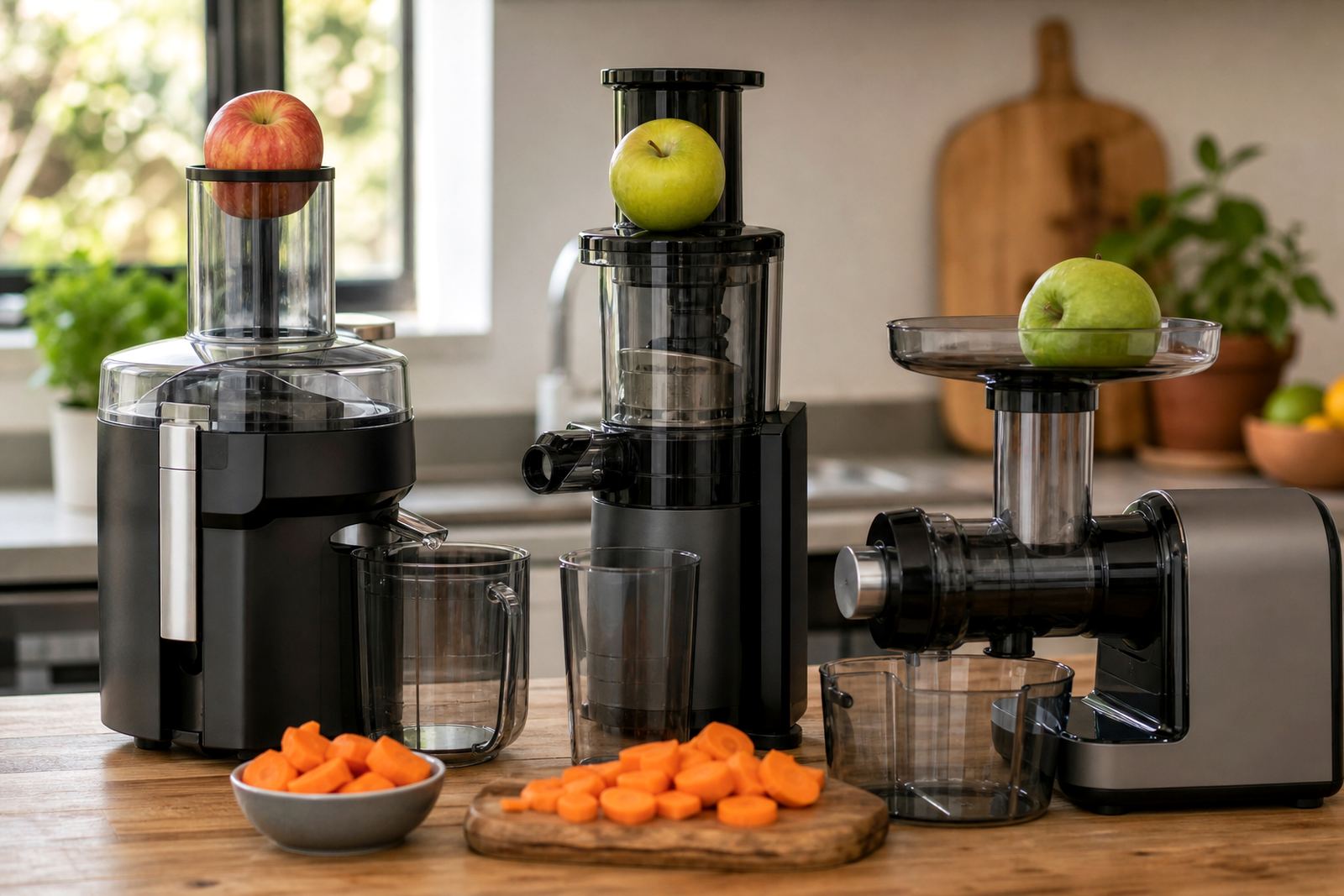
Most home juicers and cold presses use modest household power, but the way they start and work can differ. Slow masticating machines usually work at a steadier pace and put less sudden strain on the motor. Centrifugal juicers spin faster and can draw more power in short bursts, especially when feed opening is packed too full or the produce is very firm. Cold presses often run at a controlled speed and can be sensitive to overloading if the feed chute is forced.
For daily use, that means the plug point and cable must be in good condition. A tired socket may not show problems at first, but flickering, heat or a faint burning smell is a warning sign. If a machine stops and starts, or the plug feels warm after use, switch off and check the setup before using it again.
- Use one appliance per socket where possible.
- Do not run a juicer from a light-duty adaptor.
- Avoid plugging several heat-making appliances into the same outlet.
- If the machine hesitates under load, stop and clear the chute rather than forcing it.
Extension leads, adapters and habits that matter
People move appliances to different counters, add temporary extension leads and plug into whichever outlet is working. That can be practical, but only if the lead is rated for the load and kept out of wet zones. A thin, cheap lead used for a short while can overheat if it powers a juicer, a kettle and a toaster in the same area.
Extension leads should never be coiled tightly while in use, because heat builds up in the cable. They should also not run under rugs, through door gaps or across a sink area where water can drip onto the plugs. In Durban, where humidity stays high for much of the year, moisture can creep into sockets and connectors more easily than many people think.
- Unplug extension leads when the machine is not in use.
- Keep the lead off the floor if children or pets move through the kitchen.
- Check for scorch marks, bent pins or loose fittings before each use.
- Use a power point with proper wall support, not a dangling adaptor chain.
Wet hands, damp cloths and the small risks that get ignored
Food prep often means rinsing fruit, wiping pulp and cleaning sticky surfaces while the machine is still nearby. That is where many minor electrical faults begin. A damp cloth left on top of a plug, or a splash from a rinse bowl landing on the socket, can cause trouble even if the appliance itself seems fine.
The safest habit is to switch off at the socket before pulling out the plug, then dry your hands fully before touching any electrical part. If a spill reaches the base of the appliance, unplug it first and let it dry before restarting. Never rinse the motor base or plug area under a tap. Even small amounts of moisture can damage switches, seals and contact points over time.
For homes close to the sea, such as parts of Cape Town and George, salty air can leave metal pins and sockets looking fine on the outside while corrosion starts underneath. That is why routine checks matter even when nothing obvious is wrong.
Cable wear, plug tops and the signs that need attention
A cable does not have to be broken in half to be unsafe. Repeated bending behind a counter, yanking the plug from the wall, or storing the machine with the cord wrapped too tightly can damage the wires inside. Once that happens, the machine may work one day and fail the next.
Look closely at the full length of the cable, especially near the plug and where it enters the appliance. If the outer cover is split, the plug top is loose, or the pins are darkened, stop using the unit until it has been checked. A buzzing sound from the socket, intermittent power or heat around the plug are all worth taking seriously.
- Do not pull a plug out by the cord.
- Do not tape over cracked insulation as a permanent fix.
- Keep cords away from sharp cupboard edges.
- Store the cable loosely, not wound tightly around the motor base.
A practical Pretoria kitchen example
Take a typical kitchen in Pretoria, where a family may use a juicer early in the morning, then put the same counter to work for school lunch prep later on. The socket is often near the wall, with a kettle on one side and a dish rack on the other. If the plug point is old, the cable is bent hard against the splashback, and a wet tea towel hangs nearby, the whole setup needs review not just the appliance.
A better routine is to keep the juicer on a dry section of counter, use one socket at a time, and check the plug area after each wash-up. If the machine is moved for cleaning, let the base sit dry before reconnecting. That habit saves time later and reduces avoidable faults in busy homes and small commercial kitchens alike.
For households that need help with setup, cable checks, seal replacement, storage care or a video support call, the enquiry form on our contact page is the place to send details. The team in Paarden Eiland can assist with delivery areas across Cape Town, Johannesburg, Durban, Pretoria, George, Stellenbosch and Somerset West.
When a machine should stay unplugged
Some problems are not worth testing again and again. If a juicer trips the power, smells burnt, sparks at the plug or feels hot in places it should not, leave it unplugged. The same applies after water has entered the motor housing or if the cable has been pinched under heavy kitchen furniture.
Safe use is mostly about steady habits: dry hands, clear sockets, proper storage and an eye on wear before it becomes a bigger fault. That is how small kitchen machines last longer and stay easier to use through ordinary South African household conditions.