The two machines work differently before breakfast even starts
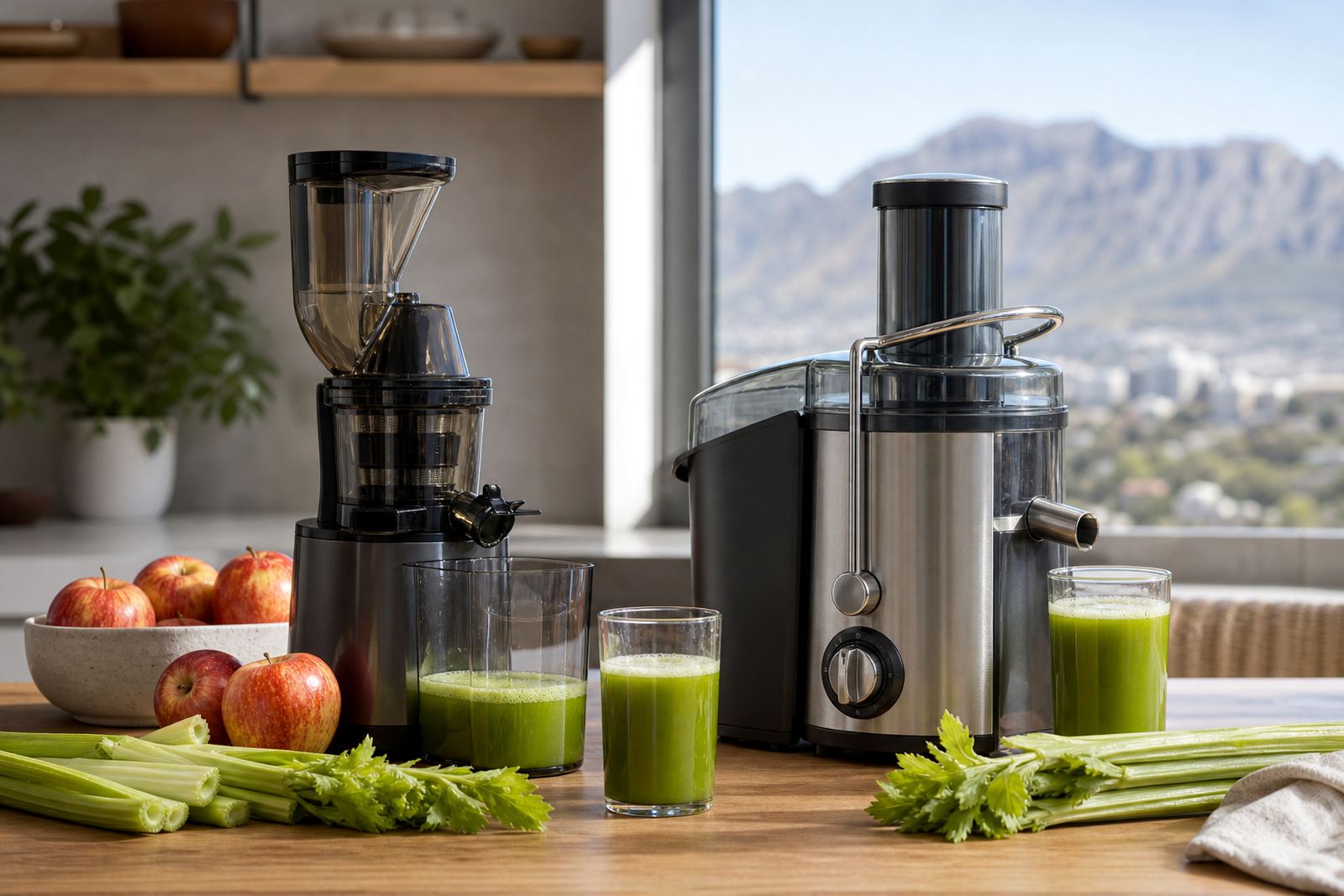
A slow masticating juicer uses a turning auger to crush produce and press out juice at a lower speed. A centrifugal juicer spins a blade or grater disc very fast, then throws the juice through a mesh screen. Both do the job, but they do it in very different ways.
The slower machine usually handles leafy items and softer fruit with less froth, while the faster one is often better when you want a quick glass and are happy with a lighter body in the juice. If your morning is rushed, the spin speed can matter more than anything else. If you are preparing juice for a small family on a Saturday, the slower method may suit the pace better.
- Masticating models run at a lower speed and are often quieter.
- Centrifugal models work faster and can suit busy mornings.
- Cold press machines use gentle pressure and are made for lower heat build-up.
How the kitchen feels when each one is on the counter
In a flat in Paarden Eiland or a compact townhouse in Somerset West, footprint matters. A centrifugal juicer is often lighter and easier to lift in and out of a cupboard. A slow juicer can be taller or heavier, but many people like the steadier feed and the way it handles more types of produce once it is set up.
Noise is worth thinking about too. A high speed unit can be noisy enough to wake a light sleeper in the next room, especially in a home with open plan living.
- Choose a lighter machine if you will pack it away after each use.
- Choose a quieter unit if children, neighbours or late evenings are part of the picture.
- Check the feed chute size, because it changes how much chopping you need to do.
Cleaning time is where many buyers change their minds
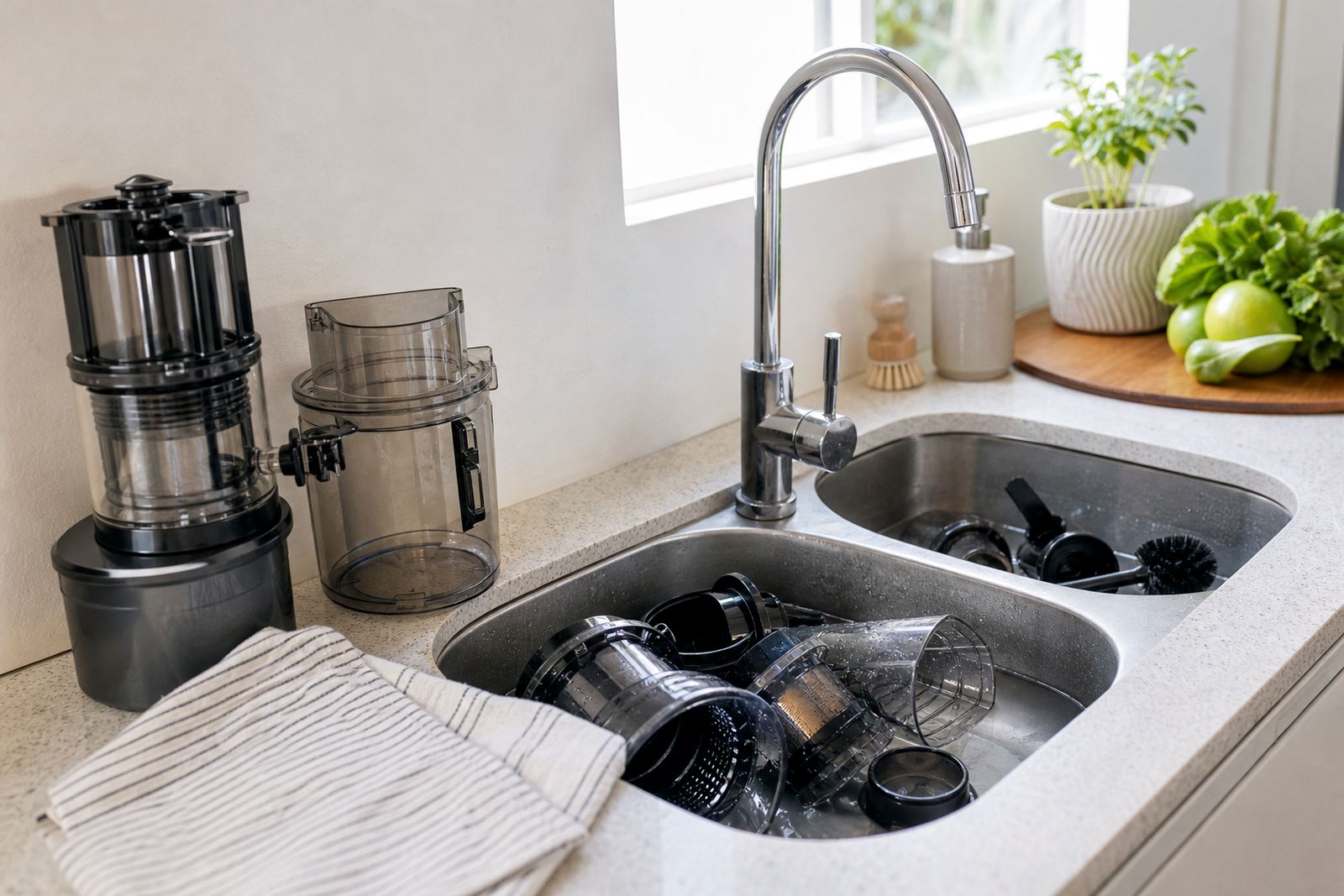
The best machine is the one you are willing to clean properly every time. Juicers with many small parts need more care, especially the mesh screen, seals and pulp outlets. If those areas are left with fruit fibre, the next use can pick up stale odours and sticky residue that are not welcome in a food prep area.
For food safety, rinse parts soon after use and wash them with warm water and a mild cleaning agent. Let them dry fully before storage so mould does not start in hidden grooves. In coastal air, especially around Durban or parts of Cape Town, extra moisture can sit on seals and screens longer than you expect so dry storage matters.
- Remove pulp straight after juicing.
- Brush the screen before residue hardens.
- Check rubber seals for wear, cracking or slipping.
- Do not soak electrical bases or plug points.
What home users notice after the first week
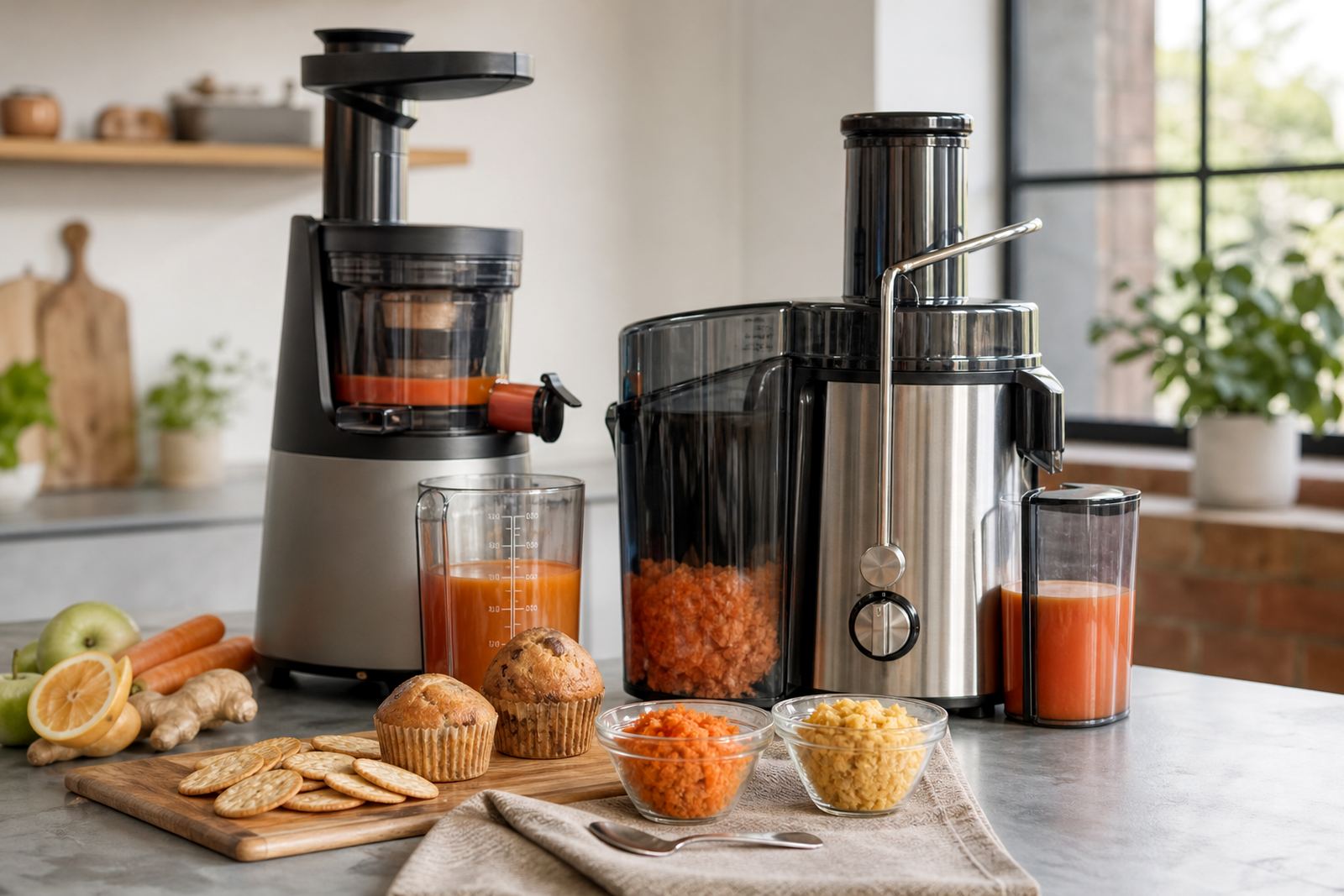
People often expect one machine to be best at everything, but home use is more ordinary than that. A centrifugal juicer is handy when you want speed, especially for apples, carrots and similar hard produce. A slow juicer can feel steadier for softer fruit, leafy greens and mixed batches where you want less splatter and a more controlled pour.
Cold presses sit closer to the slow side of the family, because the method relies on pressure rather than fast spinning. For many homes that means more attention to preparation and cleaning, but less mess around the lid and bench top. The real choice is usually between speed and control, not good and bad.
Here is the plain version:
- If your main need is fast juicing before school runs, a centrifugal model usually suits.
- If you prefer a slower routine and quieter operation, a masticating model is worth a look.
- If you want the gentlest pressing method, a cold press unit sits in that camp.
Local power cuts and voltage swings change the buying checklist
South African homes do not always enjoy stable power, and that affects how an appliance feels over time. A juicer with a strong motor and sensible overload protection is useful when the supply is inconsistent. It also helps if you do not run the machine through a long extension lead that can heat up or cause a weak connection.
In older homes around Stellenbosch or parts of George, plug placement and counter height can be awkward. In apartment kitchens in Johannesburg or Pretoria, storage space can be tight. These details sound small but they decide whether the machine gets used every week or stays in the box.
- Check where the plug point is before you choose a model.
- Keep the cable dry and away from hot plates and sinks.
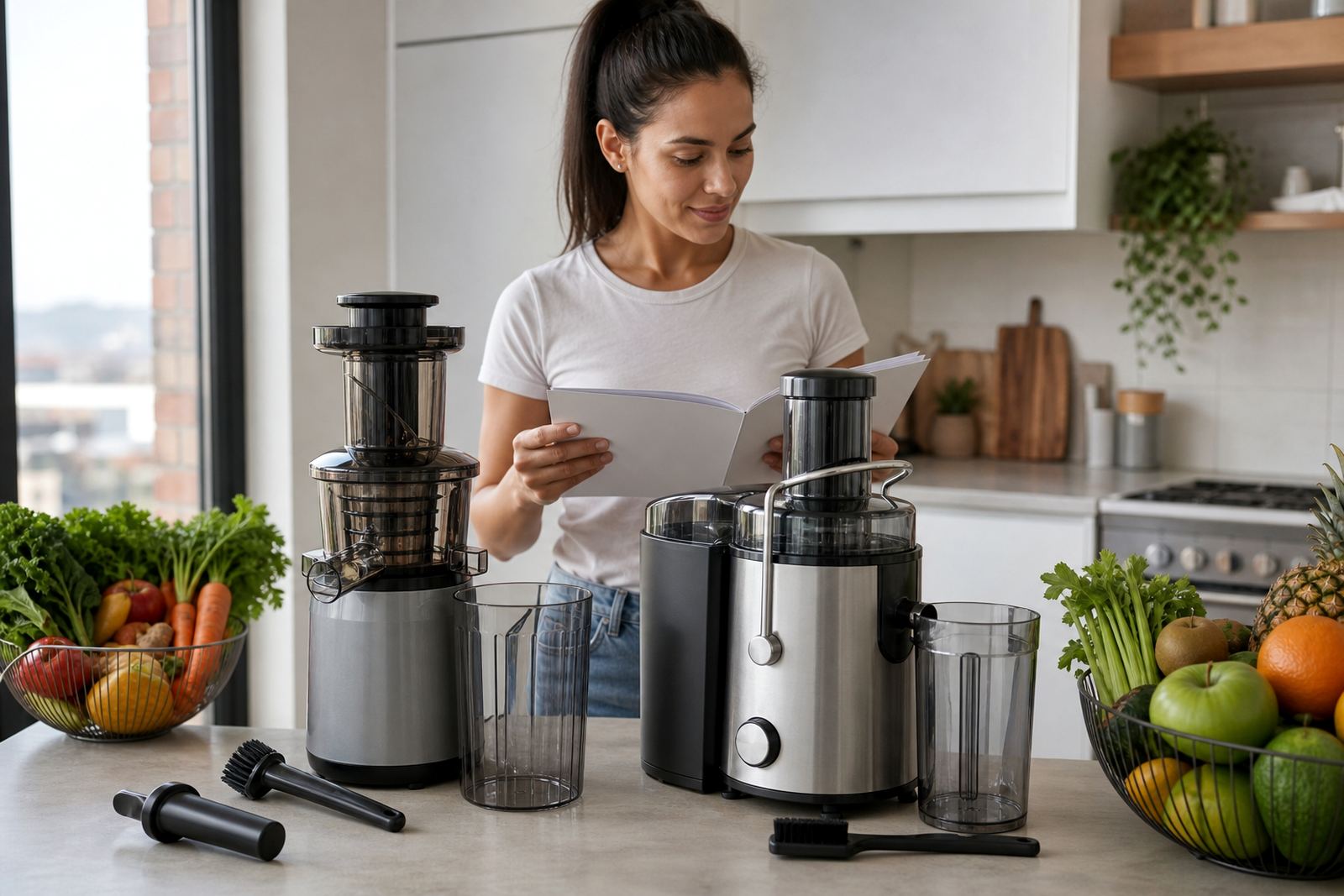
- Ask about spare seals, screens and cleaning brushes before you buy.
Spare parts and support matter more than glossy features
A juicer that works well on day one should still be manageable after months of daily use. Screens clog, seals wear, and feeding parts can crack if they are forced. That is normal wear, not a fault in every case. What matters is whether the machine can be maintained without drama.
At MiniPress in Paarden Eiland, Cape Town, support is set up around ordinary home use: first time setup, deep clean guidance, seal replacement, screen care, leak troubleshooting, noise vibration checks, storage care, cable plug checks, brushes and tools, routine care plans and video support calls. If you are in Cape Town Delivery, Johannesburg Delivery, Durban Delivery, Pretoria Delivery, George Delivery, Stellenbosch Delivery or Somerset West Delivery, the same practical support approach applies.
If you are comparing slow or centrifugal models for the first time, think less about labels and more about your routine, your counter space, and how often you will clean the parts. That is usually where the right choice shows itself.