Why the opening at the top changes the whole routine
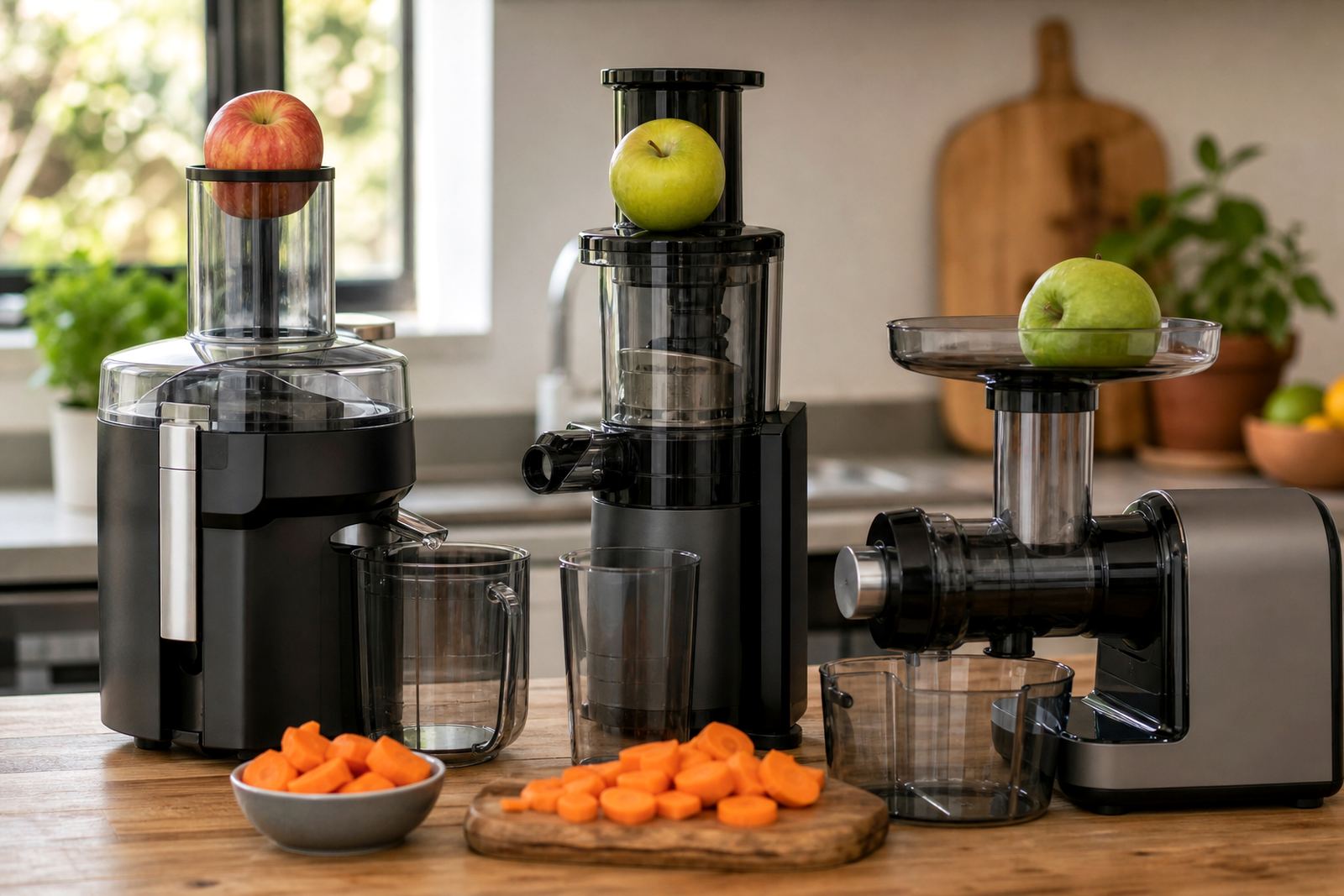
The feed chute is the opening where fruit and vegetables go in before they reach the auger, blade or spinning basket. On a slow masticating juicer, a narrower chute usually means more prep at the cutting board because pieces must be trimmed to fit. On a centrifugal juicer, a wider chute can take larger chunks, but the machine still works best when hard produce is cut sensibly and not forced in all at once.
That opening affects more than speed. It changes how you handle carrots, apples, celery and leafy greens, how much juice you try to push through in one go, and how often you stop to clear the path. In a busy kitchen, that small difference can decide whether juicing feels orderly or a bit of a faff.
Wide chute or narrow chute: what each one asks of you
A wide feed chute is useful when you want less chopping and fewer cuts before starting. It suits households that use whole apples, halved citrus, or longer sticks of vegetables. A narrower chute asks for more knife work, but it can give you more control over what enters the machine and in what order.
- Wide chute: less pre-cutting, faster loading, but you still need to watch for oversized pieces jamming the path.
- Narrow chute: more prep time, more even feeding, and often better control with softer ingredients.
- Small mouth opening: good for careful feeding of mixed produce, though it asks for patience.
- Large mouth opening: handy for family use, but it can tempt people to rush and overfill the chamber.
With cold presses and slow masticating units, the goal is steady feeding, not cramming. If the chute is generous, it helps only when the rest of the machine is matched to the job.
Chopping time is not just a time issue
More chopping time means more knife handling, more boards on the counter and more parts to wash afterwards. A wider chute reduces that step, but it does not remove the need for smart prep. Thick stems, hard pips, and very large pieces can still cause drag, squeaks or stoppages if they are fed without thought.
A chute that accepts larger cuts can help, but only if the machine itself is stable and the ingredients are suitable. Chopping less is useful, yet neat cutting still protects the motor and helps the output stay even.
- Cut fibrous produce into lengths that feed cleanly instead of twisting in the chute.
- Trim bruised sections so soft pieces do not block the opening.
- Remove hard stones, large seeds and inedible skins where needed.
- Work in small batches so the feed path does not back up.
Ingredient handling for carrots, apples, celery and leafy greens
Different ingredients behave differently at the chute. Carrots are hard and can bounce if the opening is too wide and the plunger is used too roughly. Apples move quickly and can bruise if they are pushed before the machine has caught up. Celery and leafy greens are flexible, so they may need bundling or folding before feeding.
A good chute size gives you room to place ingredients without forcing them. That matters for safety too. Fingers should stay clear, the pusher should do the work, and produce should be dry enough not to slip. For households in humid Durban or coastal parts of Cape Town, damp surfaces can make the top of the machine slick, so a tidy prep area helps keep things controlled.
- Hard produce: feed one piece at a time and avoid leaning on the plunger.
- Soft fruit: use firmer handling so the opening does not clog.
- Leafy items: gather into a loose bundle before feeding.
- Mixed batches: alternate soft and hard ingredients to keep the chamber moving.
Cleaning starts with what passes through the chute
The feed chute affects cleaning because every piece that enters it leaves traces behind. Pulp, fibres and sticky fruit sugars can collect around the top, especially if the machine is stopped and started often. A wider chute may be easier to wipe by hand, while a narrow one can need a small brush to reach corners and grooves.
Food safety is mostly about prompt cleaning, dry storage and proper handling of raw produce. Wash ingredients before use, especially anything with soil on the skin. Rinse removable parts soon after juicing, because dried pulp is harder to clear and can hold on to odours. If you wait too long, the screen or basket may need a deeper clean rather than a quick rinse. That is where routine care saves time later.
- Unplug the machine before cleaning.
- Remove pulp and rinse parts before residue dries on.
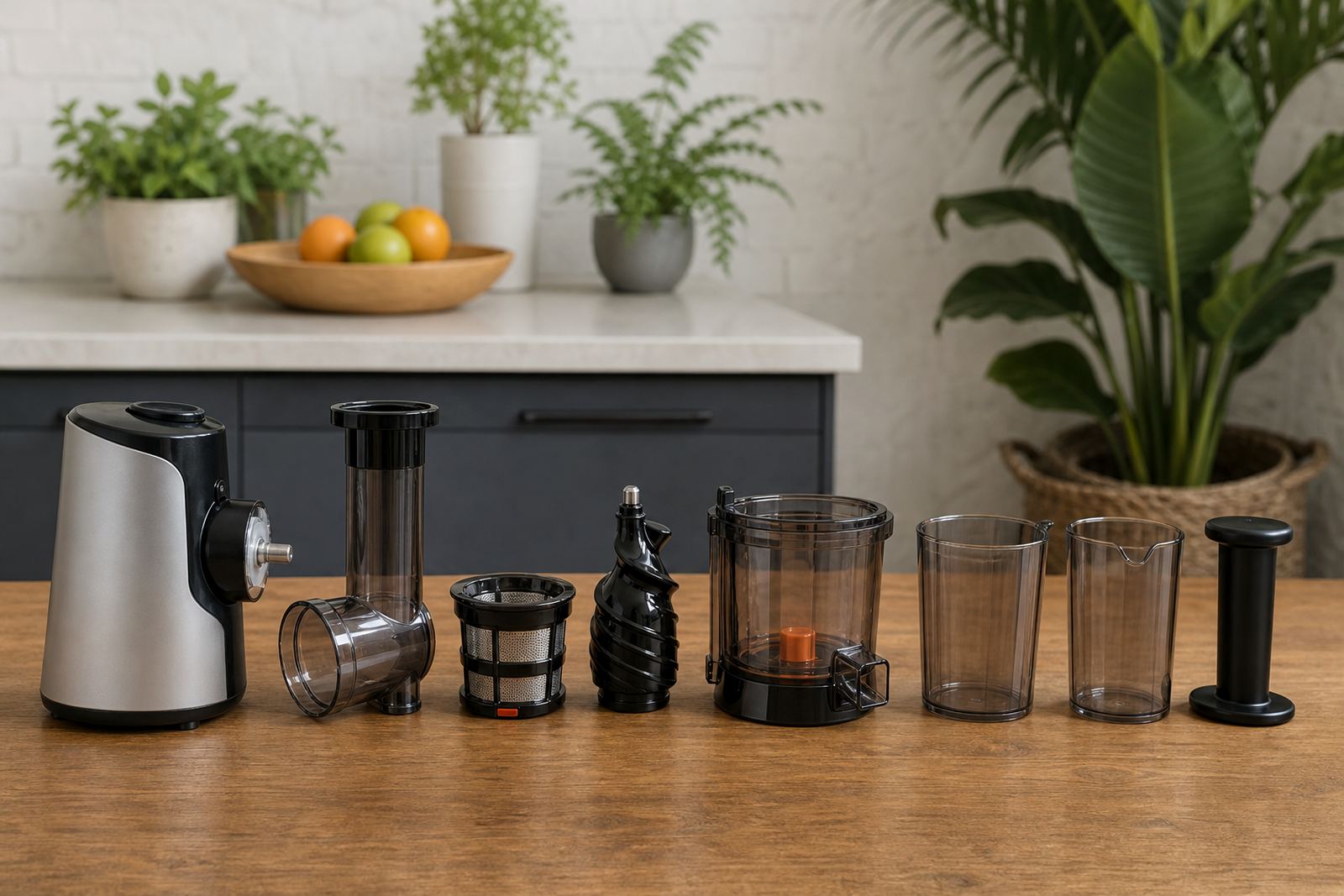
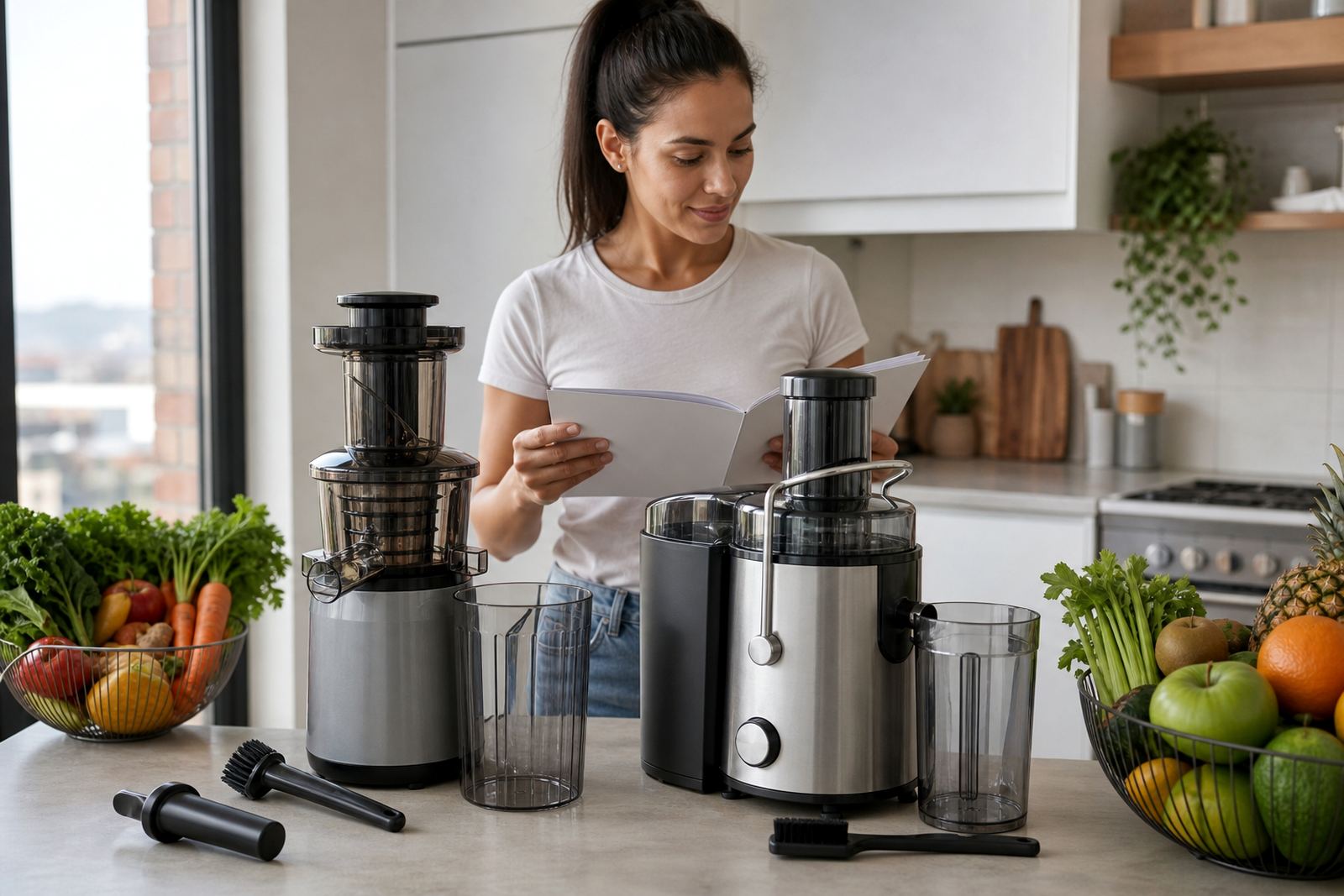
- Use brushes for screens, seals and small channels.
- Let washed components dry fully before storage.
A Paarden Eiland kitchen lesson from a Saturday morning order
A small family in Somerset West wanted a machine for weekend use and asked about chute size because they were tired of chopping every apple into tiny pieces. They also had celery, cucumber and carrots in regular rotation, and wanted less mess around the counter. The answer was not just about choosing a bigger opening. It was about matching the chute to the way they work, the age of the machine, and how much space they had for prep and cleaning.
In practice, a wider chute helped them cut fewer pieces, but they still needed a steady rhythm. Too many chunks at once caused the feed to stall, and the pulp bin filled unevenly. Once they slowed the feed and kept the ingredients similar in size, the juicer behaved better. That is a common outcome. The opening matters, but so does the way the machine is used from the first handful to the last.
Choosing the chute that suits the way you actually juice
Think about how often you juice, who will use the machine, and how much knife work feels acceptable in your kitchen. If you want quick morning use with minimal cutting, a wider chute is useful. If you prefer careful prep, smaller batches and more control, a narrower opening may suit you better. Either way, the chute is only one part of the picture, along with motor type, feed pressure, cleaning access and how the machine sits on the counter.
For homes across South Africa, the most practical choice is the one that keeps preparation neat and does not create extra cleaning or safety worries. If the feed chute matches the ingredients you use most, the workflow stays steadier and the machine is easier to live with day after day.