What citrus season does to your juicing routine
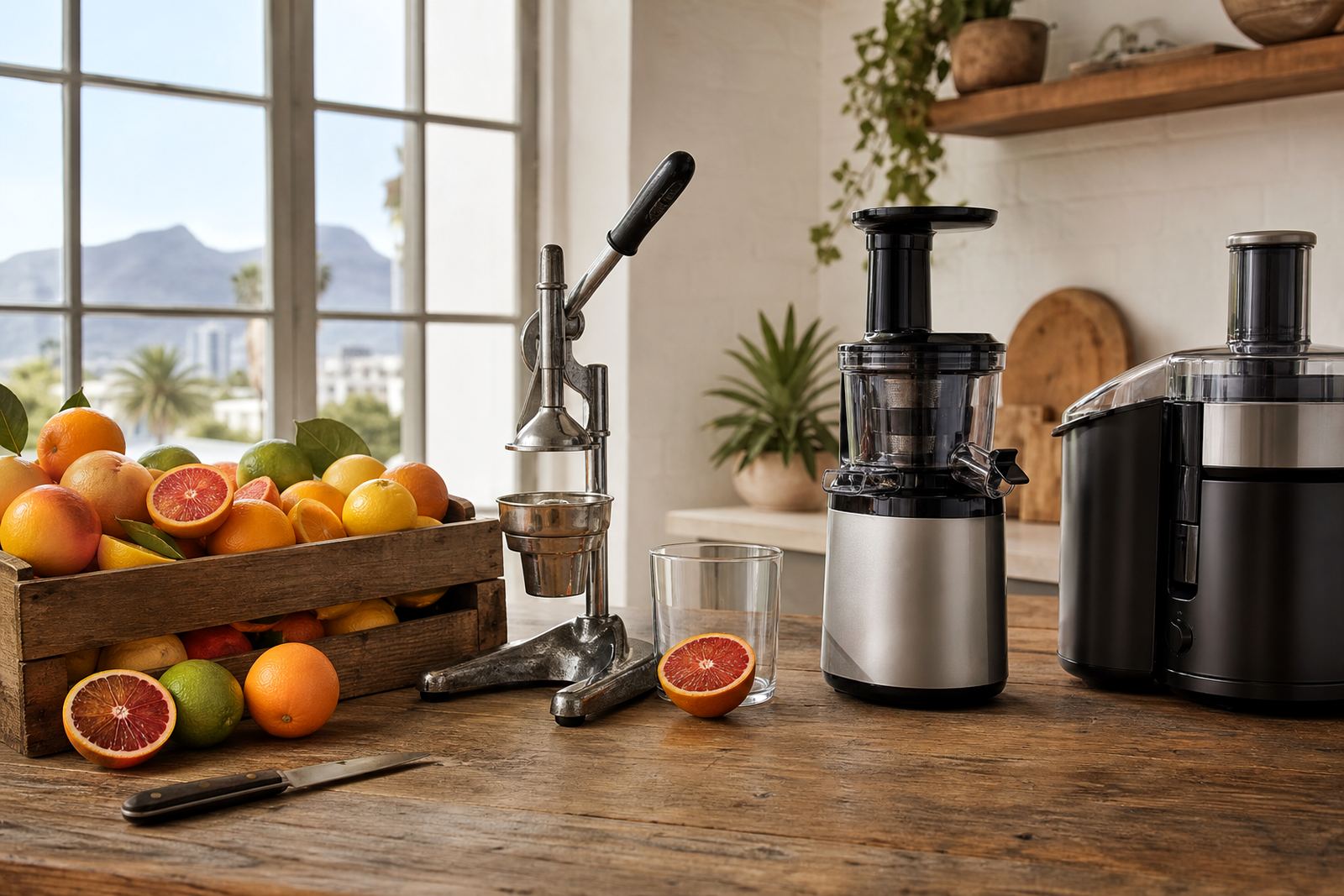
When citrus is at its best, the kitchen gets busier. Piles of fruit from the Orange River, Sundays River Valley or market stalls in Cape Town can mean more juice, more peel, more pips and a lot more cleaning afterwards. That is where the type of juicer matters. A slow masticating unit works at a lower speed and is better for softer extraction, while a centrifugal juicer is quick and suits larger batches when you are working through crates. A cold press machine is often chosen for steady pressing and a cleaner pour, especially when the fruit is peeled and prepared carefully.
For home use, the practical question is not which machine sounds fancy, but which one fits the fruit in front of you. Oranges with thick peel need proper trimming. Naartjies release juice quickly and can create a sweeter, lighter batch. Lemons are small and sharp, so you often need to combine them with other citrus or use them as a flavour add on. Grapefruit carries more pith and can leave a bitter note if the white membrane is overworked.
Peel, pith and pips deserve more attention than people think
Good citrus handling starts before the machine is switched on. Wash the fruit under running water and dry it properly so grit does not end up on the feed chute or pressing parts. If the peel is rough or waxy, scrub it lightly with a clean vegetable brush. For oranges and grapefruit, remove damaged spots and trim away thick ends. Naartjies are usually easier to peel, but the segments still need checking for pips.
Too much pith can make juice taste bitter, so it helps to cut carefully and keep the white layer to a minimum. This is especially useful with grapefruit, where a little too much pressure can change the flavour quickly. If you are preparing fruit for a centrifugal juicer, cut it into sizes that feed evenly. For a slow masticating juicer or cold press, smaller pieces reduce strain and help the auger or press work evenly.
- Wash and dry fruit before cutting, especially if it came from a roadside stall or packing box.
- Remove soft bruised sections, because they can affect the taste and shorten storage time.
- Sort out pips before juicing to cut down on blockage and extra straining later.
- Use a clean cutting board and keep raw meat or fish well away from the juicing area.
Which machine suits which citrus job
There is no single machine for every home. A centrifugal juicer works fast and is useful when you are processing a lot of fruit in one go, such as over a weekend in Durban when the family is visiting and the kitchen is already busy. It is easy to feed and usually good for firmer citrus pieces, but it can be noisier and may need a firmer clean afterwards because pulp tends to spread more.
A slow masticating juicer is a better fit when you want a calmer pace and tighter control over the juice flow. It handles citrus well when the fruit is peeled and fed properly. A cold press unit is useful for people who want low-speed pressing and less foam in the jug.
- Centrifugal juicer: quick, suited to higher volumes, more foam and faster clean-up work.
- Slow masticating juicer: lower speed, steadier extraction, often quieter in a small kitchen.
- Cold press: careful pressing, good for controlled batches and tidy pouring.
Food safety begins with the sink and the cutting board
Citrus is often treated as low-risk because of its peel, but the kitchen still needs proper hygiene. Wash hands before handling fruit, and keep knives, boards and containers clean. If the same board was used for raw chicken earlier, do not use it for oranges without a full wash in hot soapy water. In warm weather, especially along the coast where humidity builds quickly, fruit pulp should not sit out for too long.
Fresh juice is best treated like any other perishable kitchen item. Chill it soon after pressing if you are not serving it straight away. Use clean jugs with lids and do not top up old juice with fresh batches. If you are making juice for a family braai in Somerset West or a school morning in Pretoria, prepare only what you can keep properly cold. A refrigerator shelf near 4 degrees C is safer than leaving a jug on the counter while the kettle boils and the toast pops.
Cleaning citrus residue before it turns sticky
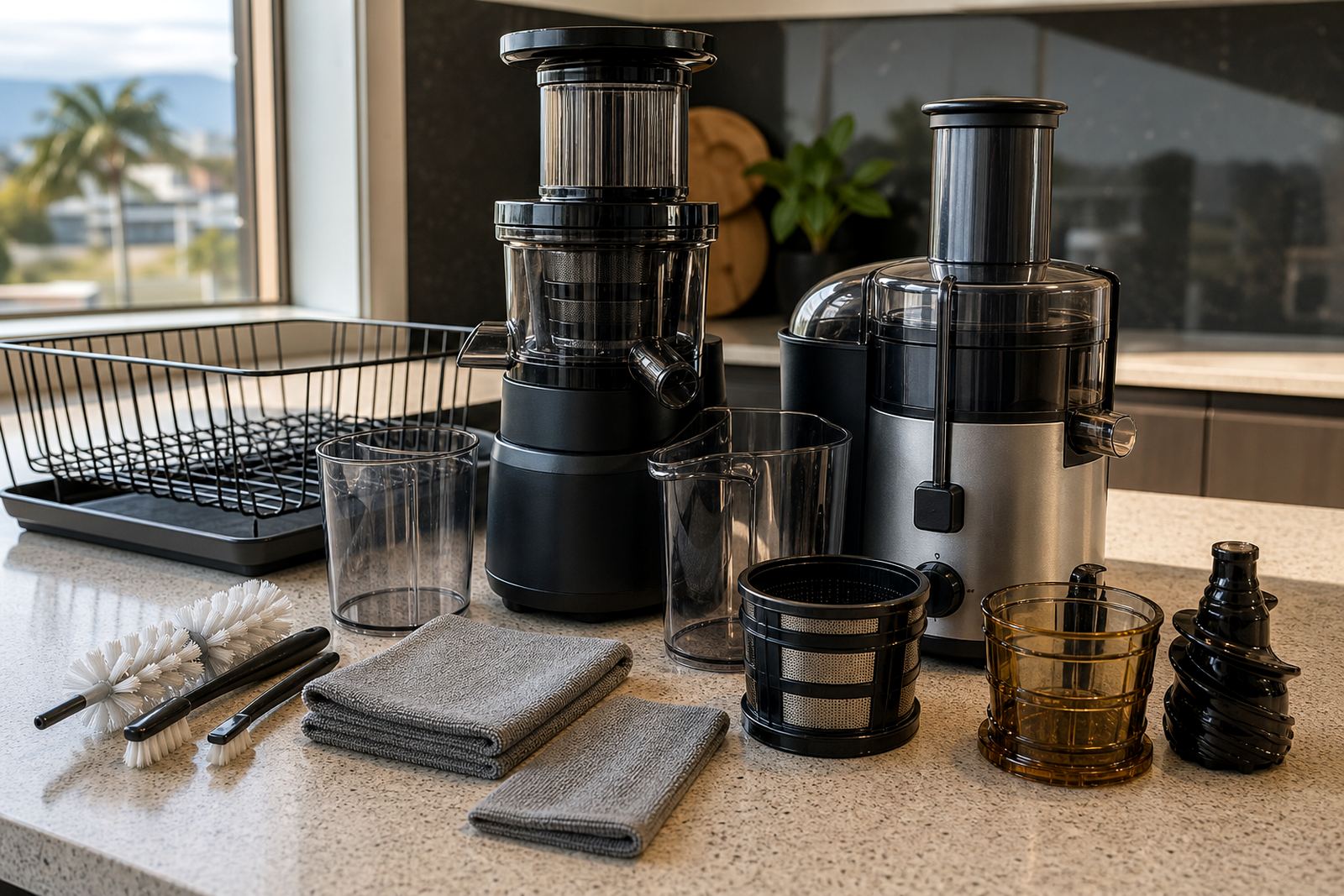
Citrus sugars dry into a sticky film that catches dust and pulp. This is why cleaning matters as much as the juicing itself. Rinse removable parts soon after use, before the pulp hardens in the screen or press chamber. A soft brush helps with mesh screens, narrow spouts and small corners around seals. If you wait until the next morning the job gets harder, and the smell starts hanging around the sink.
Pay attention to seals, screens and the feed area, because citrus acid can sit in creases and cause wear over time. Let parts dry fully before reassembly to avoid trapped moisture. If your machine has a cable or plug, keep that area dry and clear of water splashes. On busy days in Johannesburg or Cape Town delivery homes, a two minute rinse and a proper air dry can save a much longer scrub later.
- Rinse parts straight after use with warm water.
- Use a brush on mesh screens and small corners where pulp gathers.
- Dry everything before storing, especially seals and lids.
- Wipe the base with a damp cloth only, never immerse electrical parts.
A local kitchen scene from Paarden Eiland to George
Picture a Saturday in Paarden Eiland. The fruit box has oranges from the Cape Flats, a few lemons for cooking and a bag of naartjies from the weekend market. The machine is on the counter, the sink is ready, and the chopping board has been cleared. The first batch goes through cleanly, but the grapefruit is held back for later because it needs more careful trimming. That small choice keeps the flavour better and reduces waste.
Now picture the same routine in George where cooler air and higher moisture can leave fruit sitting longer in the bowl. A quick sort becomes important. Soft fruit goes first, firm fruit is kept separate, and any damaged citrus is used early. That is the practical side of seasonal kitchen work. It is not about chasing a perfect result, it is about keeping the process tidy, safe and manageable when the fruit arrives in bulk and the day is already full.
Keeping the machine ready for the next crate
Seasonal juicing works best when the machine is ready before the fruit arrives. Check that the screen is not blocked, the seals sit properly and the feed chute is clear. Listen for unusual noise or vibration, because a loose part can show up as rattling or uneven output. If the juice starts leaking from an edge, stop and check the gasket or fitting before carrying on.
For homes that use a juicer every few days, a routine care plan helps keep things orderly. A quick brush kit, spare seals and simple screen care can make the difference between a smooth morning and a frustrating clean-up. If you are using a cold press or slow masticating unit through the citrus season, store the parts dry, keep the plug away from moisture and avoid forcing hard peel through the feed area. That keeps the machine useful for the next round of oranges, naartjies, lemons or grapefruit, without turning the counter into a mess.