The grit that hides in carrots, beetroot and sweet potato
Root vegetables often carry more than just surface soil. Sand, tiny stones and bits of fibrous skin can sit in creases near the top, around the tail end and in the eyes of older produce. If that grit goes straight into the juicer, it can mark the screen, dull the blade on some machines, and leave a rough feel in the finished juice.
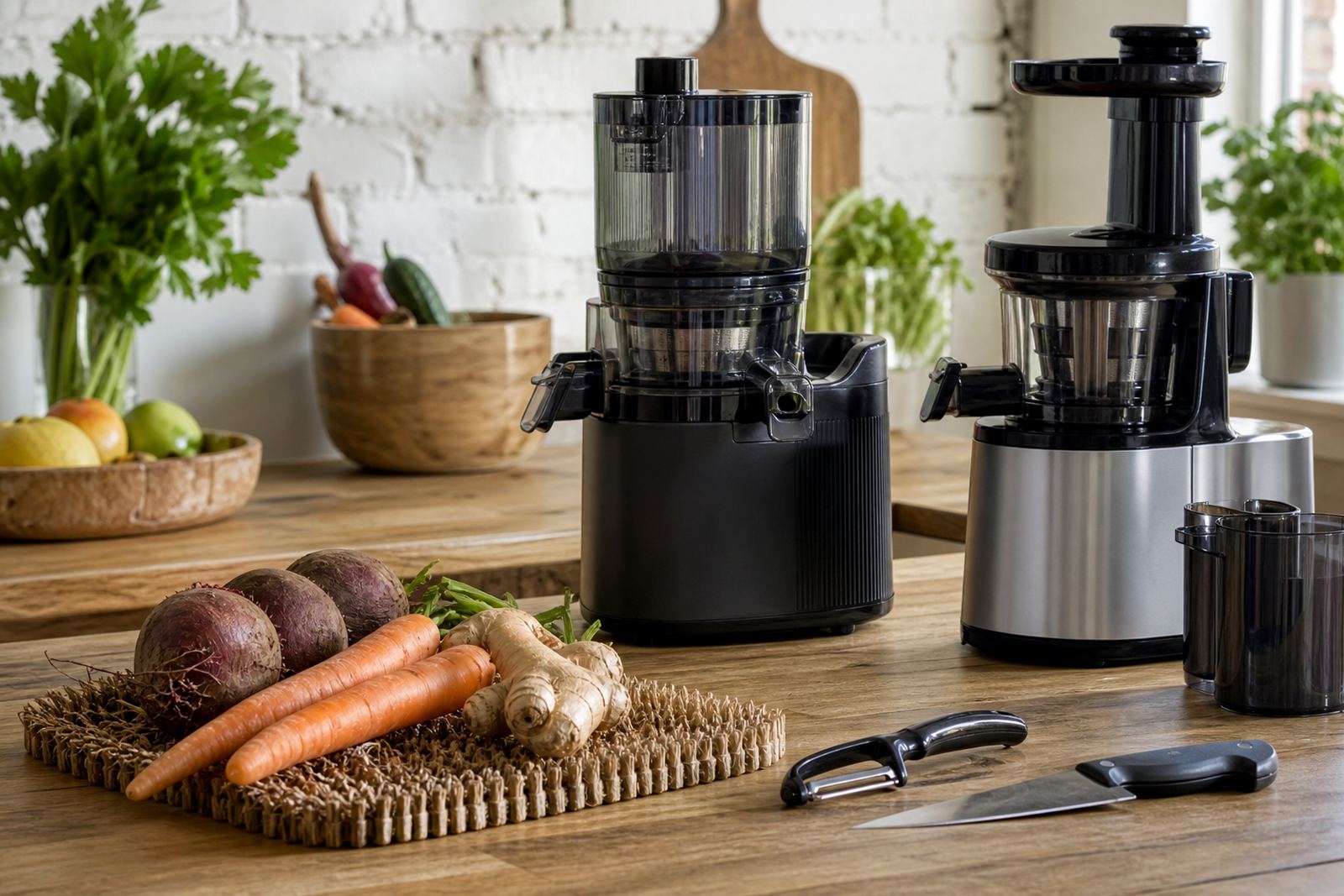
Start by rinsing under running water and rubbing firmly with a vegetable brush. Pay extra attention to knobbly beetroot, carrots with fine root hairs, and sweet potato with patches of loose skin. If the produce has been stored in a fridge drawer or cool room, let it warm up briefly before washing so condensation does not make the peel slippery.
- Rinse before peeling so dirt does not spread across the cut surface.
- Brush along the length of carrots and parsnips, not just across them.
- Trim muddy tops and any soft spots before cutting.
- Use a separate board for roots if you are also handling leafy greens or cooked food.
Cutting shapes that feed a juicer without a fight
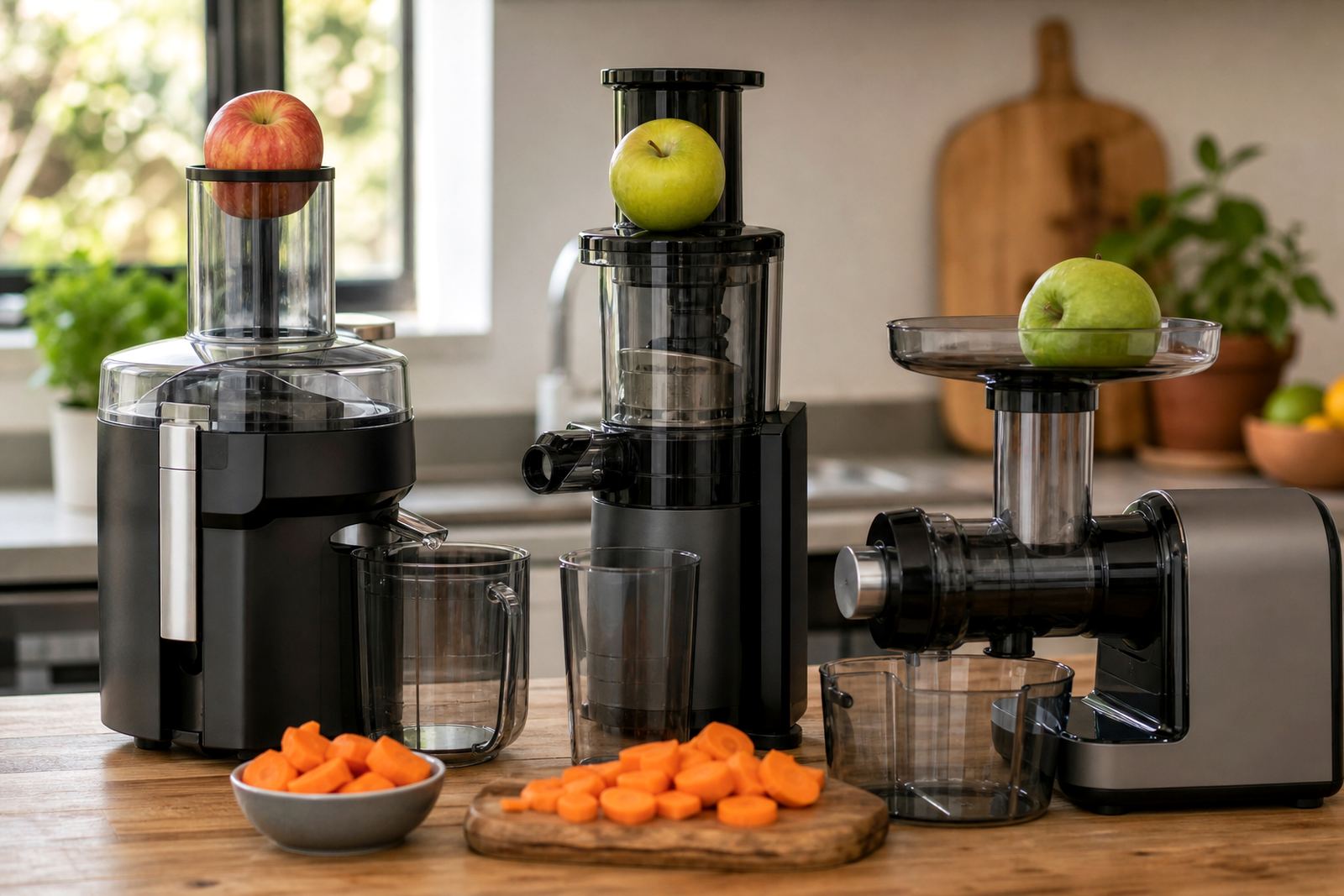
Most home juicers work better when produce is cut into even pieces. Long sticks, wedges and small cubes are easier to feed than odd chunks with hard corners. A slow masticating juicer usually handles firmer pieces well, but overloading the feed chute can still cause the auger to stall or pulse unevenly. A centrifugal juicer often prefers smaller, lighter pieces because it works at speed and can bounce fibrous bits around. Cold press systems are happiest when the feed is steady and the pieces are close in size.
A useful rule is to cut root veg to match the opening of your machine, but leave enough room for the pusher to work safely. If a carrot is thick at one end and skinny at the other, split the thick end first. For beetroot, halve or quarter larger bulbs so the hard centre is exposed and the juicer does not have to bite through one bulky piece at a time.
- Cut carrots into batons if the feed chute is narrow.
- Slice beetroot into wedges for easier grip and flow.
- Remove woody ends from older sweet potatoes and parsnips.
- Keep pieces similar in size so the feed is more even.
Peel or no peel, depending on the skin and the job
Not every root vegetable needs to be peeled, but food safety and taste both matter. If the skin is thin, clean and free of bruising, a thorough scrub may be enough. If the skin is thick, damaged, or has been sitting for too long in a warm kitchen, peeling can make sense. The same applies when the outer layer is dusty from market handling or bag storage.
For home use, consider the condition of the produce rather than a one-size-fits-all rule. South African households often keep a mix of produce from a supermarket, a fresh produce market, and a veggie box, so skin quality can vary quite a bit. A beetroot from a cool fridge drawer may need only a scrub, while an older potato with sprouting eyes should be trimmed more carefully and used promptly or discarded if it has gone soft.
- Peel if the skin is tough, dirty or bruised.
- Scrub well if the skin is thin and sound.
- Cut away green, shrivelled or sprouting areas.
- Rinse knives and boards after handling unpeeled roots.
How to handle hard produce without overworking the machine
Firm produce puts more load on any juicer than soft fruit does. That is why a steady feeding rhythm matters more than force. With a slow masticating machine, allow the auger to draw the pieces in rather than pushing hard. With a centrifugal model, avoid crowding the chute, because speed can create uneven extraction and extra vibration. Cold press units also need time to work through dense fibre, especially with carrots and beetroot.
If the machine starts to labour, stop and check the cut size before continuing. Fibre caught in the screen can reduce juice flow and make cleaning more difficult later. Some firm veg, especially older carrots, can have a dry woody centre that does not break down neatly. Removing the toughest core helps keep the feed smoother, and less stress on the motor too.
- Feed small batches instead of stuffing the chute full.
- Alternate hard pieces with softer ones where the recipe allows it.
- Listen for changes in the motor sound and pause if needed.
- Clear fibre from the screen before it builds up.
Cleaning habits that matter after root veg juice
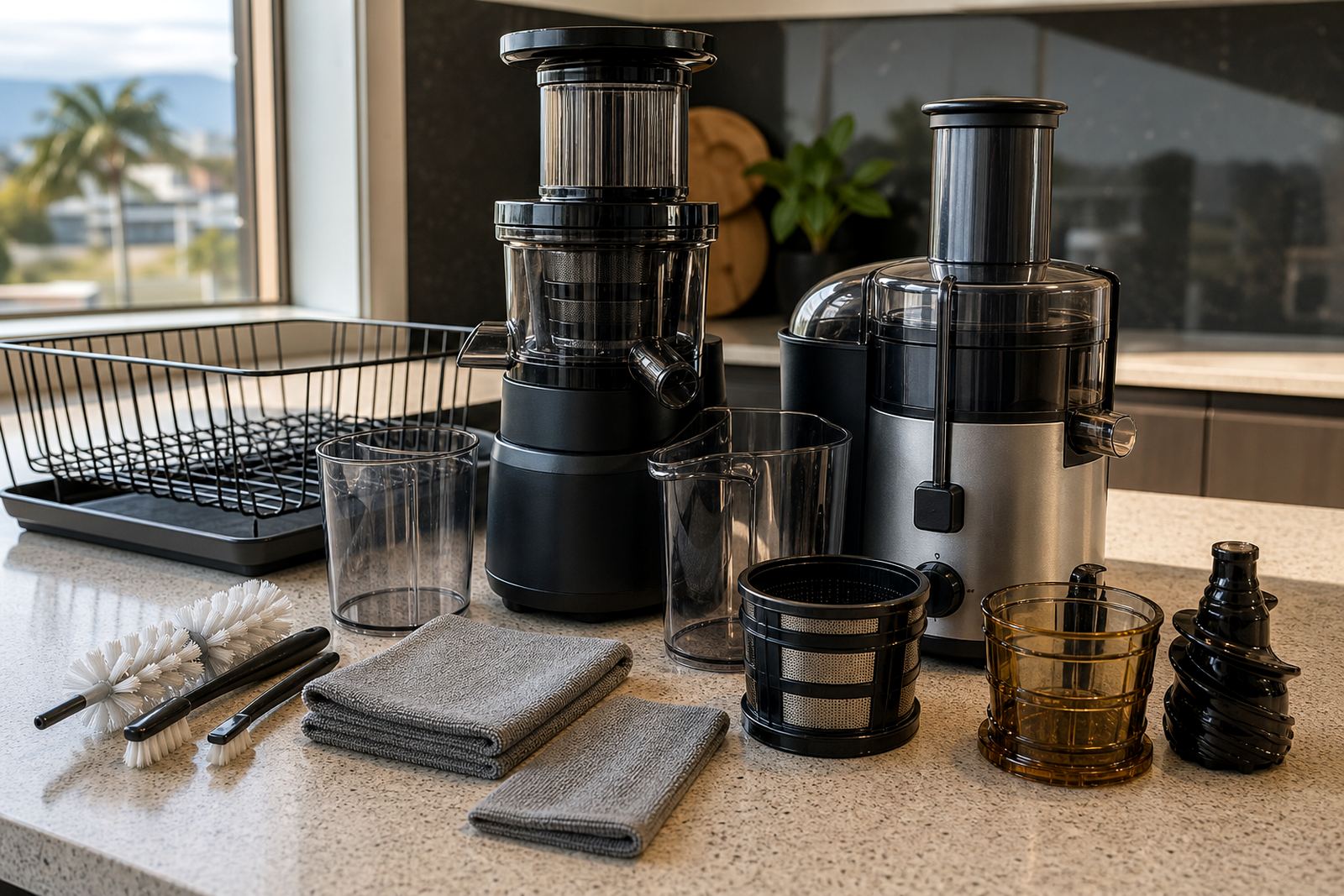
Root vegetable juice can leave staining and a fine sediment inside the bowl, screen and pulp outlet. Rinse parts soon after use, before carrot and beetroot residue dries hard. Warm water helps, but very hot water is not always the best first step because it can set certain residues and make them cling. A soft brush, a narrow cleaning tool and clean cloths are usually enough for most parts.
Food safety also depends on drying and storage. Let parts dry fully before reassembling or packing them away, especially in damp coastal areas like Paarden Eiland, Table View or Durban where moisture lingers in the air. If seals, screens or feed parts show wear, replace them before they start to leak or trap old residue. Clean storage lowers the chance of odours, stuck fibre and cross contamination from one batch to the next.
- Rinse screens right after juicing so pulp does not harden.
- Check seals and rubber parts for cracks or flattening.
- Dry pieces fully before storing in a cupboard or crate.
- Keep brushes and tools separate from general kitchen sponges.
A Cape Town prep routine that works on a weekday
Picture a Paarden Eiland kitchen on a busy weekday morning.In that setting, a quick routine helps: wash first, trim second, cut to size, then juice in small batches. That order saves time and reduces mess on the counter.
It also makes cleanup easier when power is uncertain. If the juicer needs to stop midway, the cut pieces can sit covered in the fridge for a short time rather than being left on the board. For homes in Johannesburg, Pretoria, Durban, George and Stellenbosch, the same basic prep works. Different towns, same practical result: cleaner roots, easier feeding, and less fuss around the machine.
If you need help with first time setup, screen care, seal replacement, or a leak check after working with hard produce, the MiniPress team in Paarden Eiland can assist through the enquiry form on the contact page.