Give each part a fixed parking place
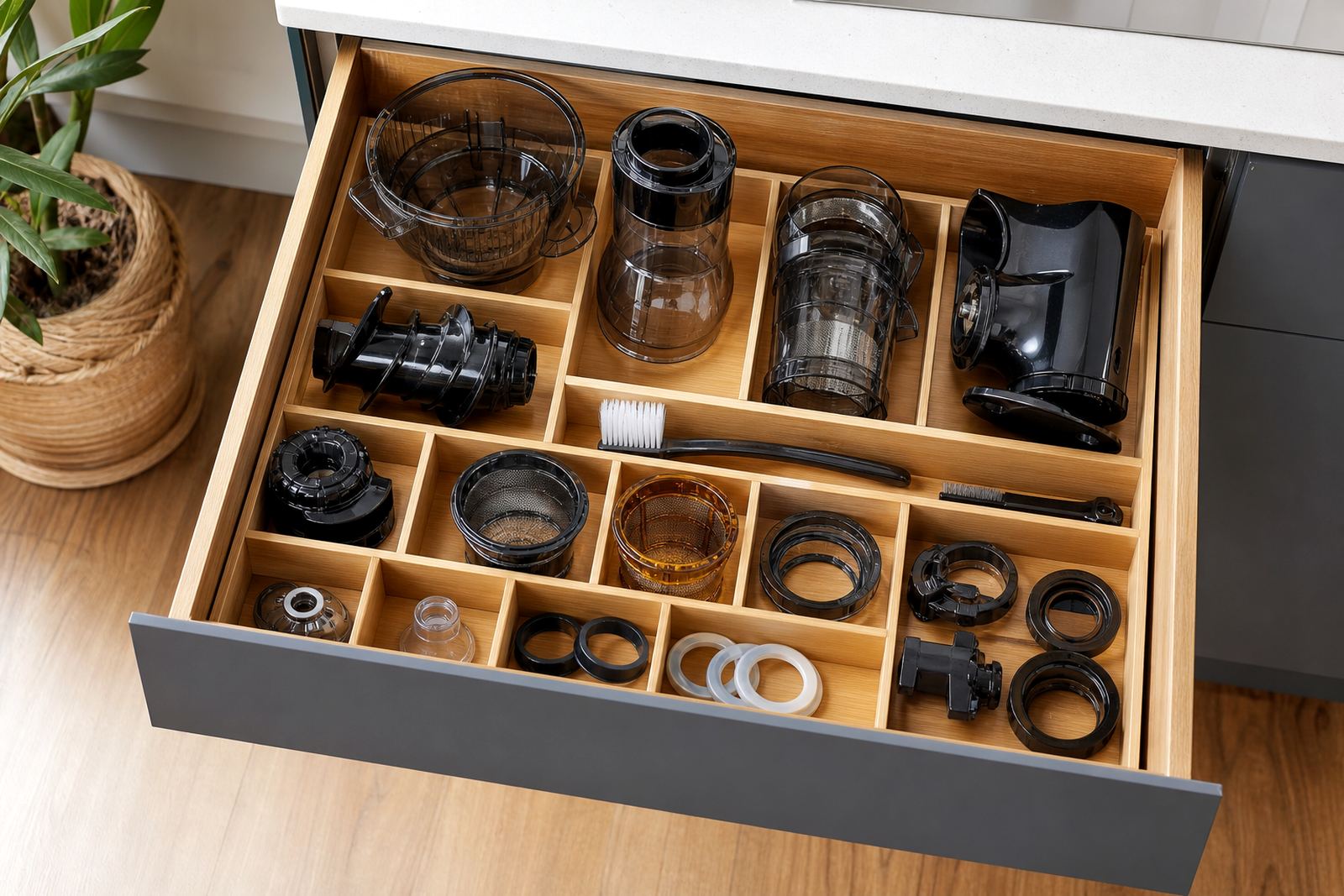
Accessories work best when they have one set spot after every use. Screens, brushes, bottles, lids and seals can be kept in a shallow tub or divided tray so they are easy to see and do not get buried behind tins or food containers. In a busy kitchen, that one habit saves time and cuts down on the odd missing piece.
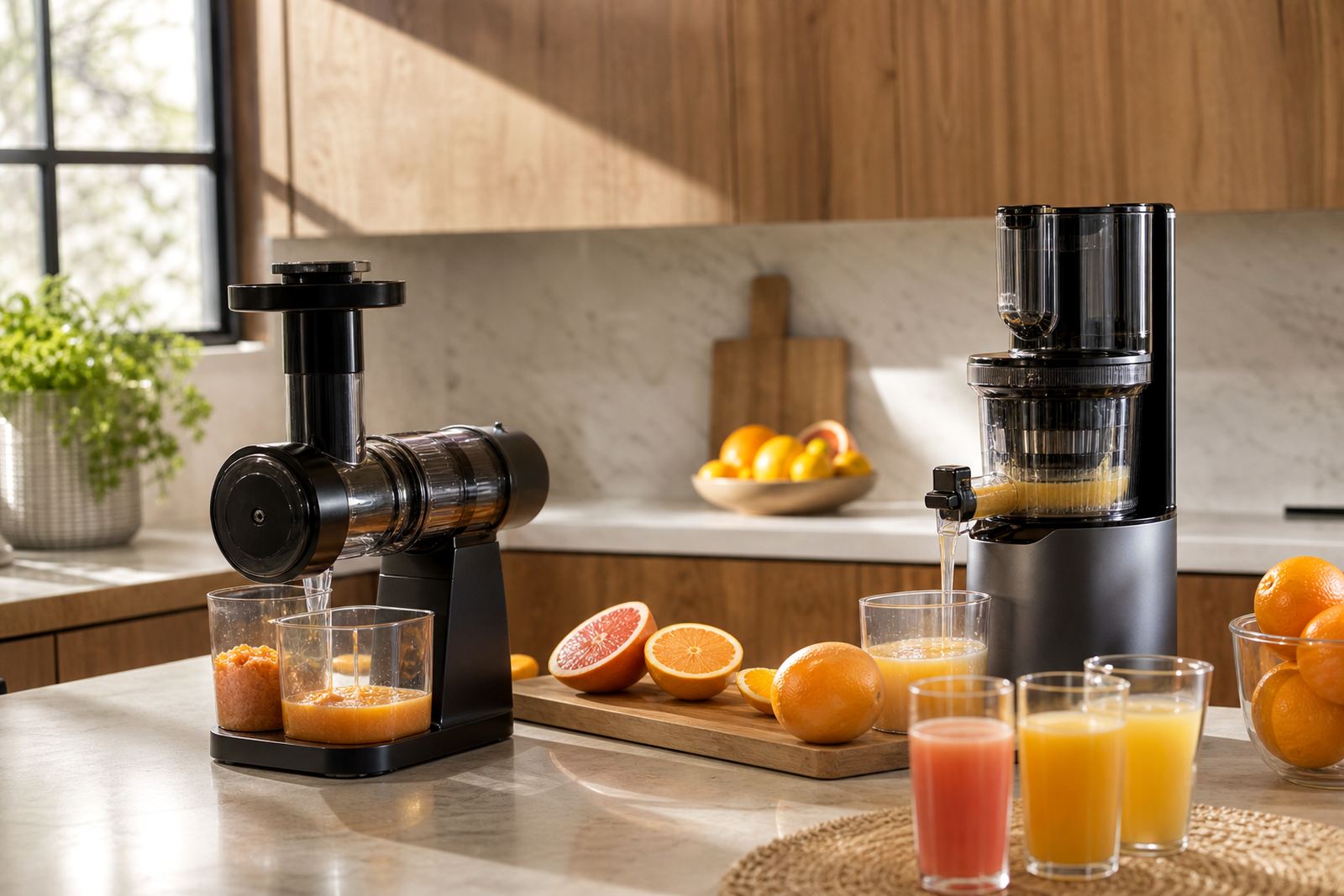
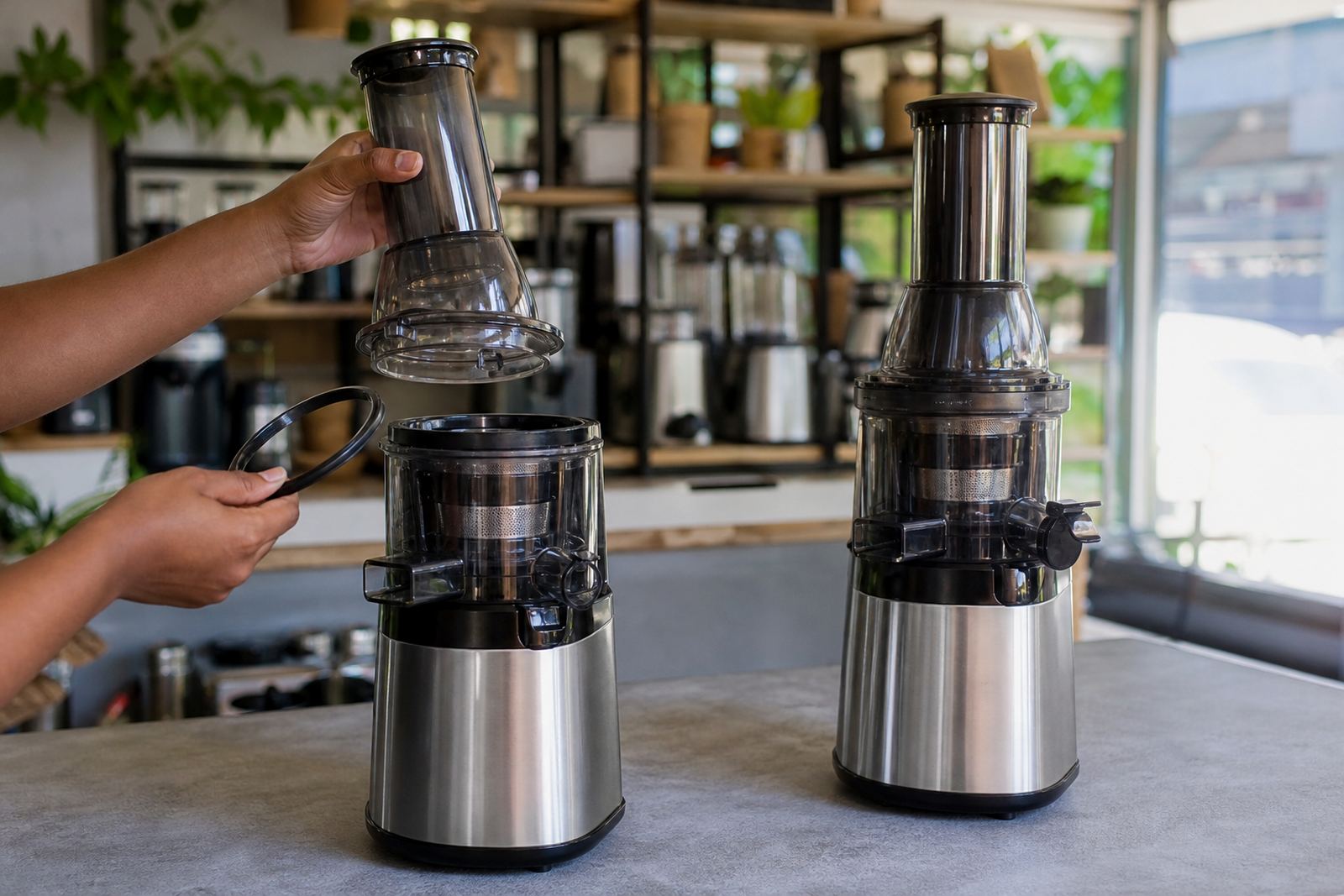
If you use a slow masticating juicer, centrifugal juicer or cold press at home, group the parts by function. Keep juice parts together, cleaning tools together, and loose seals in a small labelled pouch.
Dry first, store second, no shortcuts
Most storage problems start before the cupboard door closes. Any screen, brush or bottle that goes away damp can hold stale smells, stains or residue. Rinse parts soon after use, wash with warm water and mild dish soap, then let them air dry fully on a clean rack or tea towel before packing them away. A damp cupboard in Paarden Eiland or Sea Point can hold moisture longer than people expect, especially in winter.
- Stand bottles upside down so water drains clear.
- Leave lids open until the inside is dry.
- Shake screens gently after rinsing, then let them dry flat.
- Do not stack wet parts on top of each other.
That little bit of patience helps keep accessories cleaner between sessions and makes routine care less of a chore, even if the kitchen is small.
Use containers that breathe, not sealed food tubs
Not every storage tub is a good choice. A fully sealed container can trap moisture if parts are packed away too soon. A vented basket, open caddy or tray with drainage holes is often better for accessories that still need airflow. If you prefer a closed box, make sure every item is bone dry before it goes in.
For food safety, keep accessory storage separate from raw food, cleaning chemicals and pet items. Do not mix juice parts with sponges used for greasy pans, and do not store parts where dust from a garage or workshop can settle on them. In Cape Town homes near the coast, a clean indoor cupboard is usually a better choice than a balcony shelf or outdoor shed.
Screens and strainers need their own care slot
The screen is the part that often needs the most attention. Fine mesh can trap pulp in small holes, so it should not be tossed in with loose cutlery or scrubbing pads. Keep it in a padded tray, a cloth sleeve or a small box with a divider so it does not bend, scratch or pick up lint.
When screens are bent or clogged, juicing can become noisier and slower. If a screen starts to look worn, set it aside for checking rather than forcing it back into service. For owners in Johannesburg or Durban, where kitchens may be used hard every day, a spare screen stored separately can help keep things moving while the main one is cleaned properly.
- Store only one screen per compartment if possible.
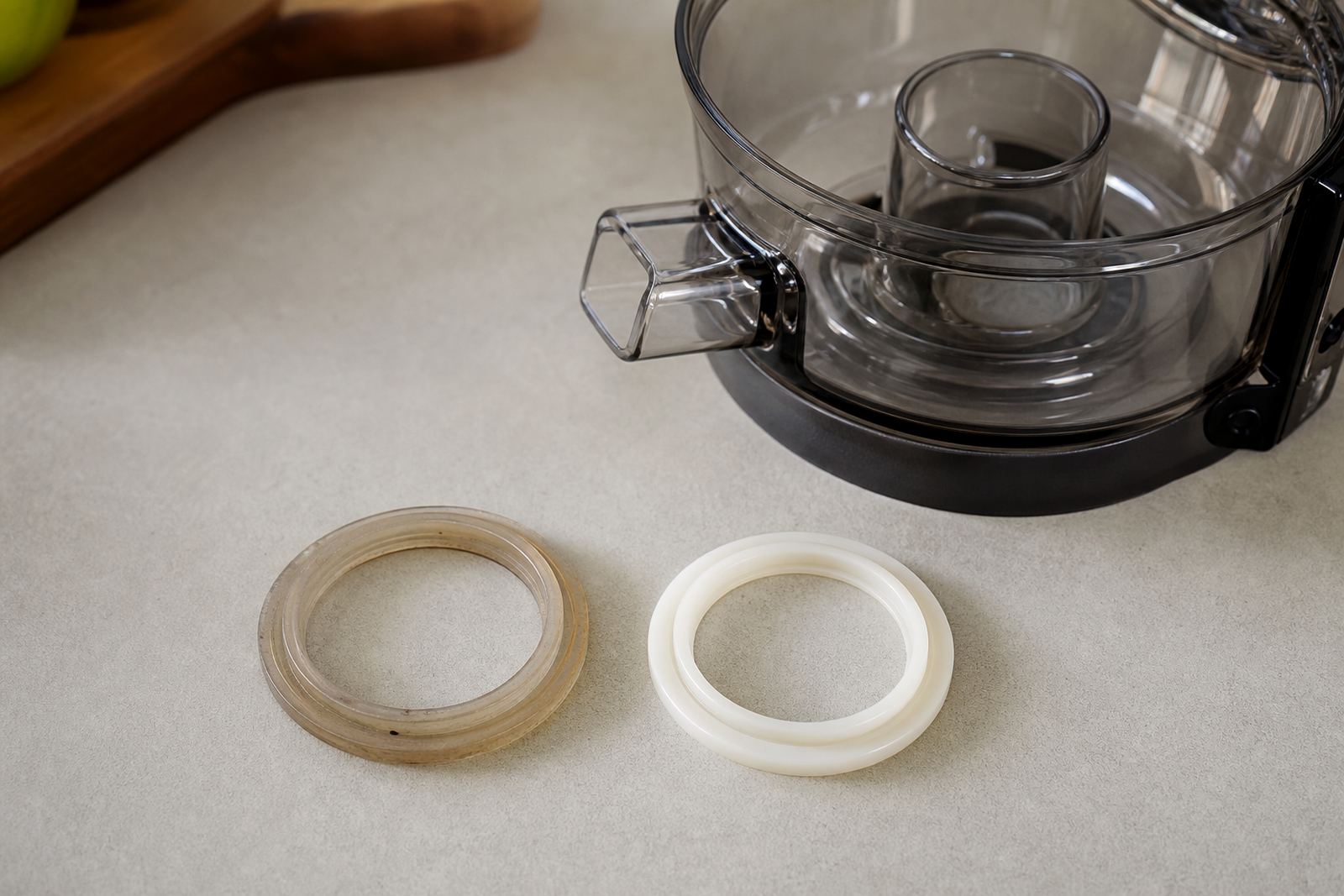
- Keep spare seals in a labelled bag away from heat.
- Wrap fine parts in a clean cloth if they rattle in the cupboard.
Brushes, bottles and lids work better in small groups
Brushes are easiest to lose, and lids often disappear into the back of a drawer. Keep them in a small container near the machine, but not inside the juicer base itself. A narrow jar, mug or divided basket works well for long-handled brushes, bottle caps and measuring cups. If the brush has a hanging loop, use it. If not, stand it bristles-up so it dries out properly.
Bottles and lids should be stored in matching sets where possible. If you use glass bottles, place a soft liner underneath them so they do not chip against a hard shelf. Plastic bottles should not sit near hot stoves or sunny windows, because heat can warp them over time. A little order here makes packing juice for the next morning much easier, and less rushed.
A small routine for shared kitchens and busy households
In shared homes, accessory storage needs to be obvious and fair. If one person uses the machine and another cleans it, label the basket or shelf so everyone knows where parts belong. That is especially useful in Stellenbosch flats, Somerset West family kitchens or student houses where several people use the same cupboard. Clear labels also reduce the chance of pieces being washed and stored in the wrong place.
A simple routine can be done in three steps, dry, sort, store. Keep the same order every time so nobody has to guess. If the machine is used before school or before work, store the cleaned parts together the night before. That tiny bit of planning helps on mornings when there is no time for searching.
- Choose one shelf or drawer for juicing accessories only.
- Use labels for screens, brushes, bottles and lids.
- Check seals and plugs while packing parts away.
- Keep the storage spot away from steam, sinks and ovens.
When to replace, not just re-store
Good storage helps accessories last, but it cannot fix wear. If a seal has become stiff, a screen is damaged, or a brush has split bristles, it is better to replace it than to keep forcing the part back into use. The same goes for lids that no longer close properly or bottles with cracks and cloudy patches.
If you are unsure whether a part is still safe to use, set it aside and check it before the next session. That is practical food safety, not guesswork. MiniPress customers often ask about spare parts help, seal replacement and screen care, because the smallest accessory can affect how neatly a juicer fits into daily use. When parts are stored in one place and inspected now and then, the whole setup stays easier to manage.