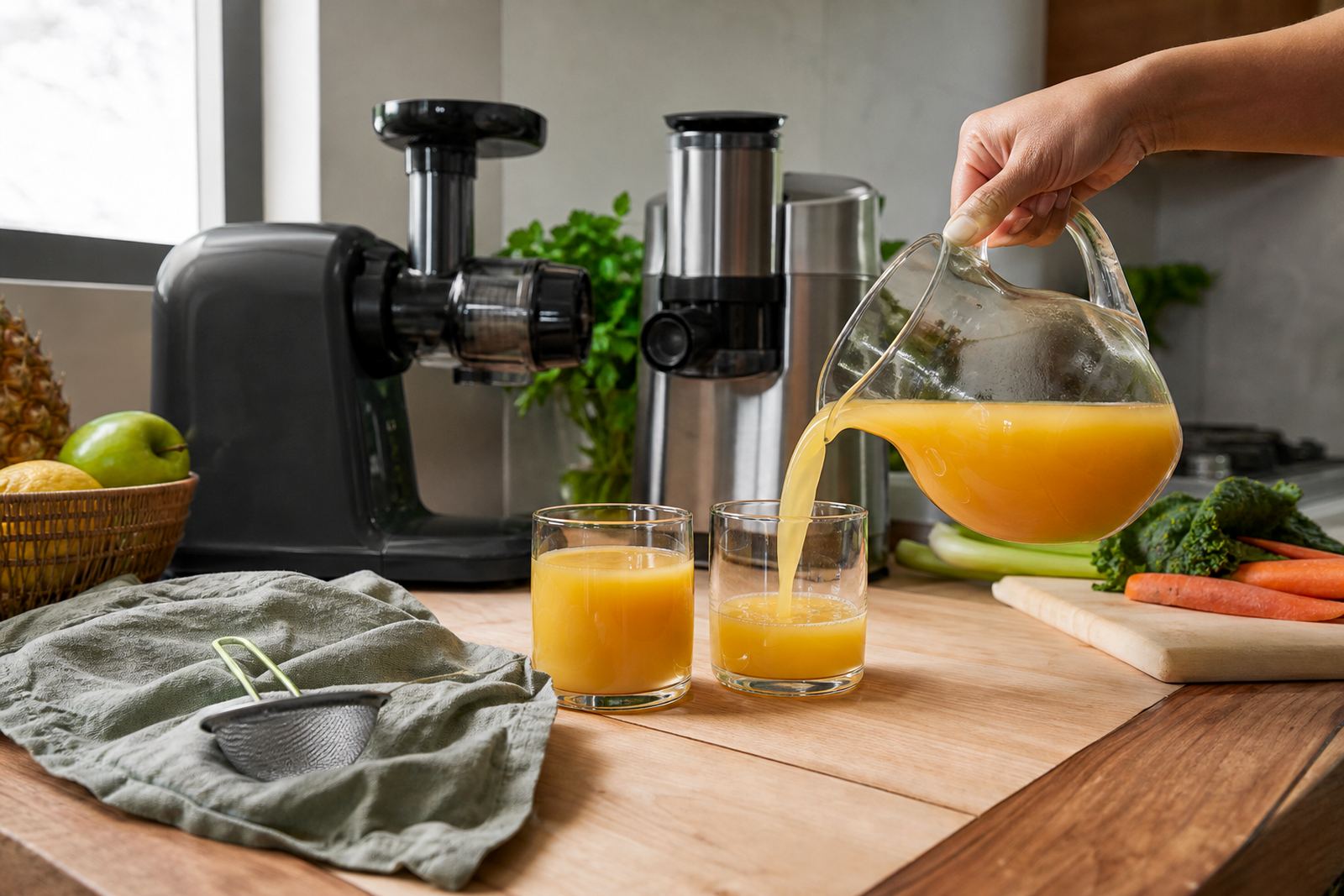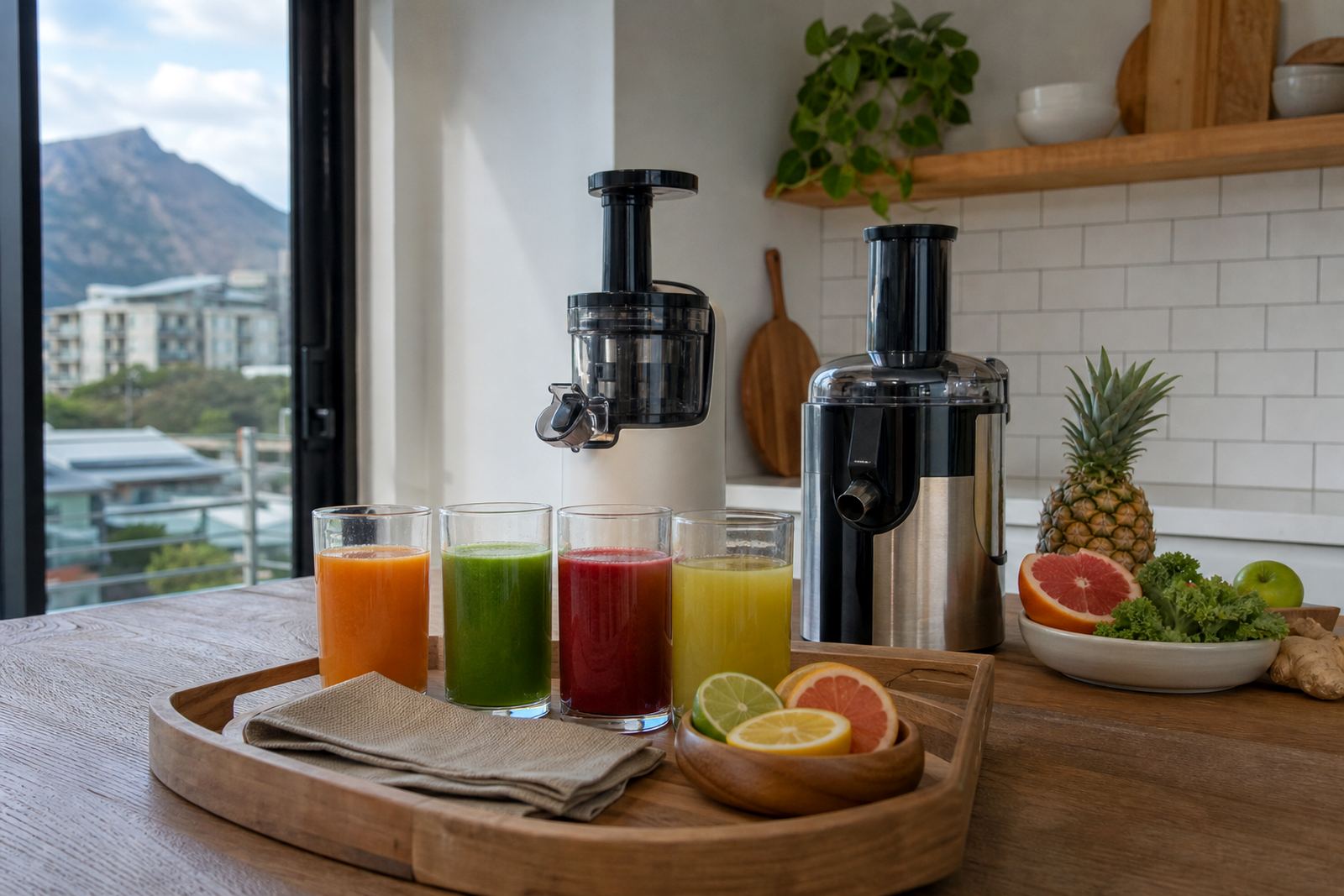
Start with the tray doing the heavy lifting
The tray itself should be flat, steady and large enough for the job. A narrow tray looks neat but it can wobble when a jug and four glasses are added, especially on a tiled floor or while moving through a crowded kitchen in Paarden Eiland or a small apartment in Johannesburg.
Choose a tray with a raised edge so a glass does not slide off if the tray tilts. If the surface is smooth, use a thin non slip mat or a folded linen runner underneath the load. That helps when your hands are busy and the kettle is still boiling or the wind off the coast is pushing a door open in Durban.
- Go for a tray with enough room for the jug, glasses and napkins
- Raised sides help stop items shifting during the walk
- A grip friendly finish is better than a glossy slippery surface
- Lightweight trays are easier to carry but should still feel firm
Place the jug where the weight feels balanced
The jug should sit slightly off centre, not right on the edge, so the tray feels stable in both hands. If the jug is full, place it nearer to the hand that is doing most of the support. This keeps the load balanced and makes turns around chairs or door frames less awkward.
When serving chilled juice, a covered jug is useful because it keeps dust out and reduces the chance of a splash when you move faster than you planned. For hot drinks, use a heat safe jug or carafe and leave space around it so the handle stays easy to reach. A crowded tray looks tidy for a moment, but it is harder to control.
- Keep the jug slightly away from the tray edge
- Leave a clear grip point for your hand
- Match the jug size to the number of people you are serving
- Use a lid or cover where dust, flies or wind are a factor
Glasses, napkins and spoons need their own order
Small items should be arranged in a way that makes sense when you put the tray down. Put the glasses where they will not tip if the tray is nudged, usually in a square or triangle with space between each one. Fold napkins into a simple rectangle or roll them, then keep them beside the glasses rather than under the jug.
If you are carrying teaspoons, stirrers or sugar, keep them in a shallow dish or wrapped together. Loose cutlery can slide and make noise, which is annoying in a quiet dining room and can scratch the tray. The aim is not decoration for its own sake, it is a setup that works in the real world.
- Group glasses with a small gap between each one
- Keep napkins dry and separate from the jug
- Place cutlery in a small holder or bundle it neatly
- Do a quick shake test before walking off
A clean tray is part of food safety
A serving tray should be wiped before use and washed properly after each round of drinks or food. Sticky residue, dust and old crumbs can transfer to glasses and napkins without anyone noticing.
Use warm water and a mild dishwashing liquid for general cleaning, then dry the tray fully so moisture does not leave marks or smell musty. For wooden trays, do not soak them for long periods. For metal or plastic trays, check corners and handles where grime can collect. If a tray is used often, a weekly deep clean helps keep it in good shape.
- Wash the tray after messy use, not only when it looks dirty
- Dry it properly so water marks do not build up
- Check handles, corners and ridges for trapped dirt
- Store it in a dry cupboard away from strong kitchen smells
Where the local setting changes the setup
In coastal areas like Cape Town and George, damp air can make cloth napkins feel heavy if they are stored loosely, so keep them folded in a dry drawer or container. In hotter areas, chilled drinks are best set up close to the table so the tray does not stay loaded for too long. If the home has stairs, uneven paving or a busy passage, a lighter tray with fewer items is usually safer.
A good local example is a Saturday brunch in Stellenbosch. The kitchen may be busy, the table may be in a shaded courtyard, and there may be a few stops around chairs and plants on the way out. In that case, it helps to split the load: one person carries the tray while another opens the door or clears a space on the table.
- Use dry storage in humid areas
- Reduce the load if you need to walk through stairs or tight spaces
- Keep chilled drinks near the serving point until the last moment
- Clear the route before lifting the tray
Make the tray easier to live with day after day
A serving tray does not need special treatment every time, but a little routine care helps it last. Check for loose handles, bent edges, rough surfaces and stains that will transfer to napkins or glass bases. If a tray is used for kitchen-to-table service often, it may be worth keeping a second one for outdoor use or for heavier loads.
MiniPress works with home users across South Africa from Paarden Eiland, Cape Town, with delivery to Johannesburg, Durban, Pretoria and George. The same careful approach that helps with juicers and cold presses applies here too: keep things clean, make sure moving parts are sound, and sort out small faults before they turn into bigger hassles. If you need help with a first time setup, deep clean guidance, spare parts help, seal replacement, screen care, leak troubleshooting, noise vibration checks, storage care, cable plug checks, brushes and tools, routine care plan or a video support call, clients can reach the team through the enquiry form on the contact page.