Start with zones, not just shelves
A shared fridge becomes easier to live with when you divide it into zones before anyone loads the groceries. Keep dairy together, cooked food together, drinks together and raw ingredients on lower shelves where leaks will not run over ready to eat items. In a busy flat in Cape Town or a shared staff room in George, that small bit of order can save a lot of arguing later.
Use clear, flat containers where possible, because they stack better than loose bowls and they waste less shelf space. If the fridge is often full after a weekend shop, assign the top shelf for items that can sit upright and the lower shelf for heavier tubs or sealed bottles.
- Top shelf: leftovers, yoghurt, soft cheeses, opened sauces
- Middle shelf: meal prep tubs, cut fruit, ready to use ingredients
- Bottom shelf: raw meat in a leakproof tray, thawing items, bulk bottles
- Door: condiments, long life drinks, items that handle warmer spots better
Bottles that do not fight for space
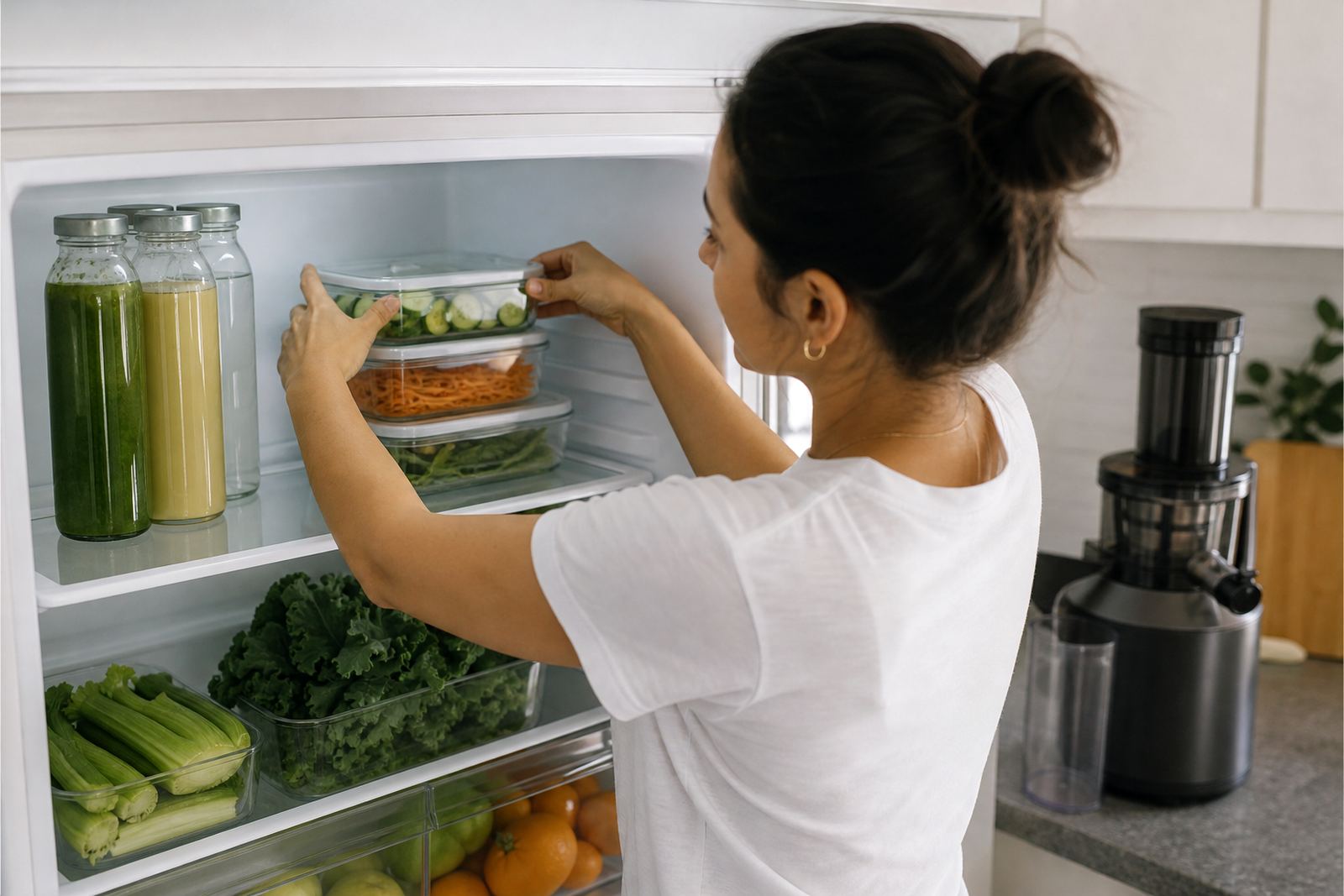
Bottles are often the first thing to topple in a crowded fridge. Water, juice, milk and salad dressings all take up different shapes, so it helps to keep them grouped by height and frequency of use. Tall bottles should stand in one row, not be wedged behind small jars, and anything opened should be dated so people know what must be used first.
If your fridge is shared by more than two people, create one narrow section for drinks and another for cooking bottles such as stock, sauces and vinegar. That makes it easier to grab what you need without pulling the whole shelf apart.
- Store open bottles in the same place each time
- Keep lids tight to avoid spills and fridge smells
- Use a small tray for leaking caps or sticky bottles
- Do not crowd bottles against the back wall where they can freeze
Produce that stays visible instead of forgotten
Fresh produce often gets lost in a shared fridge because it is tucked behind lunch boxes or stacked in plastic bags. That is a waste, especially when the fridge is already under pressure after a big shop from the neighbourhood market. A shallow drawer or a clear container works better than a deep bag because you can see what is there at a glance.
Wash and dry produce before storage only if it suits the item and you can dry it properly. Moisture trapped in closed containers can shorten the life of leafy greens and berries. For firm vegetables, keep them in breathable bags or containers with a little airflow. In humid coastal areas such as Paarden Eiland or Durban, condensation forms quickly so wiping shelves and containers dry matters more than people often think.
- Keep salad greens in a lined container with a dry paper towel
- Store herbs upright if you have space, or wrapped lightly in a dry cloth
- Place fruit in one visible section so it gets used before it softens
- Check for bruised items every few days and remove them first
Prepared food needs its own lane
Cooked food, sauces and batch-prepared ingredients should not share space with raw food without some kind of barrier. That is a basic food safety habit, not a luxury. Use sealed containers with lids that clip properly and place them on a dedicated shelf so nobody has to move three things just to find supper from last night.
Label containers with the date and the contents, especially in shared homes where one person may have cooked rice, another may have marinated chicken and someone else has chopped vegetables for later in the week. That little label helps prevent confusion and keeps the fridge from becoming a pile of anonymous tubs. If you live in a house with regular municipal water cuts or uneven power, being able to find items quickly also reduces the time the door stays open.
- Use one shelf for cooked meals only
- Keep raw meat in sealed containers on the lowest shelf
- Put sauces and meal bases in shallow tubs so they do not tip
- Discard anything that smells off or has been left out too long
Cleaning habits that protect the fridge and the food
A tidy fridge is easier to clean, but cleaning still needs a routine. Wipe spills as soon as they happen, because dried drips become sticky and can spread smells to other items. Once a week, remove anything spoiled, check seals on containers and wipe shelves with warm soapy water, then dry them fully before loading food back in.
Do not overload the fridge door with heavy bottles, since the hinges and seals work harder when the door is weighed down. If the seal is dirty, the fridge may run longer and frost or condensation can build up. That matters in homes where the fridge is opened often for lunch, supper and shared snacks. A quick clean also makes it easier to spot damaged packaging or leaking tubs before they become a bigger problem.
- Clean shelves from top to bottom so dirty water does not drip over clean areas
- Check seals around the door and replace damaged containers
- Keep a small cloth or sponge nearby for spill control
- Move older items to the front so they are used first
A Paarden Eiland example that works in a real kitchen
In a shared Cape Town kitchen near Paarden Eiland, a fridge often has to cope with takeaway containers, family groceries and work lunches all at once. The easiest fix is not a bigger fridge, it is a better layout. One shelf for bottles, one for produce, one for prepared meals and one drawer or tub for odds and ends gives each person a clear place to use.
When that layout is kept for a few weeks, people stop hunting through everyone else’s food and the fridge stays cleaner for longer. It also suits households that use cold presses or juicers regularly, because fresh juice bottles and pulp containers can be stored in a defined spot instead of shifting around the shelves. A little discipline, plus the right containers, makes the whole fridge work harder without extra fuss.
- Assign each shelf a job and keep to it
- Use clear containers for items that are shared
- Keep one spare space open for bulky shopping days
- Review the layout when the household changes or the fridge starts to feel crowded