A kitchen that had to work before the kettle finished boiling
The client was a private household in Durban, not far from the sea, where the kitchen gets warm quickly and counter space is tight. The brief was straightforward: make fresh juice possible without turning the room into a wash-up zone, and provide a bottle storage routine that would suit a fast citrus habit on busy mornings.
The apartment layout left little room for bulky appliances, so the equipment had to stay compact, stable on a tiled counter and easy to move out of the way. Salt in the air was also part of the picture, so we kept the recommendations focused on parts that are easier to rinse, dry and store properly after use.
What the household needed from the machine mix
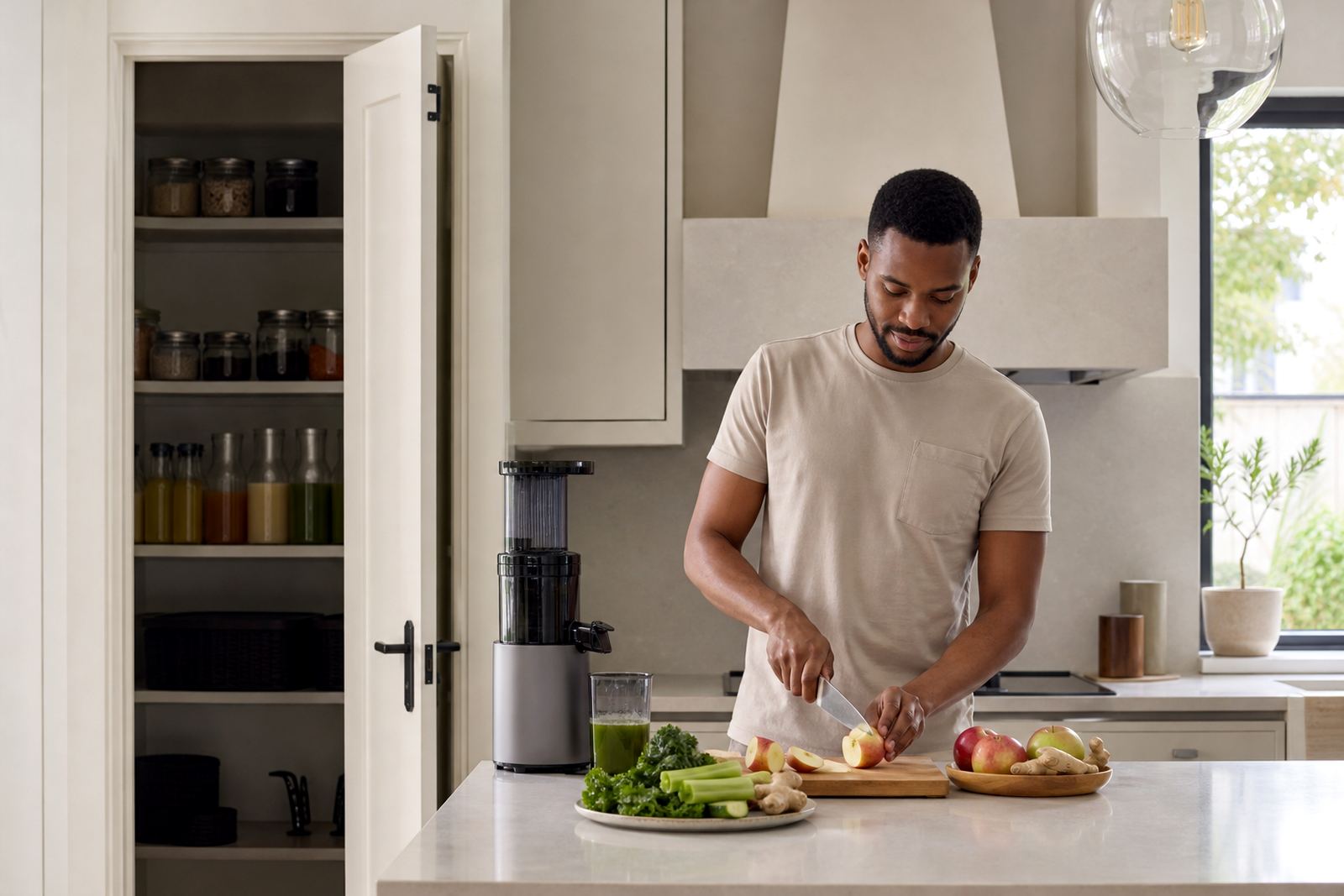
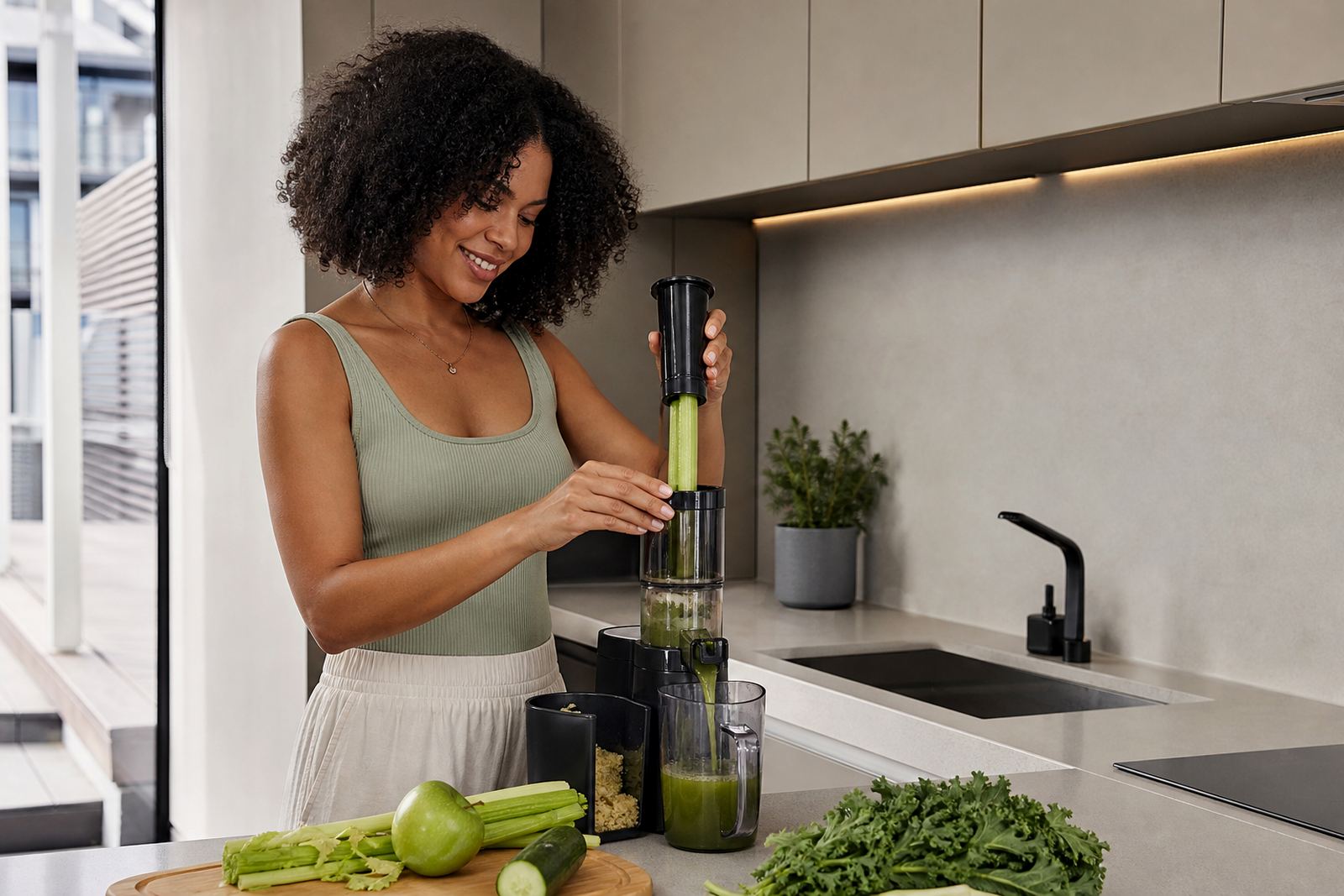
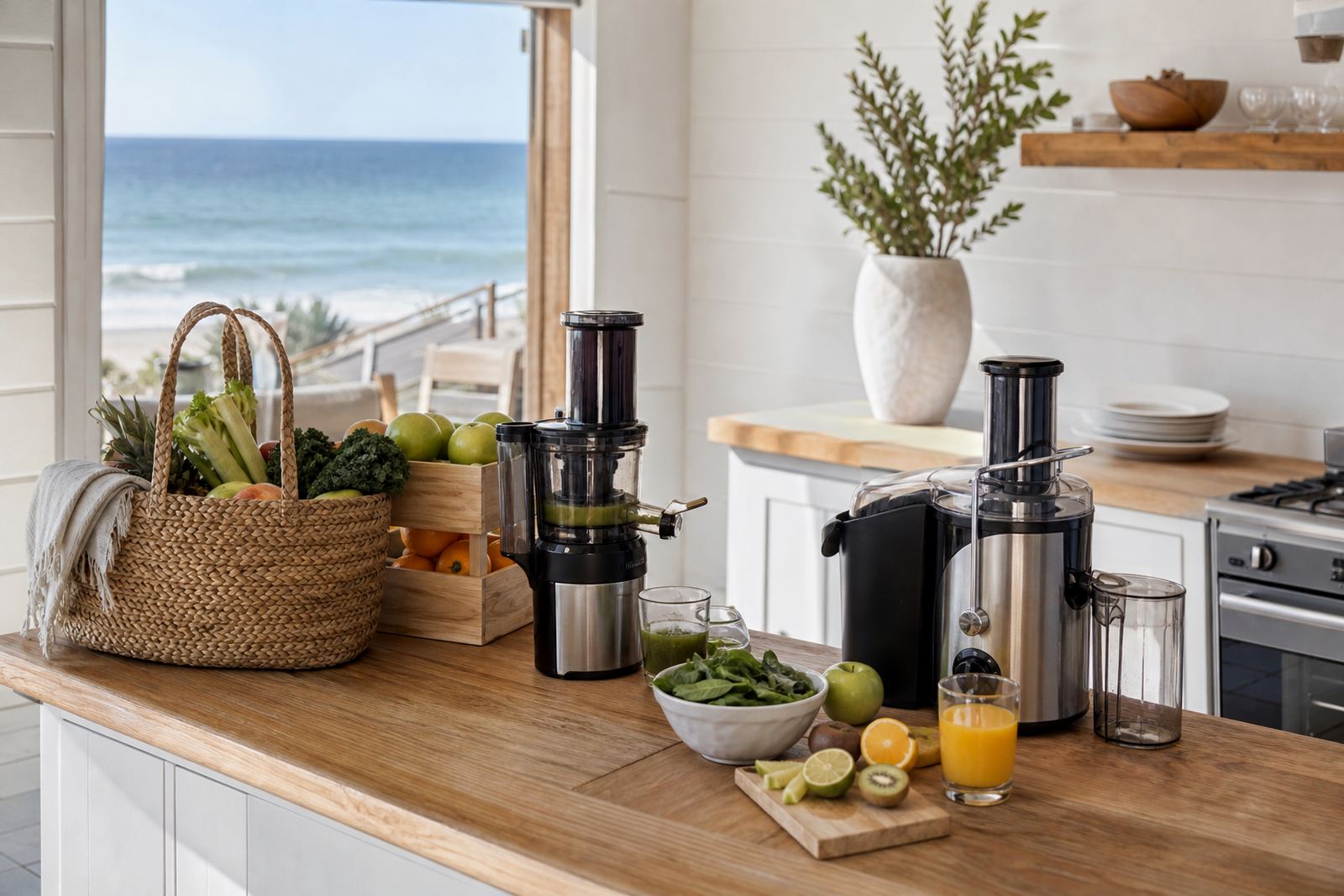
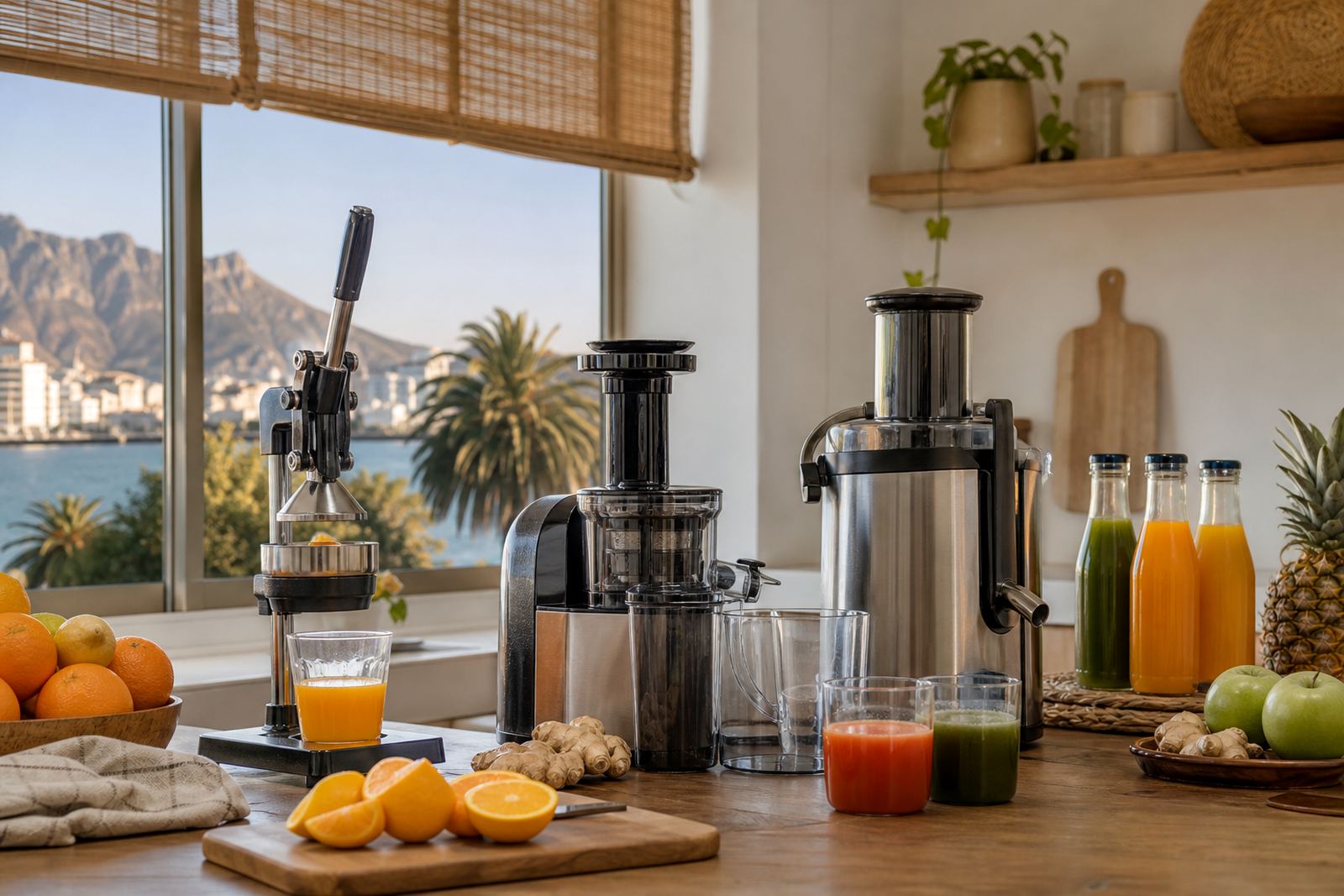
We matched the kitchen to two common juicing styles. A slow masticating unit was suited to leafy greens, softer fruit and quieter operation, while a centrifugal unit offered a quicker option for citrus and mixed fruit when speed mattered. The cold press approach was included for thicker produce and for batches that needed gentler extraction, with less splashing and a calmer run time.
The client did not want a complicated routine or a machine that would be left sitting wet after use. That meant attention to removable parts, feed chute size, pulp handling and how quickly the unit could be broken down for cleaning. Food safety was handled in the usual domestic way: wash hands, rinse produce well, keep cutting boards separate where possible, and dry components before storing them.
- Quiet morning use for flats with shared walls
- Easy strip-down for daily cleaning
- Stable footing on smooth kitchen tiles
- Compact footprint for limited counter space
The spec set we chose for the seaside conditions
We supplied a mix that covered both speed and control. The slow juicer was recommended for regular use, while the faster unit gave the client a second option for days when a glass of juice had to be made in a hurry before work. We also included guidance for bottle storage, because chilled juice needs clean bottles, tight lids and a fridge shelf that is not crowded with leftovers.
For a coastal flat, the small details matter. We checked that seals, strainers and lids could be inspected without tools, and we explained how to spot the first signs of wear, such as a loose cap, a soft seal or noise that changes after a few months of use. A salty, humid kitchen can be hard on neglected parts, so drying and storage were part of the setup from the start.
- Slow masticating juicer for lower-speed extraction
- Centrifugal juicer for fast daily batches
- Cold press use for denser produce and less foaming
- Clean glass bottles with secure lids for fridge storage
- Brushes and tools for screens, pulp paths and seals
Two weeks from first call to the first clean pour
The project ran over two weeks. In week one, we handled the first setup guidance, storage advice and a check on the kitchen space so the machine placement would not interfere with prep areas or plugs. In week two, we worked through cleaning practice, seal care and a short support call so the client could get comfortable with the routine.
Because the flat was in Durban, delivery timing had to fit the household schedule and avoid leaving equipment waiting in the heat. We kept the handover practical: how to assemble, what to rinse first, where to let parts dry, and how to store bottles so they stay clean and ready. No drama, just a working system that fits daily life.
- Week 1: layout review and first time setup guidance
- Week 1: bottle storage and counter planning
- Week 2: cleaning routine and deep clean guidance
- Week 2: support call for seal and noise checks
What changed in the flat after the setup
The main result was order. The client could now keep chilled bottles in a fixed place, rinse parts without crowding the sink and choose the right machine for the day instead of forcing one appliance to do everything. The kitchen stayed easier to manage, which matters in a seaside flat where humidity can make any leftover moisture turn into a sticky mess by evening.
There was also less hesitation around maintenance. Once the client knew how to check the screen, the seal and the plug lead, the machine stopped feeling like a one-off gadget and became part of the kitchen routine. A clean juicer is easier to trust, and that trust comes from repeatable care rather than guesswork.
What paid off in the Durban seaside flat
If we were doing the same kind of flat again, we would keep the same order of work: measure the space, choose the right juicer type for the daily habit, and set up the cleaning routine before the first batch is made. That sequence saves time later and avoids the common mistake of buying for looks instead of how the kitchen actually functions.
We would also keep the support close to the machine. In a warm coastal home, the best result comes from simple habits: dry the parts fully, store bottles with clean lids, watch for vibration on smooth counters, and do a deeper clean before residue builds up. That approach keeps the setup practical for a busy household in Durban.
Key facts
| Project | Durban Seaside Flat |
|---|---|
| Client type | Private household in Durban |
| Location | Coastal flat kitchen, Durban |
| Timeline | 2 weeks |
| Equipment types | Slow masticating juicer, centrifugal juicer, cold press use |
| Support included | First Time Setup, Deep Clean Guidance, Seal Replacement, Screen Care, Noise Vibration Checks, Storage Care, Video Support Call |