
A townhouse kitchen with a narrow worktop and no spare clutter
The client was a private homeowner in George looking for a practical juicing setup that could live in a townhouse kitchen without turning into a storage headache. The space had a modest prep area, one main plug point near the counter and a pantry shelf that could take light appliances, but not bulky items or loose accessories scattered around.
The brief was clear: supply a machine that could handle regular home juicing, be easy to wash down, and fit into a daily routine. We also had to keep the footprint tight enough for a shared kitchen where plates, kettles and lunch prep already compete for room. That meant looking closely at width, height, hopper size and how the parts pack away after use.
- Town: George
- Property type: townhouse kitchen
- Use case: regular home juicing
- Storage limit: pantry shelf and one drawer only
Why a slow press made more sense than a loud rush
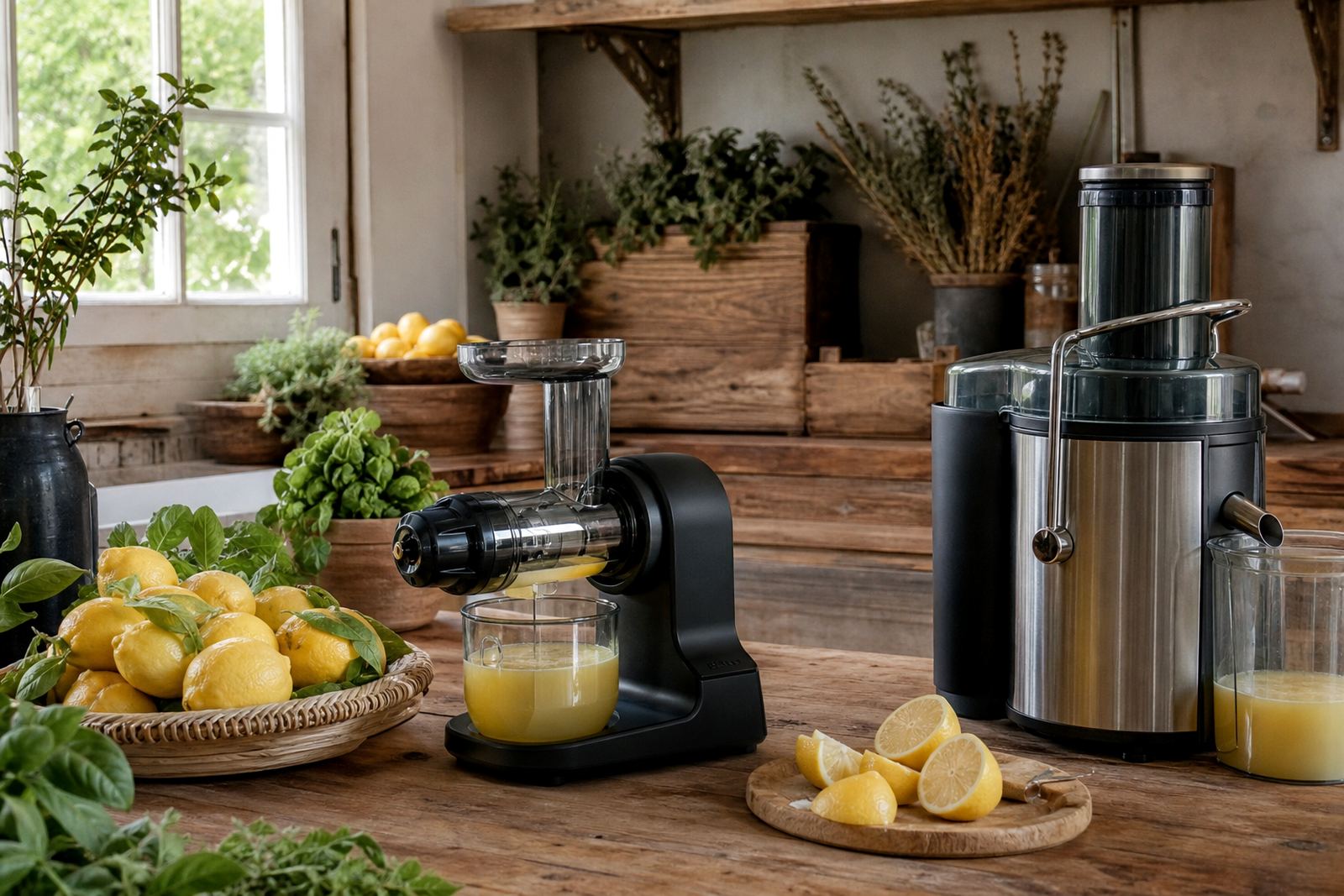
For this kitchen, a slow masticating juicer was the better fit for everyday use because it feeds produce through a narrow chamber and works at a slower pace. That slower action is useful when the household wants a steady routine and does not want juice splashing, foaming or a machine that sounds like it is fighting the counter. A centrifugal unit was also discussed for faster prep, but the client preferred a calmer machine with more controlled operation and less noise in a close living space.
The cold press option was included for occasions when softer fruit and leafy produce needed gentler handling. A cold press uses pressure rather than fast spinning blades, which helps keep the process neat and reduces heat build up in the chamber. In a town house where the kitchen opens into the living area, that matters more than people sometimes think.
- Slow masticating style for steady extraction
- Centrifugal style considered for faster feed rate
- Cold press for gentler squeezing and lower heat build up
- Better control in a shared living area
The juicer we delivered and how the counter was set
We supplied a home juicer package with the main juicing unit, feed chute parts, pulp container, juice collection jug, cleaning brushes and the basic fitting pieces needed for normal use. The unit was checked for plug fit, basket alignment, screen seating and lid locking before handover. We also set out the storage method so the owner could keep the smaller parts together in one labelled box rather than hunting for them later.
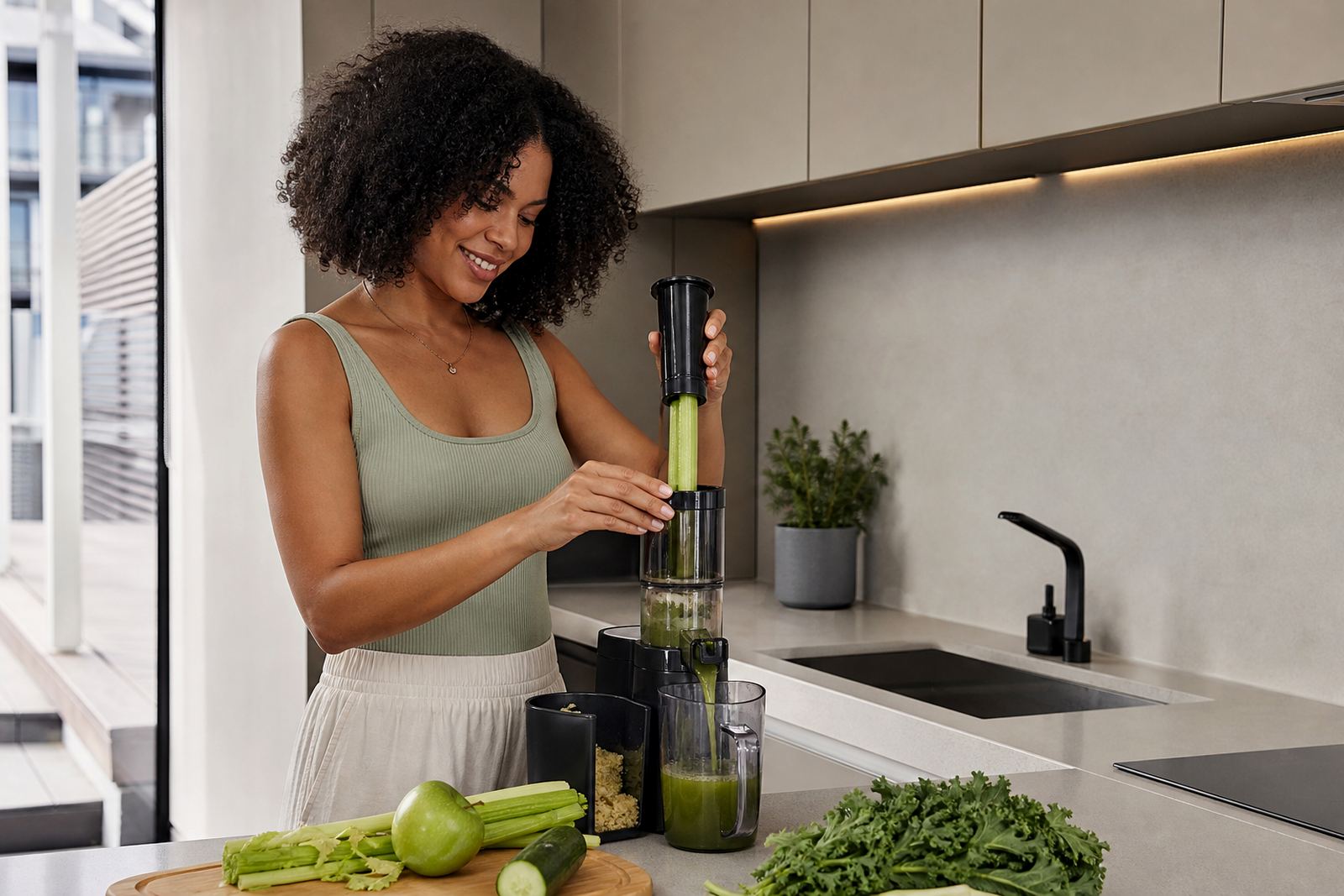
During setup, we covered first time assembly, safe loading of produce, and what to do if the machine starts to vibrate more than expected. We explained the difference between soft fruit, harder vegetables and the best order to feed them through so the chamber does not clog. The owner was also shown how to stop and rinse between batches if the pulp basket starts to fill too quickly, which is a common issue in smaller kitchens.
- Main juicing unit with matching containers and brushes
- Screen and seal seating checked before use
- Storage box for smaller parts and tools
- First time setup guidance included
Cleaning, food safety and the parts people forget
For regular home use, cleaning matters as much as the machine itself. We showed the owner how to rinse the screen and feed parts straight after use, before dried pulp starts sticking to the mesh. That makes the next wash quicker and helps prevent odours, which is especially useful in warmer weather and coastal air. The kitchen in George is not right on the salt belt, but South African homes still pick up humidity in summer and that can affect stored parts if they are left damp.
Food safety guidance covered clean hands, washed produce, dry storage, and keeping juice containers apart from cleaning cloths and raw food waste. We also looked at seal care, leak signs around the base and the right way to dry the screen so it does not carry moisture into the cupboard. One small thing that often gets missed is the cable, if it is wrapped too tightly it can strain the plug end over time.
- Rinse screens and chutes immediately after use
- Dry all removable parts before storage
- Keep juice parts separate from raw food waste
- Check seals and plug leads during routine care
The three week handover that settled the routine
The project took three weeks from the first call to the final handover. Week one covered the brief, kitchen measurements and machine selection. Week two handled delivery into George, setup and demonstration. Week three covered follow-up support, including a check on the screen care routine and one small tweak to the storage layout so the accessories fitted neatly on the pantry shelf.
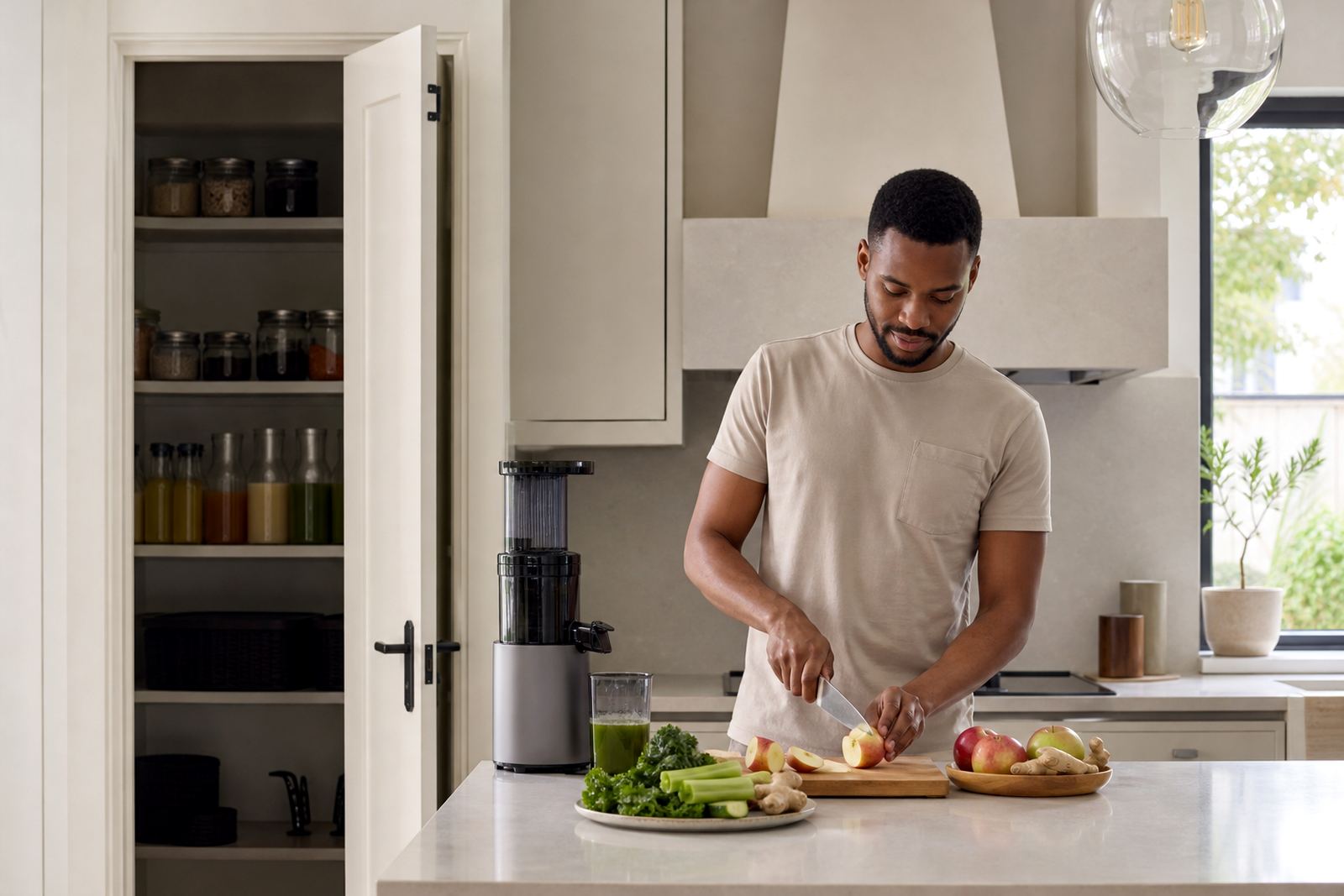
There was no need for major changes, but we did help the client fine tune their workflow. The juicer now lives close to the prep board, the juice jug has a fixed place in the fridge door and the brush set sits with the cleaning cloths. That kind of order makes regular use easier because the machine is ready without having to move half the kitchen first.
- Week 1: brief and measurements
- Week 2: delivery and setup in George
- Week 3: follow up and storage adjustment
What the household got out of the new setup
The result was a practical juicing station that fits a townhouse kitchen without crowding the counter. The owner has a machine that is straightforward to use, easy to clean and simple to store after use. The household can now handle regular juicing without leaving loose parts on the worktop or dragging out several containers every time.
For us, the success of the project came down to matching the machine to the space rather than pushing a bigger unit than the kitchen could comfortably handle. If we were doing this job again, we would follow the same approach: measure the counter, think about storage first, choose the juicer style around the routine, and make sure the cleaning process is just as workable as the juicing itself. That keeps the setup practical for years, not just neat on day one.
Clients from George and other towns such as Cape Town, Johannesburg, Durban, Pretoria and Stellenbosch often want the same thing: equipment that behaves properly in an ordinary home kitchen and does not turn into a maintenance chore.
Key facts
| Project location | George townhouse kitchen |
|---|---|
| Client type | Private homeowner |
| Machine style | Slow masticating juicer with cold press option discussed |
| Storage footprint | Pantry shelf and one drawer |
| Setup time | 3 weeks |
| Support included | First Time Setup, Deep Clean Guidance, Seal Replacement, Screen Care, Leak Troubleshooting, Noise Vibration Checks, Storage Care, Cable Plug Checks, Brushes and Tools, Routine Care Plan, Video Support Call |