A morning run in Claremont needed less counter shuffle
The client was a family in Claremont, Cape Town, living in a duplex with one main kitchen and a narrow prep path between the sink, fridge and scullery door. Their brief was direct: place the juicer where it could be used fast, cleaned fast, and stored without blocking the route used before school and work. The home had typical Cape Town constraints too, including limited counter depth, a few power points already in use, and a kitchen that gets damp in winter if lids and pulp trays are left open.
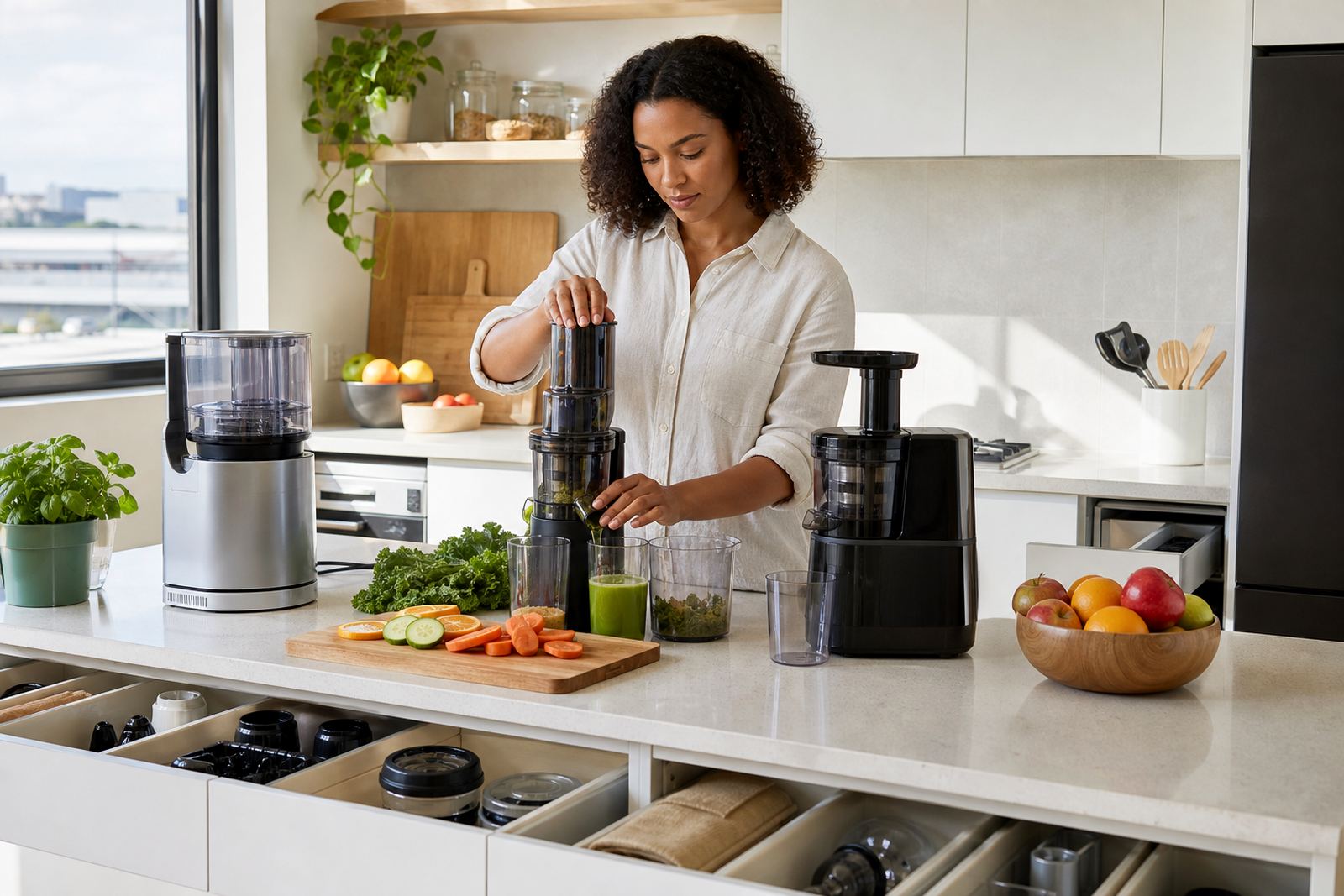
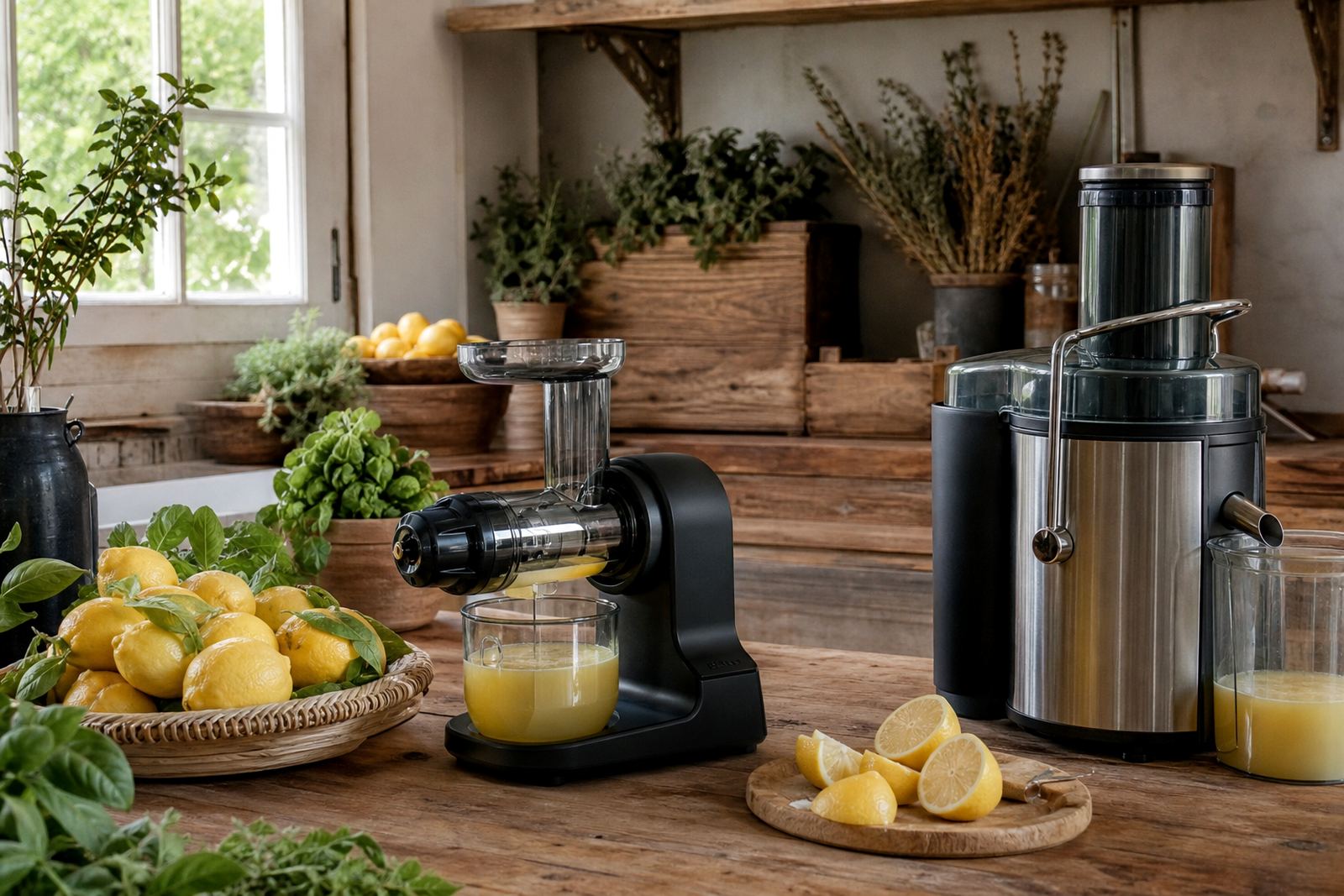
We looked at three practical options: a slow masticating juicer for quieter morning use, a centrifugal juicer for quicker high-volume batches, and a cold press for slower extraction with less splatter at the counter. In the end, the chosen position had to suit a family that wanted steady use, not a unit that had to be carried in and out each time. The final placement kept the path clear and left enough space for a washing-up bowl, brushes and a drying rack.
- Home type: duplex in Claremont, Cape Town
- Use pattern: school mornings, after-work prep and weekend batches
- Space constraint: narrow counter run with limited side clearance
- Power constraint: shared plugs and cable routing near the prep zone
The press we sent and where it now sits
MiniPress supplied a home juicer suited to regular kitchen use, together with first time setup guidance and care advice for the household. We checked the plug position, cable run and working height, then arranged the machine so the feed chute, pulp outlet and juice jug all sat within easy reach. The client also asked for help with storage, so we showed where to keep the brush set, small tools and spare seals in a dry cupboard rather than on the wet side of the sink.
The setup included food safety checks that are worth doing in any South African home kitchen. We confirmed that all parts that touch fruit and vegetables were washed before first use, that the unit would not sit near raw meat prep, and that the counter could be wiped down without moving the machine across a wet surface. In a coastal city like Cape Town, that matters because moisture can linger on seals and screens if they are not dried properly after cleaning.
- First time setup for safe home use
- Placement check for cable, plug and counter height
- Cleaning guidance for screens, seals and pulp parts
- Storage plan for brushes, tools and spare pieces
Claremont family compares slow press and noise
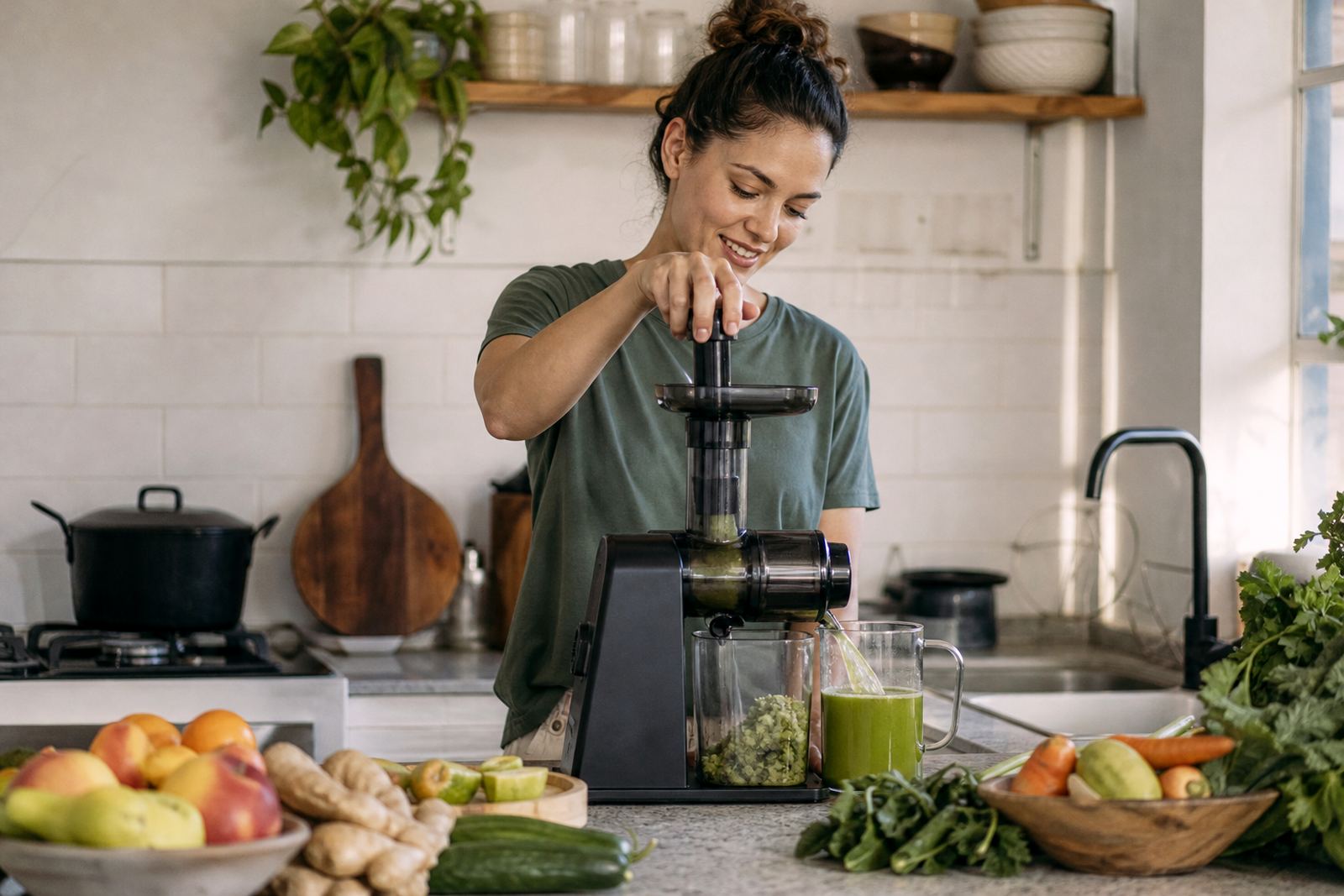
The household compared the main juicing styles before ordering. A slow masticating unit works at a lower speed, which is useful when someone in the home wants less noise early in the day and a steadier feed through the machine. It also tends to suit leafy items and harder produce when the user is willing to feed pieces one at a time. A centrifugal model spins faster and can be handy when speed matters most, though it can be louder and may create more foam. A cold press works by pressing produce rather than using a fast spinning basket, so it suits people who want a slower routine and are comfortable with a little more prep time.
For this Claremont duplex, noise and cleanup mattered more than speed alone. The family did not want a machine that would rattle through an early breakfast rush, especially in a home with bedrooms close to the kitchen. They also wanted a machine that would not spray pulp across the backsplash. We explained the differences clearly, then matched the choice to the household rather than forcing a one-size-fits-all answer.
- Slow masticating: lower speed, quieter operation, steadier feed
- Centrifugal: faster processing, more suited to quick batches
- Cold press: slower pressing action, practical for planned prep
- Best fit here: lower noise and easier morning handling
Cleaning, safety and the small habits that keep it usable
Good juicing practice starts with the clean parts, dry seals and a clear sequence after use. We showed the family how to switch off the unit, unplug it before wiping, and separate the removable parts in the right order. Screens were rinsed straight away so fibres did not dry hard inside the mesh, and the seals were checked for wear rather than being forced back into place. That sort of care helps avoid leaking, odd vibration and unnecessary strain on the motor housing.
Because the home has a family rhythm, we also set out a simple routine that fit around school bags and packed lunches. The machine could be used, washed and packed away without leaving wet pieces on the counter all morning. The household appreciated that the guide was practical, not fussy. In a duplex where people move up and down stairs quickly, that kind of order makes the whole kitchen feel less crowded.
- Unplug before cleaning and handling moving parts
- Rinse screens and pulp parts soon after use
- Check seals, screens and feed components for wear
- Keep damp parts off timber and stone surfaces until dry
The two week handover and the follow-up calls
The project ran over two weeks. In week one we handled the selection, placement advice and first time setup. In week two we covered deep clean guidance, cable plug checks and storage care, then followed up with a video support call to confirm the machine was being used comfortably. That timeline suited the family because they wanted help before school routines settled into full swing.
The support team in Paarden Eiland managed the handover with input from our operations, technical and customer care staff. Lukhanyo Mthembu oversees the business, while the team behind the scenes handles online sales, dispatch, technical guidance and care queries. For this job, the important part was not a long explanation, but clear steps that could be repeated on a normal weekday without fuss.
- Week 1: selection, placement and first use
- Week 2: cleaning, care and follow-up support
- Support included: video call, seal check and storage guidance
- Handled from our Paarden Eiland base for delivery to Claremont
What changed once the juicer had a proper place
After the setup, the kitchen felt easier to move through and the machine was used more consistently because it no longer had to be shifted around before each session. The family also found cleaning quicker because the brush tools and drying spot were already planned. That reduced the usual morning scramble where one person is hunting for a plug while another is trying to get out the door.
From our side, the result was a neat home installation that matched the way the family actually used the kitchen. If we were doing this one again, we would keep the same approach: start with the room layout, listen to the morning routine, then place the juicer according to how the household moves, not just where there is a free space on the counter.
- Less counter reshuffling before use
- Faster cleaning because tools had a set place
- Clearer movement through the kitchen during busy mornings
- Better fit between machine type and household routine
Key facts
| Project name | Claremont Duplex |
|---|---|
| Town | Claremont, Cape Town |
| Property type | Duplex home |
| Product type | Home juicer and cold press setup |
| Timeline | 2 weeks |
| Delivery area | Cape Town Delivery with South Africa-wide service |