
The brief from a Paarl home that keeps crates at the door
The client was a private home in Paarl with a kitchen that had to work hard during harvest weeks and still feel calm on quieter days. The family wanted a place for oranges, naartjies, apples, carrots and herbs to be rinsed, sorted and juiced in one sweep, with no sticky trail across the floor and no need to shift heavy equipment each time. The room already had good light, but the layout needed firmer work zones and better storage for tools, pips and peel bins.
The brief was clear: make the juicing area easy to use for mixed ages, keep the counter height comfortable for longer prep sessions, and choose machines that suit both soft fruit and harder produce.In a home like this, the equipment has to be ready for quick batches as well as slower family use.
- Project type: private country kitchen
- Town: Paarl, Western Cape
- Use case: garden produce, citrus crates and slower prep sessions
- Main need: simple workflow with easy cleaning and storage
What had to be solved before the first press started
The main constraint was space. The kitchen had enough room for a prep run, but not enough to leave large machines out permanently without crowding chopping boards, baskets and serving space. We worked around that by planning a defined juicing corner with clear reach to water, waste and storage. Another concern was moisture, because produce prep in a busy kitchen means splashes, damp cloths and occasional condensation, especially near coastal air coming up through Cape Town side weather patterns.
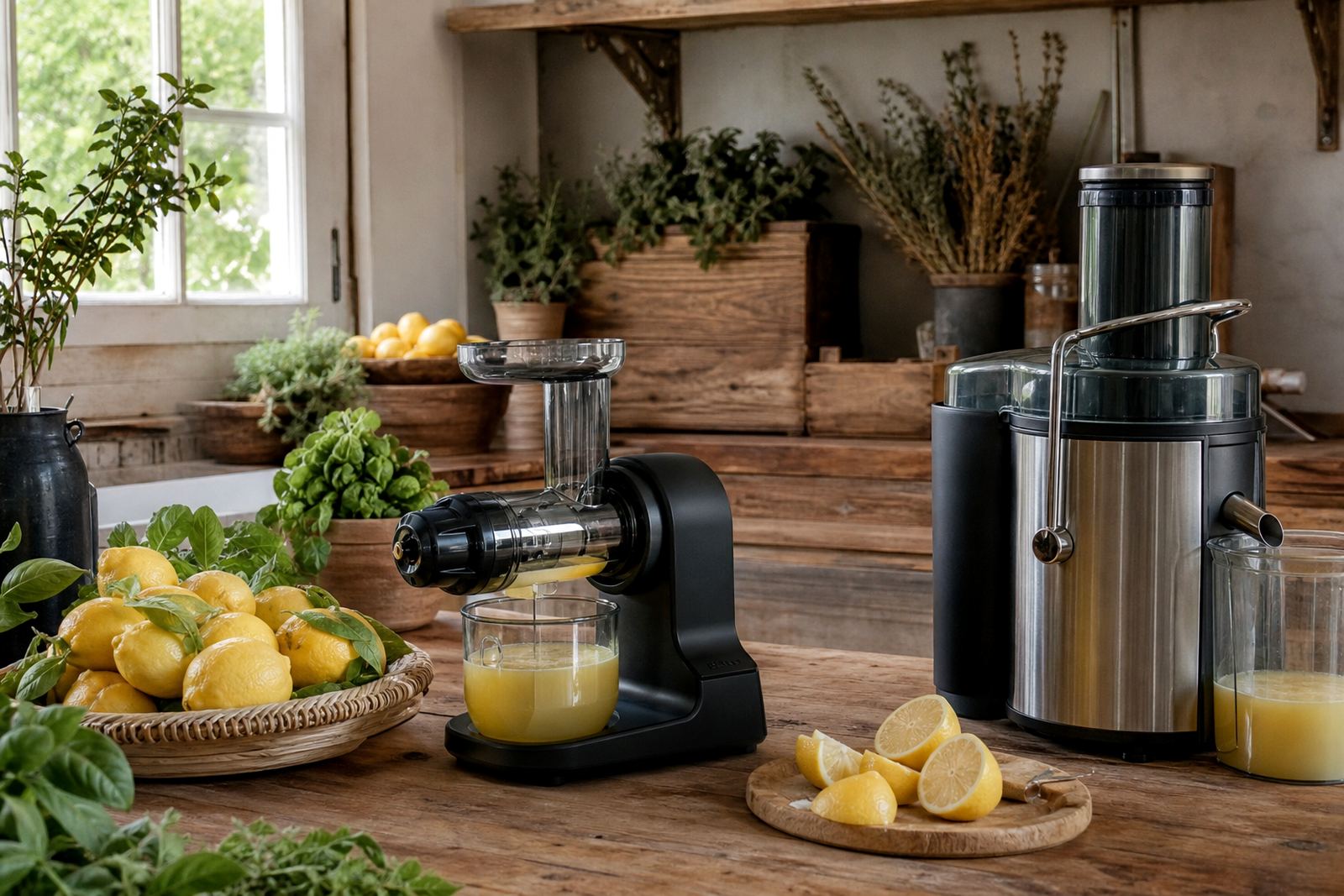
Noise also mattered. A centrifugal juicer can be quicker for larger batches, but it tends to run louder and throws more vibration into the counter. A slow masticating juicer, by contrast, works at a lower speed and is generally better for quieter, measured prep. We set the kitchen up so the household could use either style depending on the fruit in hand and the time available. The cold press option was placed where it could be handled steadily, with room for trays and a catch jug.
- Limited counter footprint
- Need for low vibration on a solid worktop
- Cleaning space for removable parts and brushes
- Safe storage away from damp tea towels and open windows
The machine mix that matched the way this kitchen runs
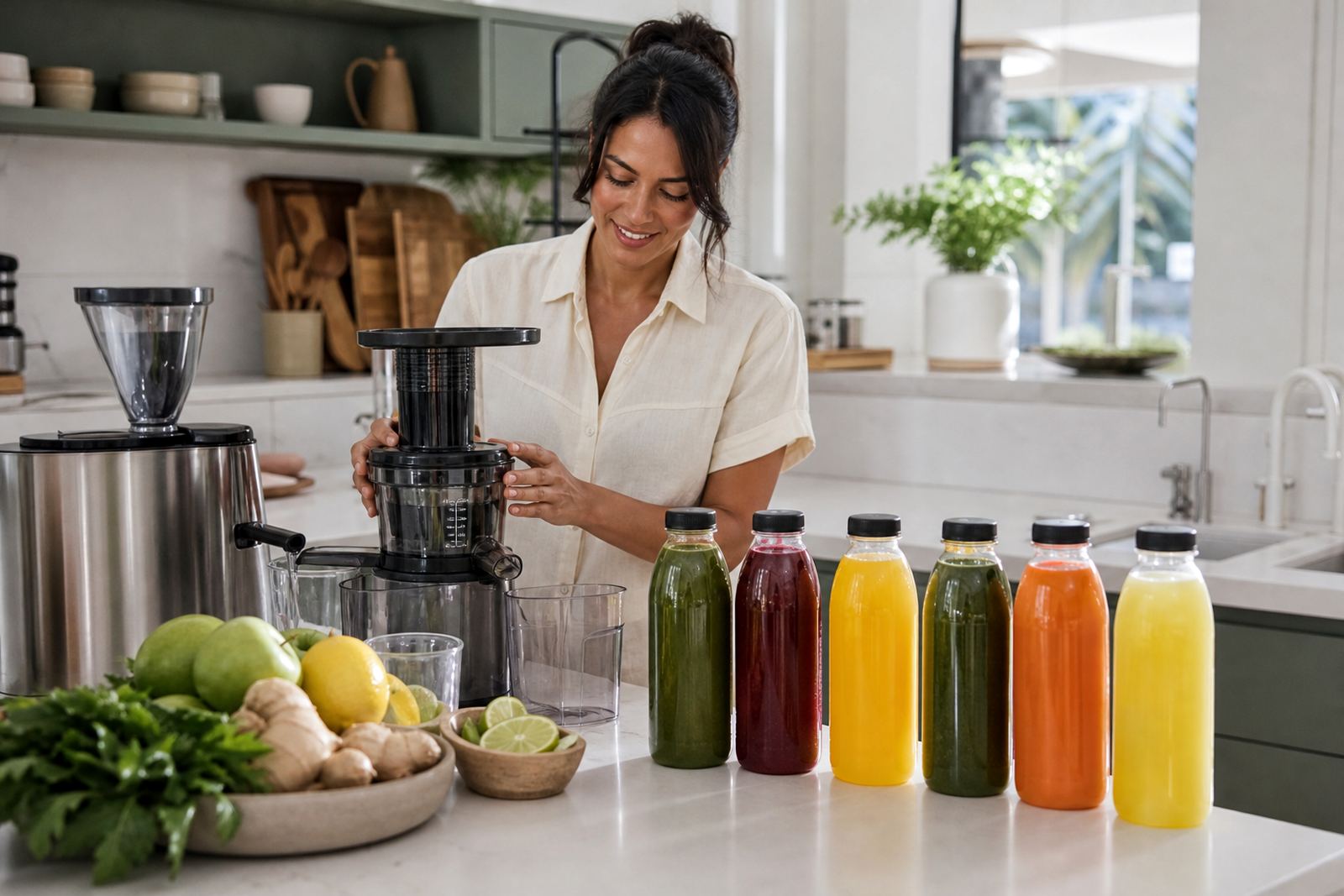
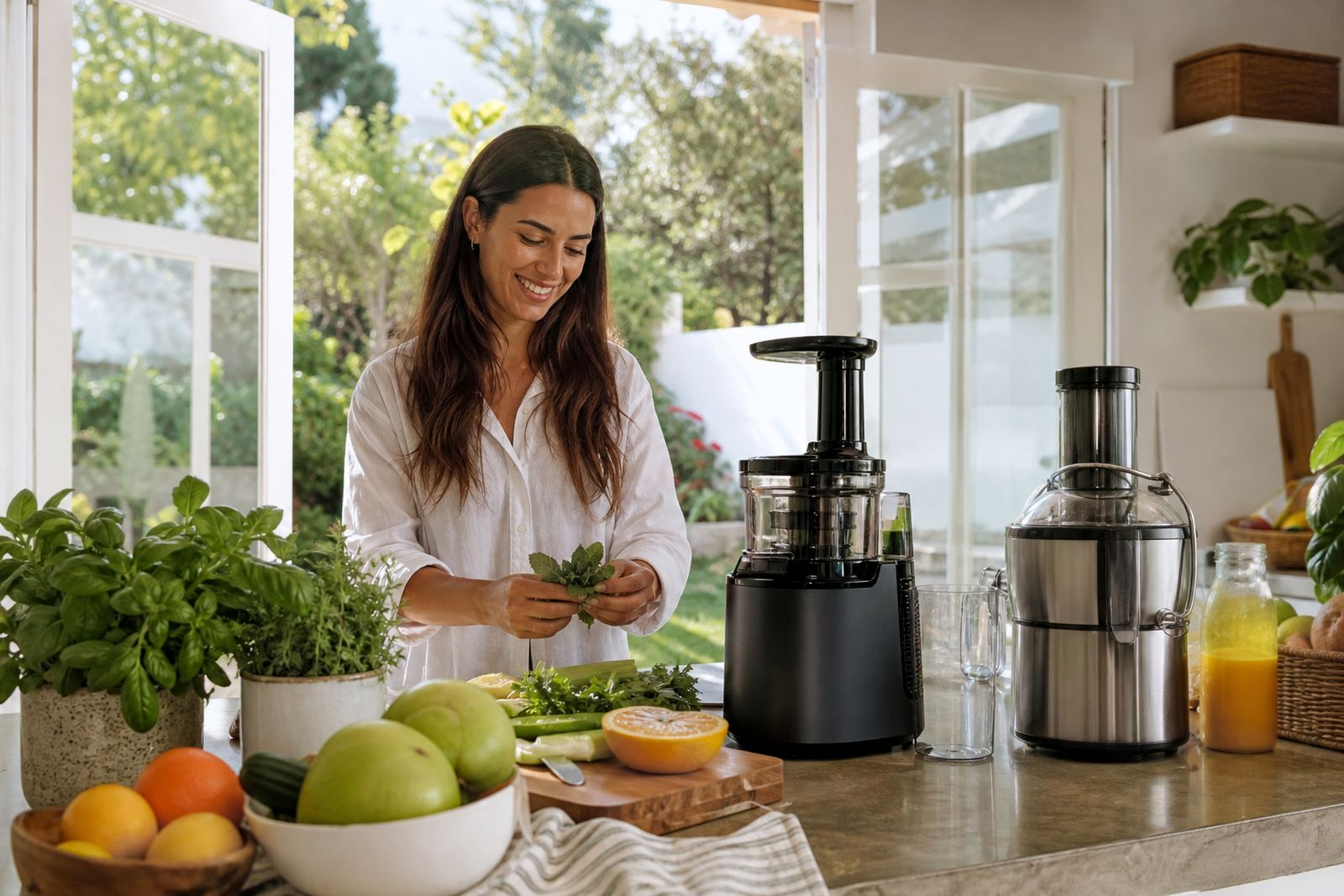
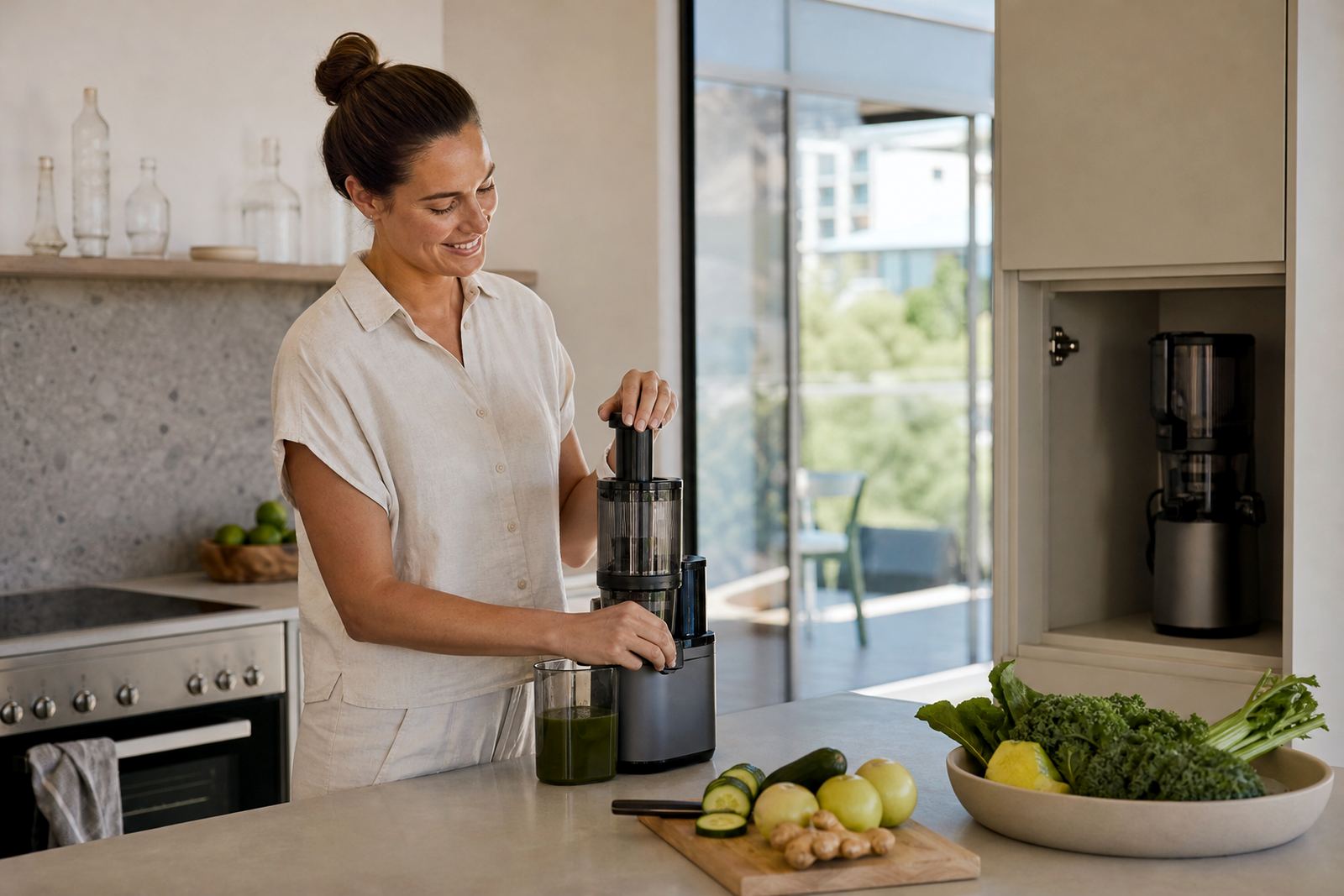
We supplied a balanced set of home juicing equipment built around three working styles. The slow masticating juicer was selected for smaller batches, leafy items and mixed produce where steady feed matters. The centrifugal juicer was kept for quicker runs when the family wanted to process a larger crate with less waiting between fillings. The cold press unit was specified for slower, heavier sessions where the household preferred a compact, controlled method with careful separation of juice and pulp.
Each machine was chosen for a domestic kitchen rather than a commercial back room, so the size, cord routing and cleaning routine all had to make sense in everyday use. We also set up a practical storage arrangement for brushes, seals and strainers, because these are the parts that get overlooked until they start giving trouble. With home equipment, the best result usually comes from neat handling and regular rinsing, not fancy extras.
- Slow masticating juicer for measured pressing and leafy produce
- Centrifugal juicer for faster batches and firmer fruit
- Cold press unit for slower preparation sessions
- Brushes, tool storage and spare sealing parts kept close by
Food-safe handling, cleaning rhythm and spill control
Food safety in a home kitchen starts with the basics: clean hands, washed produce, dry storage and parts that are rinsed soon after use. We showed the household how to separate raw produce prep from serving space, and how to keep cloths, chopping boards and juice parts from sharing the same wet patch on the counter. This matters when fruit is dusty from the garden or when citrus comes in with a bit of leaf and soil still attached.
The cleaning guidance covered screens, feed chutes, seals and collection jugs, plus the small habits that prevent smells and sticky residue. A quick rinse after each session is far easier than waiting until the next day. We also covered food-safe drying, because trapped moisture can affect seals and leave odd odours, especially in a warm kitchen. For the client, the point was not just hygiene, but making sure the machines stayed pleasant to handle and ready for the next batch.
- Rinse removable parts soon after use
- Dry seals and screens fully before storage
- Keep feed areas clear of peel, pips and pulp
- Wipe the counter and plug area before packing away
The six-week run from layout to first batch
The project moved over six weeks. Week one was measurement, workflow planning and checking where the machines could sit without blocking normal kitchen movement. Week two covered equipment selection and storage placement. Week three focused on delivery, unpacking and first setup. Week four was training on cleaning, leak checks and seal care. Week five dealt with a small cable and plug adjustment so the machine area stayed tidy and safe. Week six was a follow-up video support call to confirm that the routine was working in daily use.
The family picked up the method quickly once the layout made sense. The slower juicer suited quieter weekends, while the faster machine helped when the citrus crates were full and time was tight. The result was not just a neater counter, but a kitchen that could shift between relaxed prep and heavier work without feeling awkward.
- Week 1: measure and plan the work zones
- Week 2: final equipment and storage choices
- Week 3: delivery and first setup
- Week 4: cleaning and safety guidance
- Week 5: plug, cable and fit adjustments
- Week 6: follow-up support call
What changed once the kitchen had a proper juicing corner
The biggest result was order. Crates could be set down, produce washed, and the next step made clear without crossing the room three times. The counter stayed more usable, the cleanup took less effort, and the family had a better match between machine type and the kind of fruit they were using. That matters in Paarl, where one week may bring firmer citrus and the next may bring softer garden produce that needs a gentler hand.
The kitchen now handles daily use with less fuss and fewer interruptions. There is a clear place for tools, a clear place for wet parts and a clear place for the finished juice. For this kind of home, that is the real win: not a flashy setup, just a practical one that holds up through heat, family traffic and ordinary South African kitchen work.
- Better flow from wash to press to clean-up
- Less vibration on the counter
- Clear storage for parts, brushes and seals
- More consistent use across different fruit types
What we would put in place again for a similar home
For another Paarl or Stellenbosch style country kitchen, we would set the same kind of sequence again: measure the work zones first, keep the juicing area compact, and choose machines that suit both speed and quieter pressing. We would also keep the storage simple and place the cleaning tools within arm’s reach, because if they are hidden too far away they rarely get used properly. In a home kitchen, practical access beats complicated storage every time.
We would repeat the same attention to moisture, seals and cord management, especially where the kitchen gets open windows, afternoon heat or the odd power interruption. That careful start saves frustration later, and it keeps the equipment in good working order for ordinary daily use. The project in Paarl showed that a country kitchen can be tidy, functional and calm without losing the easy pace that the household wanted.
Key facts
| Project location | Paarl, Western Cape |
|---|---|
| Kitchen type | Country-style home kitchen |
| Installed equipment | Slow masticating juicer, centrifugal juicer and cold press unit |
| Support scope | First time setup, deep clean guidance and spill control |
| Timeline | 6 weeks from planning to follow-up |
| Delivery coverage | Cape Town, Johannesburg, Durban, Pretoria and George |