Start with cleaner produce than you found it
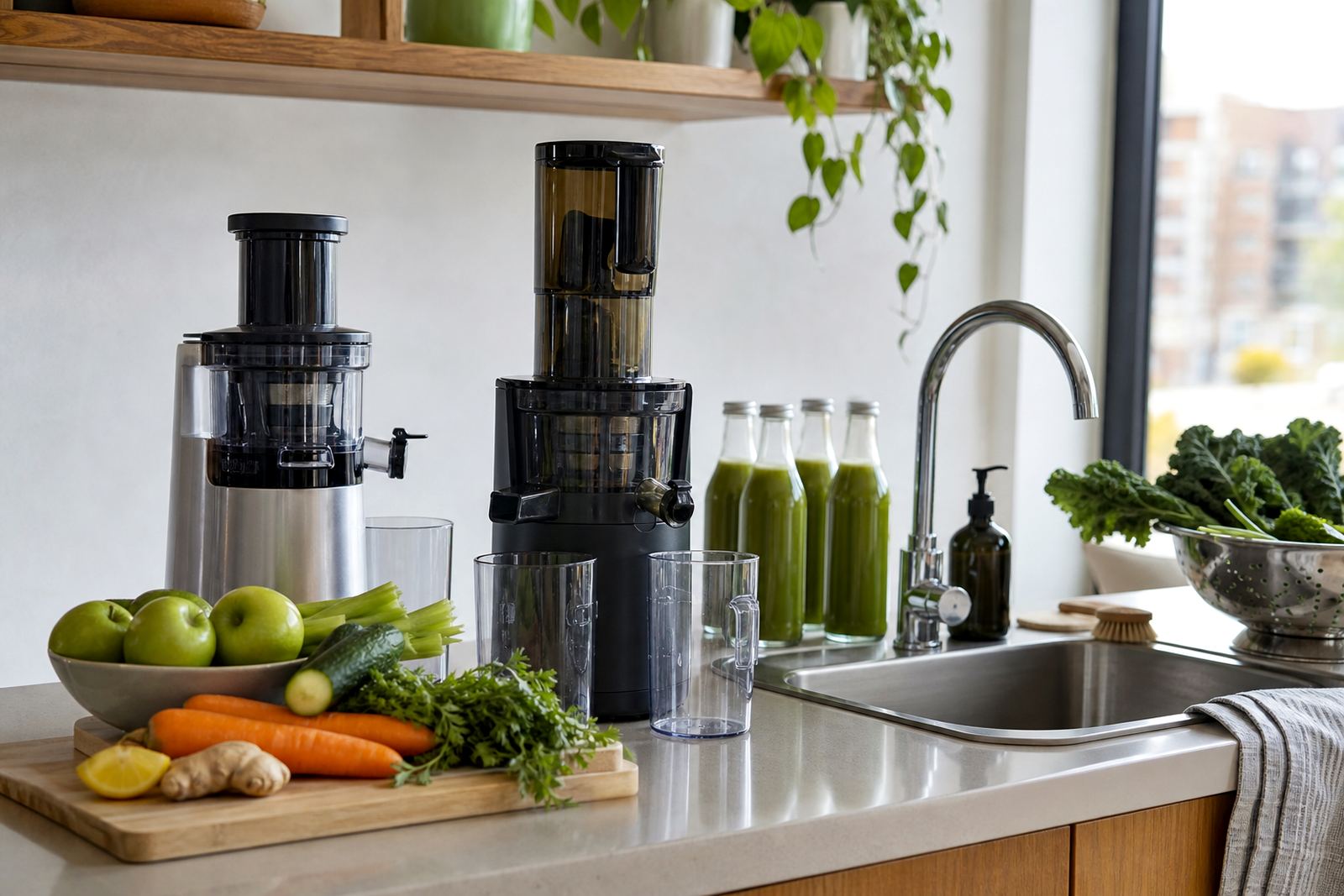
Rinse fruit and vegetables under clean running water before they go near the machine, even if you plan to peel them. Dirt, wax, farm residue and loose leaves can all transfer to blades, strainers or pressing screens. A quick rinse is usually enough for most home use, but leafy greens, carrots, celery and herbs often need a little extra attention in the sink.
For kitchen safety, use a clean basin, colander or worktop and keep raw produce away from dish cloths, cutlery and rubbish bins. If you are juicing at home in Cape Town, Durban or George, where humidity can linger, do not leave washed produce sitting out for long periods before processing. Moist surfaces pick up dust and bacteria more easily.
- Trim away bruised or mouldy sections before juicing
- Scrub firm produce with a clean brush if soil is visible
- Peel citrus, pineapples and other thick-skinned fruit before use
- Pat washed items dry with a clean towel if you need to store them briefly
A clean machine is part of the recipe
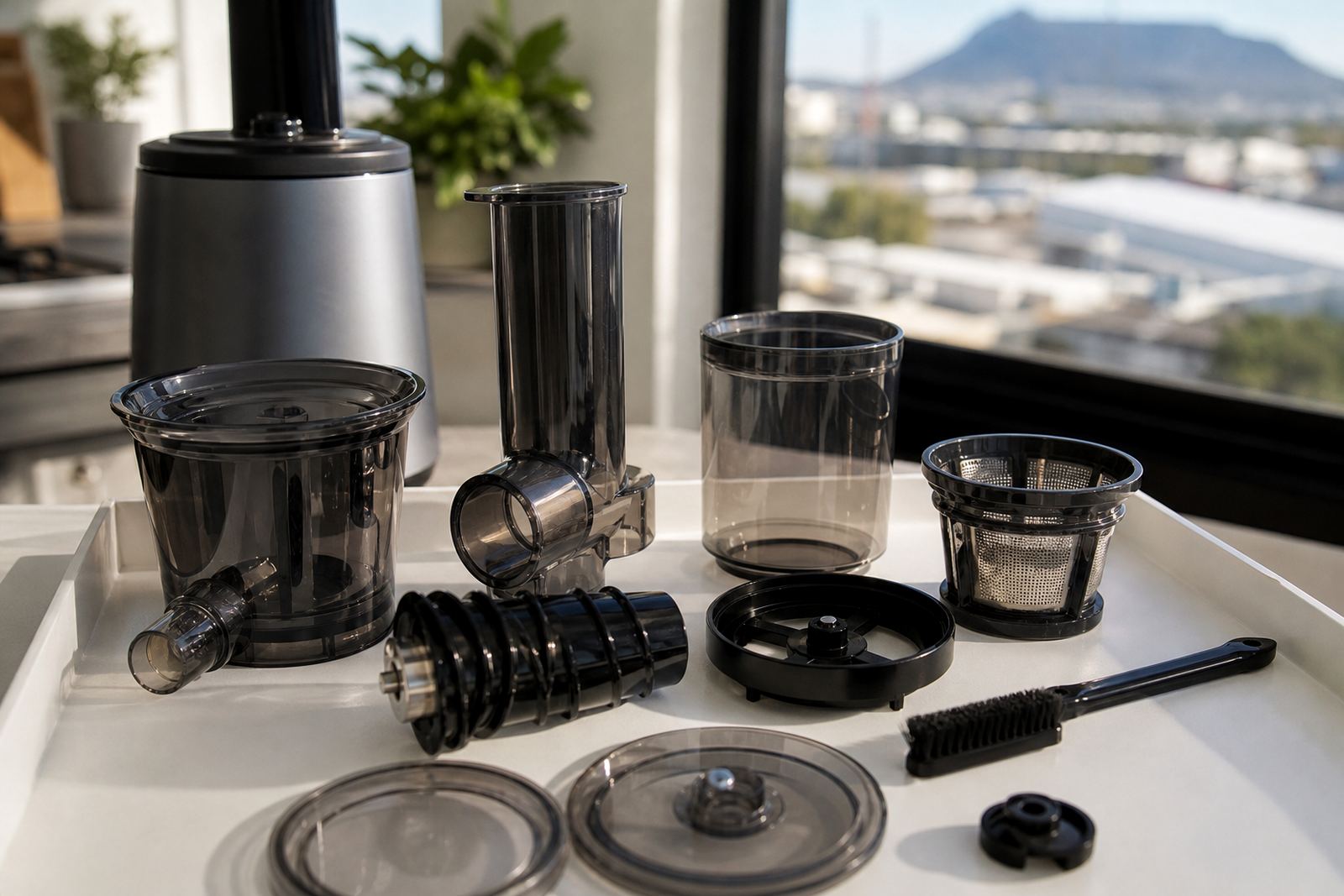
Whether you use a centrifugal juicer for faster batches or a slow masticating model for gentler extraction, the parts that touch food must be washed after every use. Pulp, fibre and juice residue can dry hard in screens, augers, lids and spouts. That makes cleaning harder later and can leave odours or sticky build-up.
Switch off and unplug the unit before handling any removable parts. Rinse large pulp away first, then wash each part in warm water with mild dish soap. A soft brush helps reach fine holes and corners without scratching screens or seals. Avoid harsh scouring pads on clear plastic or mesh parts, as scratches can trap residue. Let everything dry fully before reassembly, because trapped moisture can lead to musty smells or slime in storage.
- Wash all removable parts after each juicing session
- Check seals, screens and the feed chute for hidden pulp
- Dry parts on a clean rack rather than stacking them wet
- Wipe the motor base with a damp cloth only, never under a tap
How to keep cut fruit and juice safe in the fridge
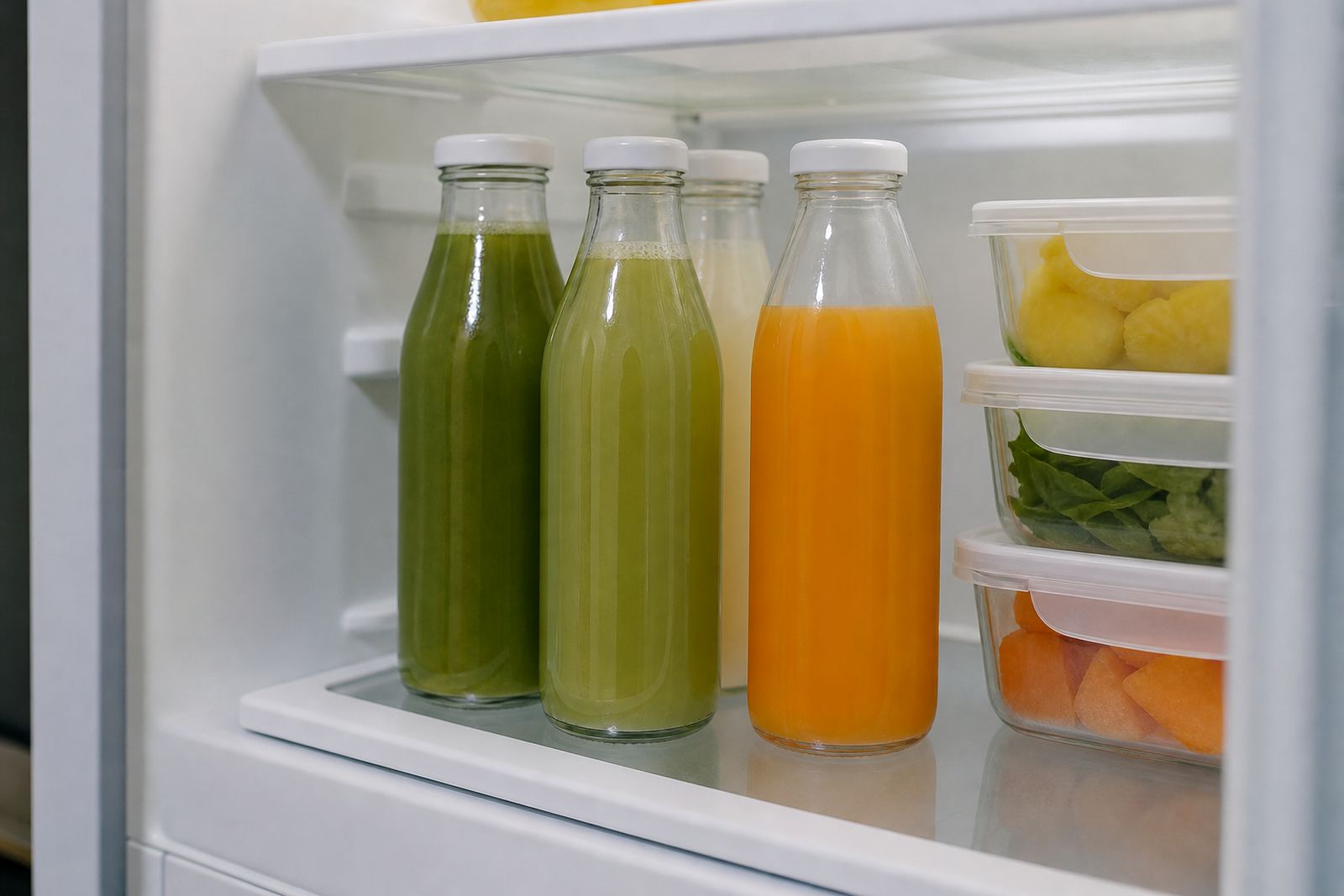
Fresh juice does not hold forever, even when chilled. Once produce is cut and blended or pressed, it is exposed to air and can spoil faster than whole fruit. If you are making juice ahead for breakfast or for a work shift in Johannesburg or Pretoria, use clean bottles or jars with tight lids and place them in the fridge as soon as possible.
If the kitchen warms up, keep juice out of the sun and return it to cold storage quickly. Never top up an old bottle with new juice, because that mixes fresh liquid with anything that may have already started turning.
- Use clean, food-grade containers with lids that close properly
- Label the date and time if you prepare several bottles at once
- Refrigerate immediately after pressing or within a short window
- Discard juice that smells sour, tastes odd or shows bubbling
Food-safe habits for the sink, counter and hands
Good hygiene in the kitchen begins before the machine is switched on. Wash your hands with soap and water before handling produce, parts or storage containers. Keep a dedicated area for juicing so you are not using the same board for raw meat, onions or uncooked poultry. Cross-contamination can happen very quickly on a busy counter.
Use separate utensils for washing, cutting and serving. If you prep produce near other foods, clean the work surface first and again after use. A mild disinfectant wipe or a clean cloth with hot soapy water can help between tasks. On a coastal base in Paarden Eiland, where salt in the air can add to surface grime, wiping down the counter and machine after use is a practical habit, not a luxury.
- Keep a hand towel for dry hands only, not for wiping spills
- Use separate chopping boards for fruit and raw meat
- Wash knives and peelers before and after juicing
- Dry the counter so water does not pool around plugs or cords
When a machine needs attention before the next batch
If your juicer starts leaking, rattling, smearing pulp or leaving wet residue in places it should not, stop and check the parts before using it again. A cracked seal, blocked screen or loose lid can create cleaning problems and may also make the unit less safe to use. This is especially worth checking on machines that are moved often between cupboards and counters.
Keep an eye on worn brushes, damaged screens and cables with visible scuffing. If a part does not fit correctly after washing, do not force it. Refit it gently and inspect the locking points. For home users in Stellenbosch, Somerset West and the wider Cape Town area, the best routine is to look over the machine before every juicing session so issues are spotted early.
- Check for cracks in bowls, lids and juice containers
- Inspect seals for flattening, tears or sticky spots
- Listen for unusual vibration or scraping sounds
- Replace worn cleaning tools so debris can be removed properly
A short checklist before you pour the first glass
A few calm minutes before juicing can prevent mess, contamination and wasted produce. Keep this list near the machine or inside the cupboard so the routine stays the same each time. It works for a quick morning batch or a full clean-out on a Sunday afternoon.
- Wash hands and clear the counter
- Rinse produce under running water
- Inspect the machine and confirm all parts are clean and dry
- Check that the plug and cable are dry and undamaged
- Use a clean container for juice
- Refrigerate leftovers immediately
If you need help with first time setup, deep clean guidance, seal replacement, screen care or leak troubleshooting, the team can be reached through the enquiry form on the contact page. MiniPress works from Paarden Eiland and delivers across South Africa, including Cape Town, Johannesburg, Durban, Pretoria and George.
Storage sense for busy kitchens and small fridges
Good storage is often where food safety slips. Fridges in compact flats or shared homes can fill quickly, so place juice where it will stay cold and not get knocked over. Keep it away from raw meat juices, open sauces and leftovers that may drip onto the lid. If you are storing chopped produce for later juicing, use sealed containers and keep them near the back of the fridge where the temperature is steadier.
Prepared juice is best treated as a short-term item, not something to leave standing through the day. In warmer weather, especially in Durban or when the power goes off, move containers back to cold storage as soon as you can. Clean containers, a tidy fridge and a fixed routine make a bigger difference than most people expect.