When the kettle is on and the fruit bowl is full
Family breakfast juicing usually starts before school bags are zipped and before the last cup of tea has cooled. In that rush, the machine has to be steady, easy to load and quick to clear away. For many homes, the goal is not a complicated routine, just a morning flow that gets juice onto the table without turning the sink into a problem. A well chosen juicer helps with that, whether the kitchen is in a flat in Paarden Eiland, a house in Stellenbosch or a busy family home in Durban where mornings get moving fast.
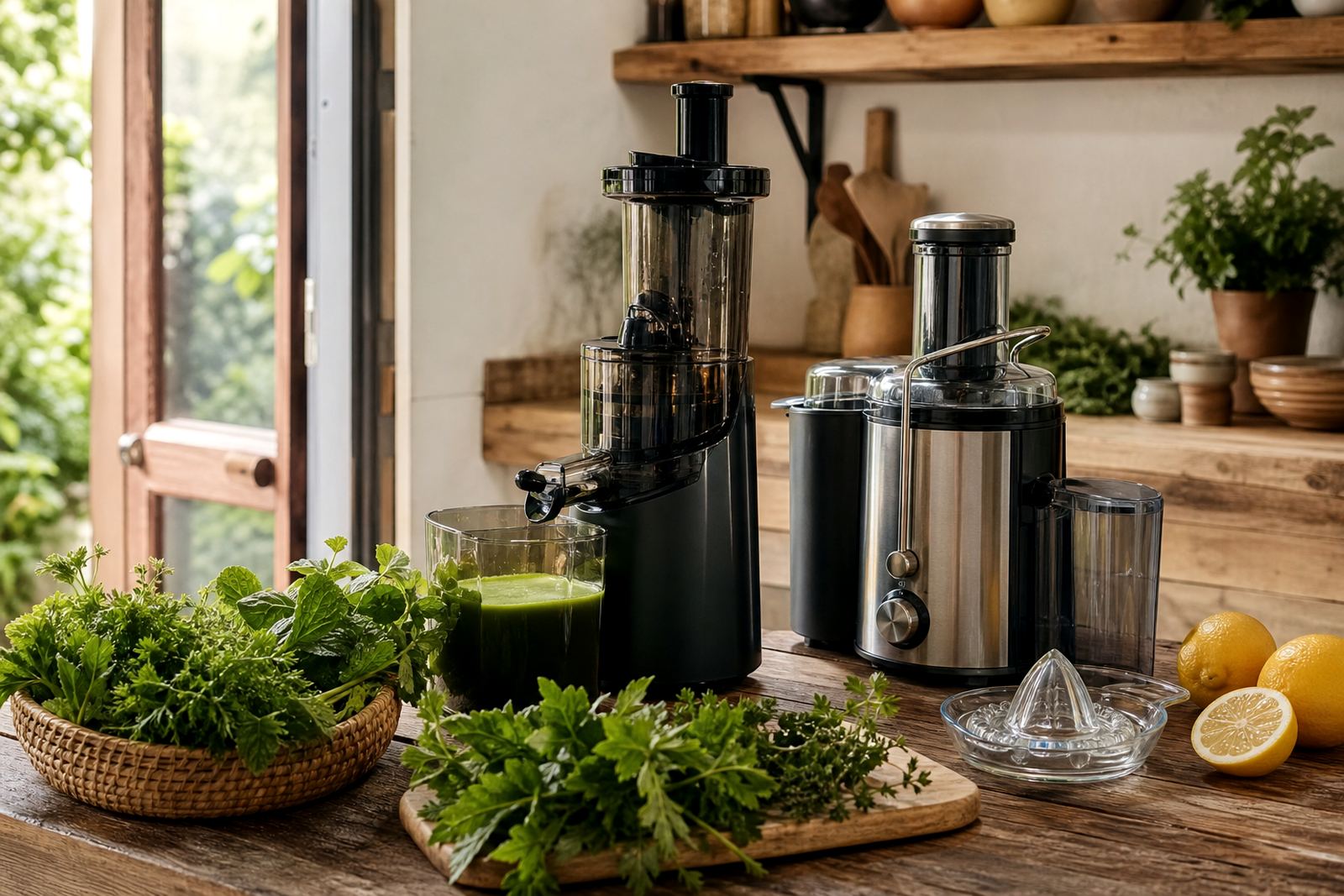
Slow masticating juicers work at a slower speed and press produce through an auger and screen. They suit leafy greens, softer fruit and smaller batches where people want less froth and a slower pace. Centrifugal juicers use a fast spinning basket and can be handy when several glasses are needed quickly. Cold presses use pressure rather than high speed grinding, which is useful for homes that prefer a gentler extraction method. The right choice depends on the family routine, the amount of counter space and how much time is available before everyone heads out the door.
What usually sits on the counter in a family kitchen
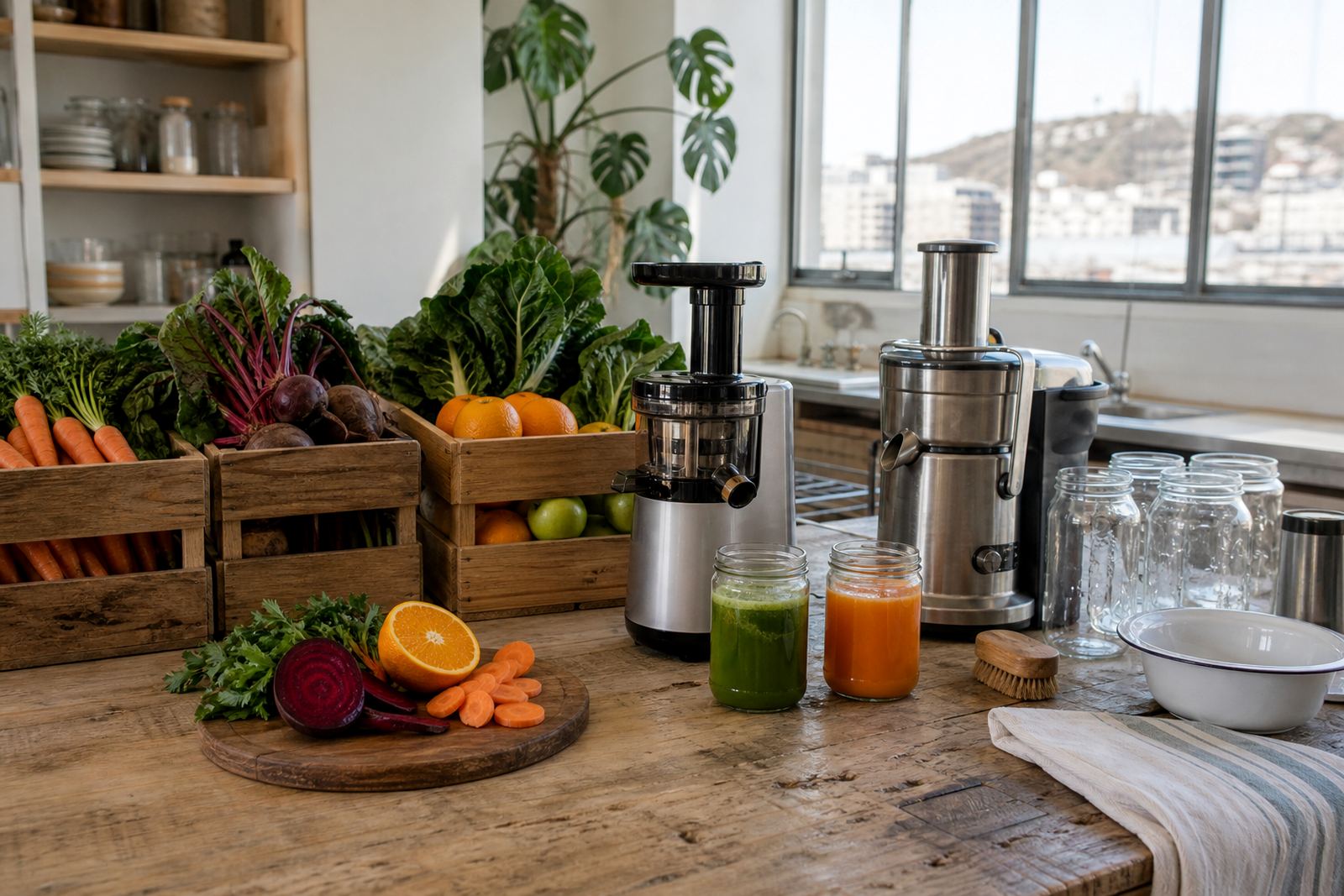
For a breakfast setup, the equipment list is often modest but it needs to be practical. A machine with a stable base, a feed chute that matches the produce used at home, and parts that come apart without a struggle makes a difference. In a Cape Town kitchen with limited plug points or in a Pretoria home where the counter is shared with a toaster, layout matters as much as the machine itself. Families also tend to appreciate a jug with a pouring lip, a pulp container and brushes that reach into narrow screens.
- Slow masticating juicer for softer fruit, greens and quieter early mornings
- Centrifugal juicer for faster prep when everyone is waiting
- Cold press unit for careful extraction and family routines that allow a slower pace
- Storage containers for cut produce kept safely in the fridge
- Cleaning brushes, rinse bowl and a drying rack near the sink
Where children help in the kitchen, the safest approach is to keep the machine on a dry, level surface and away from the edge of the counter. Wet hands and loose cables are a poor combination. A machine placed too close to the sink or the stove can become awkward fast, especially in small kitchens where breakfast and lunch prep happen in the same corner.
Planning the kitchen flow before the first orange is cut
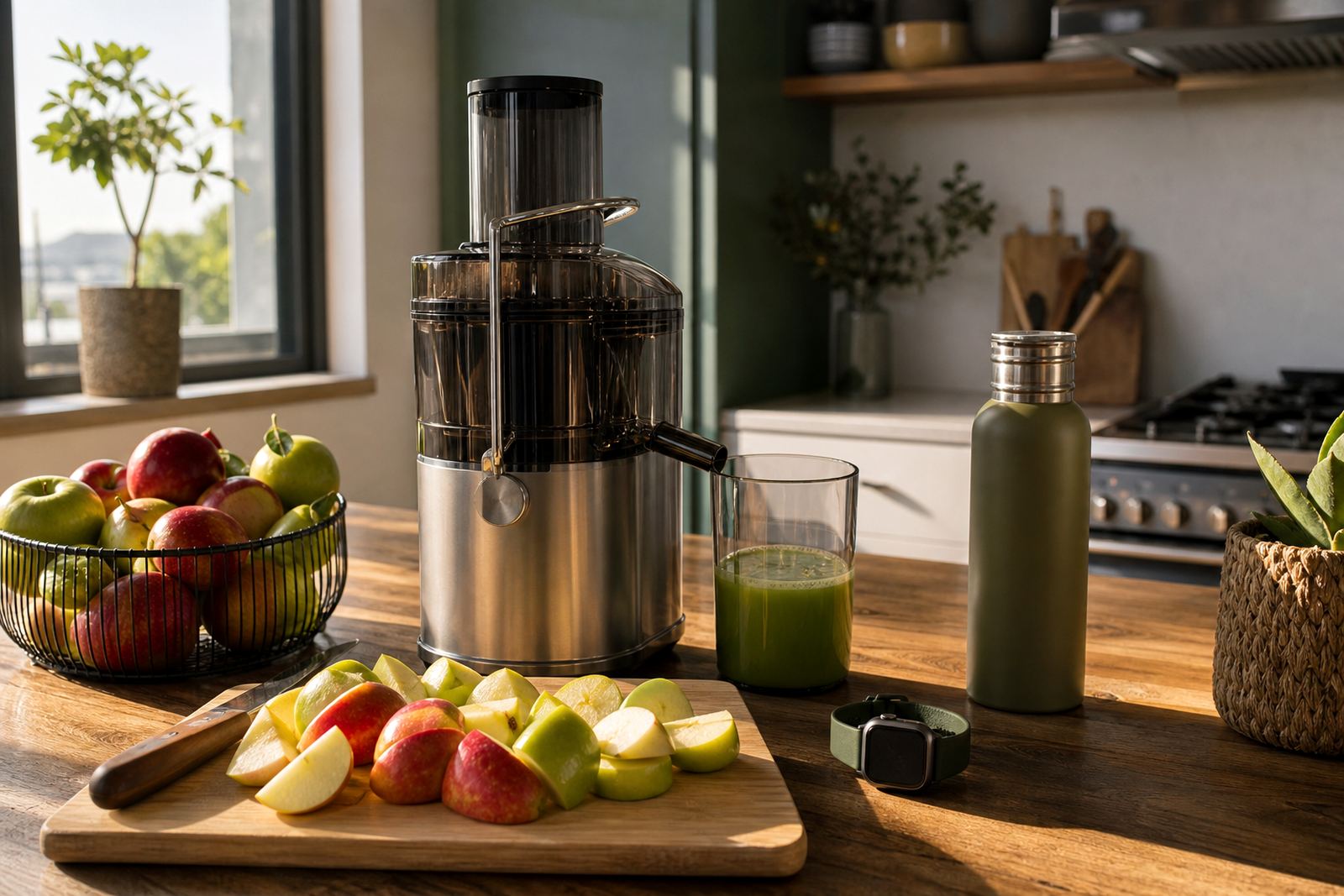
Good planning cuts down on clutter and helps keep food handling clean. The best breakfast setup is usually a short line from fridge to prep board to machine to sink. Keep raw produce separate from dirty utensils, and wash fruit and vegetables under clean running water before juicing.Cut, wash and store the produce first, then juice in one go once the family is ready.
Families in coastal areas like George or Durban should also think about moisture and storage. Parts must dry properly before being packed away, otherwise seals and screens can hold smell or develop mould. In a humid kitchen, leave components on a rack until fully dry. If the machine is kept in a cupboard, make sure the area is not cramped or damp. Good airflow around the unit, and a clean cloth for wiping the base, helps the equipment stay ready for the next morning.
- Pre-cut fruit the night before and store it covered in the fridge
- Keep the machine close to the sink but not beside the tap
- Use a separate board for produce and another for bread or cooked food
- Clear the counter before starting so pulp and drips do not spread
Mistakes that turn breakfast into a clean-up job
The most common mistake is overfilling the feed chute or forcing hard produce too quickly. That can strain the motor, leave wet pulp behind and create more mess than needed. Another common issue is leaving the screen or strainer to dry with pulp still stuck in it, which makes the next clean-up harder. In some homes, the machine gets pushed into storage while still damp, then the first thing in the morning is a sticky smell and a blocked part. That is poor food safety and poor routine.
Families also sometimes forget that different machines need different handling. A centrifugal juicer can be fast, but soft fruit may need more careful feeding to reduce splatter. A slow masticating machine should not be rushed with oversized pieces that jam the feed area. Cold presses need patient loading and proper cleaning of pressing parts. No matter which machine is in use, the habit of rinsing parts soon after use is better than waiting until later in the day when residues have dried on.
Noise is another practical point. If the breakfast table is right next to the kitchen, a louder machine can unsettle the whole room. A lower-speed unit may suit an apartment or shared home better, while a faster unit can suit a larger family where speed matters more than quiet running.
What the budget often looks like in Rand
For family breakfast use, budget tends to follow the machine type and the amount of support needed after purchase. Basic centrifugal juicers are usually the lowest entry point, while slow masticating juicers and cold presses generally sit higher because of the extraction method and parts involved. If a family wants a machine with stronger casing, easier cleaning parts and better control over pulp and juice separation, the price can rise further. It is worth planning for brushes, spare seals or extra strainers when needed, not just the machine itself.
As a working guide, many homes look at a broader range rather than a single figure, because the right machine for a small flat in Cape Town may not be the same as one used by a larger household in Johannesburg. A sensible family budget might start with a lower entry model and move up if daily use is heavy. For households wanting regular guidance on setup, seal replacement or screen care, support matters just as much as the box the machine arrives in.
- Entry level centrifugal juicers for quick morning use
- Mid range slow masticating units for quieter, slower routines
- Higher priced cold presses for families that want pressure based extraction
- Allowance for spare parts, brushes and routine care items
Keeping the breakfast machine ready for tomorrow
A family juicing routine works best when the machine is easy to return to the shelf or cupboard after use. Rinse the removable parts straight away, brush the screen while residue is still soft and wipe the base before packing it away. If the machine starts to rattle, leak or vibrate more than usual, it is worth checking the seals, plug and load balance before the next use. That small check can prevent a bigger repair later.
MiniPress supports home juicer and cold press buyers from Paarden Eiland and across South Africa with practical help for first time setup, deep clean guidance, spare parts help, seal replacement, screen care, leak troubleshooting, noise vibration checks, storage care, cable plug checks, brushes and tools, routine care plans and video support calls. For families, that means the breakfast routine can stay orderly without turning into a weekend repair job. Whether the delivery goes to Cape Town, Pretoria or George, the aim is the same: a kitchen that is ready before the toast pops.