A morning routine that does not take over the kitchen
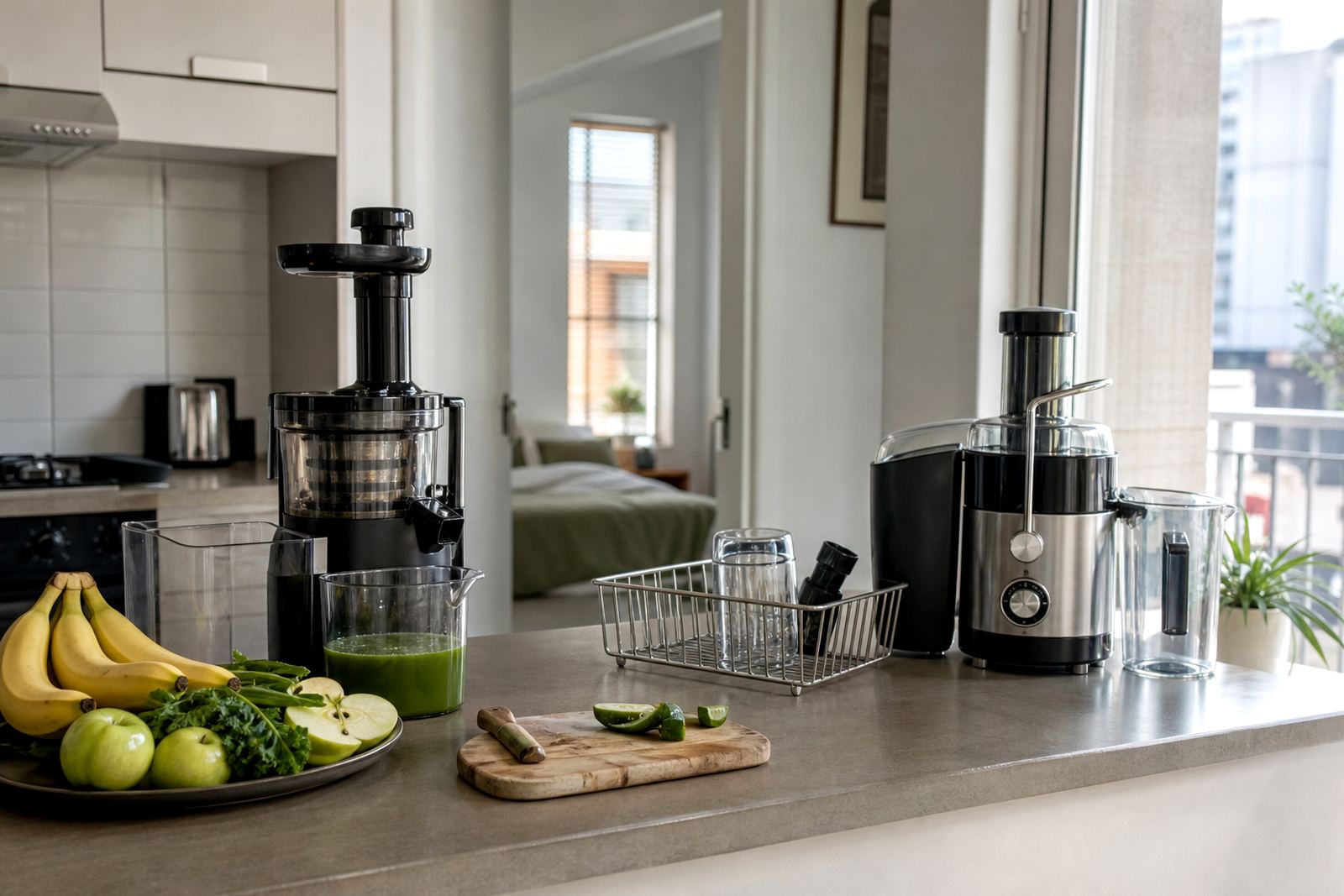
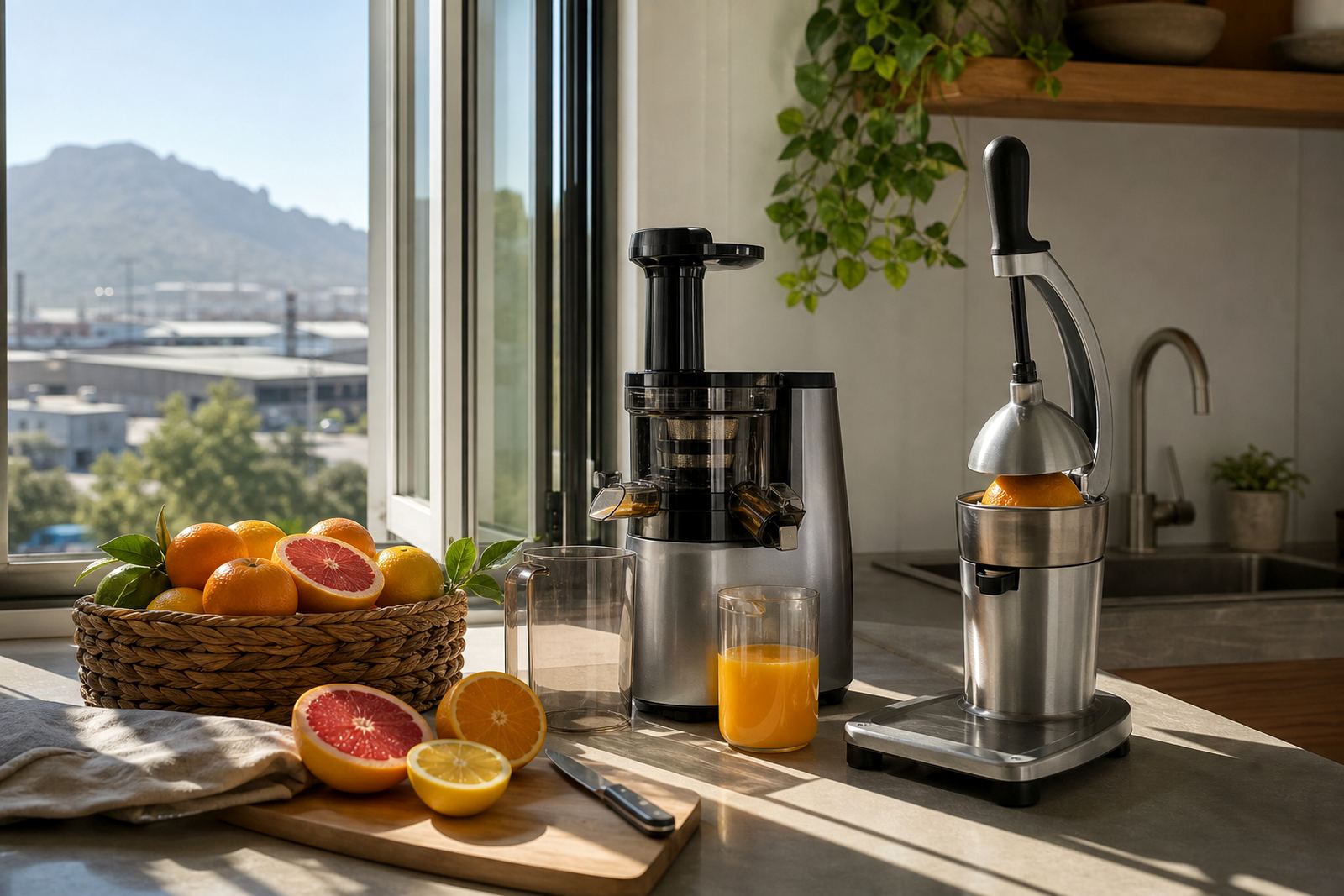
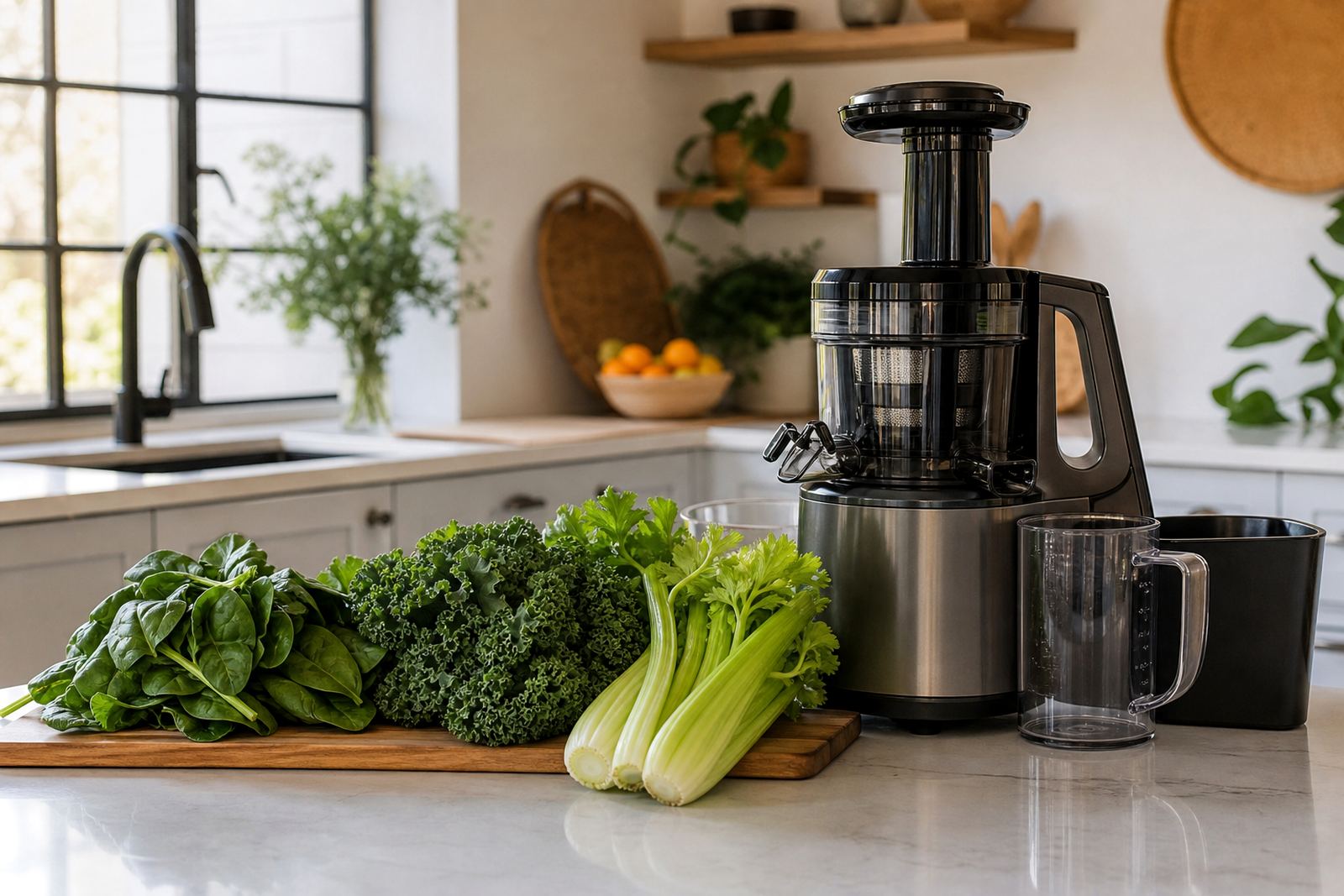
Many retired couples want a machine that fits into a settled daily pattern: out on the counter, used without fuss, then cleaned and put away before the next meal. In a Paarden Eiland home, that often means a compact slow masticating juicer for leafy greens and firmer fruit, or a centrifugal juicer when speed matters more than yield. A cold press suits households that like a gentler process and less foam in the jug.
The right choice depends on how the kitchen is used. If one person likes to prep fruit while the other washes the parts, a wider feed chute and fewer components can make a big difference. If the setup sits near a sink or a small prep board, keep the footprint measured so cords, plugs and lids do not crowd each other.
- Slow masticating juicers work at a slower speed and usually handle a wider mix of produce.
- Centrifugal juicers are faster for hard fruit and vegetables, but can be louder.
- Cold presses are often chosen for quieter operation and careful juice extraction.
What usually suits a calm two person household
For a retired couple, the best setup is usually practical rather than complicated. A slow masticating unit can be a good fit if the household wants a calmer sound level and time to take care with washing. A centrifugal model may suit a pair that values quick mornings and does not need every batch to sit for long. A cold press is often a sensible middle ground when the kitchen routine is unhurried and the machine will be used several times a week.
Planning also matters. Coastal humidity in Cape Town can leave parts feeling damp if they are packed away too quickly, so it helps to dry screens, seals and containers fully before storage. In older homes, especially where plug points are limited, check cable reach and keep the unit on a level surface. That prevents wobble and helps with noise and vibration, which can become more noticeable on a light counter.
- Allow space for a jug, a waste bowl and a drying rack near the sink.
- Keep pulp containers easy to lift, especially if the unit is used daily.
- Store brushes and tools in the same cupboard to avoid searching for pieces later.
Cleaning without turning breakfast into a chore
Cleaning is often what decides whether a juicer gets used regularly or pushed to the back of the cupboard. A simple routine works best: rinse parts soon after use, brush away fibres from the screen, and wash seals carefully so residue does not build up. A retired couple does not need a complicated process, but it does help to know which parts separate in what order.
Food safety is mostly about clean surfaces, dry storage and careful handling of produce. Wash fruit and vegetables before juicing, keep raw ingredients off dirty counters, and do not leave juice standing at room temperature for too long. If a machine has rubber seals or a fine screen, check for trapped pulp, as that can affect flow and taste and lead to odours. Small checks matter more than people think, especialy with daily use.
- Rinse immediately after juicing so fibres do not dry onto the screen.
- Use soft brushes rather than sharp objects on mesh or fine strainers.
- Let all parts dry fully before reassembly or storage.
- Replace worn seals before leaks start around the base or lid.
A sensible kitchen layout for paired use
When two people use the same machine, the layout should support a steady handover. One person may load produce while the other empties the pulp bin and rinses the jug. Set the machine where both can reach it comfortably, with enough room for lids, pusher tools and containers. A corner next to the sink is often more useful than a central island if the household wants less mess spread across the room.
In apartments or townhouses in Johannesburg, Pretoria or Durban, noise can be a bigger concern than in a free-standing home, so a heavier base and non-slip feet are worth looking at. For George and Stellenbosch households where storage space can be tight, a model with fewer detachable parts may be easier to keep tidy. The goal is not a kitchen packed with equipment, but a small setup that is easy to live with.
- Keep the juicer near a power point, not across a walkway.
- Leave room for the lid to open fully without bumping cupboards.
- Use a tray or mat under the machine if the counter is smooth or prone to moisture.
Common slip-ups that cause frustration later
Most problems in a home juicing routine come from avoidable habits. Packing produce too fast can overload a chute. Forcing hard ingredients into a small opening can stress the motor or the auger. Leaving pips, peels or fibrous stems in the mix can also create jams, especially in slower machines. A careful rhythm is usually enough to avoid these issues.
Another common mistake is storing parts while still damp. That can lead to smells, staining and sticky residue on screens and seals. A couple who wants to keep things orderly should also avoid overfilling containers, as a spill near the plug or base is a nuisance and can create extra cleaning work. If the unit begins to sound louder than usual, it is worth checking alignment, screen condition and whether the feet are sitting flat.
MiniPress can assist with first time setup, seal replacement, screen care, leak troubleshooting, brush guidance, cable and plug checks, routine care plans, and video support call options for customers who want help without guesswork. The base in Paarden Eiland is useful for South African households that need delivery support in Cape Town, Johannesburg, Durban, Pretoria and George.
Budget bands that match a modest household plan
Budget choices depend on the type of juicer, the materials used and how much work the household wants the machine to do. In South African Rand, a basic centrifugal juicer may sit in a lower band for a couple who wants speed and straightforward use. A slow masticating juicer or cold press usually sits in a higher band because of the pressure system, slower extraction method and parts involved. Replacement items such as seals, screens and brushes should also be allowed for in the household budget.
A practical approach is to decide what matters most: quieter use, a smaller footprint, or quicker cleaning. Then match the budget to that priority, rather than buying the largest model available. A retired couple often gets better value from a well matched machine and proper care than from a bigger unit that stays boxed after the first few weeks.
- Lower budget: entry level centrifugal units for occasional use.
- Mid range: slow masticating models for regular home use.
- Higher range: cold presses and heavier units for quieter, more careful routines.