
Morning bottling without the kitchen chaos
For school runs in Cape Town, Johannesburg or Durban, the pressure is usually on before 7am. A good bottle routine starts with a clear space on the counter, washed bottles ready to go and a juicer or cold press that matches how much you fill in one session.
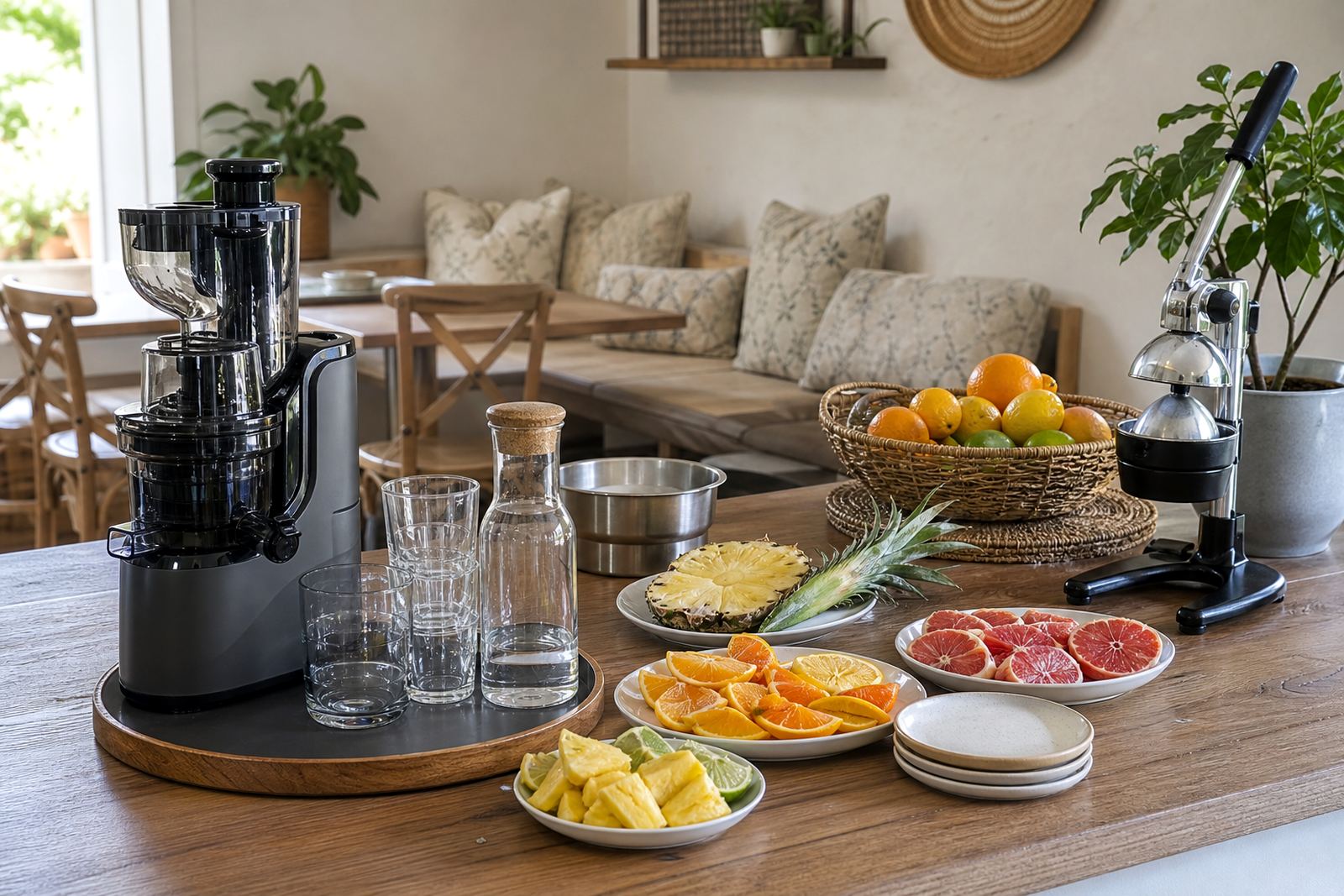
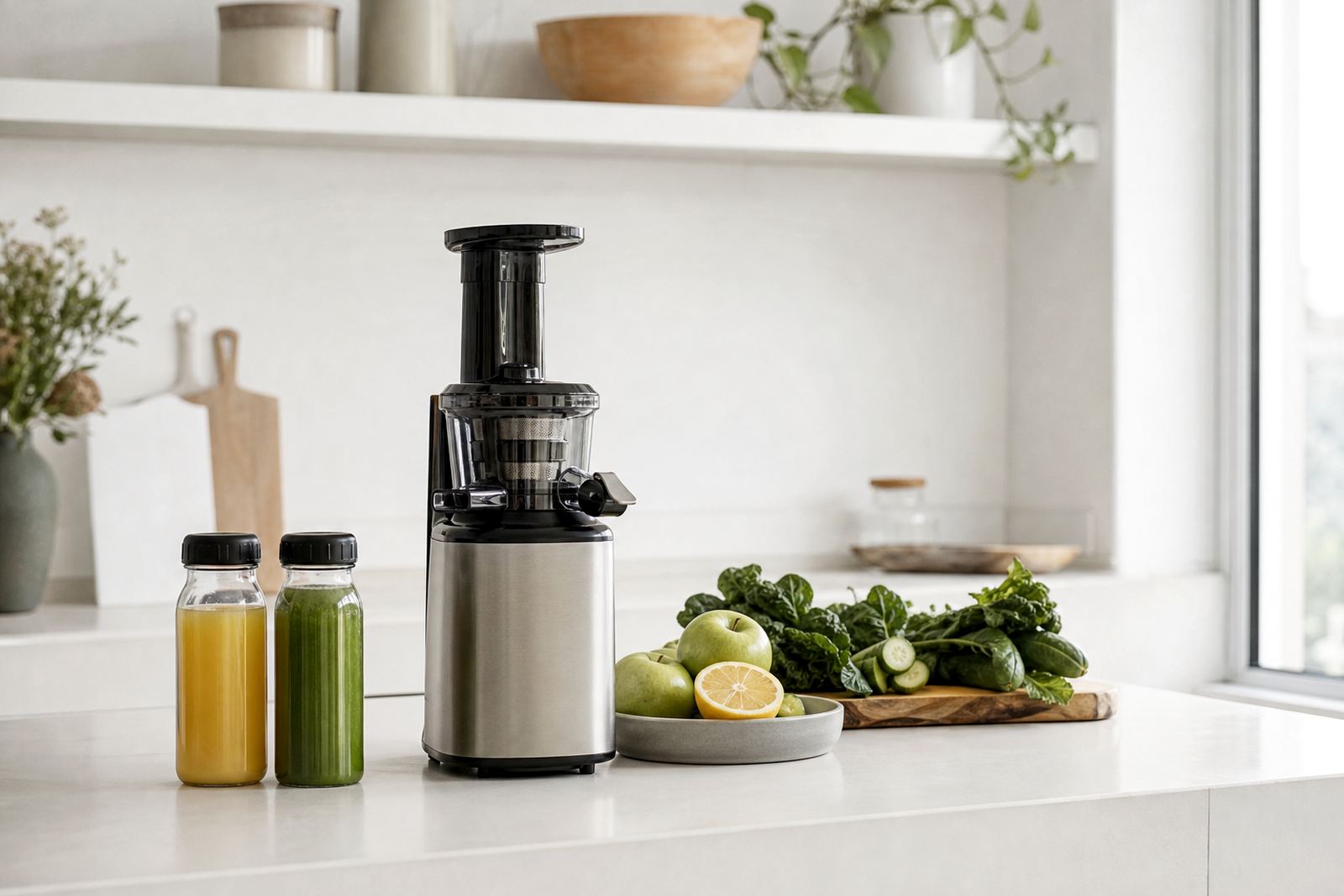
Slow masticating juicers suit homes that want a quieter unit and a finer control over juice flow, while centrifugal juicers are handy for faster, lighter prep when you are dealing with a bigger fruit basket. A cold press is useful when you want to batch juice, chill it properly and pour it into smaller bottles for the week, but it still needs careful cleaning straight after use.
- Use bottles with tight lids and a wide enough neck for easy filling.
- Leave a little headspace if the bottle will sit in the fridge overnight.
- Label bottles by child, day or flavour so there is no morning mix-up.
The bottle set that actually works at school
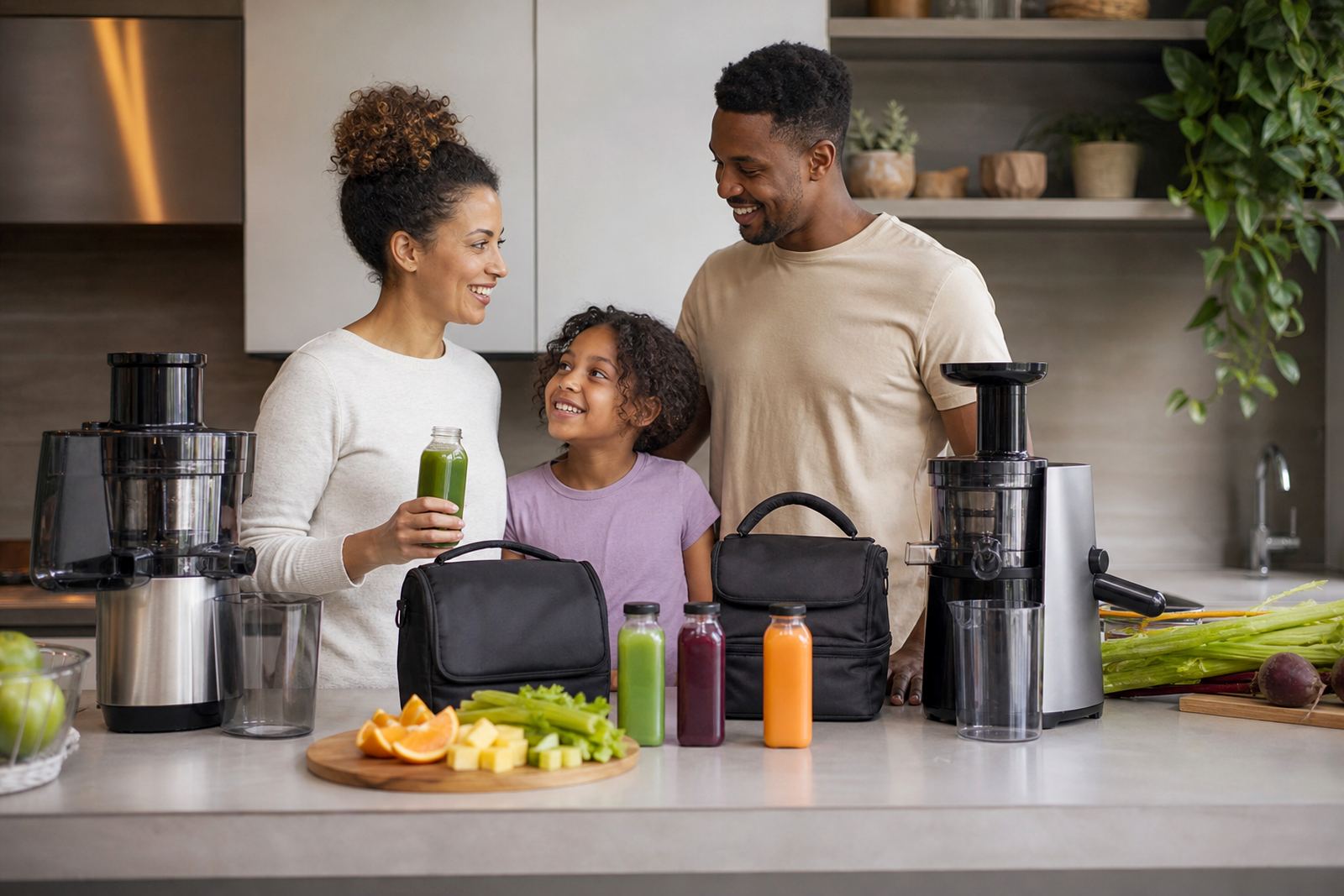
For lunch bags, the best setup is usually smaller bottles rather than one large one. A 250 ml or 330 ml bottle is easier to finish during break and less likely to tip in a bag. If your household packs for several children, keep a few spare bottles and caps in the same cupboard as the lunch boxes so nothing gets separated.
Food safety matters here. Juice and other drinks should be made with clean hands, washed produce and equipment that has been rinsed well after use. Bottles need a proper wash every day, especially around the cap thread and seal where sticky residue can sit. In humid coastal areas like Paarden Eiland or Somerset West, drying matters too because trapped moisture can leave smells or spoil a fresh batch faster.
- Glass bottles keep flavour well but need more care in school bags.
- Plastic bottles are lighter, but check that the lids seal properly.
- Insulated bottles help with transport, though they still need a clean interior.
Layout planning for fridge space and fast grab-and-go
A bottle station does not need much space, but it does need a sensible layout. Keep the juicer close to the sink, the bottles close to the fridge and the drying rack out of the way of school bags and lunch prep. If you are in a flat in Pretoria or a townhouse in George, even a narrow counter can work if each item has its place.
For families who batch prepare, plan the route from washing to pressing to filling to cooling. Juice should not sit around on a warm counter while you are looking for caps or labels.If the fridge is full, use a shallow tray so bottles stand upright and do not roll.
- Keep a small tray for clean caps, seals and measuring jugs.
- Store spare brushes and a bottle brush together for quicker washing.
- Allow enough fridge space for upright bottles, not laid flat.
Common slip-ups that make school packing messy
The usual mistakes are easy to spot. Overfilling bottles causes leaks in school bags. Under-tightened caps get knocked loose. Leaving pulp or residue in the lid causes smells and makes the next wash harder. Some homes also use bottles that are too tall for lunch bags, then have to squeeze them in sideways.
With juicers and cold presses, another issue is cleaning delay. Once fibre dries in the screen, seal or feed chute, it takes much longer to clear. A quick rinse after use saves time and helps prevent blocked parts. For families using citrus, berries or softer fruit often, a routine deep clean once a week helps keep the equipment in better shape.
- Do not store filled bottles without checking the cap seal first.
- Do not leave juice standing at room temperature for hours.
- Do not skip drying parts before putting the machine away.
What people usually spend in Rand
For a school lunch bottle setup, the spend depends on how often you prepare and how many bottles you need to keep in rotation. A basic centrifugal juicer for occasional use is usually the lower-cost option. A slow masticating juicer sits higher in price, while a cold press setup is often chosen for regular batch filling and calmer morning prep.
As a working guide, small household bottle accessories and cleaning tools may sit from about R80 to R400, a set of reusable bottles can range from about R120 to R600, entry-level juicers may start around R900 to R2 500, and more specialised cold press machines can sit from about R2 500 to R8 000 or more depending on build and output. Spare parts, seals and screen care items are usually far less than replacing a unit, so it is worth planning for maintenance from the start.
For delivery across South Africa, many households in Cape Town, Johannesburg, Durban, Pretoria and George choose equipment based on counter space, family size and how much washing they want to do each morning.
Support for bottle routines that need to stay tidy
MiniPress handles first time setup, deep clean guidance, spare parts help, seal replacement, screen care, leak troubleshooting, noise vibration checks, storage care, cable plug checks, brushes and tools, routine care plans and video support calls. That matters when a bottle station is part of the daily school run and there is no spare time for guesswork.
If a lid does not seat properly, a screen is clogging too fast or a motor is sounding rough, the fix is often small and practical. A clean routine, correct storage and the right bottle sizes usually solve more problems than changing the whole setup.
- Check seals before a long school week starts.
- Keep one spare bottle ready for a breakage or forgotten wash.
- Use the enquiry form on our contact page for setup or part guidance.