What this citrus press unit does at the counter
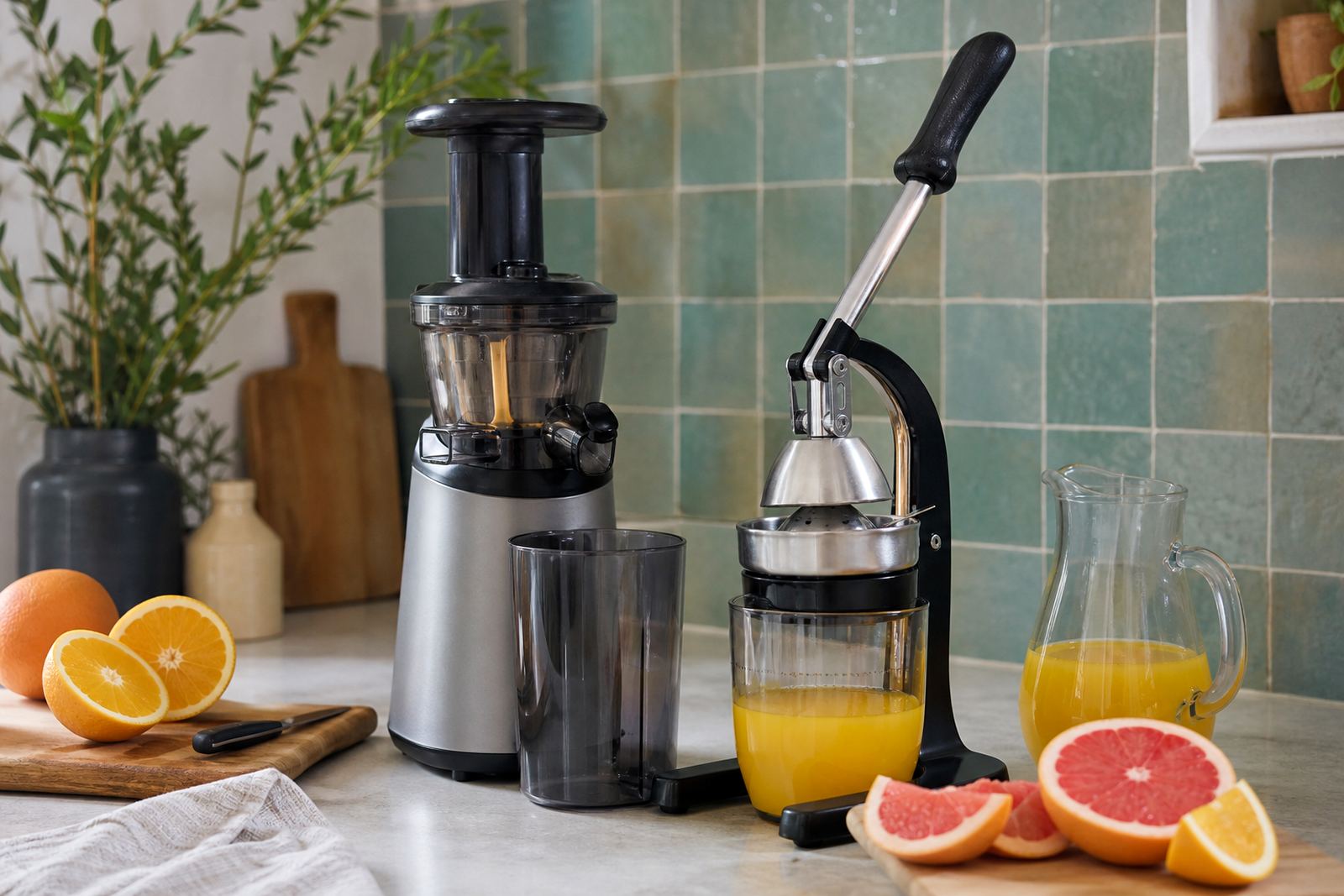
This citrus press unit is made for one job done properly, pressing halved citrus fruit for juice at home. The working bowl, cone and strainer sit together as a compact assembly, so the fruit is held in place while the pressure is applied and the juice runs into the jug or cup below. For families that use citrus often, it keeps the routine tidy and predictable, with less mess than squeezing by hand.
The unit suits kitchens where fresh orange juice, grapefruit juice or lemon and lime juice are made in small to medium batches. It is a practical fit for flats, family homes, guest houses and small catering counters in Cape Town, Johannesburg, Durban, Pretoria and George. Paarden Eiland stock handling and dispatch help us move orders quickly, while delivery can also be arranged to Stellenbosch and Somerset West.
Because citrus pressing is a direct process, the fruit size and the press opening need to match well. That is where the right cone, bowl depth and jug clearance matter. A good unit should feel steady on the surface, not tip when the handle is loaded and not splatter juice across the counter.
Slow juicing, centrifugal juicing and the place of a citrus press
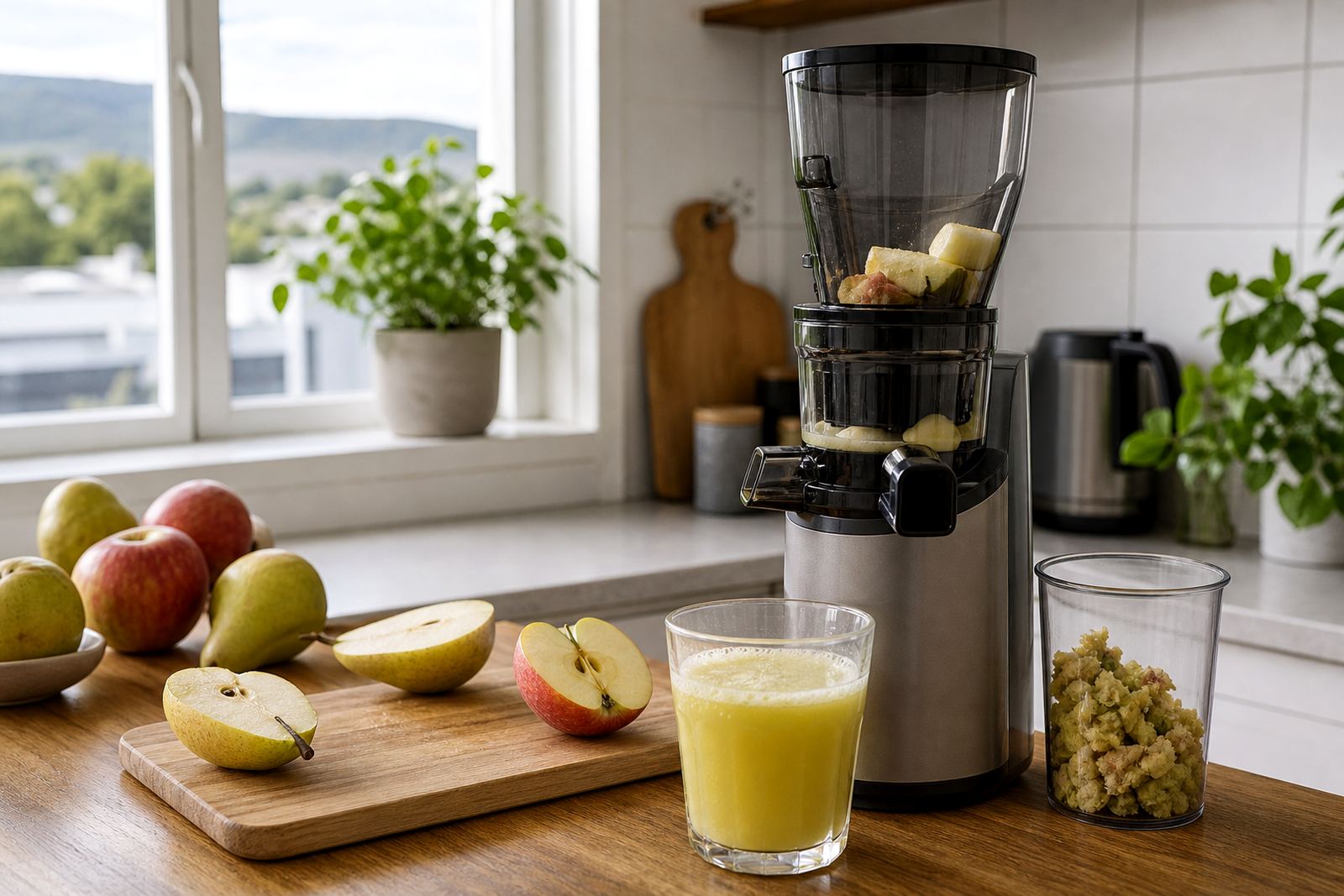
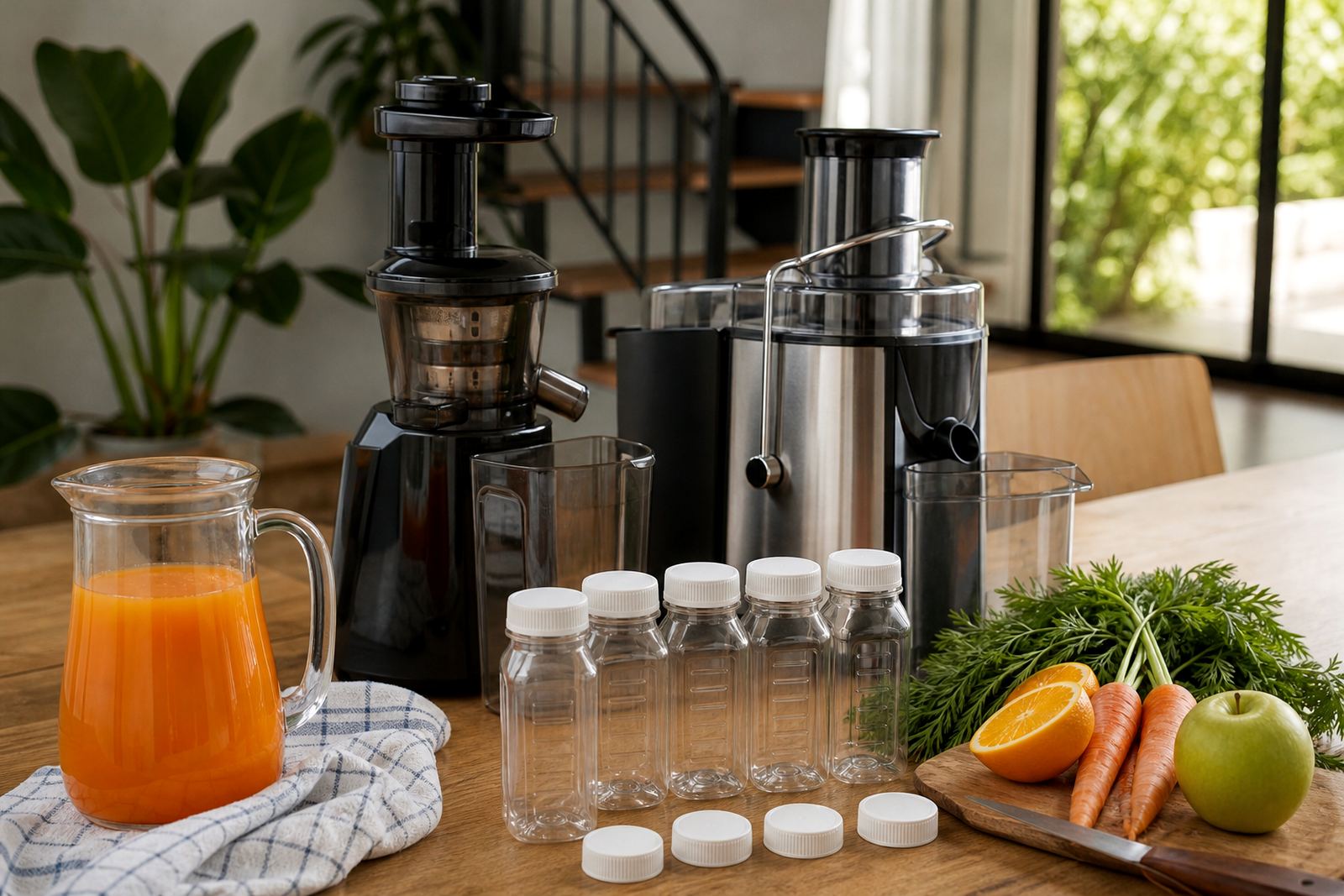
Home juicers are often grouped together, but they work in different ways. A slow masticating juicer crushes produce at a slower speed, which is useful for leafy greens, softer fruit and mixed produce. A centrifugal juicer uses a fast spinning basket to separate juice from pulp, and it is usually chosen when speed matters and fruit is being prepared in larger quantities.
A citrus press unit sits in its own category. It is shaped around citrus fruit only, with a reamer or pressing head that matches the soft flesh and segmented structure of oranges, grapefruit, lemons and limes. For a kitchen that mainly handles citrus, that focused design can make more sense than a general juicer, especially when the goal is quick morning use or a small service counter where the process must stay neat.
If you are comparing units for a home setup, think about the fruit you use most, the amount of washing up you can manage, and whether you want manual pressure or a powered press. Some households prefer the controlled feel of a hand press, while others want a motor-driven unit for repeated use through the day.
Sizes, finishes and fit for different kitchens
Citrus press units are commonly chosen in a few practical sizes. Compact home units work well on a narrow prep counter, while larger units offer a heavier base, wider bowl and a more stable frame for frequent use. The size you need depends on how often the machine will be used, whether the kitchen has limited counter space and whether the juice is made one glass at a time or in a bigger jug.
- Compact countertop units for daily home use and smaller kitchens
- Medium units for busy families, guest houses and light service use
- Heavier framed units for repeated pressing where stability matters more
- Manual press options for controlled use and lower moving-part wear
- Powered press options where faster turnaround is needed for regular batches
Finish and material also matter in South African kitchens, especially in coastal areas such as Cape Town and Durban where humidity can affect less careful storage. Smooth food-contact surfaces are easier to wipe down, and a base that resists movement helps when the counter gets wet. If the unit is stored near a sink or prep area, allow space for the bowl to dry fully before packing it away.
Fitting, power needs and stable installation points
Some citrus press units are manual and only need a stable surface, while powered models need a standard electrical connection and enough space around the base for safe use. If a unit uses a motor, the plug point should be positioned so the cable will not hang over the edge or sit in a wet area.
A press should sit flat and not wobble. On tiled counters or polished stone, even a small shift can make the handle feel uneven or the juice cup miss its mark. If the unit is used on a movable trolley, the wheels should lock properly. For fitted service counters, the unit must be placed where the operator can reach the handle, bowl and waste tray without stretching across hot appliances or sharp prep tools.
- Confirm whether the unit is manual or powered
- Check the available counter width, depth and overhead clearance
- Confirm plug position and cable length for powered models
- Allow space for juice collection, waste pulp and cleaning access
Cleaning, food safety and day-to-day care
Food safety starts with clean parts, dry storage and regular washing after each use. Citrus juice leaves sticky residue, especially around the cone, strainer and spout, so these parts should be rinsed soon after pressing. If pulp dries in place, it becomes harder to remove and can affect the flow on the next use. Mild detergent and warm water usually handle day-to-day cleaning, while removable parts should be dried fully before reassembly.
Where a unit is used by more than one person, shared parts should be cleaned between uses and kept off damp cloths or dirty prep surfaces. If the machine has seals, moving joints or a screen, those areas need extra attention because residue can collect there. For stainless or coated surfaces, avoid harsh scrubbing that can scratch the finish and make future cleaning harder. A brief wipe-down after use saves more time than one big clean later on, and it keeps the press ready for the next round.
We also help with deep clean guidance, screen care, seal replacement and routine care planning for units used often. If a press starts to drip at the spout, makes a new noise or feels less steady, it is worth checking the fit of the parts before the issue grows. That kind of early attention usually keeps a home unit in better shape.
Details to confirm before placing an order
To match the right citrus press unit to your kitchen, it helps to confirm a few practical details before ordering. These points keep the unit compatible with your counter, your power point and the fruit you use most often.
- Manual or powered model
- Counter space available in millimetres or centimetres
- Expected fruit size, from limes to large grapefruit
- Need for a jug, spout or direct cup fill
- Preferred finish and cleaning preference
- Whether spare parts support may be needed later
If you are ordering for a home in Johannesburg, Pretoria, George or along the Cape Town coast, delivery routing can be arranged through our South African dispatch process. Our team in Paarden Eiland handles first time setup, spare parts help, leak troubleshooting, cable plug checks, brushes and tools, storage care and video support where needed. Clients reach us through the enquiry form on our contact page, and we use that channel to confirm the right spec before dispatch.
For households that want a citrus press mainly for breakfast use, a smaller unit may be enough. For regular family use or light commercial service, a steadier frame and larger bowl may be the better call. The right fit comes down to how much fruit is pressed, how often it is used and how much cleaning time you want to spend after each batch.
Key facts
| Product type | Citrus press unit for home use |
|---|---|
| Fruit range | Oranges, grapefruit, lemons and limes |
| Operation | Manual or powered, depending on model |
| Typical capacity | Compact to medium batch pressing for household use |
| Materials | Food-contact parts with smooth wipe-clean surfaces |
| Support | Setup guidance, cleaning advice, spare parts help and troubleshooting |