
Quick-spin juicing for everyday kitchen use
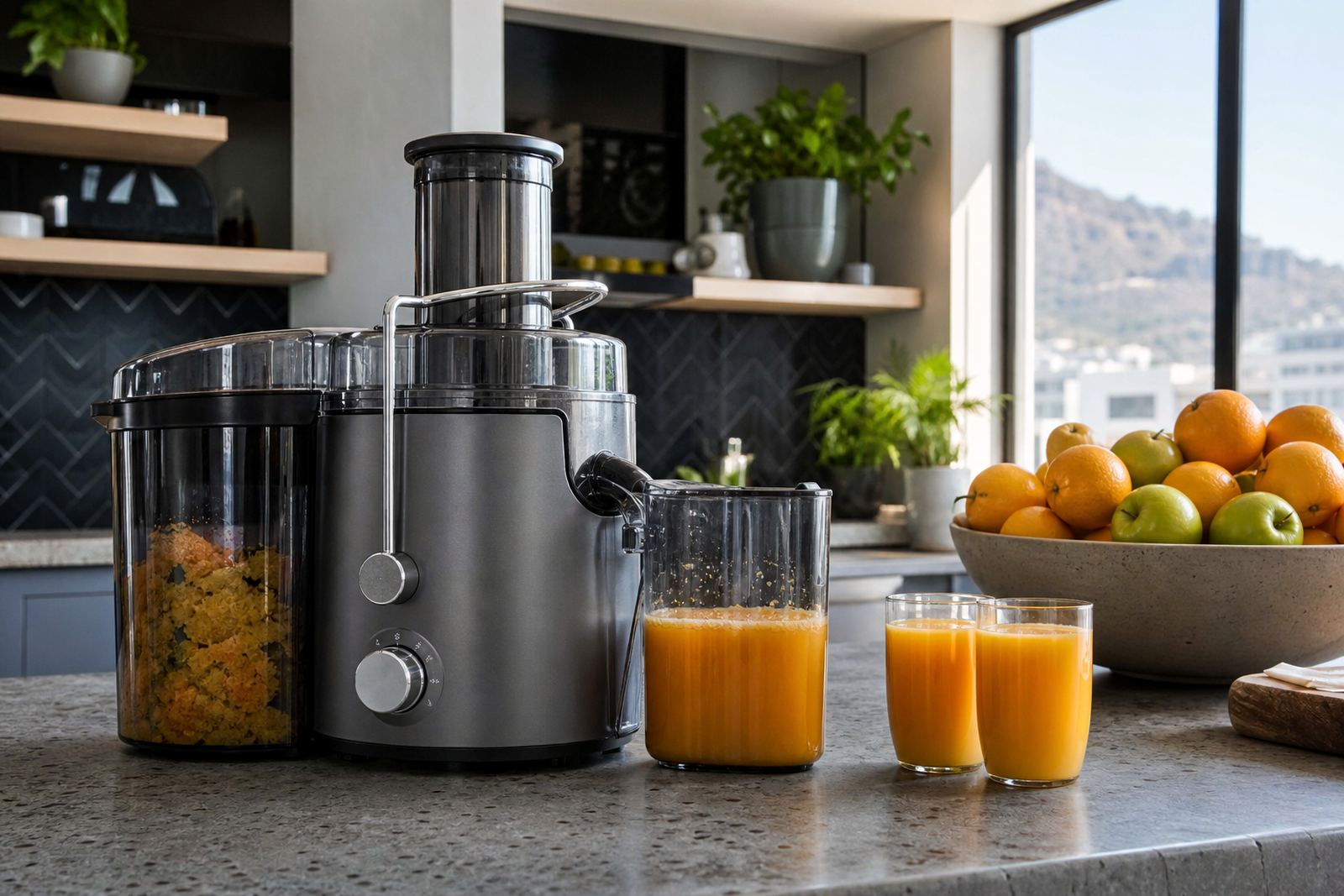
An entry centrifugal juicer uses a fast spinning grate to separate juice from pulp. It works well with firmer fruit and many common vegetables, making it a sensible choice for households that want a quick glass of juice without a long prep routine. The feed opening, motor speed and juice jug arrangement all affect how easy it feels in daily use, so it is worth matching the machine to the amount you normally make at once.
This type of juicer is usually chosen for speed rather than maximum yield. It is suited to homes in Cape Town, Johannesburg, Durban, Pretoria and George where mornings can be full and the kitchen counter space is limited. For buyers in humid coastal areas like Durban or Stellenbosch, cleaning after use is especially important so moisture does not sit on seals, baskets or the motor base.
Where this model fits in the range
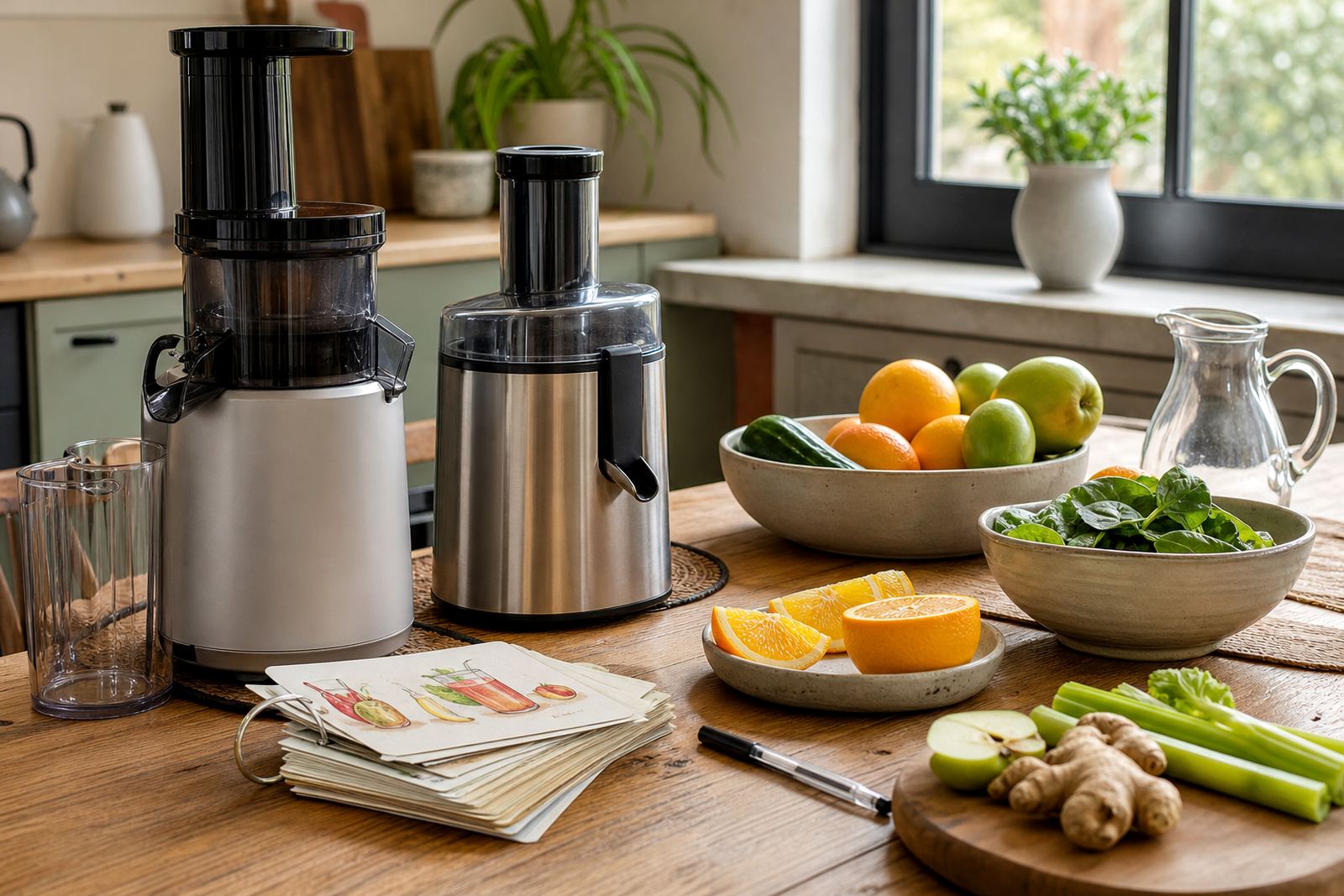
Entry centrifugal juicers sit below slow masticating units and cold presses in price and complexity, while still giving a solid everyday result. They are a sensible option for first time buyers, smaller households and anyone who wants a simple machine for short sessions. A fast juicer is usually best for apples, carrots, cucumbers, celery, citrus after peeling and similar produce that can move through the feed chute without much fuss.
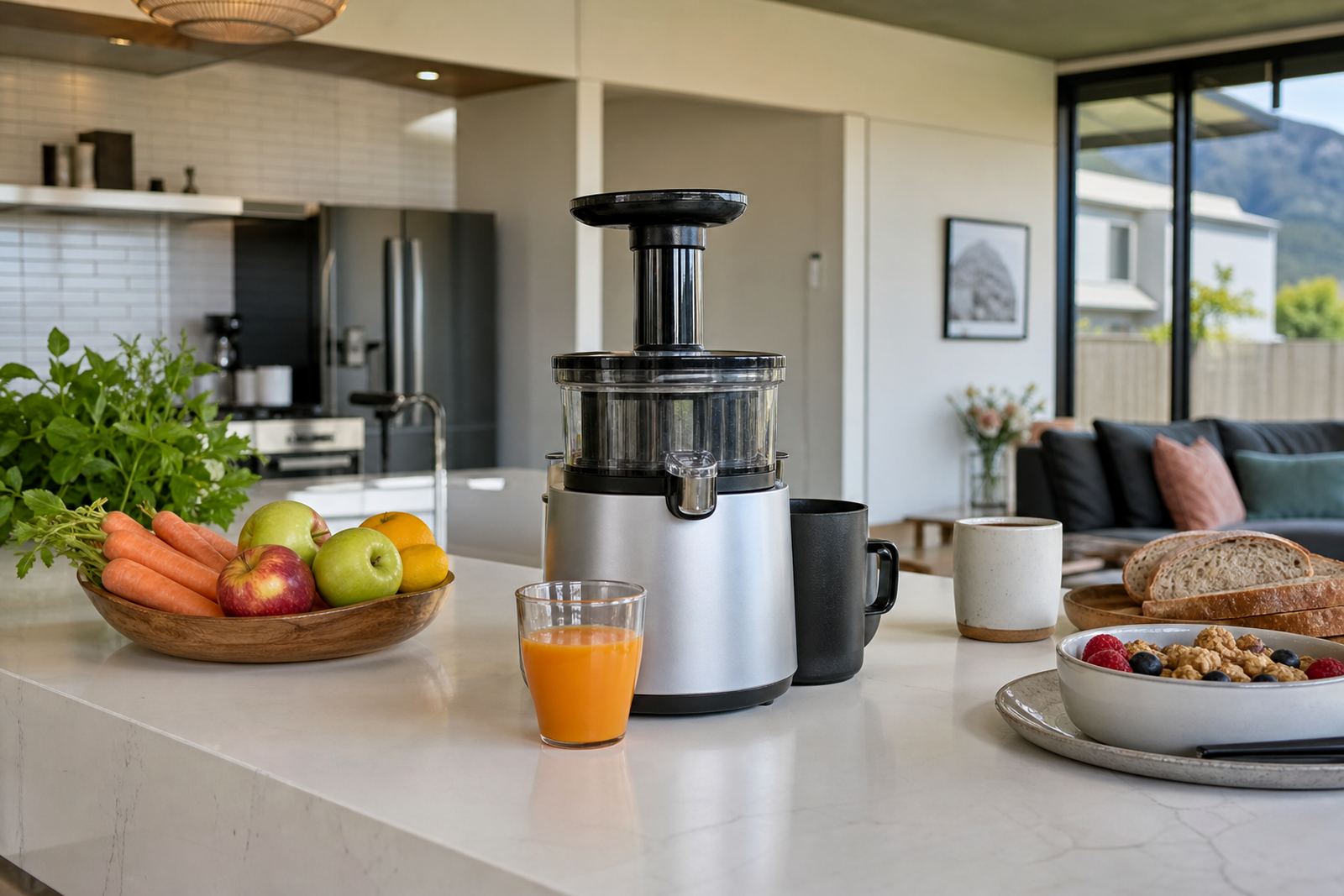
- Compact kitchen footprint for apartment counters and smaller sculleries
- Fast feed and spin cycle for quick batch juicing
- Useful for light to moderate home use rather than heavy all day operation
- Better suited to hard and medium-firm produce than leafy greens
Slow masticating machines and cold presses work differently, using a crushing or pressing action at lower speed. Those units are often picked when buyers want less foam and a different style of extraction. This entry centrifugal model is for the customer who wants speed, easy setup and a practical price point.
Sizes, jug options and motor detail
When you order, the most important detail is the size of the feed opening and the juicing jug arrangement. Some entry units come with a smaller chute that needs more chopping, while others have a wider opening that reduces prep time. Motor power also matters, because it affects how the juicer handles firmer pieces and how steady it feels when the basket starts spinning.
- Feed chute size: narrow, standard or wider opening depending on the model
- Motor output: typically listed in watts for household use
- Juice jug and pulp container: built-in or separate containers depending on layout
- Base size: compact, medium or larger depending on counter space
- Material mix: plastic housing with metal strainer or basket components on some models
If you are comparing options for a flat in Cape Town or a family home in Pretoria, check the overall height as well as the width. Tall units can fit under some wall cupboards but not others, and the pulp bin needs space beside the base. This kind of practical detail saves hassle later on.
Fitting, power and everyday placement
Most entry centrifugal juicers plug into a standard household power point and should be placed on a flat, stable counter near the socket. For safety, the plug should not hang over the edge of the counter or sit near water from a sink or rinsing area.
Good placement also matters for vibration. A loose counter or uneven surface can make a juicer walk slightly during use, especially at higher speed. Keep enough space around the back for the cable, and leave room beside the machine for the juice jug and pulp bin. If your kitchen has limited counters, measure the full footprint before ordering, including the lid height when locked in place.
Cleaning steps that protect food contact parts
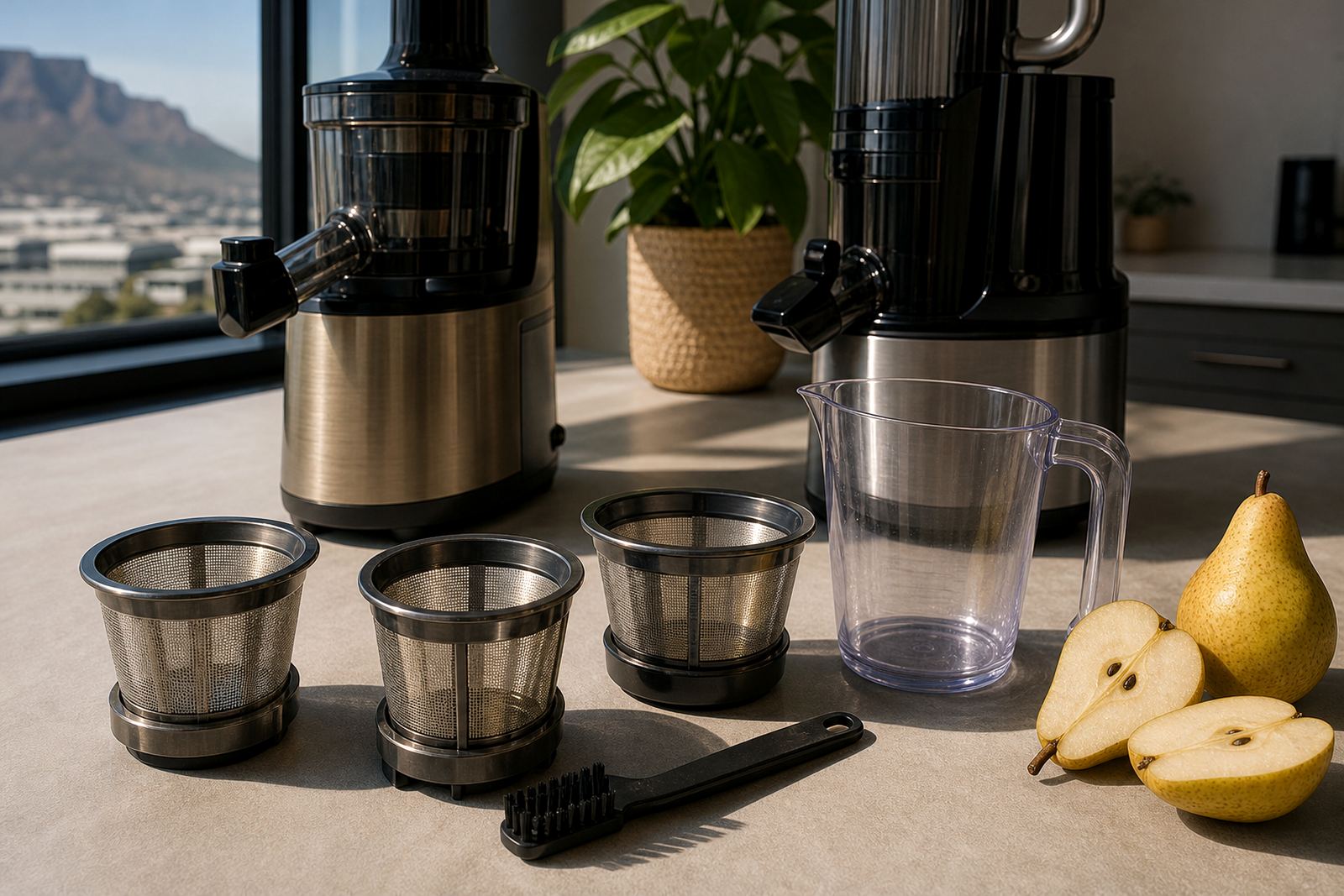
Food safety starts with cleaning soon after use. Fresh pulp dries quickly and can stick in the basket, lid spout and feed chute. Rinse removable parts under warm running water straight after juicing, then wash them with mild detergent and a soft brush. Do not leave wet parts stacked inside the machine overnight, especially in coastal towns where humidity can slow drying.
- Remove and rinse the basket, lid, pulp container and jug after each use
- Use a soft brush for the strainer screen and fine holes
- Wipe the motor base with a damp cloth only, then dry it off
- Check the locking tabs and seals for trapped pulp before storage
For stubborn build-up, a deep clean is better than forcing the mesh with a hard tool. Our team can guide first time users on safe cleaning methods, brush use and storage care so the parts last longer and remain hygienic. If the unit starts making a new noise after washing, it may need a seal check or screen care rather than a full strip down.
What to check before you place the order
Before ordering, confirm the exact juicer type, the chute size, the container style and the electrical plug setup for your home. Also check whether the model includes a juice jug, pulp container, cleaning brush or separate attachment set. If the appliance will be used in a busy household, it is worth confirming how easy the basket is to remove and whether the lid locks firmly during operation.
Tell us the delivery area and any access details for Cape Town, Johannesburg, Durban, Pretoria, George, Stellenbosch or Somerset West. If the unit is going into a kitchen with limited space, share the counter height and nearby cupboard clearance. For support after purchase, our Paarden Eiland base can assist with first time setup, spare parts help, leak troubleshooting, noise vibration checks, cable plug checks and routine care planning.
- Model type and intended produce mix
- Chute size and container layout
- Power point location and cable reach
- Kitchen space measurements for counter fit
- Delivery suburb and access instructions
Key facts
| Product type | Entry centrifugal home juicer |
|---|---|
| Juicing method | High speed spinning basket with pulp separation |
| Use case | Quick morning prep and straightforward household juicing |
| Power | Electric, household plug-in operation |
| Typical materials | Mixed plastic housing with screen and removable parts |
| Best suited produce | Apples, carrots, cucumbers, celery and similar firmer produce |