What this family-sized centrifugal juicer is built to handle
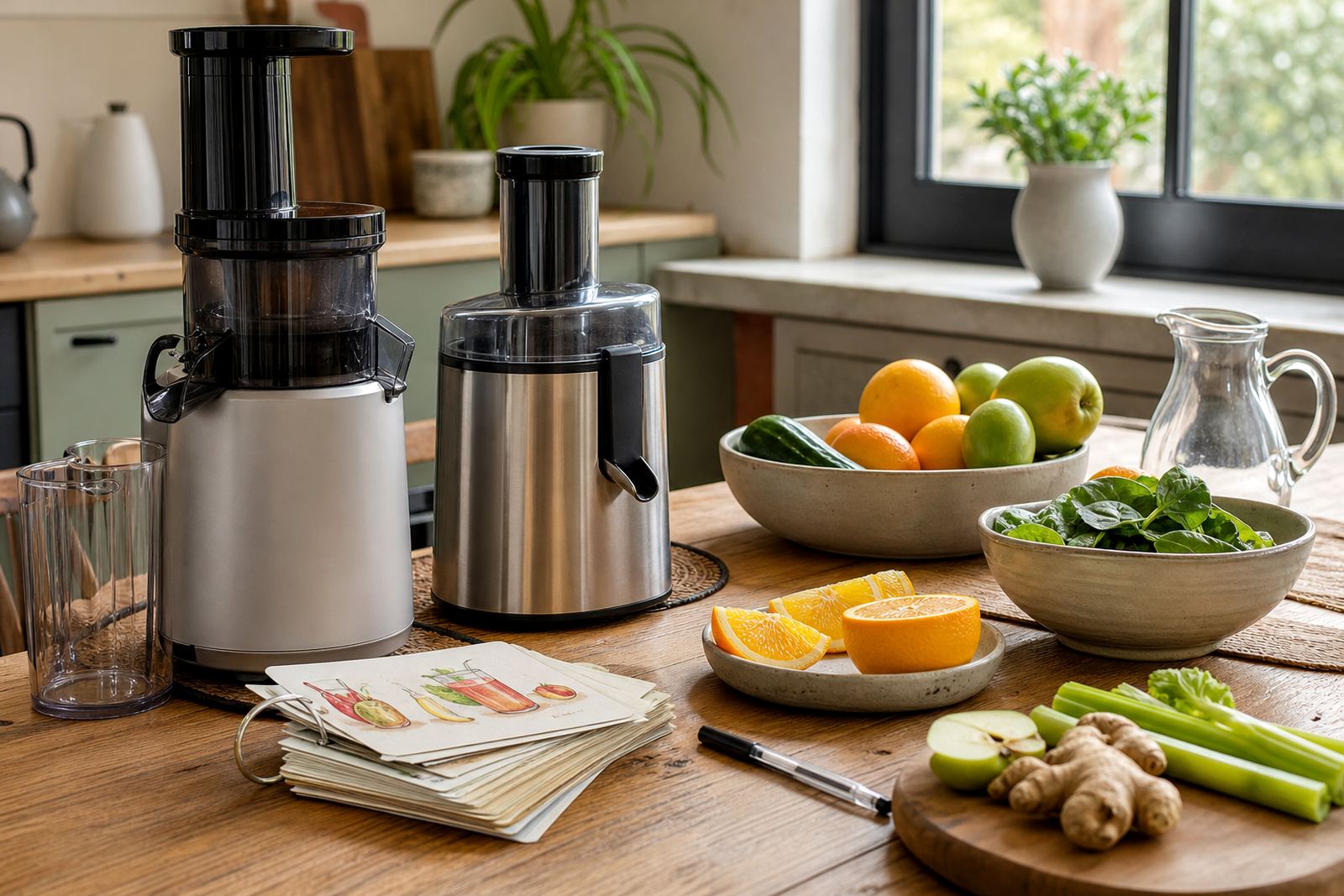
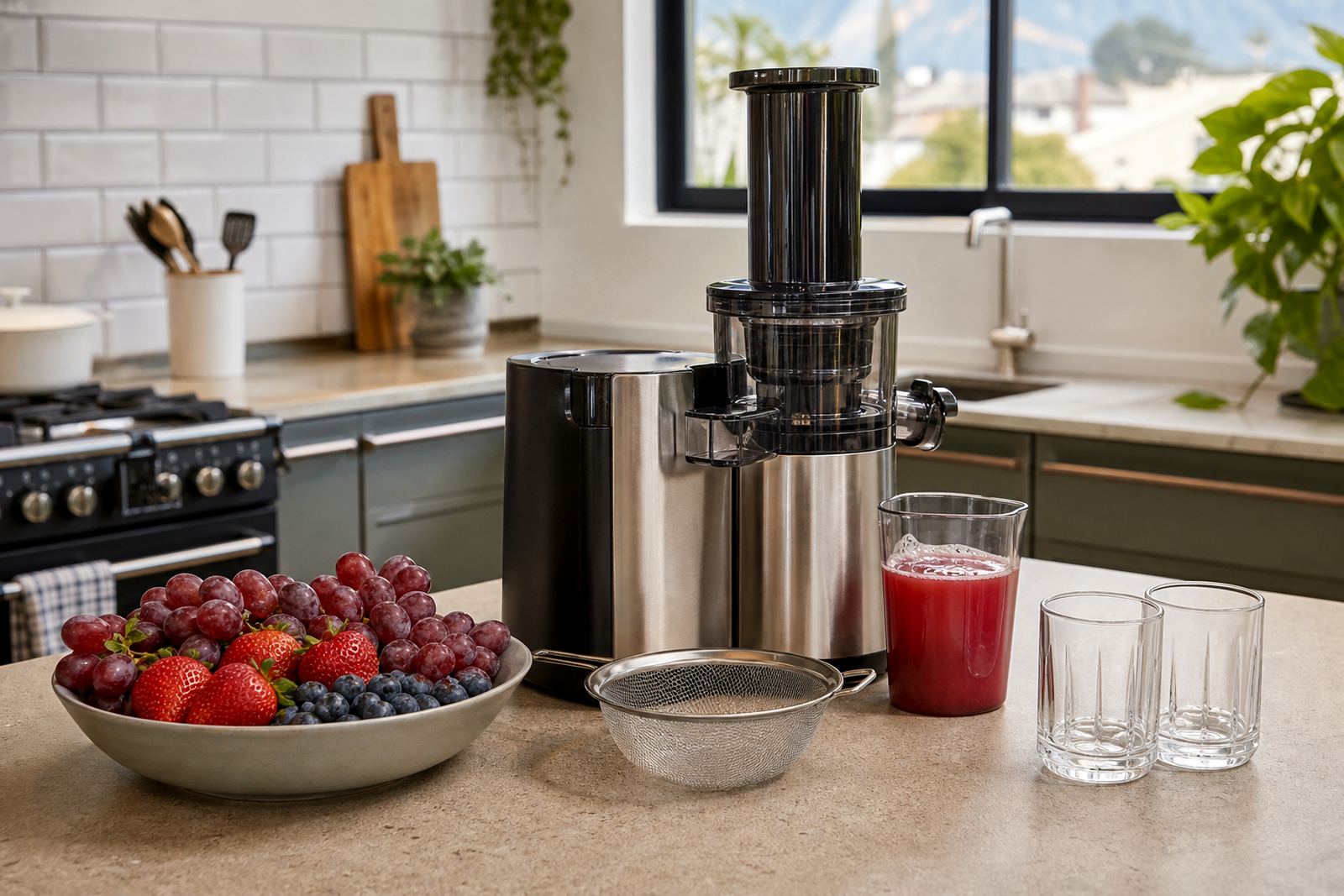
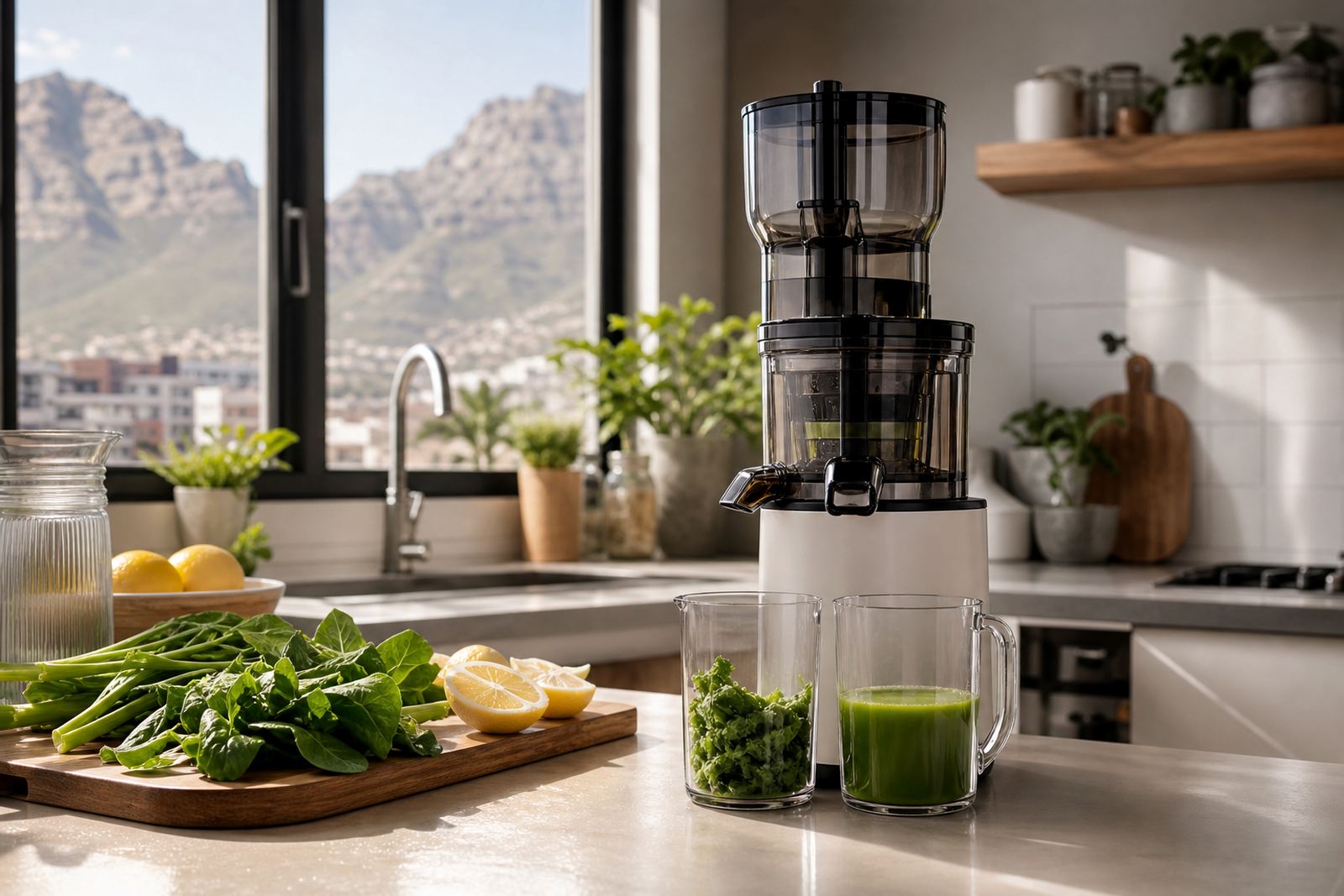
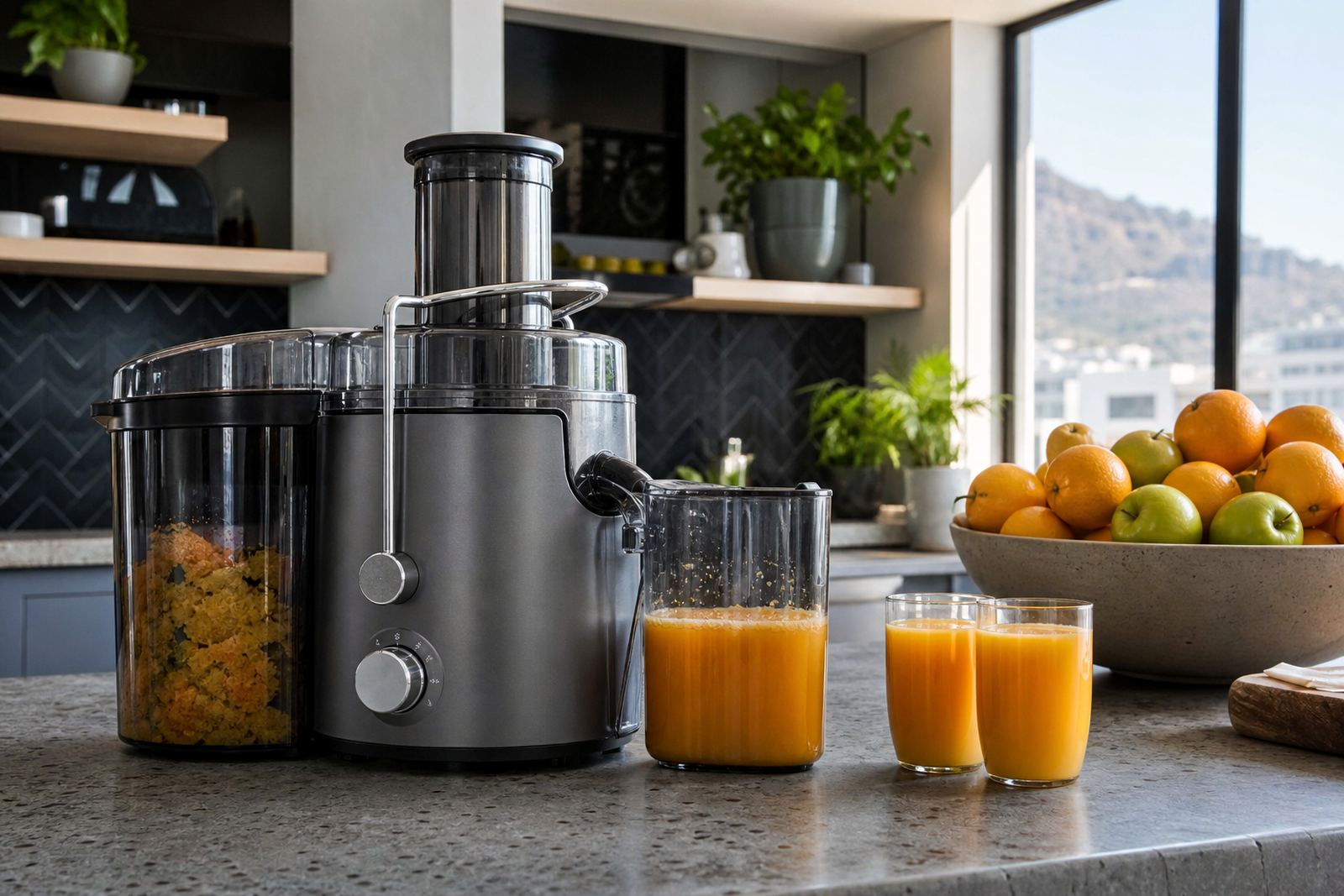
A centrifugal juicer works by spinning a grating disc at high speed and pushing the juice out through a fine screen while the pulp is thrown into a separate bin. This style is well suited to hard fruit and many vegetables, especially when you want to process larger amounts without stopping every few minutes. The Family Centrifugal Juicer is the type of machine households often choose for weekend prep, shared kitchens and larger fruit boxes after a market run.
Because it runs at high speed, it is normally quicker than slow masticating units for apples, carrots, beetroot and citrus segments. The trade off is that centrifugal juicers usually introduce more air into the juice and can foam more, so the drink is best served soon after pressing. For many home users that is a practical fit, especially when the goal is quick batch preparation rather than very slow extraction.
- High-speed grating and spinning action
- Separate pulp collection for cleaner counter use
- Suited to harder produce and mixed household batches
- Useful where speed matters more than slow extraction
Sizes and options that suit a real kitchen setup
This type of juicer is usually available in a larger household format with a wider feed chute, a sturdy motor base and a juice jug or direct pour outlet. A wider chute can reduce prep time because smaller fruit and some vegetable pieces can be added with less cutting, although hard produce still needs to be cut safely to size. If the feed throat is narrow, you will spend more time cutting and sorting, so it is worth confirming that detail before ordering.
Options to check include juice jug size, pulp bin capacity, speed settings and whether the parts lock in place from one side or from the top. Some families prefer a model with a larger collection container for back to back batches. If your household uses the unit every morning, a stable footprint and easy-grip handles on the jug can make day to day use less fiddly.
- Feed chute width and how much cutting is needed
- Juice jug capacity for single or family batches
- Pulp bin size for fewer emptying stops
- Motor housing footprint for small counters
Where a higher-capacity centrifugal juicer fits best
This product suits homes that prepare juice for several people at a time, especially in open-plan kitchens where the machine is used on a regular basis. It is a good match for households in apartments, townhouses and family homes where counter space is available but not endless. In Paarden Eiland, many customers ask for a model that is easy to store, easy to rinse and not too heavy to move between cupboards.
For coastal areas such as Durban and parts of Cape Town, storage matters too, as salt in the air and kitchen humidity can affect metal fittings and seals if the machine is left damp after washing. A unit that dries quickly and has fewer trapped corners is easier to keep in good order.
- Family kitchens with regular batch preparation
- Homes wanting quick processing of firmer produce
- Counter setups that need easy rinse down after use
- Coastal homes where drying and storage discipline matter
Fitting, power and first use details to confirm
A centrifugal juicer uses mains power, so the plug type, cable length and socket position should be checked before the first use. In South Africa, a grounded socket near the work area is preferable, and the cable should not be stretched across a wet counter. If the kitchen has limited plug points, ask where the unit will sit so the lead reaches comfortably without pulling on the base.
On first setup, the basket screen, cutter and lid must seat correctly or the machine may vibrate, leak or refuse to start. The safety lock is there for a reason, and it needs to click fully closed before operation. If any part feels stiff, check alignment rather than forcing it. We also recommend confirming the diameter of the feed chute, the footprint on the counter and the total height under wall cupboards if the top lid lifts high.
- Mains power requirement and plug position
- Lid lock alignment for safe starting
- Counter height under cupboards
- Footprint if the unit will stay on display
Cleaning, food safety and daily care that prevents trouble
Juicers that process fresh produce need prompt cleaning after use because residue can dry on the screen and inside the pulp outlet. Rinse the removable parts as soon as the batch is done, then wash with warm water and a mild food-safe detergent. A soft brush helps with the mesh screen, which is often the most time-consuming part to clean if pulp is left to dry. Avoid using hard abrasive pads on the screen or plastic housing, as scratches can make future cleaning harder.
For food safety, do not leave cut fruit or juice standing on the counter for long periods in warm weather. If a batch is prepared in advance, place it in a clean sealed container and refrigerate promptly. Check seals, gaskets and the locking tabs for wear, as small cracks can cause leaks or loose fitting parts. If the machine begins to shake more than usual or makes a rough sound, a blocked screen, worn seal or an unbalanced assembly is often the first thing to inspect.
- Wash removable parts soon after use
- Use a soft brush on the screen and outlet
- Dry parts fully before storage
- Check seals, tabs and the lock for wear
What to send through before you place an order
To help match the right unit to your kitchen, confirm the feed chute size, the jug or outlet arrangement, and whether you want a larger pulp bin for repeated batches. It also helps to know the counter space available, where the power point sits, and whether the unit will be used daily or only on weekends. If you are comparing options for a household of two versus a household of six, that usage pattern changes the size and handling needs quite a bit.
For support from our Paarden Eiland base, clients can reach us through the enquiry form on our contact page. We assist with First Time Setup, Deep Clean Guidance, Spare Parts Help, Seal Replacement, Screen Care, Leak Troubleshooting, Noise Vibration Checks, Storage Care, Cable Plug Checks, Brushes and Tools, Routine Care Plan and Video Support Call. Delivery is available across South Africa, including Cape Town, Johannesburg, Durban, Pretoria, George, Stellenbosch and Somerset West.
- Feed chute width and total machine height
- Power point position and cable reach
- How many people will use it most days
- Whether you need help with cleaning or spare parts later
Key facts
| Product type | Family centrifugal juicer |
|---|---|
| Juicing method | High-speed centrifugal extraction with separate pulp collection |
| Power | Mains powered |
| Use case | Higher-capacity household batch juicing |
| Typical produce | Apples, carrots, beetroot, citrus and mixed firm fruit or vegetables |
| Support areas | Paarden Eiland Base, Cape Town Delivery, Johannesburg Delivery, Durban Delivery, Pretoria Delivery, George Delivery, Stellenbosch Delivery, Somerset West Delivery |