
Built for berries that need a lighter touch
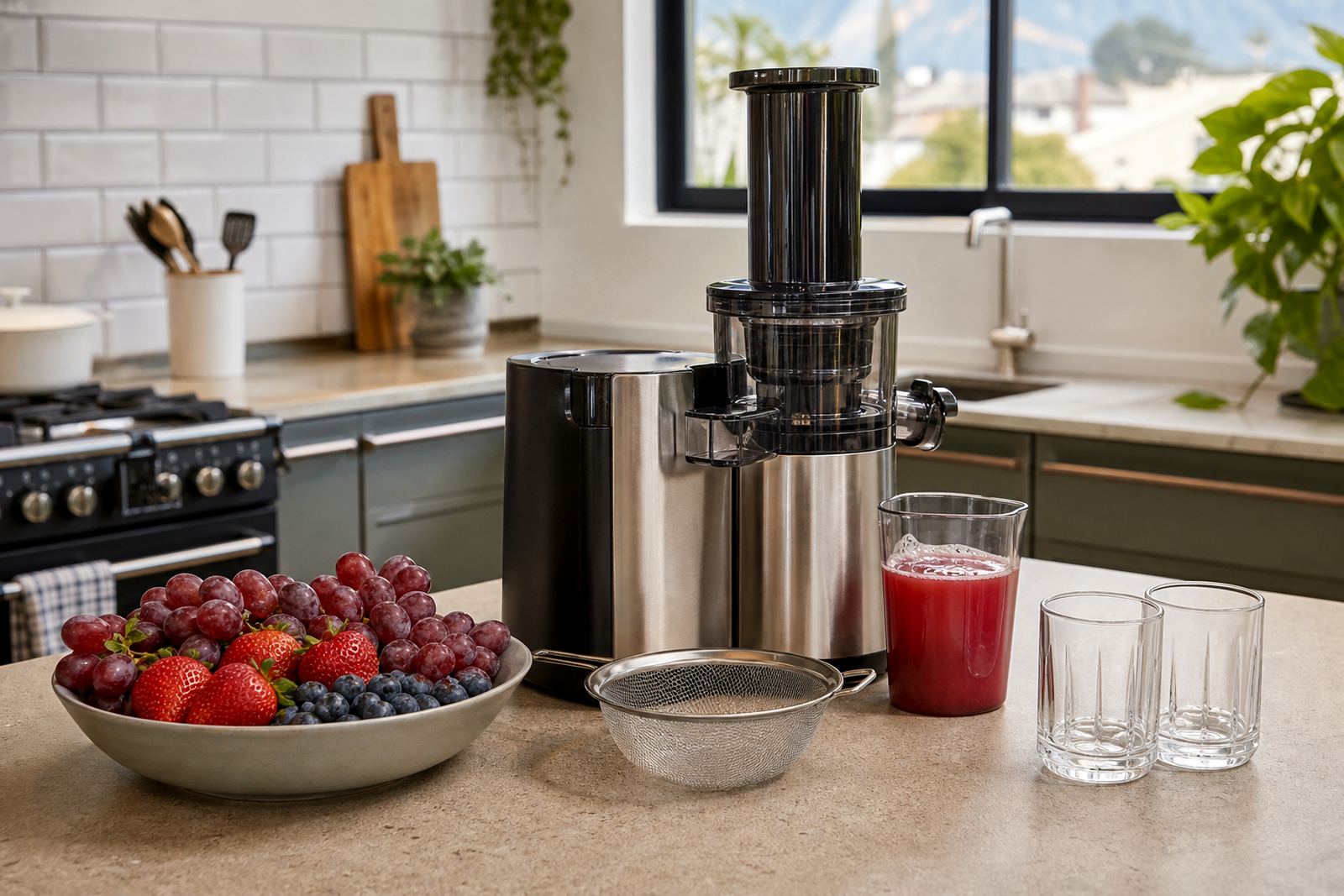
This soft fruit juicer is suited to produce that can turn pulpy quickly if it is forced through the wrong type of machine. Think strawberries, blueberries, blackberries, raspberries, grapes, softened stone fruit and similar kitchen batches where a steady feed matters more than speed. In practice, this type of juicer is usually a slow masticating unit or a cold press style machine, because the auger-style feed handles tender fruit with less splashing and less mess than a high speed centrifugal model.
For Cape Town homes, guesthouses, small juice counters and households doing weekend prep, the main value is control. Soft fruit benefits from careful feeding, clean baskets or screens and a steady rhythm. If fruit is overfilled or pushed too hard, you can get extra foam, more seed carryover and a finer pulp than expected. That is why the right screen, feed chute size and auger speed matter just as much as the motor size.
MiniPress supplies models that are used for one or two glasses at a time, as well as larger home units for heavier use. If your kitchen is in Paarden Eiland, Stellenbosch, Somerset West or Durban, the same principles apply: keep the fruit sorted, wash it properly, and choose the machine that matches the softness of the produce you use most often.
The difference between slow press and fast spin
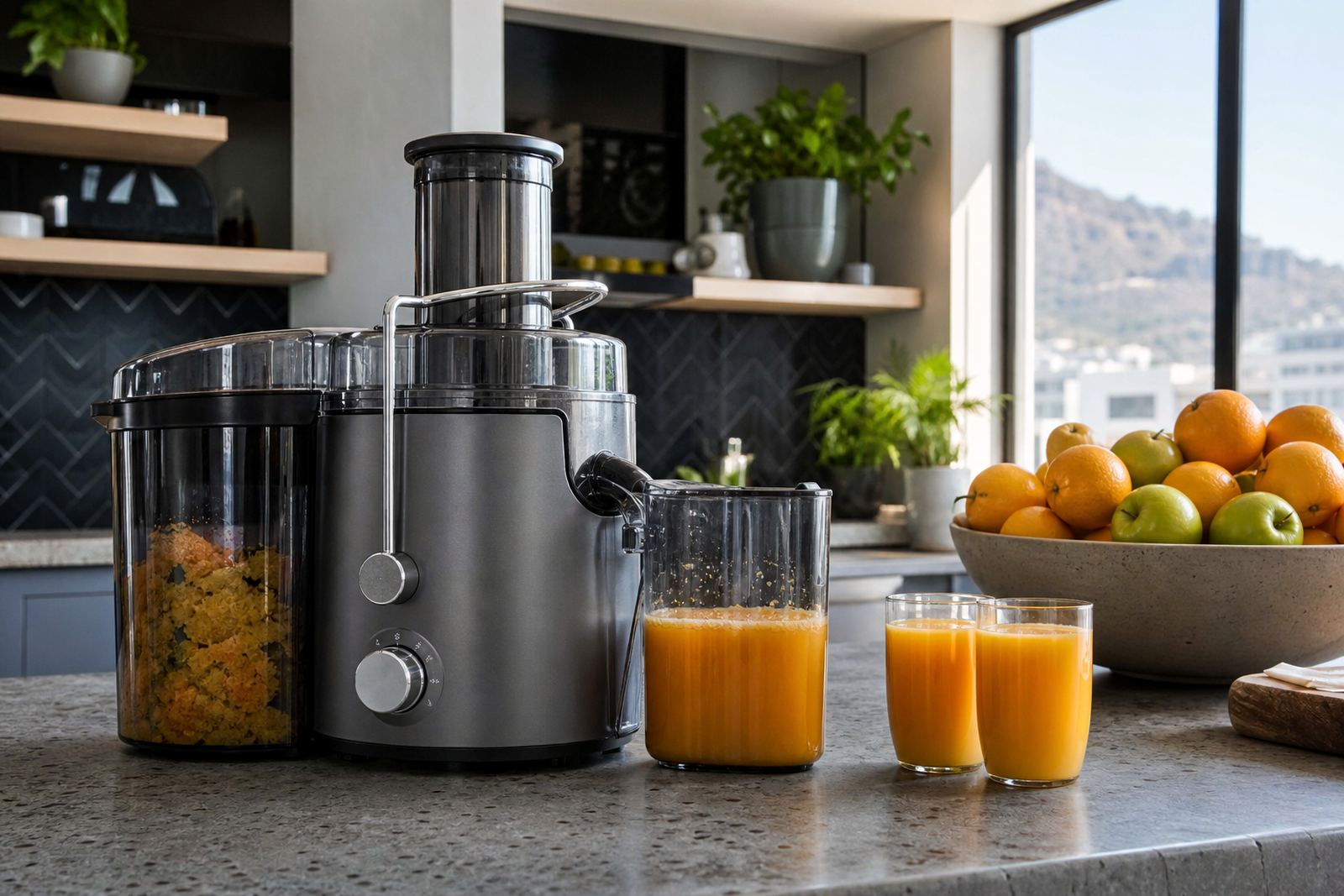
Soft fruit can be processed in different ways, and the choice affects texture, yield and cleaning time. A slow masticating juicer uses a screw or auger that crushes and presses the fruit. This is useful for berries and grapes because it can handle smaller batches more evenly and generally gives a thicker juice with less froth. A centrifugal juicer uses a fast spinning basket and is better suited to firmer fruit, but it can work with softer produce when the fruit is prepared carefully and the screen is checked often.
Cold presses are the most controlled option where the user wants slower extraction and careful handling. They suit kitchens that want a lower splash area and more measured output.It also helps when the juicer is stored in a dry cupboard away from coastal humidity in places like George or Durban.
- Slow masticating: best for gentler extraction and lower foam on soft fruit
- Centrifugal: faster feed, better for firmer fruit, with more attention needed on soft berries
- Cold press: slower operation and careful pressure for delicate batches
Sizes, feed options and kitchen fit
Most customers choose between compact home machines and heavier duty units. Compact models suit small kitchens, apartment counters and occasional use. Larger models are better where fruit is processed more often, or where the machine is shared by more than one user. Feed chute width matters because smaller berries and grapes often benefit from a shallow hopper, while mixed fruit batches may need a wider opening and a pusher that sits comfortably in the hand.
When matching the unit to your space, measure the counter depth, the cupboard height and the plug position. In some kitchens the wall socket is close to the sink or to a hob, so the cable length and orientation of the outlet tray should be checked before ordering. If the machine has removable parts, also check how much room is needed to lift the lid, remove the auger and slide out the pulp container without knocking against tiles or overhead cupboards.
- Compact home size for one kitchen or light daily use
- Mid-size unit for regular family prep and mixed fruit batches
- Larger bowl or hopper for frequent juicing and higher throughput
- Single-feed or wider feed chute depending on fruit size and prep style
Where it fits in South African homes and small service points
This product suits household kitchens, breakfast service areas, small accommodation venues and office canteens where soft fruit is handled in sensible batches. It is also a practical choice for homes in Johannesburg, Pretoria and Cape Town that want a machine for strawberries, grapes and other soft produce bought fresh at local markets or from grocers. In coastal towns, rinse and dry the machine properly after use because moisture left inside screens and seals can lead to odour or staining.
MiniPress delivers across South Africa, including Cape Town, Johannesburg, Durban, Pretoria and George, with delivery areas such as Paarden Eiland, Stellenbosch and Somerset West. If the machine is going into a guest kitchen or shared family space, it helps to choose a model with clear controls and a parts layout that can be taken apart for washing without needing special tools. That makes day to day use less awkward when the kitchen is busy or the water pressure is uneven.
Cleaning, food safety and the parts that take the wear
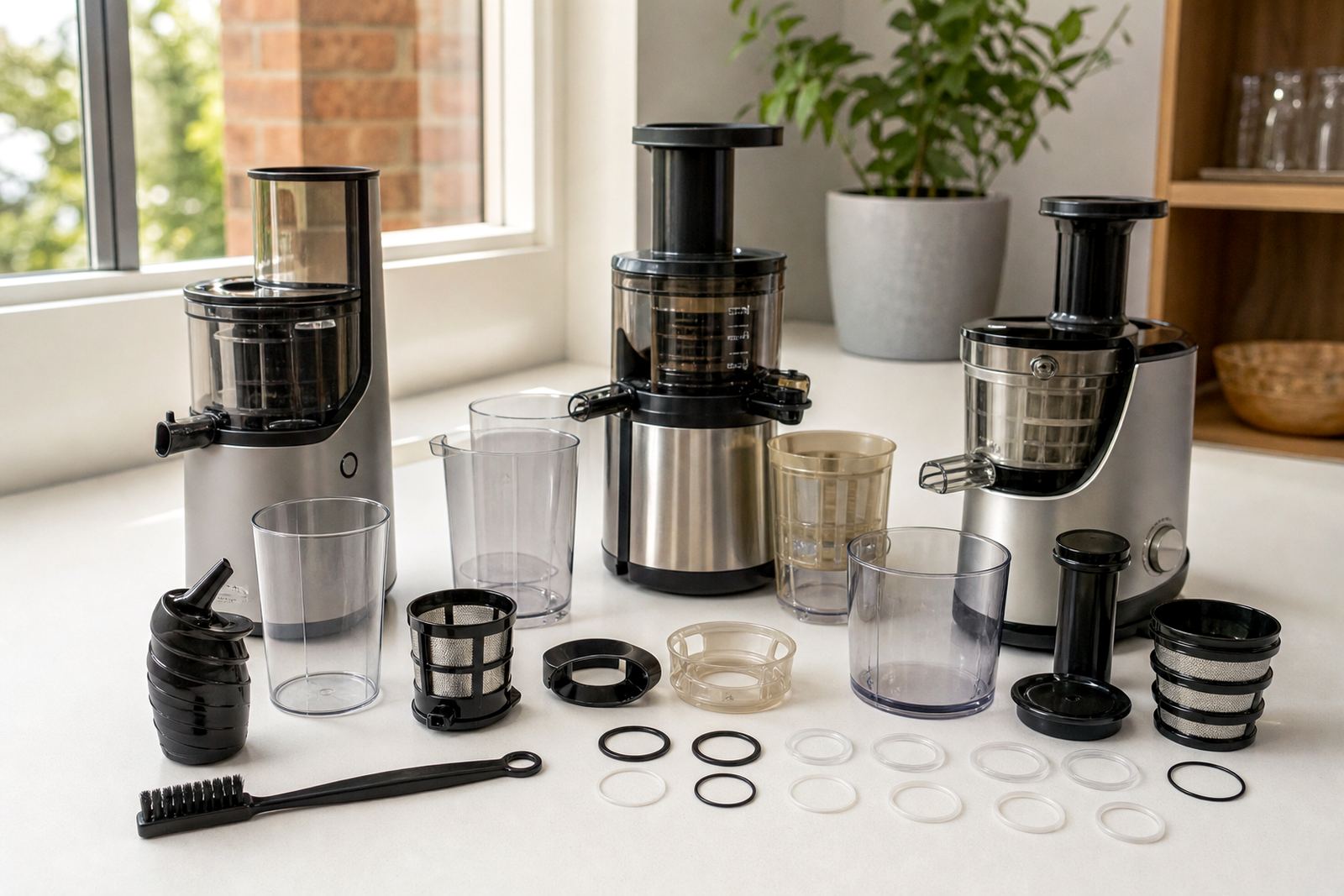
Soft fruit leaves sugars and fine pulp in screens, seals and juice channels, so cleaning matters after every use. Rinse the parts soon after juicing, then wash the screen, pulp outlet, hopper and juicing chamber in warm water with a mild detergent. A small brush is useful for mesh screens and tiny grooves, especially where grape skins or berry seeds settle. Let all parts dry fully before reassembly to reduce smell and bacterial build-up.
Food safety is mostly about clean handling. Wash the fruit first, keep raw produce away from dirty surfaces, and do not leave juice sitting in the chamber for long periods. If you notice a leak, unusual vibration or a seal that has hardened, stop using the unit until the part is checked. MiniPress supports seal replacement, screen care, leak troubleshooting, noise and vibration checks, and routine care plans for customers who want the machine kept in working order.
- Wash removable parts straight after use
- Use a soft brush on screens and mesh openings
- Check seals, lids and locking clips for wear
- Dry parts fully before storage
What to confirm before placing an order
To match the right soft fruit juicer to your kitchen, confirm the fruit types you expect to use, the size of batches, the available counter space and whether you prefer a slow press or a faster centrifugal style. Also confirm the plug type at the installation point, because some kitchens have an awkward socket position, and the cord length should suit the layout. If the machine will be moved often, ask about the weight, handle position and how the parts pack away for storage.
It also helps to check the screen type, the pulp container size, the chute opening and the cleaning method. For soft fruit, a finer screen may give a smoother result, while a coarser screen can help if you want less clogging. If you are unsure, MiniPress can guide first time setup, cable and plug checks, spare parts help and video support calls through the enquiry form on our contact page. That is useful when the order is going to Cape Town, Durban, George or anywhere else in the country.
Key facts
| Product type | Soft fruit juicer for berries, grapes and delicate produce |
|---|---|
| Operating style | Slow masticating, centrifugal or cold press depending on model |
| Best use | Small home batches, breakfast service and careful soft fruit handling |
| Typical size options | Compact, mid-size and larger home units |
| Care points | Removable parts, screen brushing, seal checks and full drying |
| Supply area | Delivered nationwide from Paarden Eiland, Cape Town |