

The part that keeps feeding steady
This feed pusher spare is the hand tool used to guide produce into the chute while the machine is running. It helps keep pressure even on the ingredients, which matters when working with firm items like apples, carrots, cucumbers and celery. On many home juicers and cold presses, the pusher also helps reduce contact between fingers and the feed opening, which is the main safety point during routine use.
The part is a simple, practical replacement for a lost, cracked or worn pusher. In the kitchen, these parts take a fair amount of handling, washing and knocking about in cupboards, so it is common to replace only the pusher instead of the whole juicing set. For households in Cape Town, Johannesburg, Durban, Pretoria and George, keeping a spare on hand can save time when the original goes missing or gets damaged during cleaning.
Feed pushers vary in shape and diameter, so the right one must match the machine model and chute opening. A pusher that is too narrow can slip too far down, while one that is too wide will not sit properly in the opening. That is why the exact fit matters just as much as the juicer type itself.
Sizes and fit marks that matter
There is no one universal feed pusher size. Even when two machines look nearly the same, the pusher can differ in length, top diameter, taper, handle profile and the way it seats in the lid. The safest way to order is to compare the old part against the machine opening and, if available, the model label on the base or motor housing.
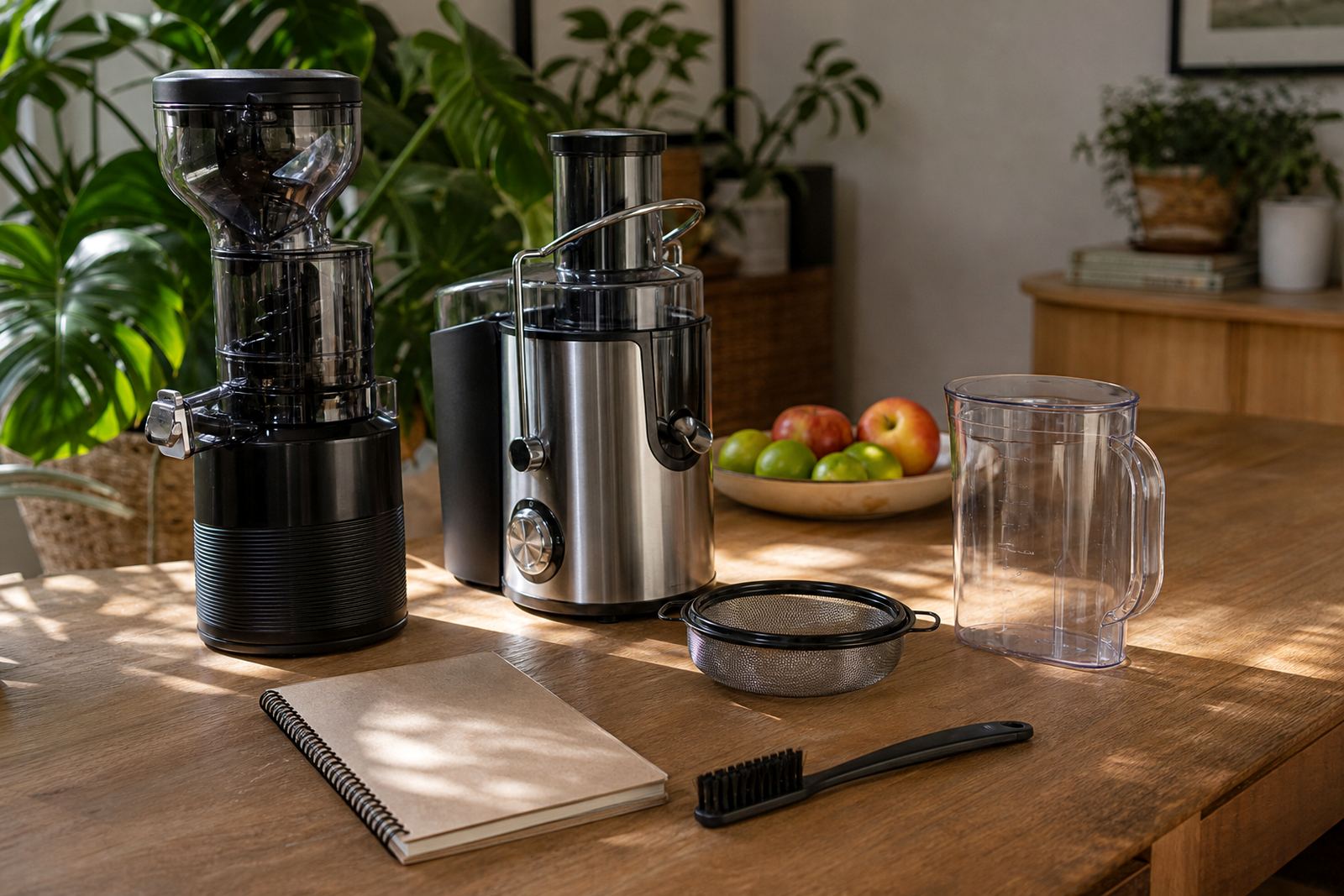
For slow masticating units, the pusher is often a longer, slimmer piece that guides produce through a narrow feed tube. Centrifugal juicers usually use a wider pusher, since the feed opening is often broader and the user feeds ingredients faster. Cold presses can vary by chamber style, so the pusher must suit the specific feed path and lid shape. A mismatch can lead to jamming, poor alignment or a part that sits loose during use.
If the original part is still available, check for any moulded marks, part numbers or small ridges that show how it locks or rests inside the chute. Measure in millimetres where possible. If you are replacing a pusher after breakage, bring the old piece with you or compare the broken length from the tip to the top handle to avoid ordering the wrong version.
- Measure overall length in millimetres
- Check top diameter and lower taper
- Confirm handle shape, round or stepped
- Match to the lid opening and feed chute profile
Where it suits in the kitchen
This spare suits home juicers and cold presses used for regular kitchen prep, especially where fruit and vegetables are added one at a time. It is a useful part for families, shared homes and small food preparation setups that do not want to stop mid-session because the original pusher has gone missing. In coastal areas like Cape Town and Durban, where humidity can affect stored plastic parts, having a clean spare in a dry cupboard helps keep the part ready when needed.
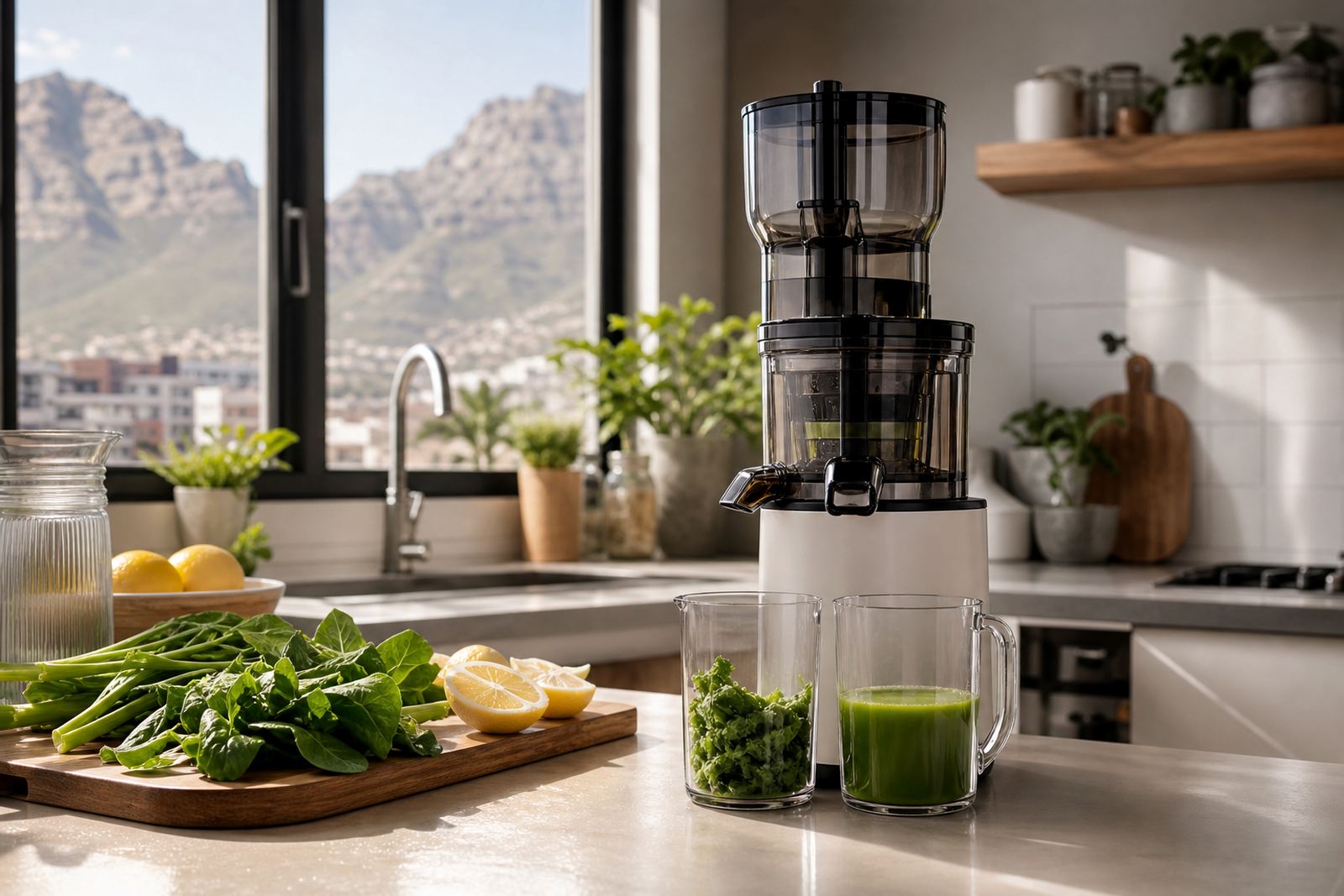
The feed pusher is also useful where the machine is used in short bursts and cleaned after each session. For cold pressing, the pusher supports slow feeding of leafy greens, apples, pears and other produce that needs a steady hand through the opening. For centrifugal juicers, it is commonly used with firmer ingredients that need a firmer push, though the operator must still feed at a sensible pace. On any machine, the pusher should glide through the opening without forcing or scraping.
This part is not for cutting or processing on its own. It is there to help feed produce into the machine in a controlled way, which is why the fit and finish must be right. A smooth edge, solid handle and correct length all help with day to day use.
Fitting notes for the right machine
In most cases, fitting a feed pusher spare is straightforward: it drops into the feed opening and sits where the machine design allows it to sit. The important part is not forcing it. If it binds, rocks from side to side or disappears too far into the chute, it is likely the wrong size. The pusher should move with light guidance only, not pressure.
Before first use, wash the pusher in warm water with a mild dish soap and rinse well. Dry it fully before fitting it into the juicer or cold press. If the part has a textured grip or stepped handle, make sure your hand position feels secure when the machine is on a stable counter. For appliances used near a busy prep area, keep the pusher within reach so nobody reaches into the chute with a spoon or other utensil.
- Do not force a tight pusher into a narrow opening
- Check that it sits squarely before switching on the machine
- Keep the handle dry for a firmer grip
- Replace a split or cracked pusher straight away
Cleaning without leaving residue behind
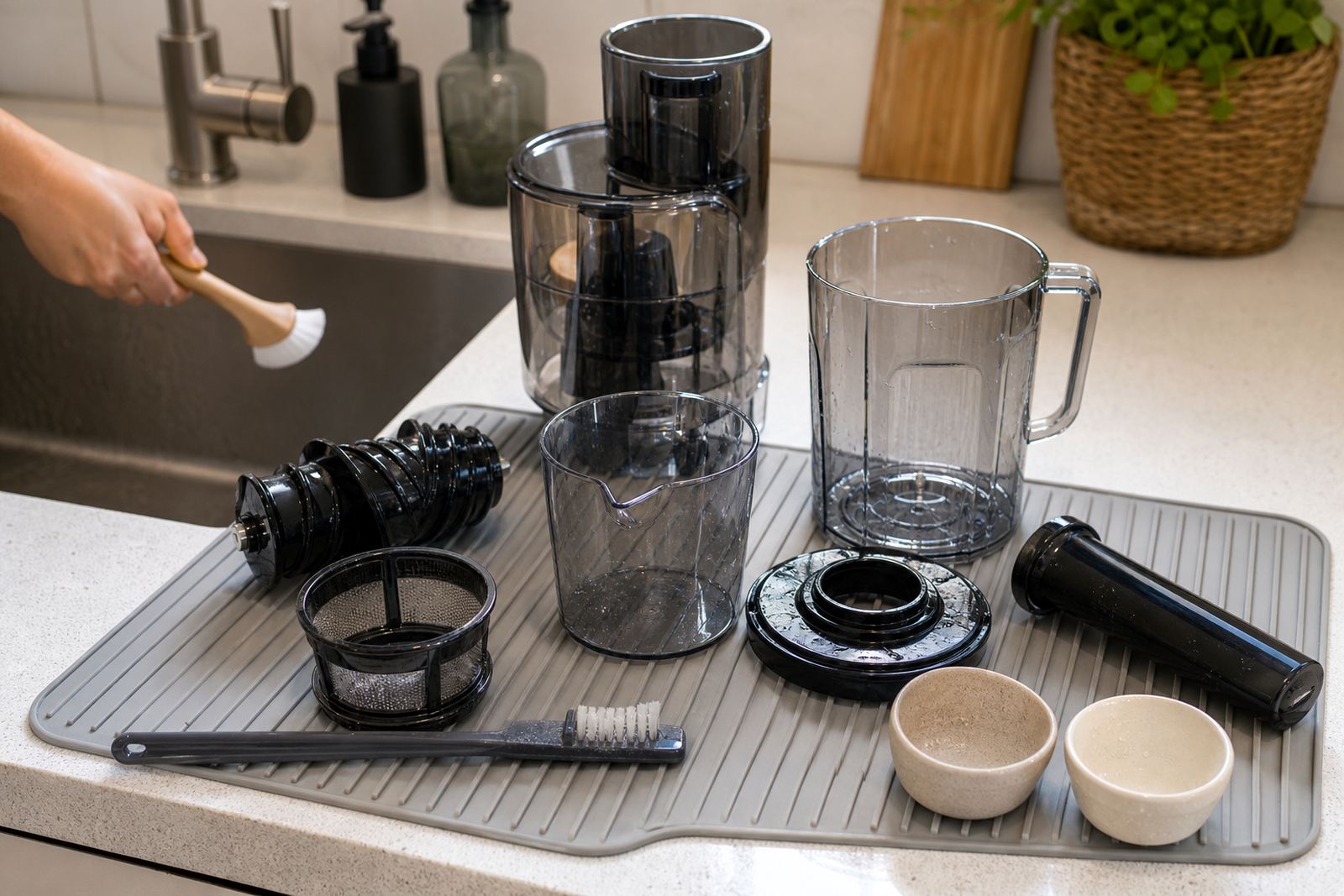
Feed pushers are simple parts, but they still need proper washing after use. Fruit sugars, pulp and juice splashes can dry around the edges if the part is left in a sink or on a draining board for too long. Clean it soon after juicing so that residue does not harden in grooves or around the handle. This is especially useful for regular users who work with carrots, beetroot or leafy produce that leaves more staining.
Rinse off loose pulp first, then wash with warm soapy water and a soft brush or cloth. Skip rough scouring pads that can mark the surface and make the next clean-up harder. Let it dry fully in the air before you store it, because trapped moisture can leave smell or marks, especially in Cape Town's coastal climate. Keep it with the other washable parts in a clean cupboard or container where dust and kitchen grease cannot settle on it.
For food safety, a clean pusher matters as much as a clean chute. If the pusher has deep scratches, a split edge or a loose grip, replacing it is better than trying to patch it up. A damaged surface can hold grime and make cleaning more difficult.
What to confirm before placing the order
To supply the correct feed pusher spare, we need the exact machine details and the part dimensions. The same juicer range can use different pushers across different batches, so the safest order is based on measurements and model identification rather than appearance alone. If the machine is at home in Paarden Eiland, Stellenbosch or Somerset West, a clear photo of the chute and the original pusher can help confirm the match before dispatch.
Please confirm the following details through the enquiry form on our contact page: machine type, model name or code, feed chute width, overall pusher length, handle shape and any visible part number. If the original pusher is still available, include a photo next to a ruler or tape measure. If it is missing, the chute opening and the lid profile are the next best clues.
- Juicer type: slow masticating, centrifugal or cold press
- Model or code from the machine label
- Overall length and top diameter in millimetres
- Any clips, ridges or stop points on the original part
- Delivery area: Cape Town, Johannesburg, Durban, Pretoria or George
We dispatch online orders across South Africa, including Cape Town delivery, Johannesburg delivery, Durban delivery, Pretoria delivery and George delivery. For households and small kitchens that need a replacement fast, the right details up front help avoid delays and returns.
Key facts
| Product type | Feed pusher spare for home juicers and cold presses |
|---|---|
| Material | Food-contact plastic, colour and finish may vary by model |
| Length range | Model-specific, commonly measured in millimetres |
| Fit | Matched to feed chute diameter and lid opening |
| Use | Guiding fruit and vegetables into the machine during operation |
| Care | Warm soapy wash, rinse, dry fully and store clean |