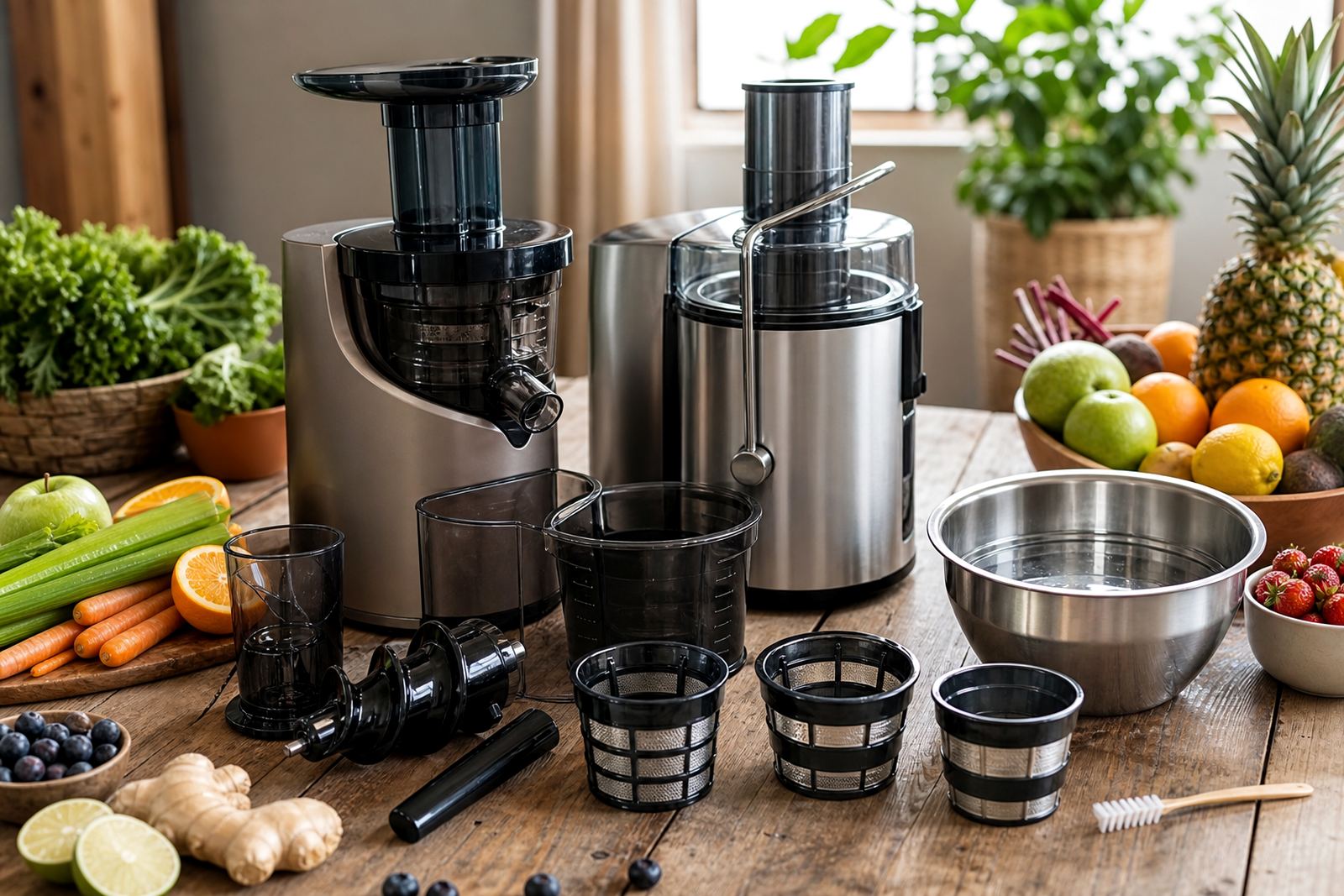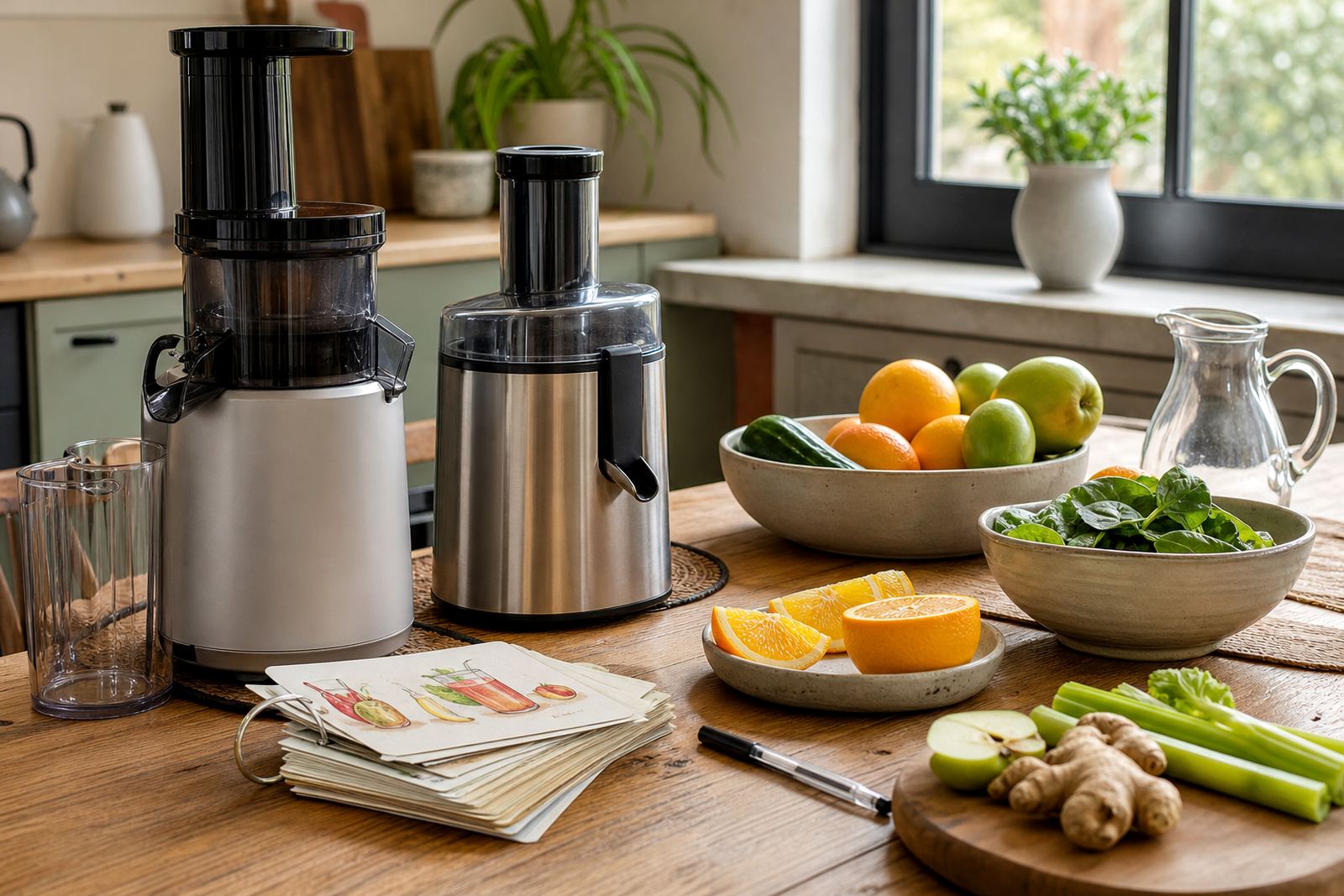
What the Sorbet Screen Set does in a home kitchen
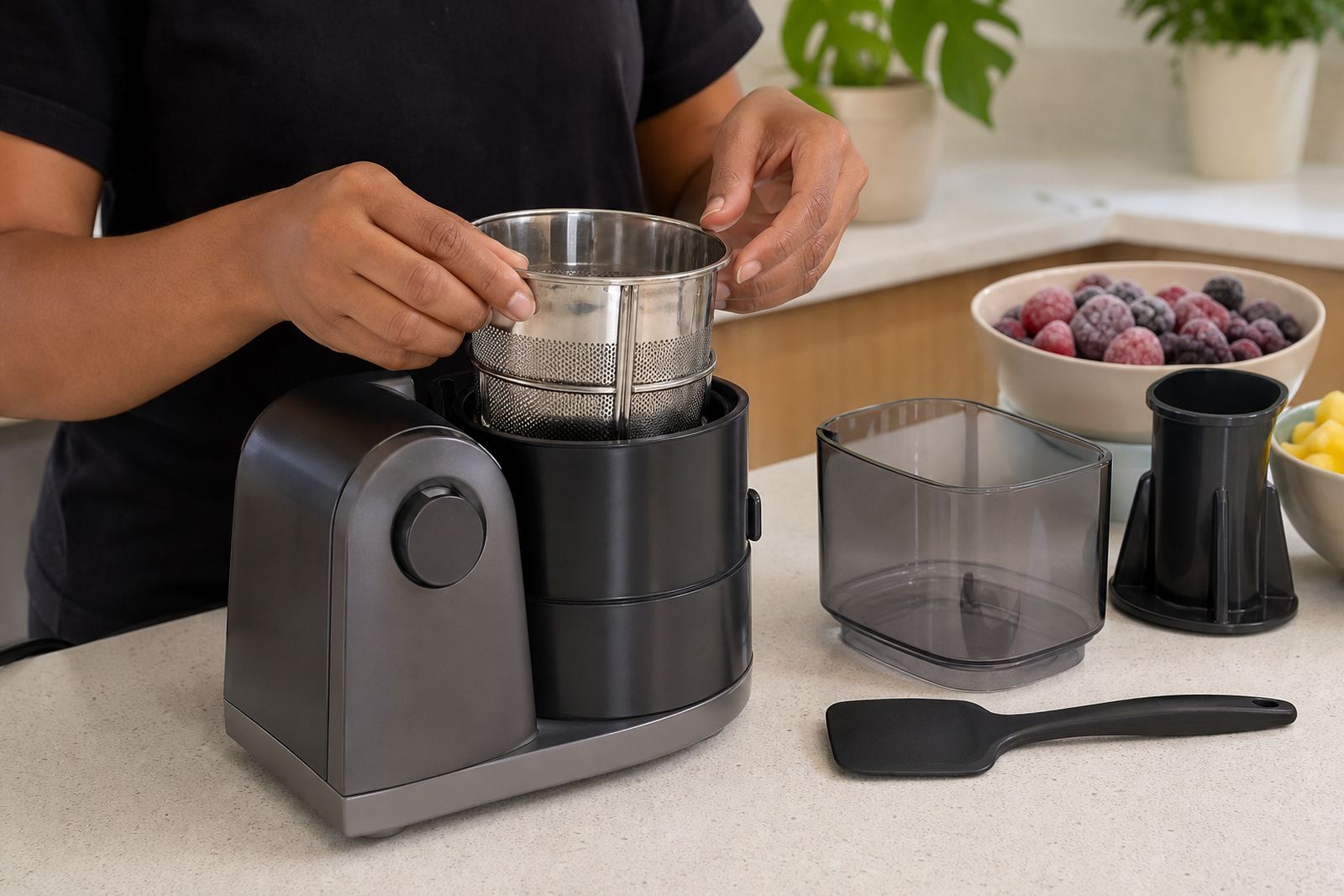
This screen set sits inside the juicing chamber or housing, depending on the machine type, and helps control how much pulp passes through during pressing or juicing. In day to day use it is mainly for chilled fruit preparations where a smoother pour is preferred, such as strained fruit juice, icy blends, and softer fruit mixes that need a tidier finish.
The screens are used on compatible slow masticating juicers and cold presses where the basket or screen form is part of the juice path. A finer screen keeps more fibre back, while a coarser screen allows more texture through. For households that juggle apples, pears, grapes, berries, mango and citrus, the screen choice can change the mouthfeel quite a bit, so it helps to have the right set ready before you start the batch.
- For slower feed juicers and cold press machines with a matching screen format
- Useful where fruit prep needs a cleaner flow and less pulp carry over
- Helps when you want to change texture without changing the whole machine setup
Screen sizes and the options most buyers ask for
The Sorbet Screen Set is supplied in matched sizes for the machine model it suits, so the fit must be checked against the chamber opening, basket diameter and locking points. In practice, buyers often choose between a fine screen for smoother output, a standard screen for everyday juicing and a coarser screen when a little more body is wanted in the cup. The exact screen pattern and hole spacing can differ from one model to another, which is why the fit details matter.
For homes in coastal areas like Durban or Stellenbosch, a stainless screen is often preferred because it handles repeated washing better and copes well with humid storage conditions when dried properly. In Paarden Eiland and other busy kitchen settings, it is also helpful to have a spare screen on hand so one can be cleaned while the other is in service.
- Fine screen for smoother output and lower pulp carry through
- Medium screen for balanced everyday use
- Coarse screen for more texture in the final pour
- Screen dimensions must be matched to the machine model, not guessed
Where this accessory fits best, from compact flats to family kitchens
This screen set suits home users who want more control over fruit preparation without changing their main machine. It works well in compact Cape Town flats, family kitchens in Pretoria, and coastal homes where people prepare chilled fruit mixes during warmer months. It is also a practical fit for buyers who use their machine a few times a week and want a screen that is easier to keep clean than a tired, bent or stained part.
If your setup includes a slow masticating juicer, a centrifugal juicer with a compatible screen system, or a cold press unit with removable screen components, the key is matching the fastening points and basket shape. Fit can be affected by small differences in housing depth, latch position or centre stem shape, so checking the machine code and photos before ordering saves a lot of back and forth.
- Suitable for regular home use where fruit is prepared in small to medium batches
- Helpful for households wanting one screen for smooth fruit output and another for texture
- Good choice for replacement when the original screen has stretched, blocked or warped
Fitting notes for first use and routine changeovers
Installing the screen is usually a straightforward job, but it must sit squarely and lock properly before the machine is switched on. A screen that is not seated correctly can cause wobble, noise or poor flow. Before fitting, make sure the chamber, auger or spinning basket area is clear, and that the screen is dry enough to grip properly. If the machine uses a retaining ring, cap or latch, confirm that each part is snug without over tightening.
For safety and food handling, all contact surfaces should be washed before first use and after each session. Warm water and a mild detergent are normally enough, followed by a thorough rinse and air drying. If a screen has fine mesh, use a soft brush rather than a hard scourer so the openings stay open and the edges are not scratched. Never force the screen into place, as a tight fit often points to the wrong size or a worn housing.
- Check the screen sits level before starting the motor
- Keep the chamber dry enough for a clean fit, but not oily
- Use soft brushes on mesh areas to avoid damage
- If the screen rattles, stop and recheck the lock points
Cleaning and food safety on a busy prep day
Screen care matters because fruit fibre, pips and skin can collect in the openings and affect flow on the next batch. For food safety, clean the screen soon after use so residue does not dry hard in the mesh. On a warm day in George or Durban, this is worth doing straight away. If the machine has been used for citrus, berries or other stained fruit, a quick rinse before washing can help keep the screen from marking.
Drying is just as important as washing. A damp screen stored in a closed cupboard can develop smells or surface marks, especially near the coast. Leave it to air dry fully on a clean rack before packing it away. If the screen is stainless steel, avoid harsh bleach unless the care instructions allow it, and do not use metal tools to scrape inside the mesh because that can widen the openings and change the finish. A good routine keeps the screen usable for longer and helps the machine run more evenly.
Before you buy the sorbet screen set: a short checklist
To match the right Sorbet Screen Set, confirm the machine type, the model code if available, and the screen measurements. If you are unsure, send clear photos of the current screen, the chamber opening and the locking edge through the enquiry form on our contact page. That helps the team identify whether you need a fine, medium or coarse option, and whether the fastening points line up with the existing housing.
It also helps to note where the machine is used and stored, because that can affect what owners ask for. A setup in a small flat in Somerset West may need a spare screen for quicker turn around, while a household in Johannesburg may want a more durable option for regular use. If the original screen has shown signs of noise, poor drainage, leakage around the edge, or uneven pulp build up, mention that when you enquire so the right support is offered from the start.
- Machine model and screen diameter
- Fine, medium or coarse preference
- Basket shape, locking style and centre stem detail
- Whether you need one screen or a spare set
Key facts
| Product type | Accessory screen set for home juicers and cold presses |
|---|---|
| Screen options | Fine, medium and coarse, subject to machine compatibility |
| Material | Food contact stainless steel or compatible mesh assembly |
| Fitment | Model specific, with chamber and locking points needing confirmation |
| Care | Wash promptly, rinse well, air dry fully, use a soft brush |
| Delivery | Across South Africa, including Cape Town, Johannesburg, Durban, Pretoria and George |