A firmer screen for a looser pour
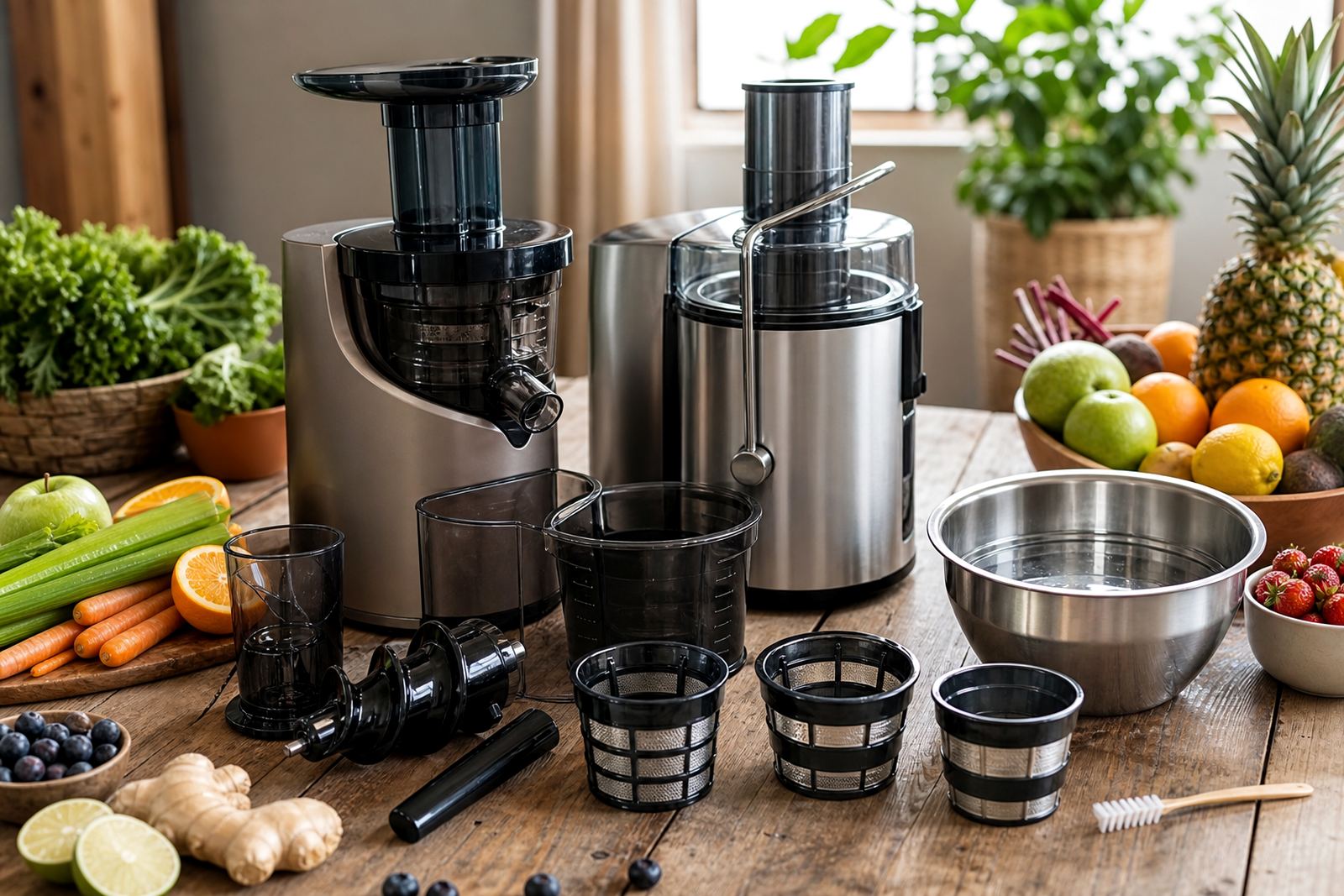
This coarse strainer is the part that changes how much fibre and small fruit particles stay in the juice path. In practical terms, it gives a less polished finish than a fine screen, which is useful when you want a fuller mouthfeel or when the ingredient mix has softer pieces that tend to move through a tighter mesh more slowly.
The kit is selected for home juicing equipment used in kitchens around Cape Town, Johannesburg, Durban, Pretoria and George. It is the sort of accessory that matters when the machine is being used for oranges, stone fruit, ripe pears, tomatoes, berries, or mixed fruit batches that carry more pulp than a standard everyday juice. The flow is not the same on every machine, so the mesh size and the housing profile must match the juicer or cold press exactly.
Because strainer parts sit inside the juice chamber, the fit has to be accurate. A part that is even slightly off can lead to wobble, poor separation, or leaks at the top collar. If the machine has a separate pulp outlet or pressure auger path, the screen needs to line up properly with those internal guides as well. A loose fit can make the unit sound rougher than normal, and in some cases cause extra vibration.
Where coarse straining earns its place in the kitchen
This kit suits households that prefer a less filtered juice texture, and it also works for users mixing fruit types that behave differently in the chamber. A coarse screen can handle soft fruit with less clogging, while still keeping the build neat enough for regular home use. It is often chosen by people who want a quicker pass through the straining stage, especially on mornings when the kitchen is busy and the machine needs a straightforward clean-up after use.
- Soft fruit mixes that carry extra pulp
- Thicker juice styles with more body
- Home juicing in kitchens with regular daily use
- Cold press machines where a less fine finish is preferred
- Setups that need the screen changed for seasonal produce
It can also be useful when switching between ingredient types. A finer screen may suit lighter produce one day, then the coarse option the next day when the batch includes ripe fruit or softer vegetables. That flexibility helps when the kitchen routine changes from week to week, or when produce quality varies after a hot spell or a power cut that delayed fridge storage.
Fitting notes for different machine bodies
Fitting a coarse strainer kit is usually a straightforward replacement job, but the internal shape of the machine must be checked before ordering. Some units use a narrow chamber, others a wider bowl, and the locking tabs or seat depth can differ by model family. For slow masticating juicers the screen often sits under steady pressure from the auger, while centrifugal juicers use a faster spinning basket arrangement and need a screen with the correct curvature and fixing points.
If the machine is being installed for the first time after a deep clean, make sure the chamber is dry and the seals are seated properly before the screen goes in. Wet residue, pulp build-up or a twisted gasket can affect the fit. On some units the lid latch must close evenly, with no tilt on one side, otherwise the strainer will not sit squarely and the machine may rattle when started.
When checking compatibility, confirm the basket height, outside diameter, centre opening, locking tabs, and the shape of the rim. If the unit has a feed chute insert or a pulp outlet cover that mates with the screen, those parts should be checked too. It saves time later and avoids the back-and-forth that happens when a part is nearly right but not quite.
Cleaning that keeps the mesh open
Coarse screens still need proper cleaning after each use, because pulp can dry in the openings and create blockages by the next run. Fresh rinse water works best straight after juicing, followed by a soft brush for the mesh and the rim grooves. Avoid sharp tools that can stretch the screen or scrape the surface unevenly. A bent mesh can change the way the juice flows and may leave fibrous bits in the output.
- Rinse as soon as the batch is done, before residue dries hard
- Use warm water and a soft brush for the openings and edges
- Check the inner lip for trapped pulp near the seal line
- Let all parts dry fully before storage to reduce odour and moisture build-up
- Inspect for hairline cracks, wear spots or bent sections during cleaning
Food safety also depends on how the parts are handled between uses. Keep the strainer away from cleaning cloths that carry grease or detergent residue, and store it in a dry place off the floor. In coastal areas such as Cape Town and George, damp air can leave a film on metal or mesh parts if they are packed away while still wet, so a proper dry-down matters more than people often think.
What to confirm before placing the order
Before ordering, check the machine type, the strainer profile, and the exact fit dimensions. The screen must match the juicer body or cold press chamber, not only the outer look of the part. If the original strainer was damaged, send clear notes on where the break happened, because a cracked rim can hide the true shape that needs replacing.
It helps to have the following details ready:
- Machine type and model details from the rating plate
- Inside diameter and overall height of the current screen
- Number and position of locking tabs, slots or guides
- Whether the machine is a slow masticating unit or centrifugal style
- Photos of the old part from the top, side and base
- Any signs of leaking, poor separation or rough running during use
If the screen is being bought as part of a repair or routine care plan, include notes on the symptoms as well. A unit that leaks at the collar or vibrates on start-up may have more than one part involved, and it is better to match the screen with the seal condition, not just the visible break. That saves unnecessary guesswork and keeps the machine working as it should.
Aftercare for the part and the machine
Once fitted, the coarse strainer should be checked after the first few uses for any movement, rubbing noise or uneven pulp output. A screen that is seated correctly will sit still under normal pressure and should not leave fresh wear marks on the housing. If the machine is used daily, inspect the mesh more often, because repeated heat, fruit acids and washing can slowly affect the finish.
For long-term care, avoid soaking the part for hours at a time unless the material and the machine guide allow it. Keep it away from abrasive pads, and do not force it into storage under other heavy kitchen items where it may bend. If a seal or gasket around the chamber has started to harden, it should be replaced in good time because a screen can only perform properly when the surrounding parts are sound. A tidy fit at the start usually means fewer complaints later on, and less stop-start cleaning during the week.
From our Paarden Eiland base, we help with spare parts, seal replacement, screen care, leak troubleshooting, noise and vibration checks, deep clean guidance, and video support call arrangements for customers across South Africa. For this kind of part, the details matter, so careful checking at order stage is worth the effort.
Key facts
| Product type | Coarse strainer kit for home juicers and cold presses |
|---|---|
| Texture result | Allows more pulp and a fuller juice finish than a fine screen |
| Compatibility | Must match chamber shape, rim height, tabs and locking points |
| Material | Food-contact mesh and fitted support frame, depending on model |
| Care | Rinse after use, brush gently, dry fully before storage |
| Delivery | Paarden Eiland dispatch with delivery across South Africa |