
A low-speed press built for measured kitchen work
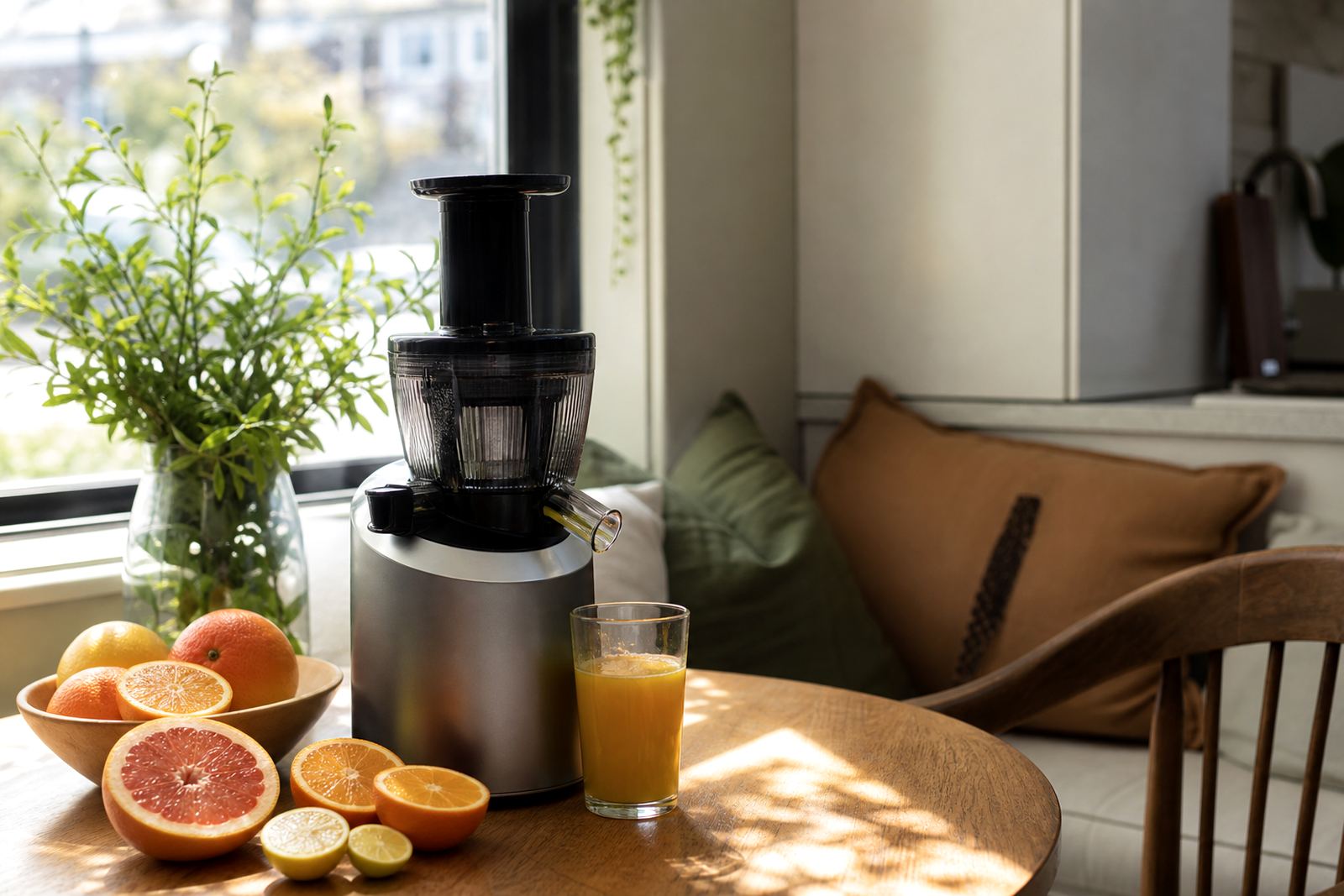
A horizontal cold press uses an auger to draw prepared fruit and vegetables through the chamber at low speed, with pressure rather than fast spinning doing the main work. That slower action suits leafy produce, herbs, softer fruit and mixed ingredients where even feeding and controlled extraction matter more than speed. For a home kitchen, it is a practical format when you want access to the feed chute, chamber, screen and pulp outlet without having to strip the whole unit every time.
These units are normally chosen by households that want a steady workflow and less splashing around the counter. Because the barrel sits horizontally, the ingredients move through in a straight line, which makes the process easier to follow and easier to clear after use. The motor and gearbox are built for domestic electrical supply, so correct voltage matching is important, especially if the unit is being used in a townhouse, apartment or holiday home with limited counter space and plug access.
Sizes and options worth checking before you order
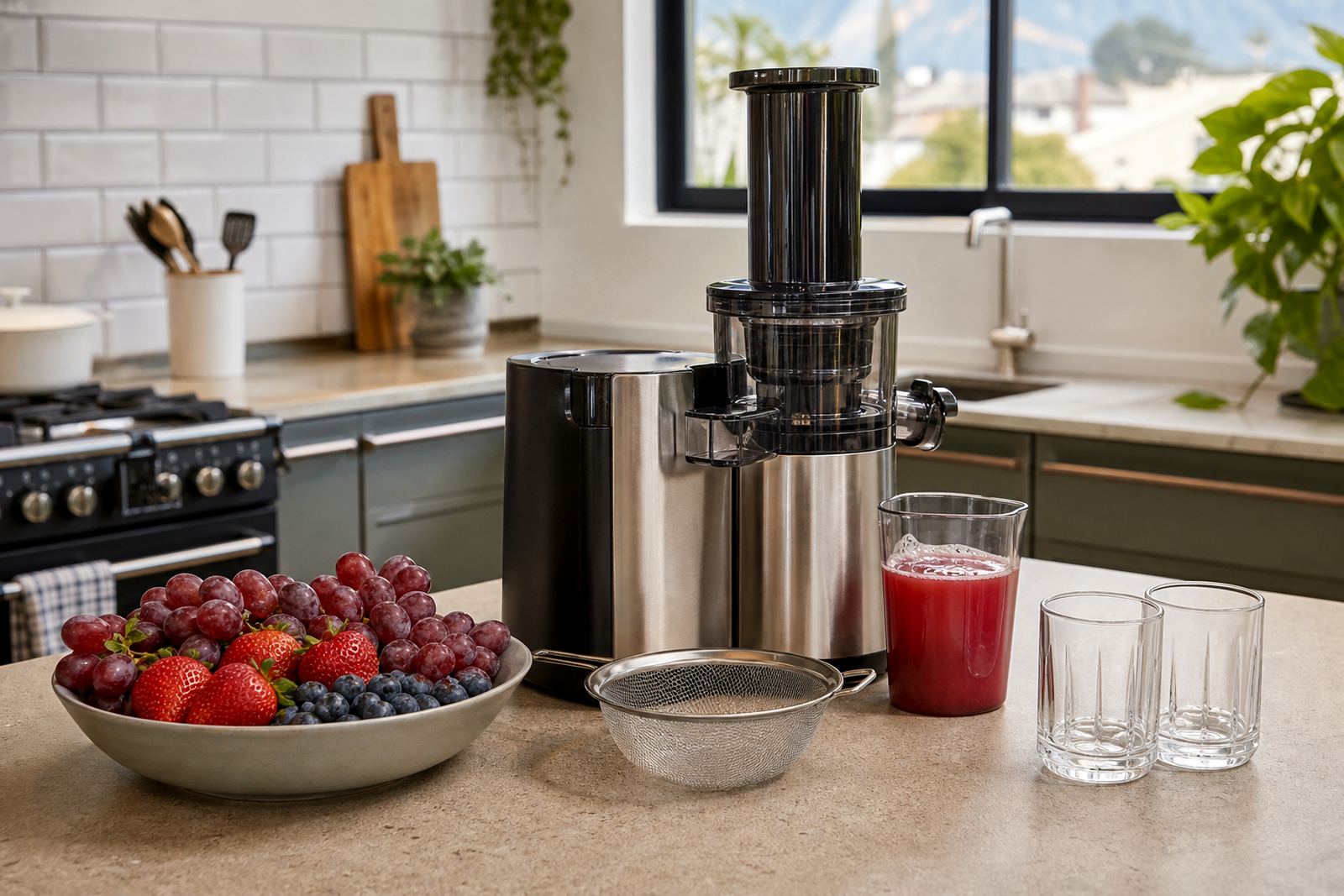
Horizontal cold presses are supplied in more than one chamber size and motor rating, and the right fit depends on how much produce you handle at a time. A smaller home unit may suit a flat in Cape Town or Pretoria where counter space is limited, while a larger chamber is better if you are processing trays of fruit, herbs or prep for a family kitchen. Some models include separate screens or strainers for finer or coarser output, and some have wider chutes for softer cuts once the ingredients are prepared correctly.
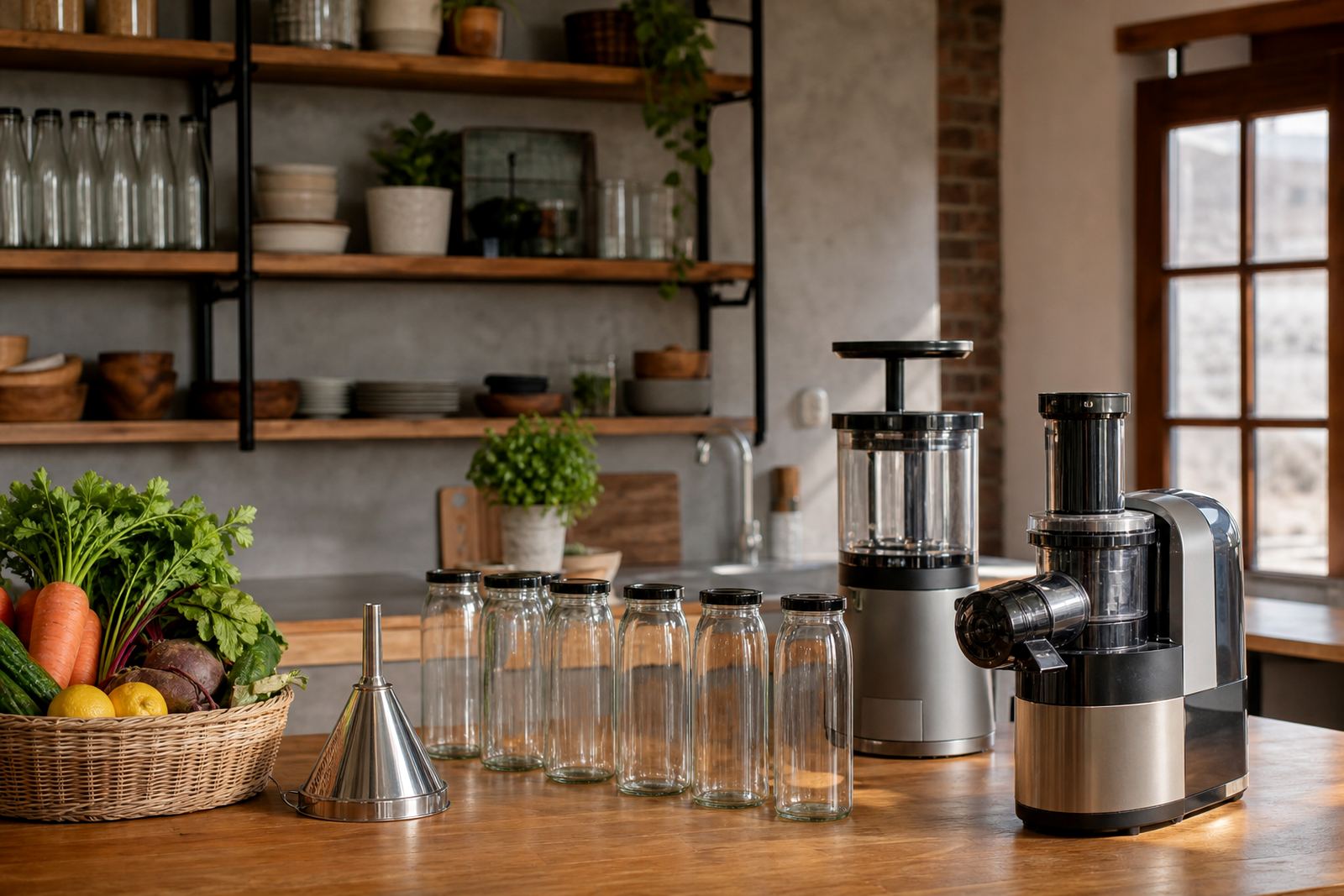
When you order, the practical details matter more than the sales language. You need to know the overall width, depth and height, the feed opening, the pulp container position and whether the machine stands low enough to fit under wall cupboards. If you are short on working room in Paarden Eiland, Stellenbosch or Somerset West, a horizontal unit can still work well, but only if the footprint suits your counter and sink layout.
Confirm the following before placing the order:
- Unit length, width and height in millimetres
- Motor power rating and plug type
- Chamber, screen and auger arrangement
- Juice outlet height for your jug or bottle
- Weight of the machine for lifting and storage
- Whether extra screens, brushes or tools are included
Where a horizontal cold press fits best in South African homes
This format suits kitchens where ingredients are prepared in batches and the machine is used on a stable counter. It is useful for homes in Cape Town, Johannesburg, Durban, Pretoria and George where users want a compact appliance that can be put away after use, yet still handles daily juicing without too much fuss. It also works well in coastal areas where humidity can affect stored parts if they are not dried properly after washing.
For most domestic settings, the machine is placed near a sink with enough room to rinse parts and dry them on a cloth or rack. Because the feed path runs horizontally, it is easier to see if pulp builds up or if a piece of produce needs to be cut smaller before feeding.
- Ideal for homes with medium counter space
- Useful for leafy produce, softer fruit and mixed batches
- Suitable for apartments, family kitchens and holiday homes
- Works well where parts need to be cleaned and dried quickly
Cleaning, food safety and storage after use
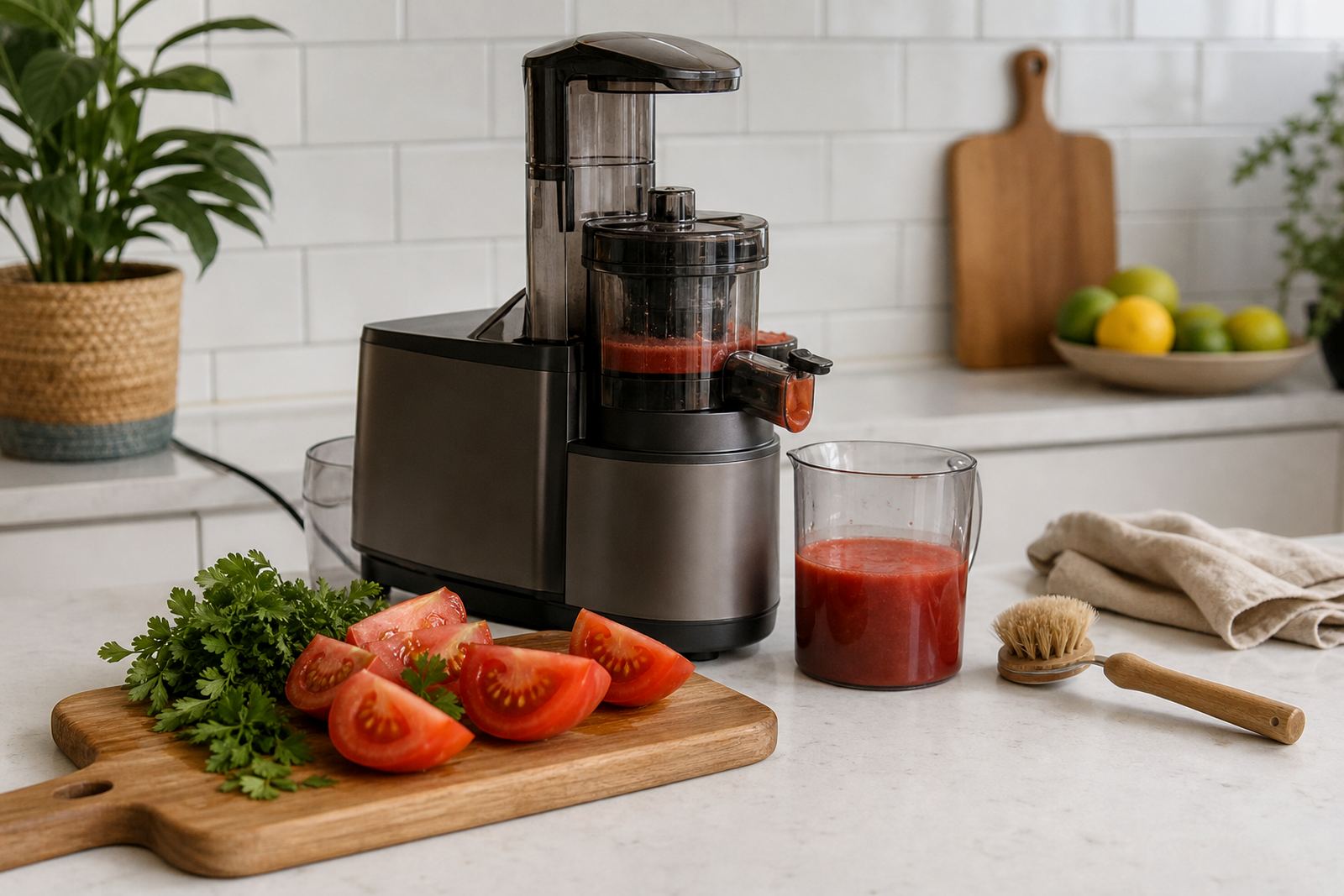
With a horizontal cold press, cleaning starts as soon as the session ends. Remove pulp from the chamber, rinse the screen before residue sets, and wash the removable parts in warm water with mild detergent. A soft brush helps with the small slots and holes in the strainer, and it is better to dry every piece fully before reassembly or storage. In humid areas near the coast, leaving moisture in the chamber or screen can lead to staining or unwanted smells.
Food safety depends on clean handling as much as on the machine itself. Use fresh produce, wash it properly, trim damaged sections and keep raw ingredients away from the cleaned parts and jug. If the unit has seals, clips or a feed cap, check them for wear because loose parts can let liquid track into places that should stay dry. If there is a smell after storage, the usual cause is trapped residue, not the motor, and a deep clean normally sorts it out.
For regular home use, a routine care plan helps keep the parts in order and the machine ready for the next session.
Fitting, power and setup points that matter in practice
A horizontal cold press for the home usually needs only a stable counter, a nearby socket and enough room for the feed side, juice outlet and pulp container. The unit must sit level so the auger, chamber and screen stay aligned. If the machine is moved often between storage and use, the owner should make sure the cable is not pinched and that the plug and cord are kept clear of the sink area. In kitchens where there are older plugs or shared circuits, it is worth checking the supply before first use.
Setup support is useful when the machine first arrives or when a replacement screen, seal or bowl is fitted. Some clients only need first-time setup guidance, while others ask for leak troubleshooting, noise and vibration checks, or help with a feed cover that does not seat properly. MiniPress can guide customers through these points from Paarden Eiland and arrange delivery across the country, including Johannesburg, Durban, Pretoria, George, Stellenbosch and Somerset West.
The practical checks before use are straightforward:
- Level surface with enough clearance around the machine
- Working socket that matches the machine rating
- Dry hands and dry counter before switching on
- Parts seated correctly before feeding produce
- Room for a jug or container under the outlet
From Paarden Eiland to your kitchen, with the right support behind it
MiniPress works from Paarden Eiland, Cape Town, with delivery for home juicers and cold presses across South Africa. The team handles online orders, routine care guidance and after-sales support through the enquiry form on the contact page, which keeps the process clear for customers in Cape Town, Johannesburg, Durban, Pretoria and George. Support also covers spare parts help, brush and tool supply, storage care and video support calls when a customer needs a closer look at how a unit is assembled or cleaned.
For a horizontal cold press, the useful support is often practical rather than technical: checking a seal, confirming the screen type, explaining how the pulp outlet should sit, or showing how to clean around the auger housing without forcing anything. That kind of help matters in real kitchens, especially when the appliance is used regularly and the owner wants it kept in working order without unnecessary wear.
Key facts
| Product type | Horizontal cold press juicer for home use |
|---|---|
| Operation | Electric motor with low-speed pressing action |
| Typical use | Fresh fruit, leafy greens, herbs and mixed produce |
| Cleaning | Removable food-contact parts for washing and drying |
| Common options | Different chamber sizes, screens and feed openings |
| Support available | Setup, deep clean guidance, spare parts help and video support |