A bin that keeps the mess in one place
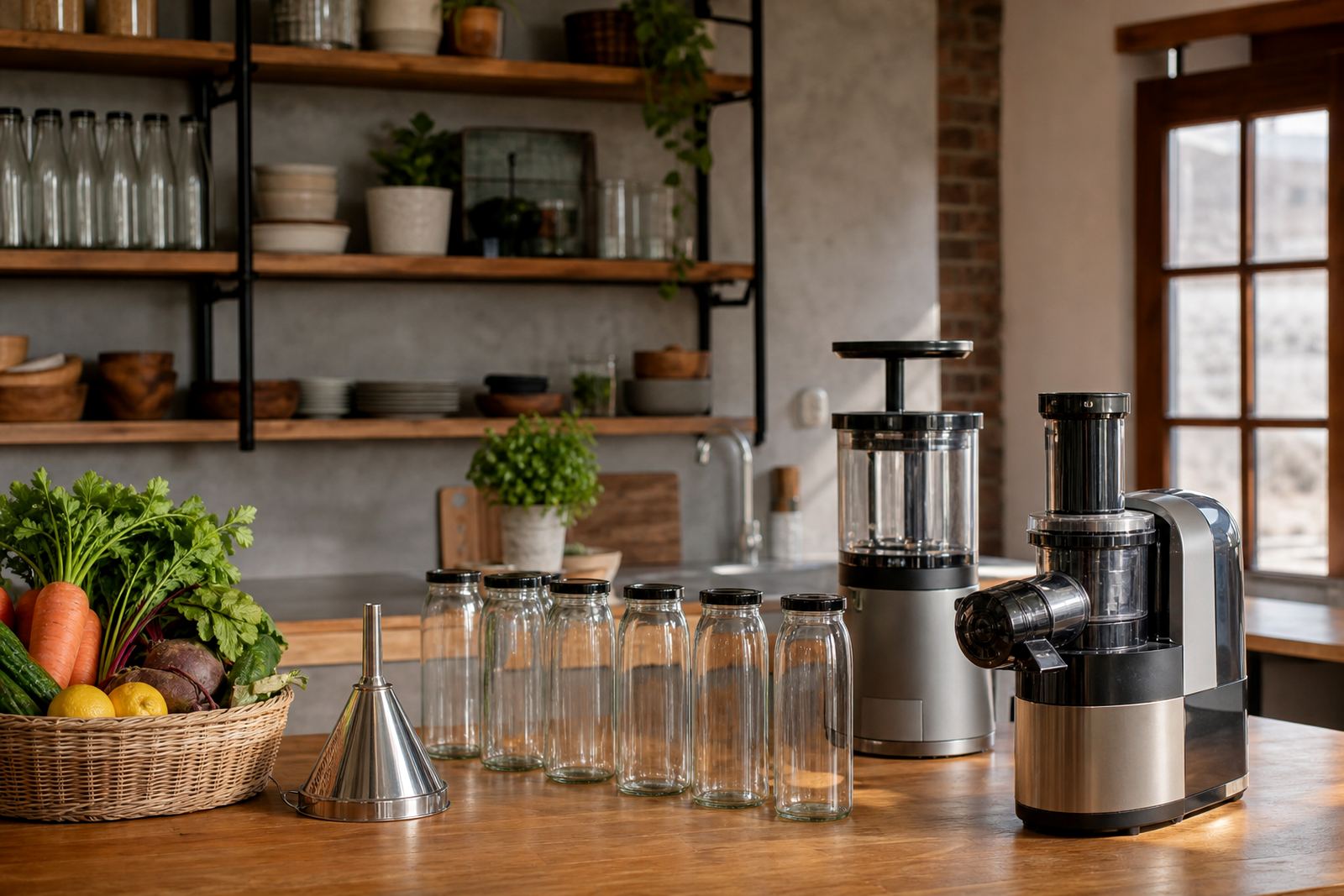
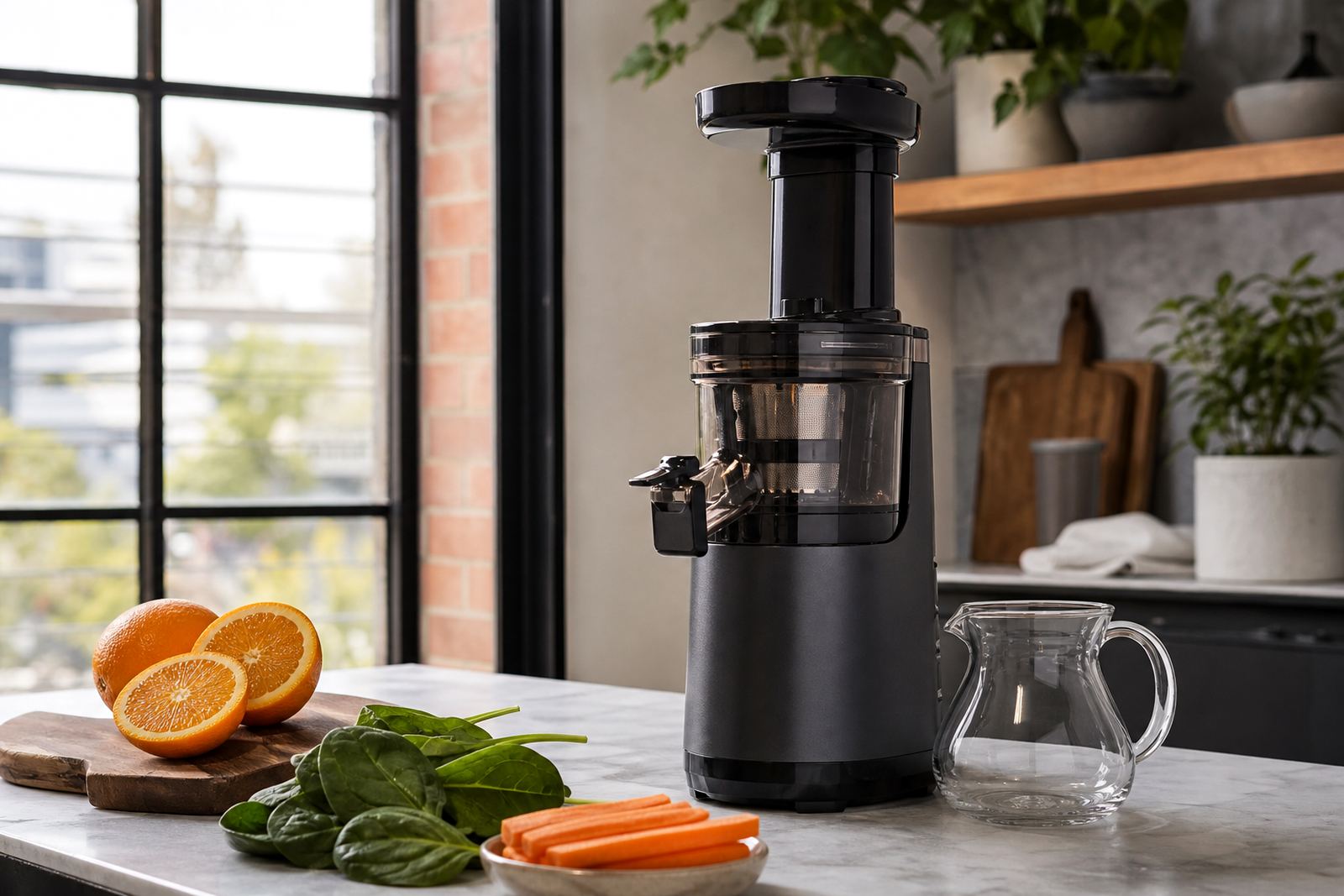
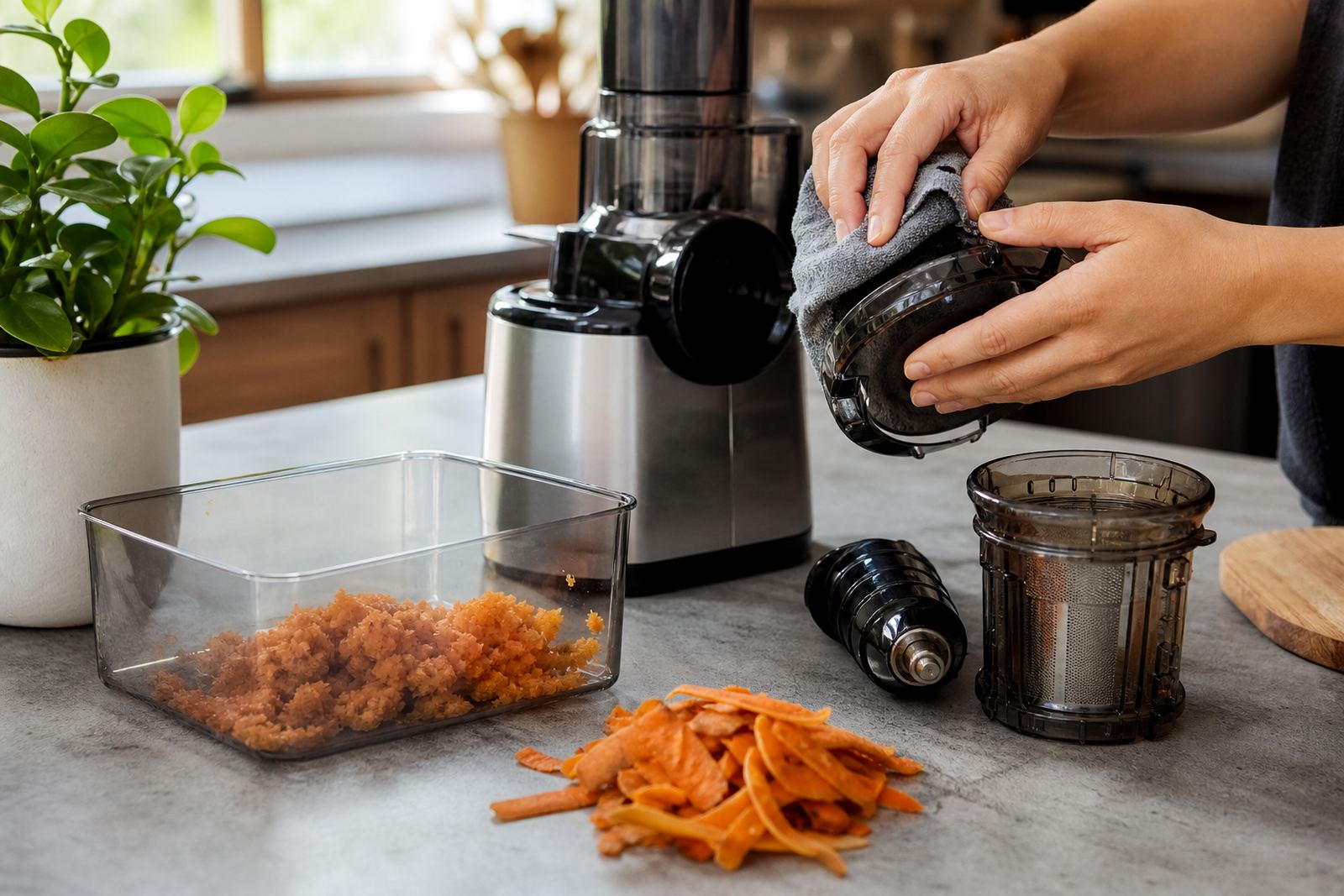
The pulp collector bin sits beside or under the juicing outlet and catches the fibrous output as it leaves the machine. In daily use, it helps reduce trips to the bin and keeps peelings, fibres, and damp pulp from spreading across the counter, the floor, or the wash area. For households that juice in stages, or for offices and small food counters that prepare several servings at a time, that extra order matters.
MiniPress supplies pulp bins for home juicers and cold presses where a dedicated catch container is needed for cleaner working. The bin is made for repeated use and regular emptying, with a shape that is easy to lift, rinse, and place back in position. If you are working in Paarden Eiland, Stellenbosch, Somerset West, or delivering from Cape Town to other parts of South Africa, it is the kind of part that makes the juicing routine less clumsy, especially when the morning rush starts and the counter is already full.
Sizes and fit that must match the machine
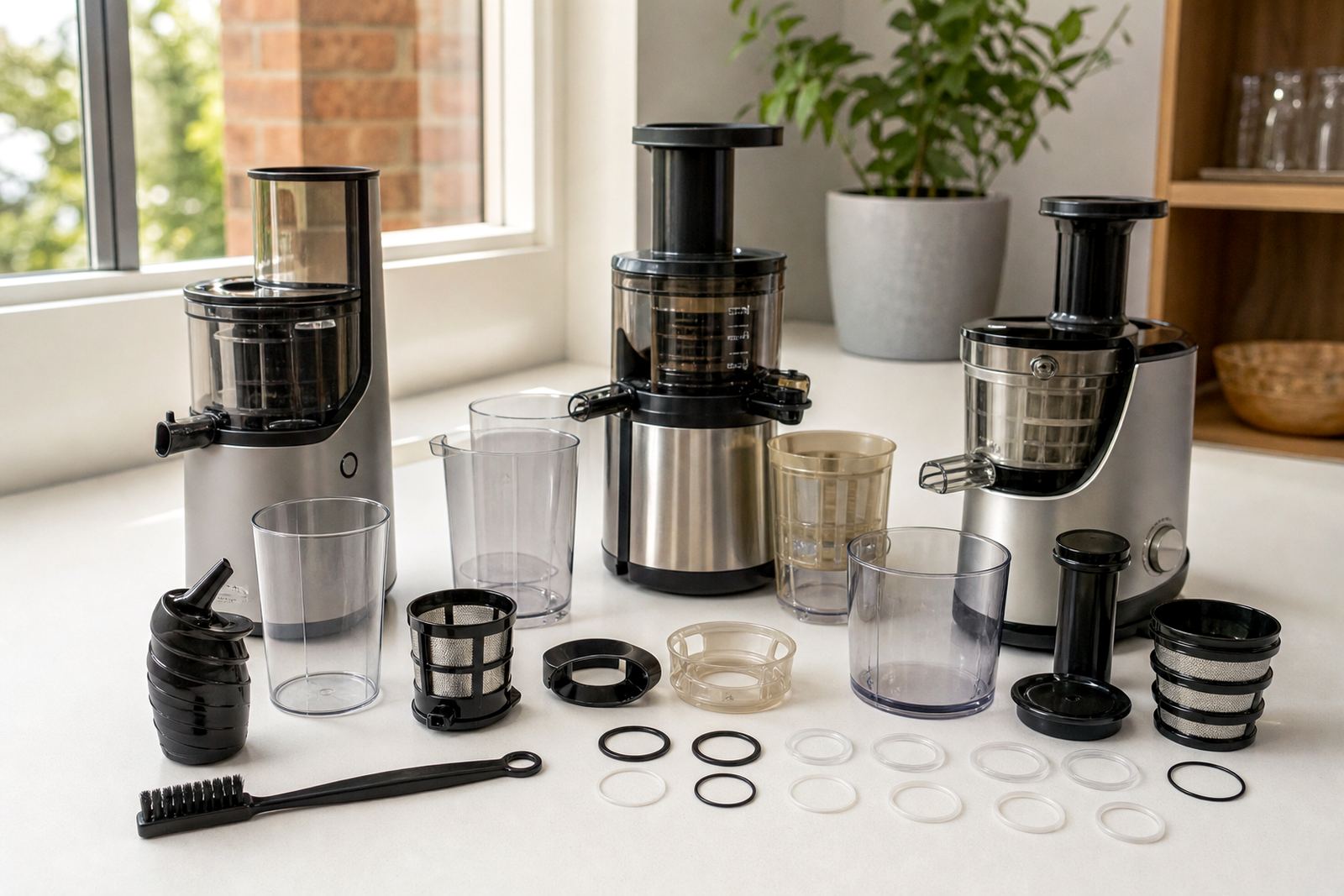
Pulp bins are not one-size-fits-all. The height, opening, lip shape, and outlet position need to line up with the juicer body or the pulp chute, otherwise the bin can sit skew or catch pulp on the edge. When ordering, it helps to check the machine model, the width of the base, and the space available behind and beside the juicer. A mismatch can lead to spillage, wobble, or a bin that blocks the lid from closing properly.
Common options include compact bins for smaller home units, and deeper bins for higher output machines that are used in longer sessions. Some users prefer a transparent container so they can see when it is filling up, while others want an opaque bin that hides the contents until disposal. Either way, the fit needs to be right for smooth use and a steady setup on the worktop.
- Check the opening width and the lip height before ordering
- Confirm whether the bin sits left, right, or directly under the outlet
- Measure the height under shelves or wall cupboards if space is tight
- Allow enough clearance for hands, lids, and removal when full
Where this piece earns its place
This kind of collector suits homes that juice more than once a day, especially where whole fruit and chopped veg are fed through in batches. It also suits small hospitality counters, guesthouses, health shops, and staff kitchens where a cleaner prep surface is expected between uses. In coastal areas like Durban and George, where humidity can leave rinse water lingering on plastic surfaces, a bin that drains and dries properly is worth having.
For slow masticating juicers and cold presses, the pulp often comes out drier and more compact, so the bin can be used for a longer stretch before emptying. With centrifugal juicers, the output can arrive faster and lighter, which means the bin may need more frequent attention. In both cases, the right container helps keep the workflow steady and avoids leaving damp fibre on the counter where it can stain or slip onto the floor. It is not flashy, just practical, and that is what matters in a working kitchen.
- Home kitchens with regular juicing at breakfast or after school
- Guesthouses, salons, and small food counters with light daily use
- Prep areas where cleaning happens between different food tasks
- Spaces that need a neater layout during generator use
Cleaning, food safety, and day-to-day handling
Pulp bins should be emptied soon after use so the contents do not sit warm and damp for long periods. Rinse with warm water, a mild dish cleaner, and a soft brush or cloth. Avoid harsh scouring pads that can scratch the inside and leave a rough finish where fibre clings. If the bin has narrow corners or a moulded lip, a small cleaning brush helps get into the tight spots without forcing anything.
For food safety, keep the bin separate from raw meat boards, bin liners used for general waste, and chemical cleaning cloths. After washing, let it dry fully before fitting it back onto the juicer. That reduces lingering moisture and the sour smell that can build up in enclosed cupboards. If the machine is used around children or in a shared household, a clean, dry bin also helps prevent sticky residue from attracting flies or ants. In kitchens where municipal water restrictions apply, a quick rinse and wipe is usually enough between deeper washes, provided it is done properly.
Fitting checks before a dispatch leaves Paarden Eiland
Before we match a pulp bin to an order, we confirm a few practical points so the part arrives ready to use. The machine type, juicer opening, mounting side, and the space around the base all matter. If the bin is for a replacement, a photo of the old part and the juicer throat usually helps avoid a wrong fit. If the machine is used in a busy household, the team can also check whether a deeper or wider option will suit the way it is used.
MiniPress handles enquiries from Cape Town, Johannesburg, Durban, Pretoria, George, Stellenbosch, and Somerset West through the enquiry form on the contact page. That is also where customers can ask for help with first time setup, seal replacement, screen care, leak troubleshooting, noise vibration checks, routine care, or spare parts guidance. For this product, it is helpful to confirm the exact juicer style, the outlet position, and whether the bin needs to tuck under a shelf or sit free on the counter.
- Machine model or a clear photo of the juicer base
- Approximate opening width and the outlet position
- Whether the bin must fit under a cupboard or shelf
- Delivery area and preferred receiving address for dispatch
What to tell us when you place the order
When ordering a pulp collector bin, the most useful details are the juicer style, the bin size you need, and any fitment quirks on the current machine. If the machine is older, has a custom catch tray, or has been stored for a while in a coastal area where fittings can shift slightly, say so up front. That kind of detail saves time and reduces back-and-forth, especially when the juicer is already out of service on the counter.
If you need help with a replacement, a spare part lookup, or a check on whether the bin will suit your setup, the MiniPress team can assist from Paarden Eiland with delivery across South Africa. The warehouse and dispatch side can pack for Cape Town Delivery, Johannesburg Delivery, Durban Delivery, Pretoria Delivery, George Delivery, Stellenbosch Delivery, and Somerset West Delivery. For customers who need a cleaner, tidier juicing station, this is one of those parts that looks small but keeps the whole working area in order.
Key facts
| Product type | Pulp collector bin for home juicers and cold presses |
|---|---|
| Material | Food-contact plastic, smooth finish |
| Capacity | Compact to medium size options, depending on machine fit |
| Fitment | Left, right, or under-outlet placement depending on model |
| Care | Warm water wash, mild cleaner, air dry fully |
| Use | Collects pulp during juicing sessions for a tidier workspace |