When carrots, beetroot and ginger need a stronger feed
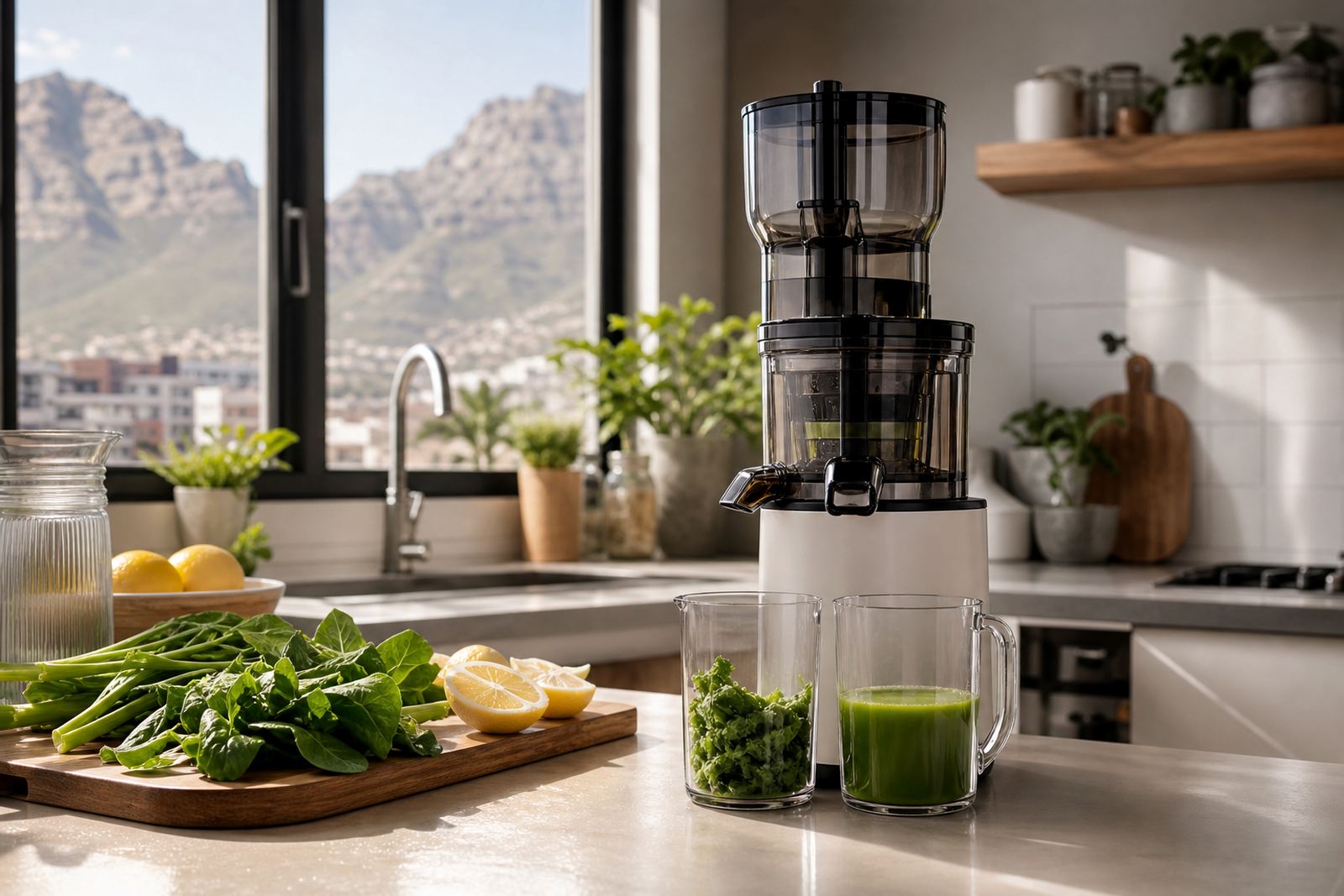
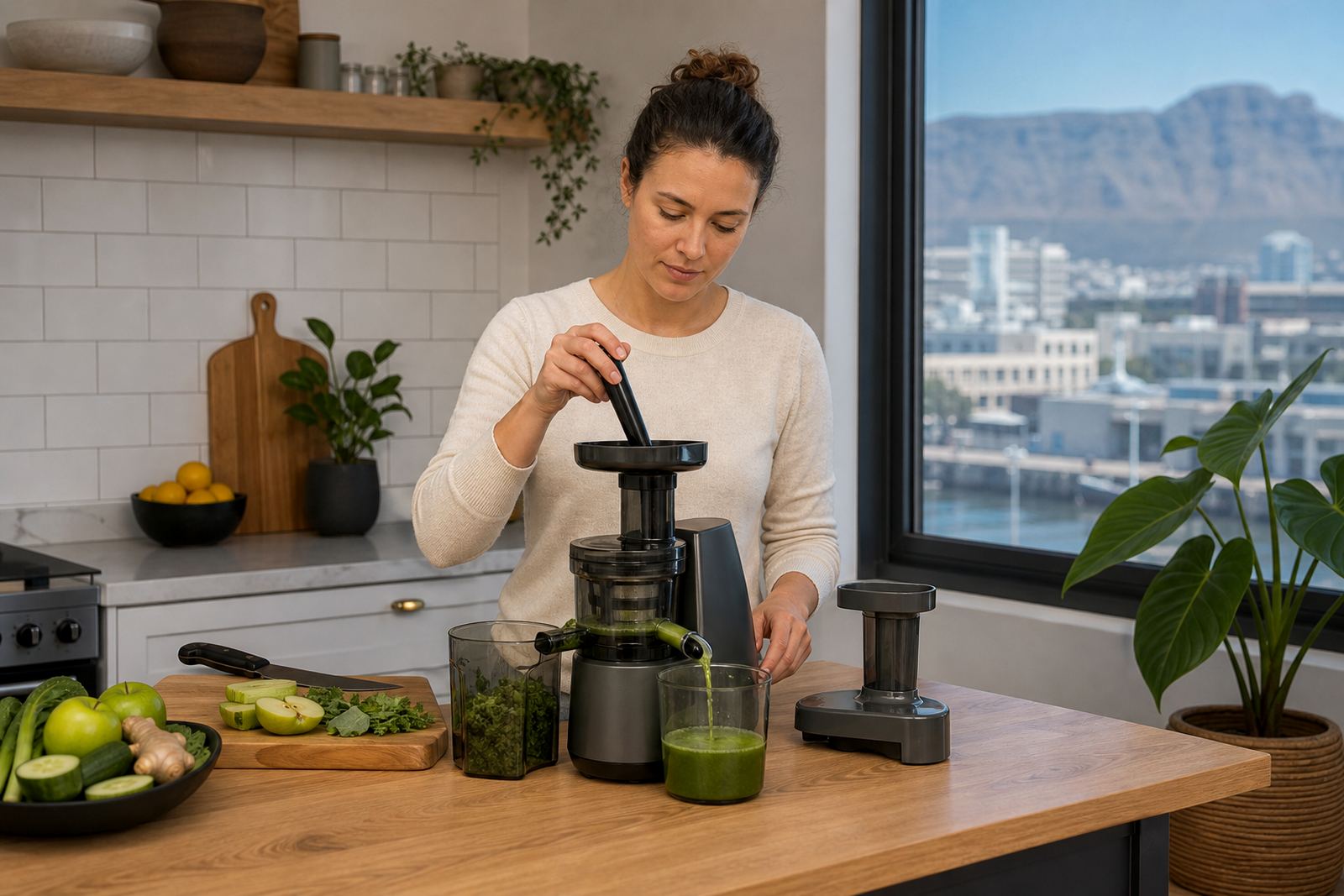
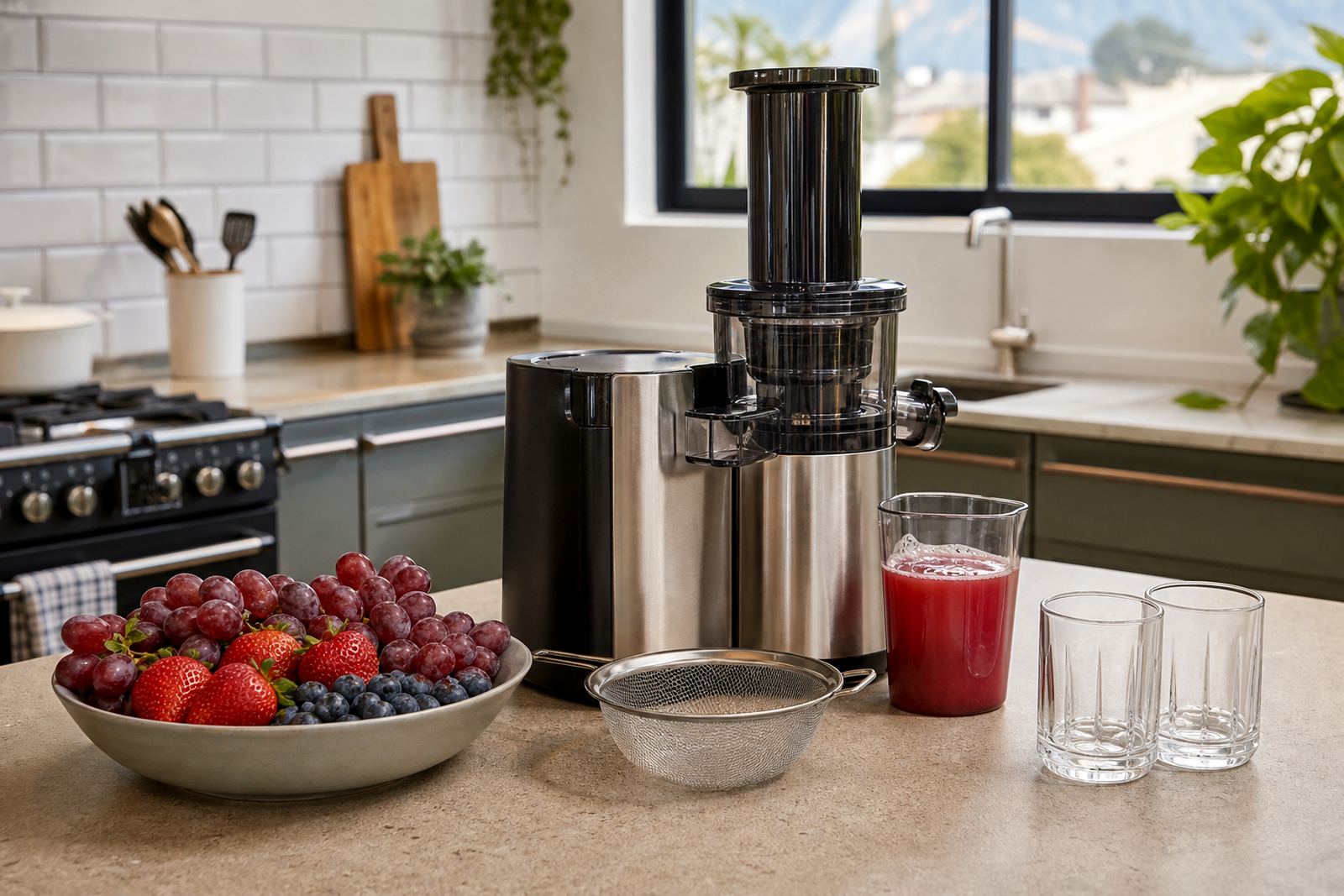
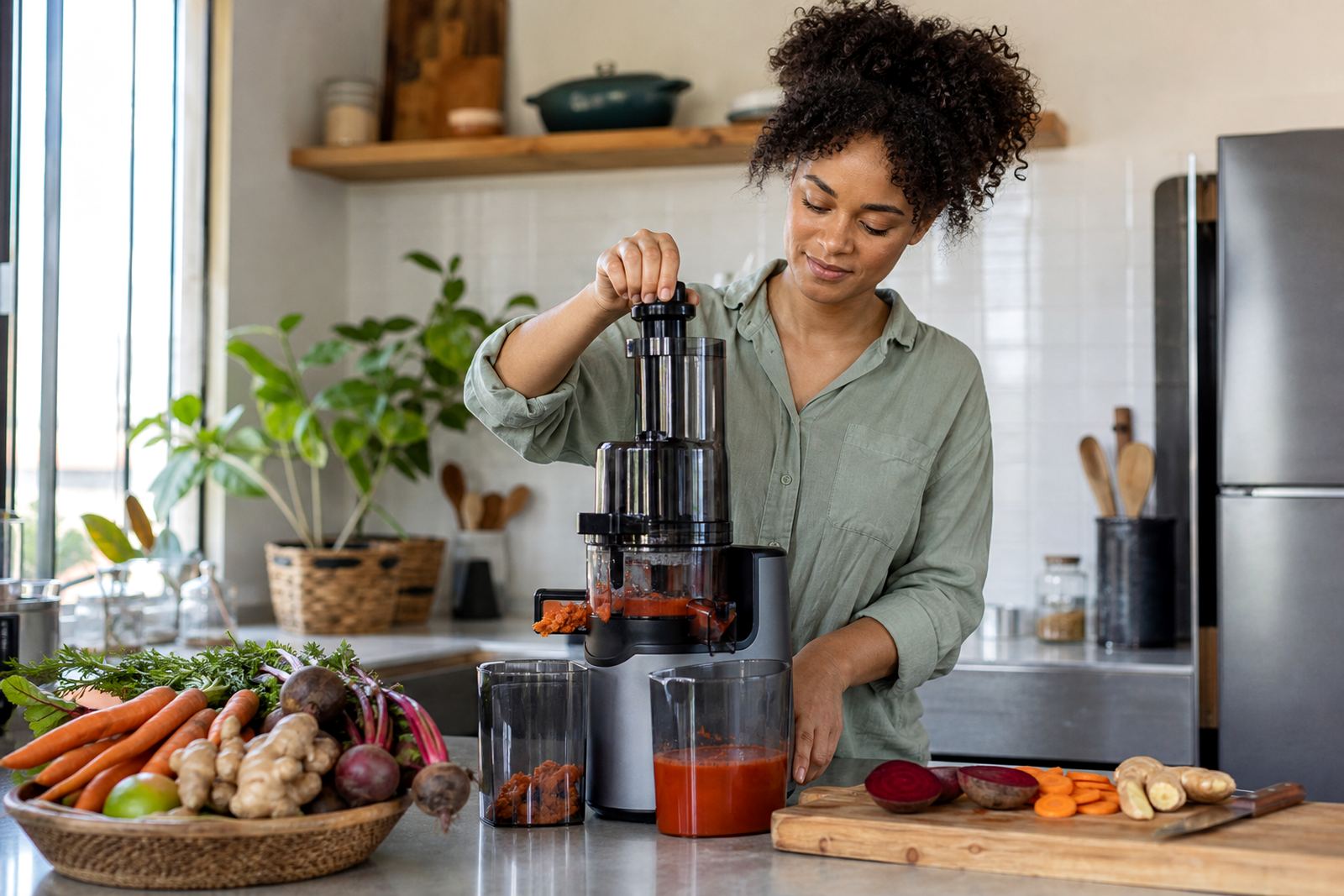
A root veg juicer is built for produce that needs more pressing or faster shredding than soft fruit. In the MiniPress range, that usually means a slow masticating unit for controlled extraction, or a centrifugal model for quicker batches when you are working through carrots, beetroot, celery root and ginger in the same run.
For home use, the main difference is how the machine handles fibre and moisture. Slow masticating models crush and press the produce through an auger and screen, which helps with drier pulp and a steadier flow. Centrifugal units use a fast spinning basket and work well when speed matters, though they usually make a bit more noise and can leave wetter pulp.
Two ways to juice, depending on your routine
The right choice depends on how often you juice, how much chopping you are willing to do, and how much space you have on the counter. A cold press is also part of this family for people who want a lower speed process and less heat build-up during operation. It is a good fit for mixed hard produce and leafy items, provided the feed chute and screen match the job.
- Slow masticating: lower speed, firmer yield, usually better for hard produce and mixed batches
- Centrifugal: faster processing, handy for larger morning runs and shorter prep time
- Cold press: pressure based extraction for controlled juicing and steadier pulp output
- Feed chute size: wider chutes can reduce chopping time, smaller ones need more prep
- Pulp control: finer screens give a cleaner juice, coarser screens can move faster
On any of these machines, the feed tube, auger, basket and screen need to suit the type of produce you use most often. Ginger can be very fibrous, so a machine with decent torque and a sensible reverse function is worth having.
Space, motor type and what fits in a Cape Town kitchen
In Paarden Eiland and other coastal areas, buyers often ask for compact units that can sit on the counter without getting in the way. We look at footprint, hopper height, juice jug clearance and the weight of the motor base, because a lighter machine can move around on smooth counters during use. If you have a tiled kitchen or a narrow prep area, a steady base matters.
Most home root veg juicers run on standard household power and should be placed near a safe plug point with enough space for airflow. If you are ordering for a flat, townhouse or family kitchen, it helps to confirm the plug type, cable length, and whether the machine will sit under cupboards or need lifting in and out of storage. In coastal homes, stainless steel parts and good drying after washing help limit corrosion and sticky residue from moisture in the air.
Cleaning after beetroot and ginger without making a mess of it
Root vegetables leave more colour and fibre behind than soft fruit, so cleaning after each use is worth doing properly. Beetroot can stain plastic parts, while ginger fibres can wrap around the auger, basket or blade assembly. A quick rinse straight after juicing is better than leaving residue to dry hard on the screen.
- Strip the removable parts as soon as the machine has stopped
- Use the supplied brush or a soft nylon brush on screens and fine mesh
- Check the seal, spout and pulp outlet for trapped pulp
- Let all parts dry fully before storing to avoid smell and mould
- Wipe the motor base with a damp cloth only, then dry it off
Food safety comes down to clean surfaces, good washing, and keeping raw produce away from old residue. If a part starts leaking, rattling or showing a loose fit, it is worth checking the seal, screen seating and locking arms before the next use.
Fitting checks before the unit leaves Paarden Eiland
Most home juicers do not need building into cabinetry, but they do need the right parts matched up before first use. When you place an order, confirm the exact model style, the basket or auger type, and whether the chute, pusher, jug and brush pack are included. Some models ship with one screen only, while others may have a coarse and fine option.
For customers in Cape Town, Johannesburg, Durban, Pretoria, George, Stellenbosch and Somerset West, delivery is handled to the address supplied at checkout. If you are planning to use the machine in a rental unit or office kitchen, check the counter height and nearby storage space so the lid can open fully and the pulp container can be removed without knocking walls or tiles.
- Confirm the juicer type: slow masticating, centrifugal or cold press
- Confirm the feed chute opening and overall footprint
- Check if a juice jug, pulp bin and cleaning brush are included
- Ask about replacement screens, seals and food contact parts
- Make sure the voltage and plug suit the kitchen point where it will run
Setup help, spare parts and care from the MiniPress team
The MiniPress team handles first time setup, deep clean guidance, spare parts help, seal replacement, screen care, leak troubleshooting, noise and vibration checks, storage care, cable plug checks, brushes and tools, routine care plans and video support calls. That is useful when a machine starts sounding rough, the pulp comes out wetter than usual, or the locking arm feels stiff after regular use.
From our Paarden Eiland base, support is managed by Lukhanyo Mthembu with Ayesha Letsoalo on operations, Sibusiso Rapetswa on technical support, Megan Mokoka on online sales, Ruan Fortuin on warehouse and dispatch, Nomonde Gxowa on customer care, and Tariq Petersen on content and training. If you need help matching a replacement part to the right unit, we will ask for the model details, the photo of the label, and the parts you need checked.
Best fit notes before you send the order through
Before ordering, it helps to confirm the exact produce you plan to run most often, especially if carrots, beetroot and ginger are the main load. A bigger family kitchen may favour a faster centrifugal unit, while a home user who wants more control and drier pulp may prefer a slow masticating or cold press option. If you have limited prep space, also confirm the feed chute size and the height of the assembled machine.
For delivery across South Africa, it is useful to check the suburb, access notes, and whether the parcel will fit through a gate, reception point or apartment block collection area. In some municipal buildings and sectional-title setups, delivery times are restricted, so the address details should be exact.
Key facts
| Product type | Home root veg juicer for carrots, beetroot, ginger and similar firm produce |
|---|---|
| Operating styles | Slow masticating, centrifugal and cold press options |
| Feed chute | Varies by model, with compact and wider chute options available |
| Materials | Food contact parts typically in plastic, stainless steel or a mix depending on model |
| Power | Standard household electric operation for powered models |
| Care | Removable parts for washing, screen brushing and seal checks after use |